Klimt Drawings and Sketches
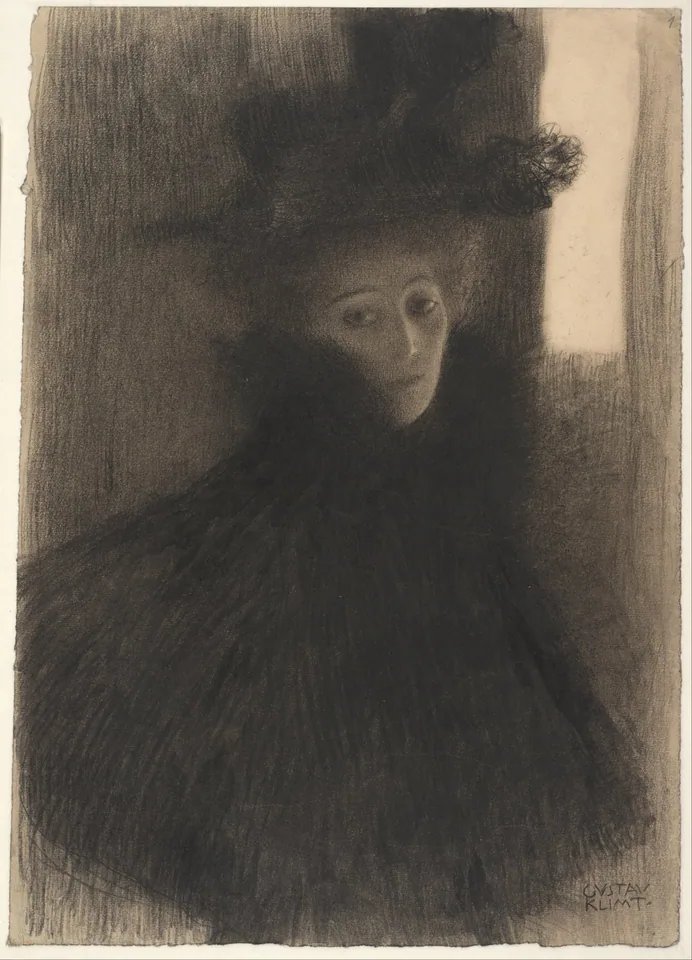
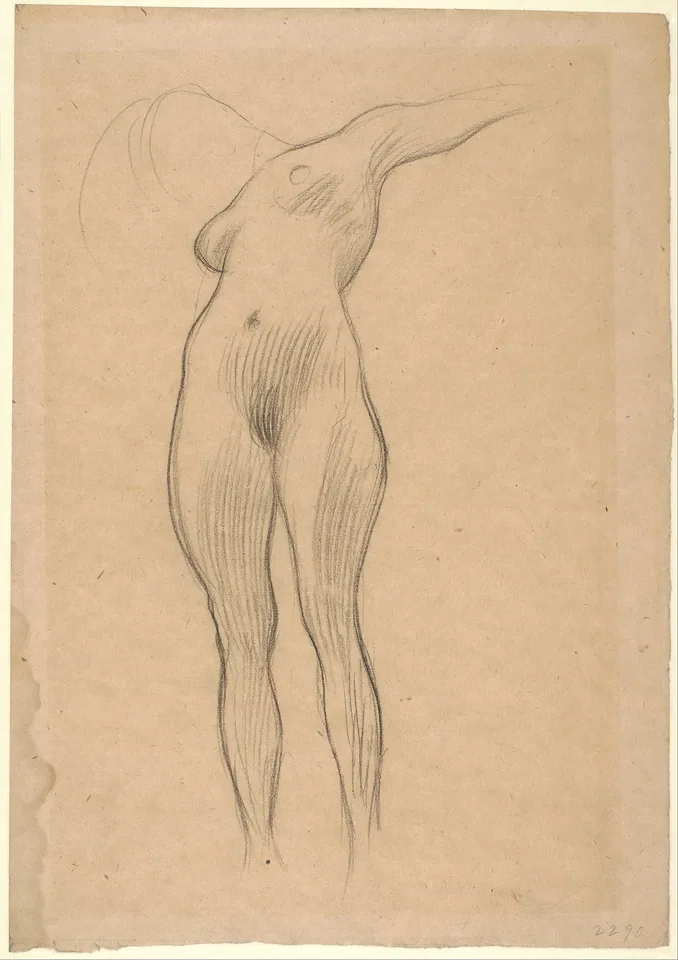
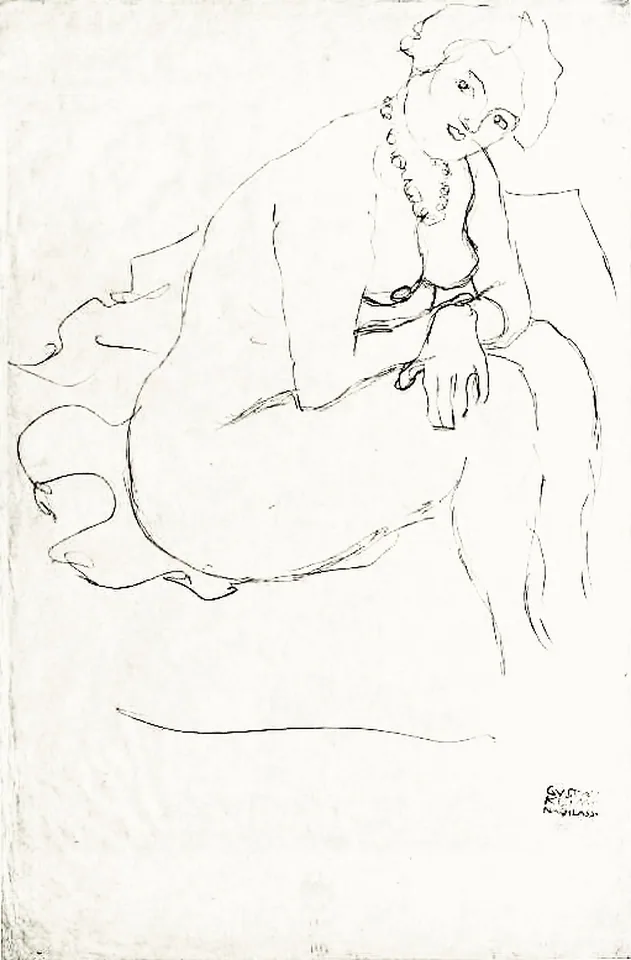
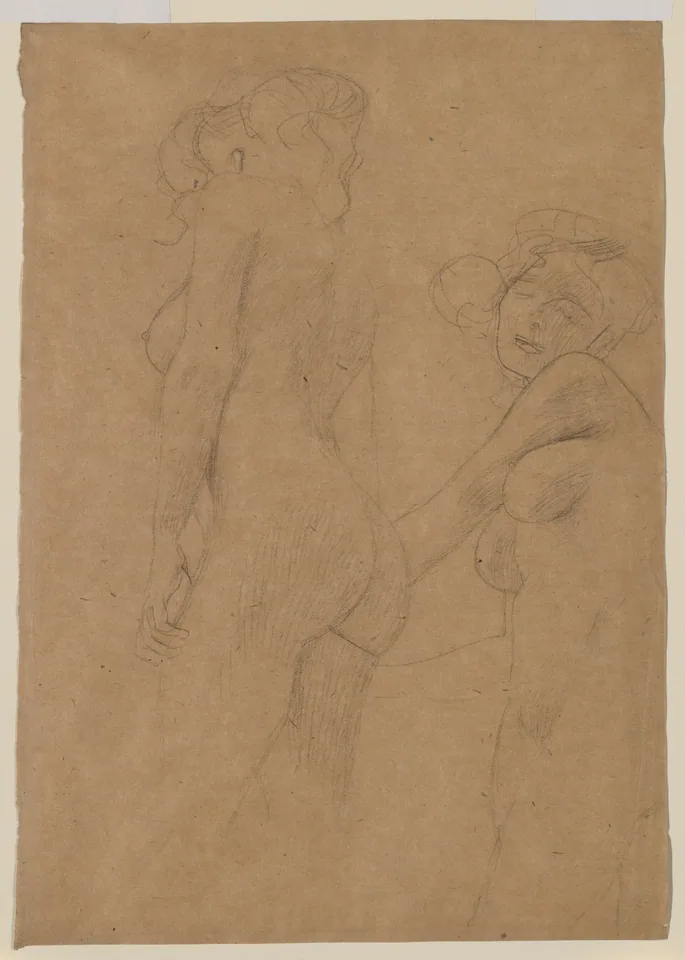
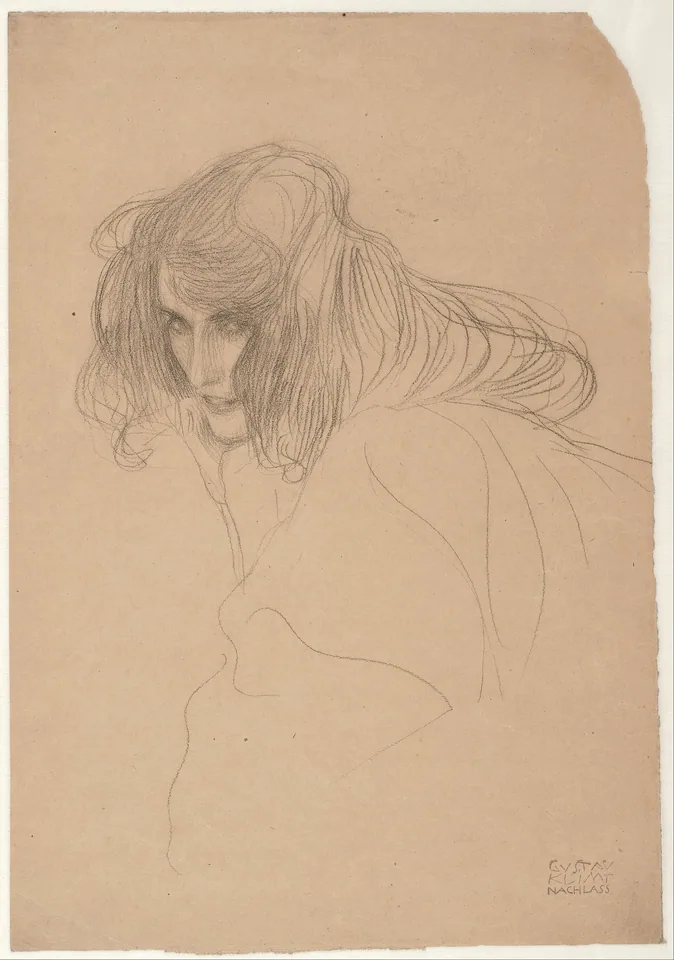
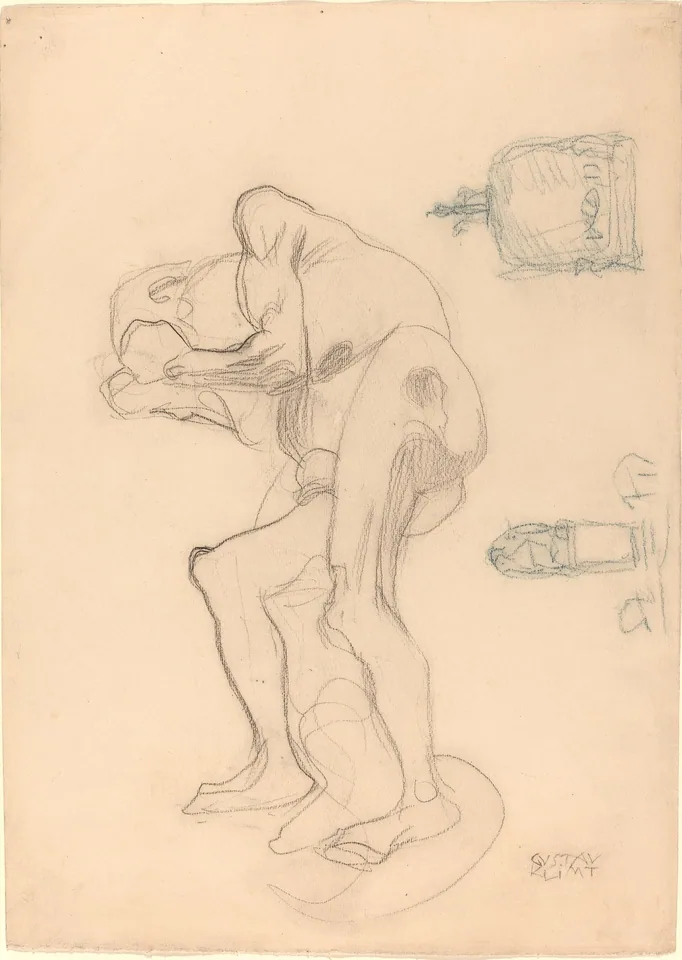
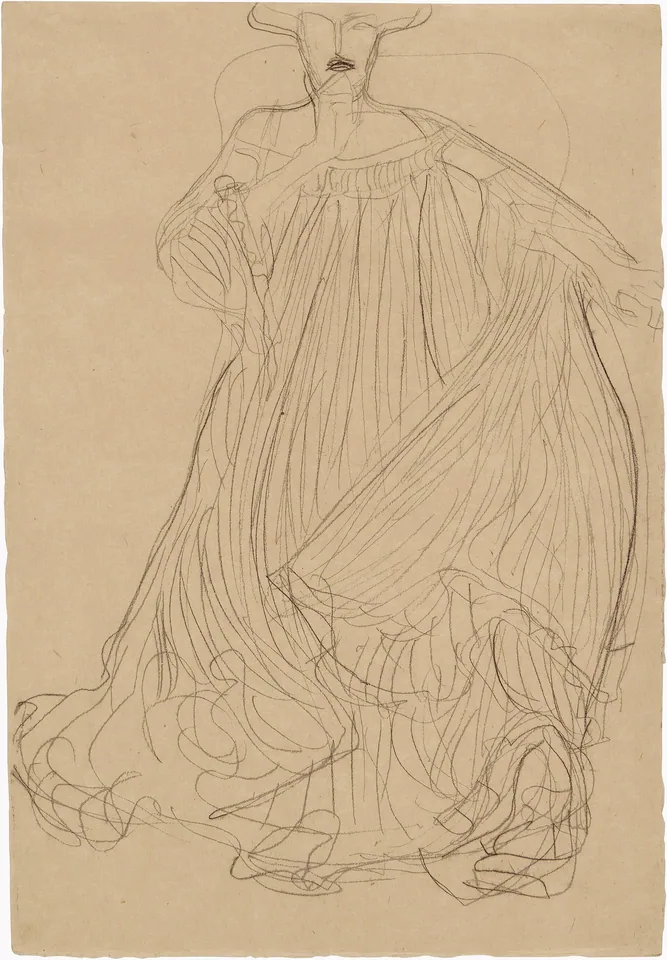
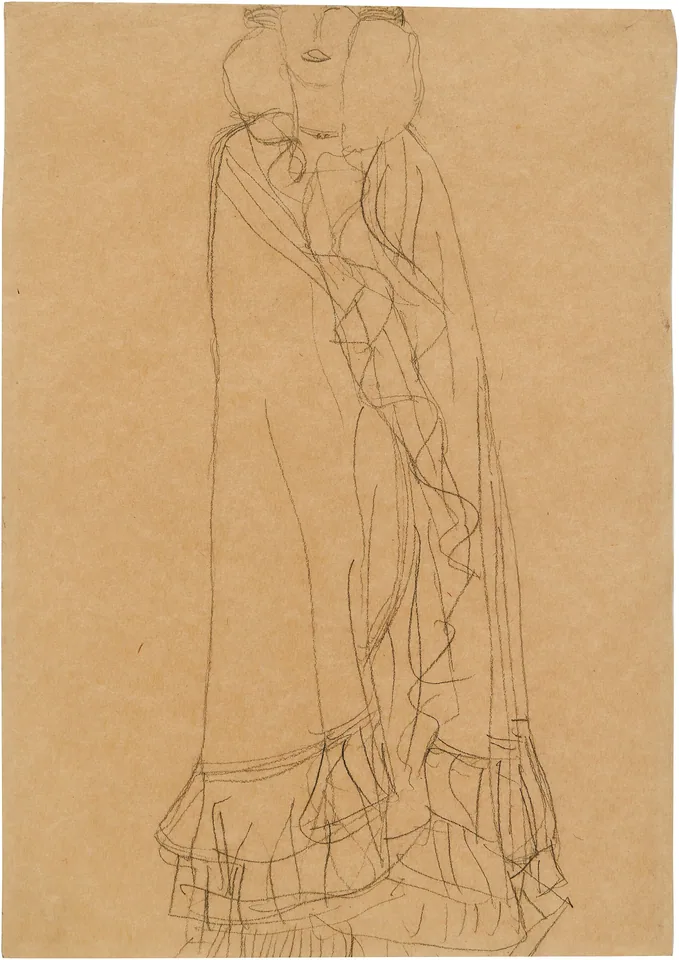
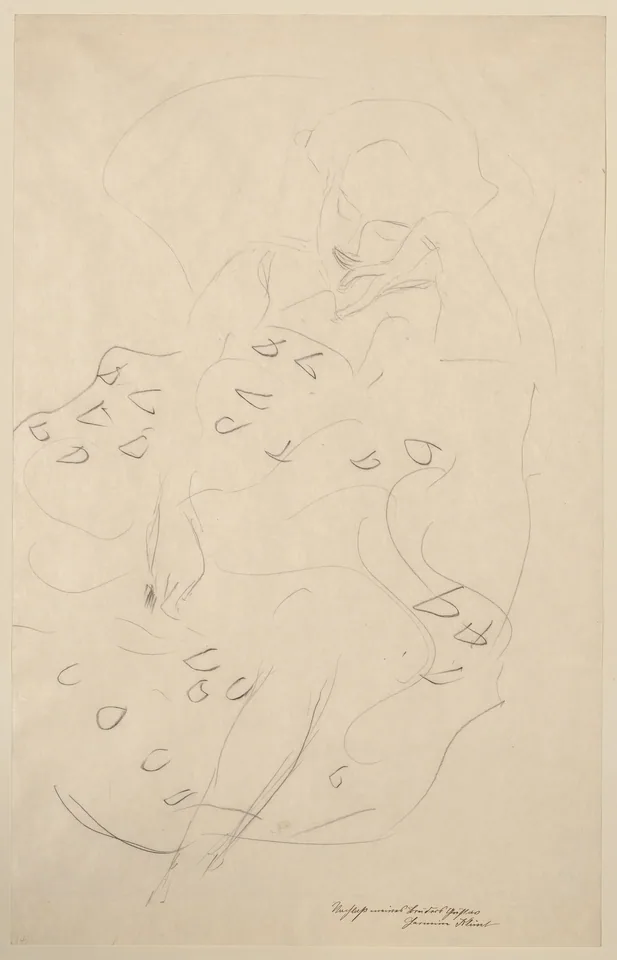
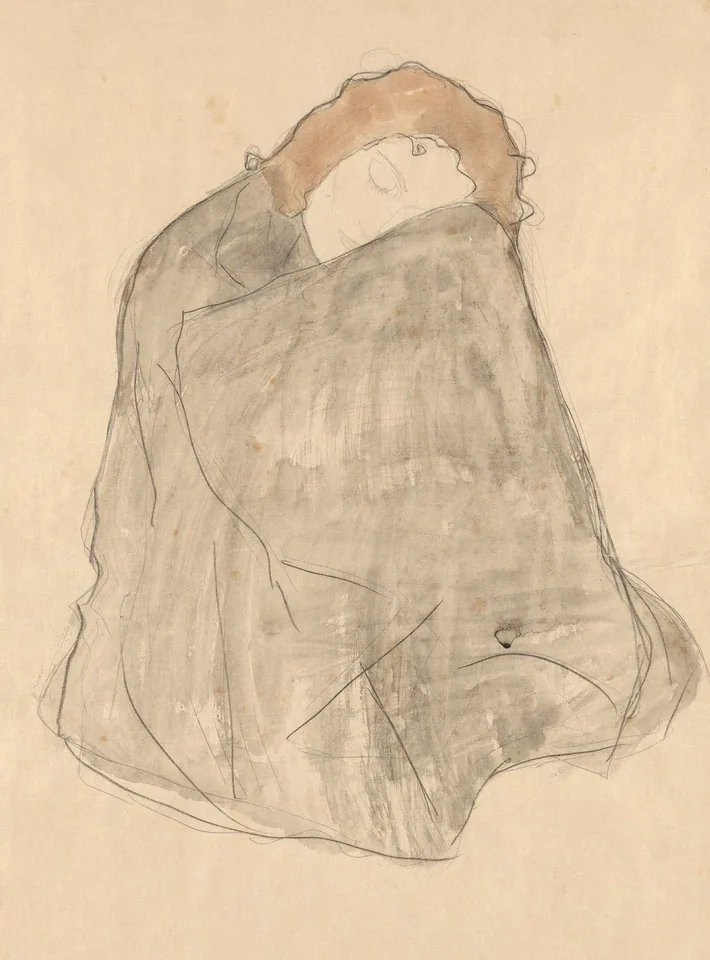
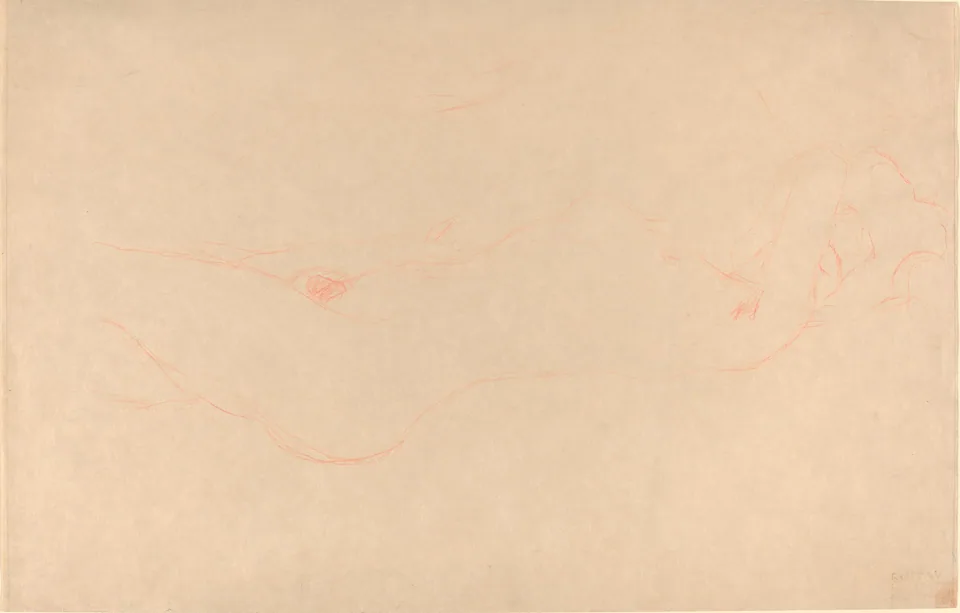
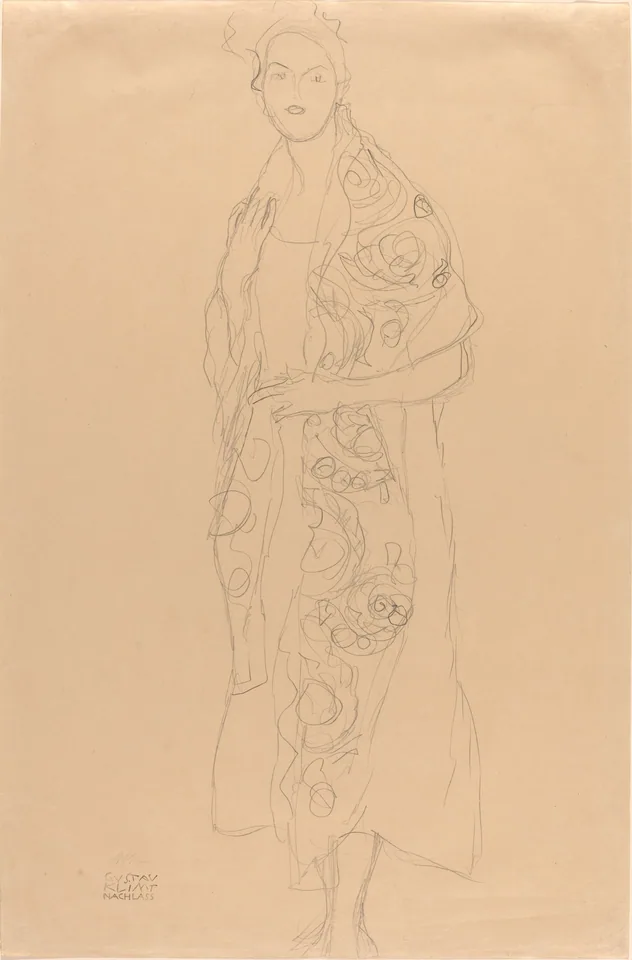
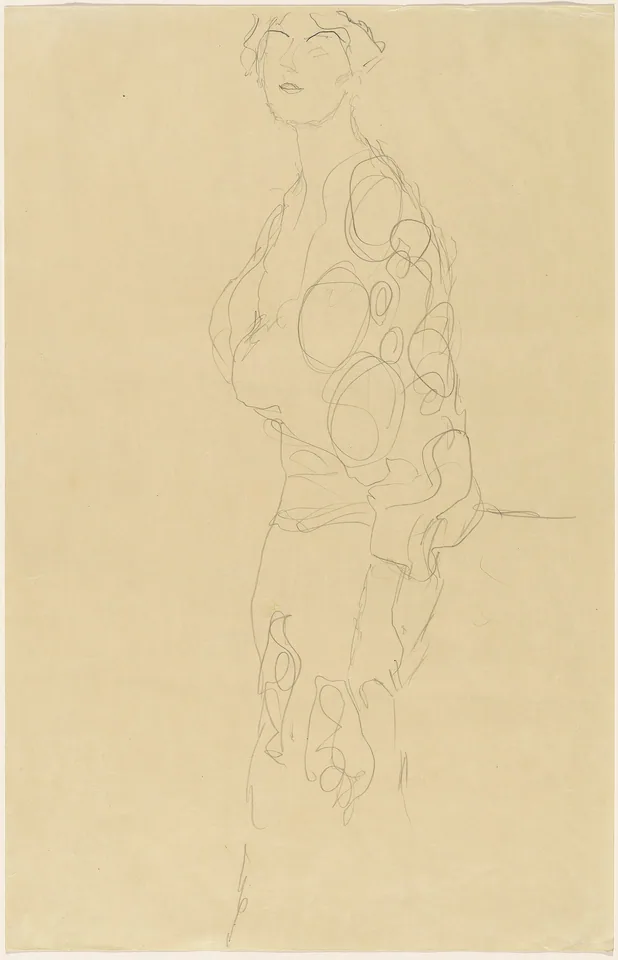
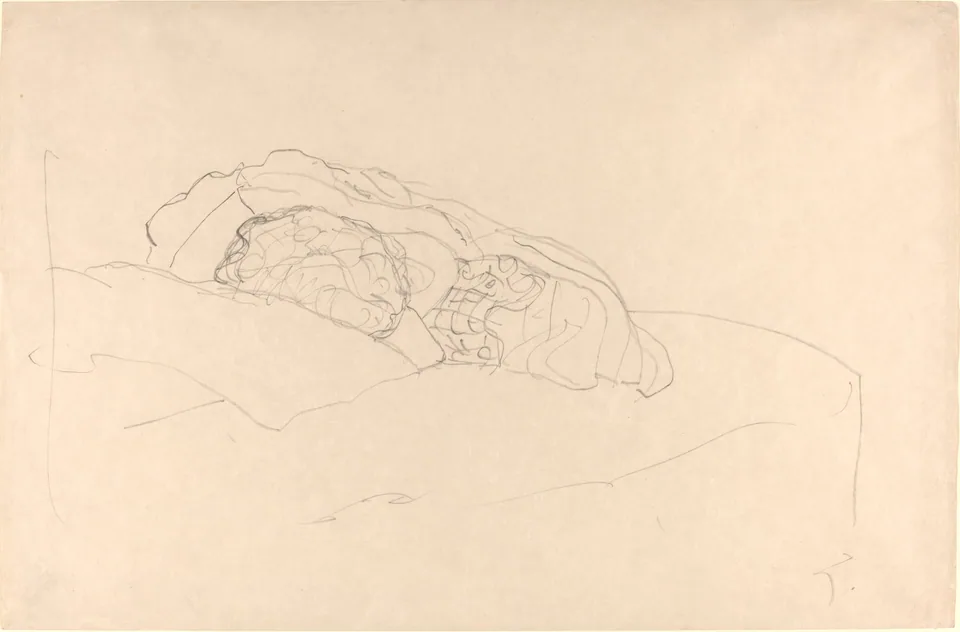
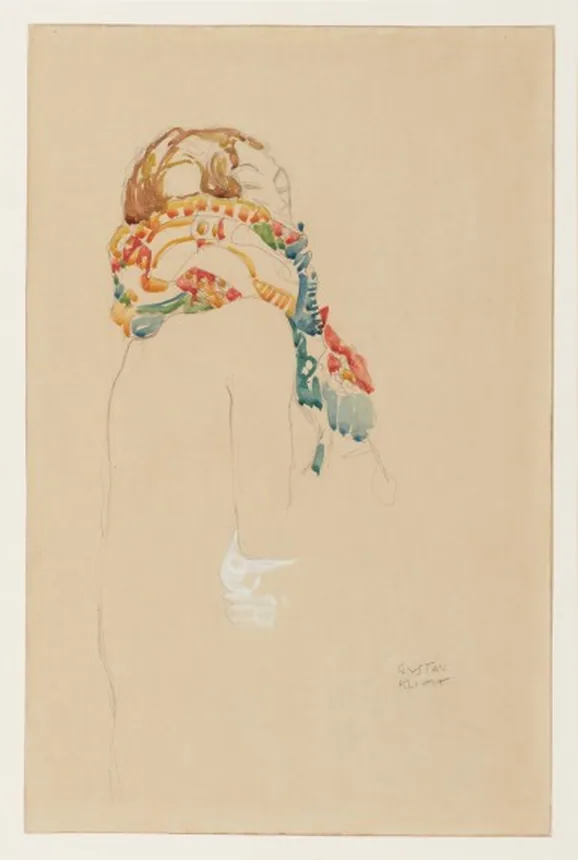
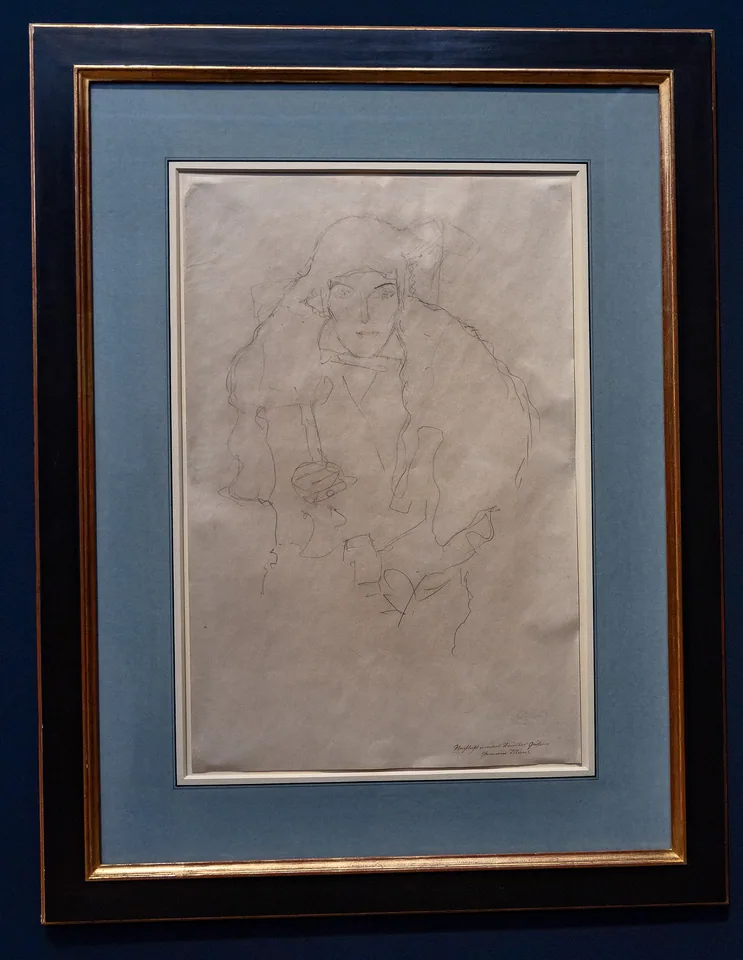
Gustav Klimt drawings reveal the direct line work, compositional experiments, and intimate figure studies behind his finished paintings. These sketches show how he arranged figures, refined poses, and explored the female form on paper.
16 works, earliest first. See the complete works
About Klimt’s drawings
Gustav Klimt drawings capture the artist’s initial design ideas, rapid life studies, and private figure compositions. The Albertina museum research project documents more than 4,300 works on paper by Klimt. Teachers first recognized his drawing skill during his schooling at a Bürgerschule. Later in his career, he filled sketch sheets with figure positions, drapery studies, and decorative concepts.
Many of these sketches served as preparation for large commissions. In 1905, Klimt created working drawings for the Stoclet Frieze, and he revised those designs in 1908. He also drew preparatory studies for major projects, including the University ceiling paintings and the Portrait of Adele Bloch-Bauer I. For the Vienna Secession magazine Ver Sacrum, Klimt provided graphic illustrations and templates, including an early drawing of Nuda Veritas in 1898.
Independent figure studies form a major part of Klimt’s graphic work. His primary subject was the female body, and you can explore this theme further in our guide to women in Klimt’s paintings. Franz Blei chose fifteen Klimt sketches for a 450-copy edition of Lucian’s Dialogues of the Courtesans. In 1919, the portfolio Fünfundzwanzig Handzeichnungen reproduced twenty-five monochrome and two-colour collotypes of intimate female nudes. Public exhibitions of his erotic drawings at Galerie Miethke in 1910 and in Vienna in 1913 met hostile reviews, yet private collectors valued them.
Museums preserve many of these fragile sheets today. The Albertina in Vienna maintains the largest research archive of Klimt’s graphic art, having documented his works for half a century. If you plan a trip to view original sheets in person, consult our guide on where to see Klimt paintings and graphic collections.
Choosing a drawing print
Selecting a print of a Klimt sketch lets you bring his spare lines and delicate tonal work into your living space. Drawings offer an understated alternative to his bright, gold-leaf canvases. You can inspect the deliberate contour of a reclining woman or the geometric planning behind a decorative frieze.
Because paper sketches are sensitive to light, collectors rarely display original sheets in sunny rooms. Original works do enter the market, and you can learn how collectors acquire them in our guide on how to buy an original Klimt. A fine reproduction gives you the clarity of the original line without keeping delicate historic sheets in museum storage.
Prints on this site are printed and shipped by ArtsyWall in three formats: Premium Canvas, Framed Canvas and Archival Paper. Archival Paper matches the flat texture and neutral tone of Klimt’s original sketch sheets. A Framed Canvas provides a finished edge ready for hanging, while Premium Canvas gives subtle texture to the drawn contours. Hang your print in a study, bedroom, or hallway where viewers can examine the line work up close.
Questions and answers
How many drawings did Klimt make?
The Albertina museum research project records more than 4,300 drawings and works on paper by Gustav Klimt. Scholar Alice Strobl published a three-volume catalogue raisonné between 1980 and 1984, followed by a supplementary volume in 1989. Art historian Marian Bisanz-Prakken took over the project in 1990 and documented approximately 400 additional drawings, expanding the total count of recognized works on paper.
What subjects did Gustav Klimt draw?
Gustav Klimt drew the female body as his primary subject, producing life studies, erotic figure compositions, and preparatory sketches for paintings. His drawings include working designs for the Stoclet Frieze, studies for painted portraits, and magazine illustrations for Ver Sacrum. Klimt also depicted explicit scenes of solitary and paired women, which appeared in limited portfolios such as Fünfundzwanzig Handzeichnungen and Dialogues of the Courtesans.
Where can I see Klimt's drawings?
You can see Gustav Klimt's drawings in major Austrian museums and public graphic art collections. The Albertina museum in Vienna houses an extensive graphic collection and leads research on Klimt's works on paper. The Museum für angewandte Kunst in Vienna preserves his working drawings for the Stoclet Frieze. The Leopold Museum and the Gustav Klimt Foundation also hold original Klimt sketches and present them in periodic exhibitions.
Are Klimt drawings for sale?
Original Gustav Klimt drawings appear on the art market and at public auctions regularly. Works on paper trade far more frequently than Klimt's rare oil paintings, with thousands of auction entries recorded in art databases. Commercial galleries such as Wienerroither & Kohlbacher in Vienna handle original Klimt drawings through private sales, and auction houses offer individual sketches, preparatory studies, and limited portfolio editions to private collectors.