Klimt's Early Works
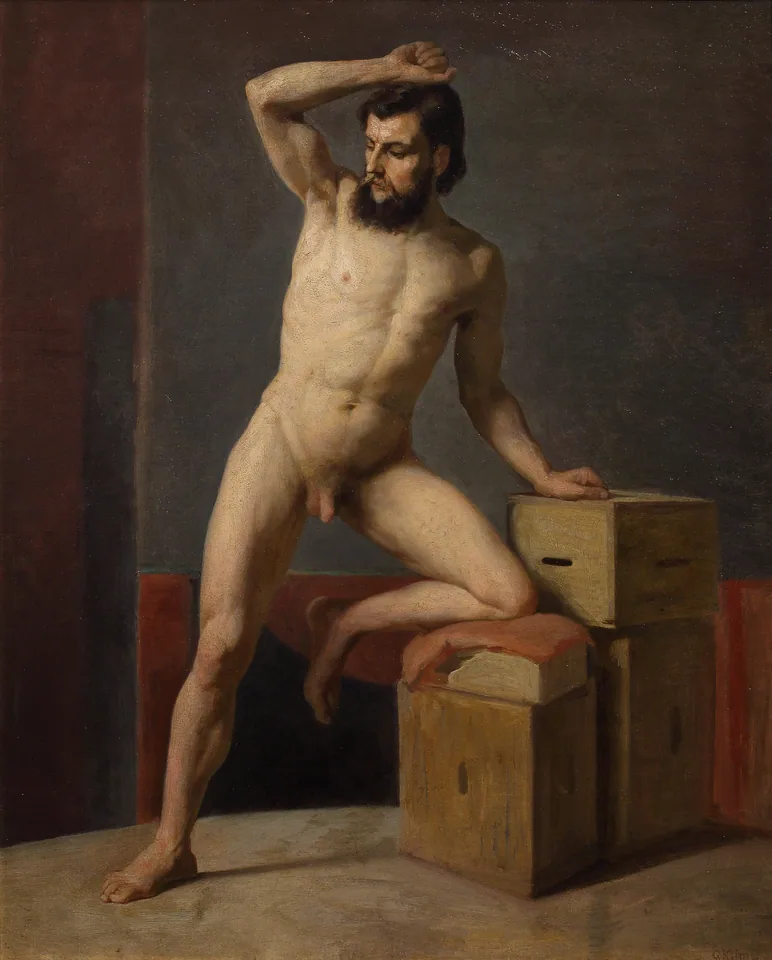
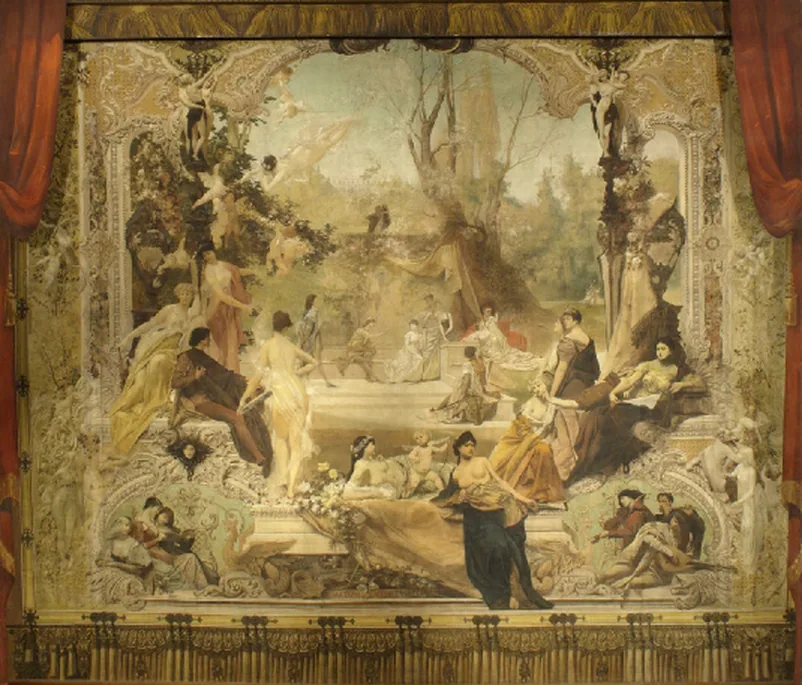
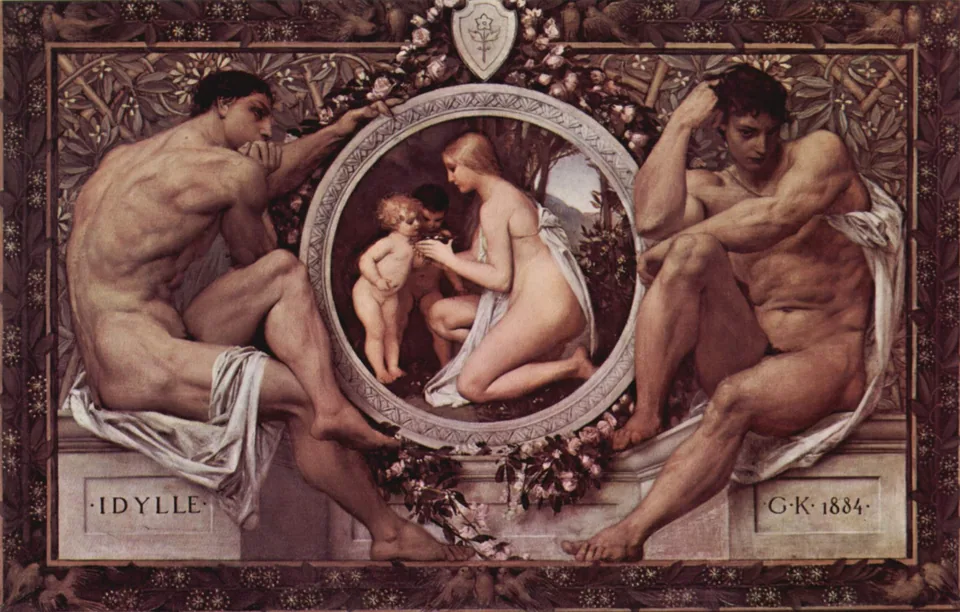
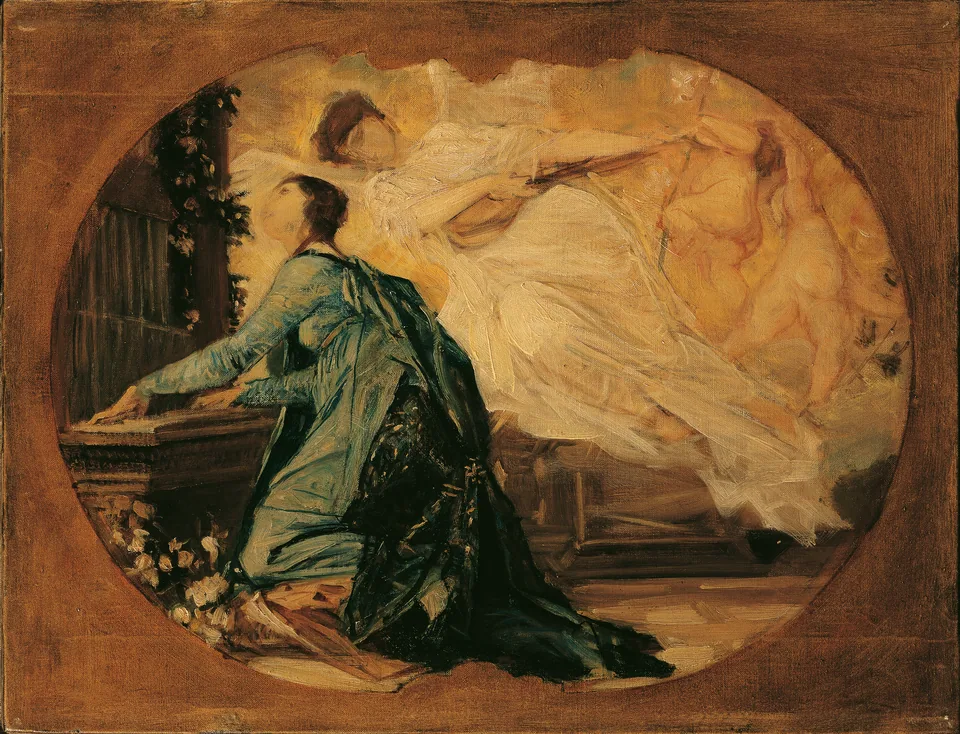
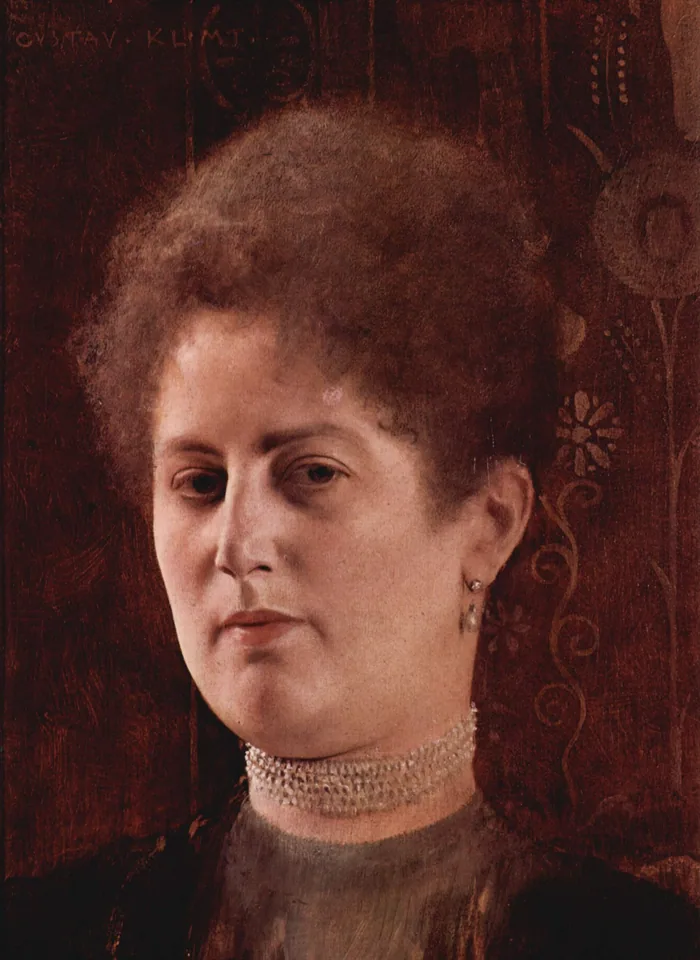
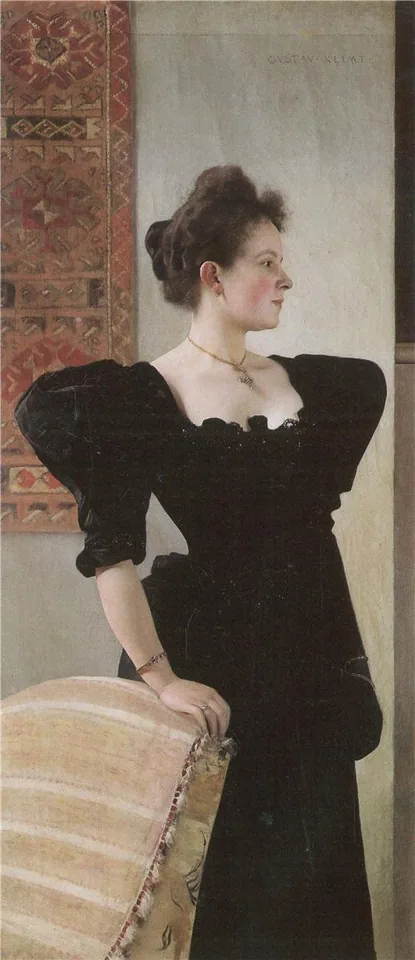
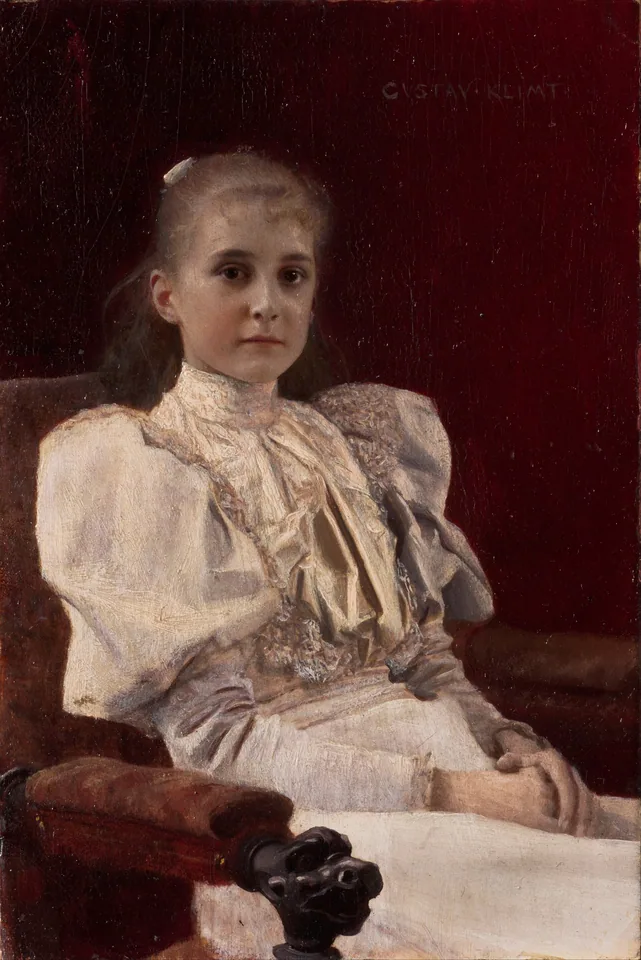
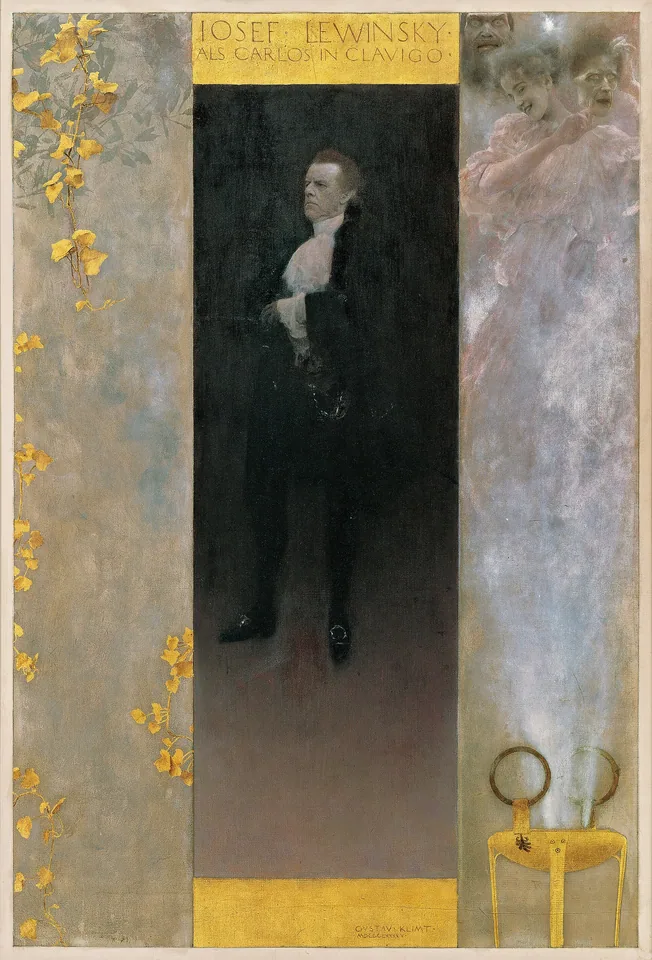
Klimt's early works include academic theatre decorations, ceiling frescoes, and detailed architectural scenes painted before 1897. Created with the Künstler-Compagnie, these historicist works showcase his precise realistic technique before the founding of the Vienna Secession.
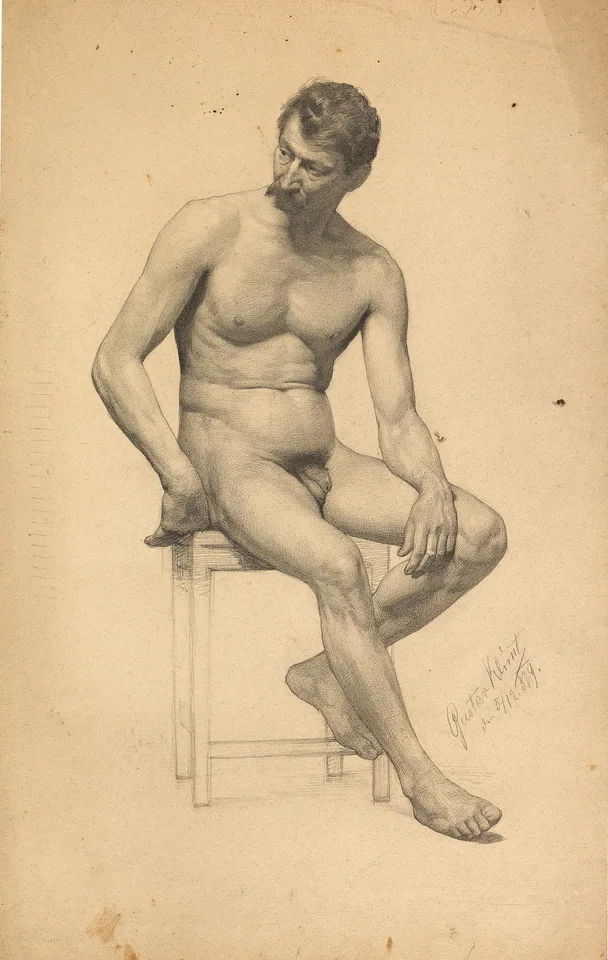
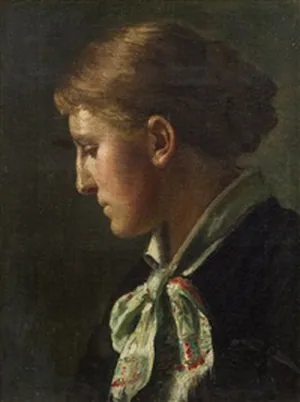
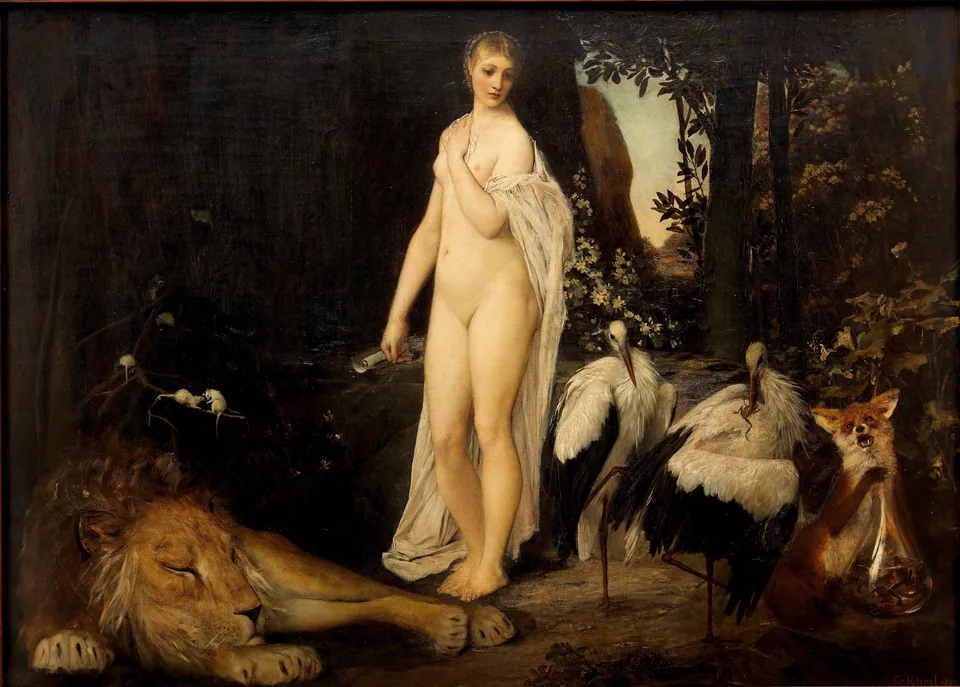
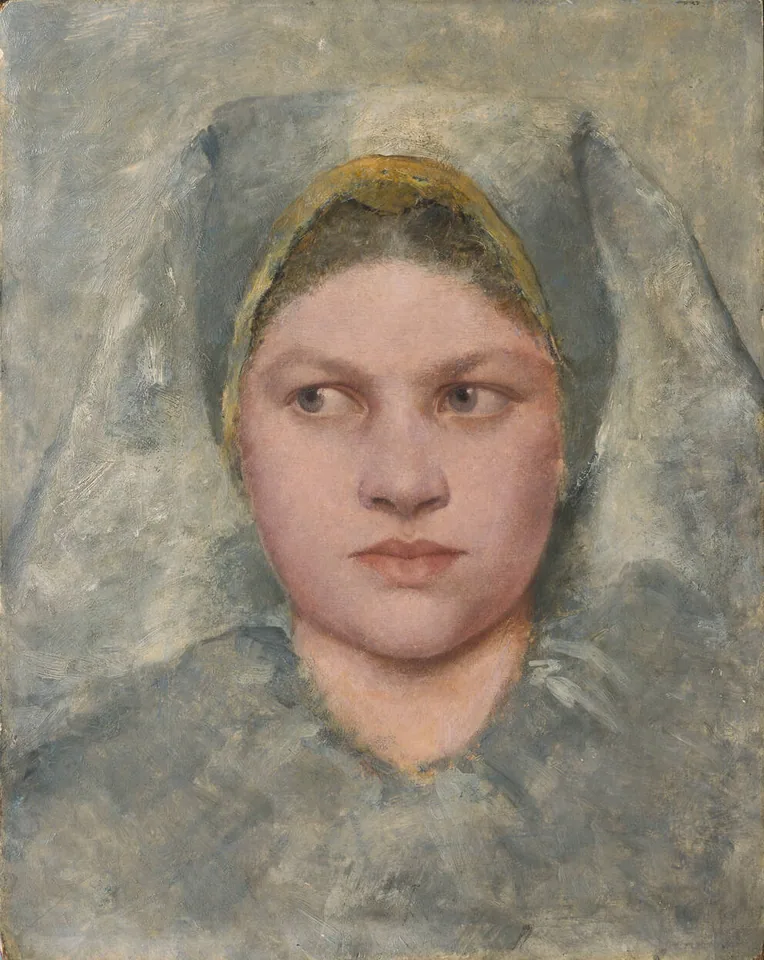
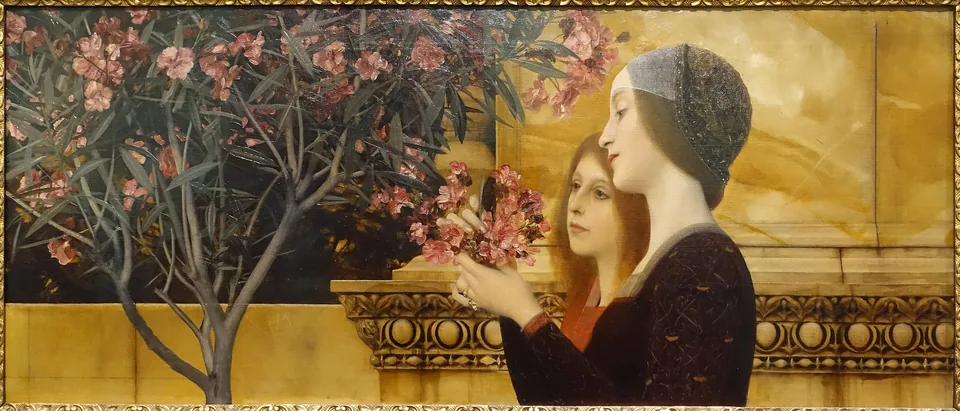
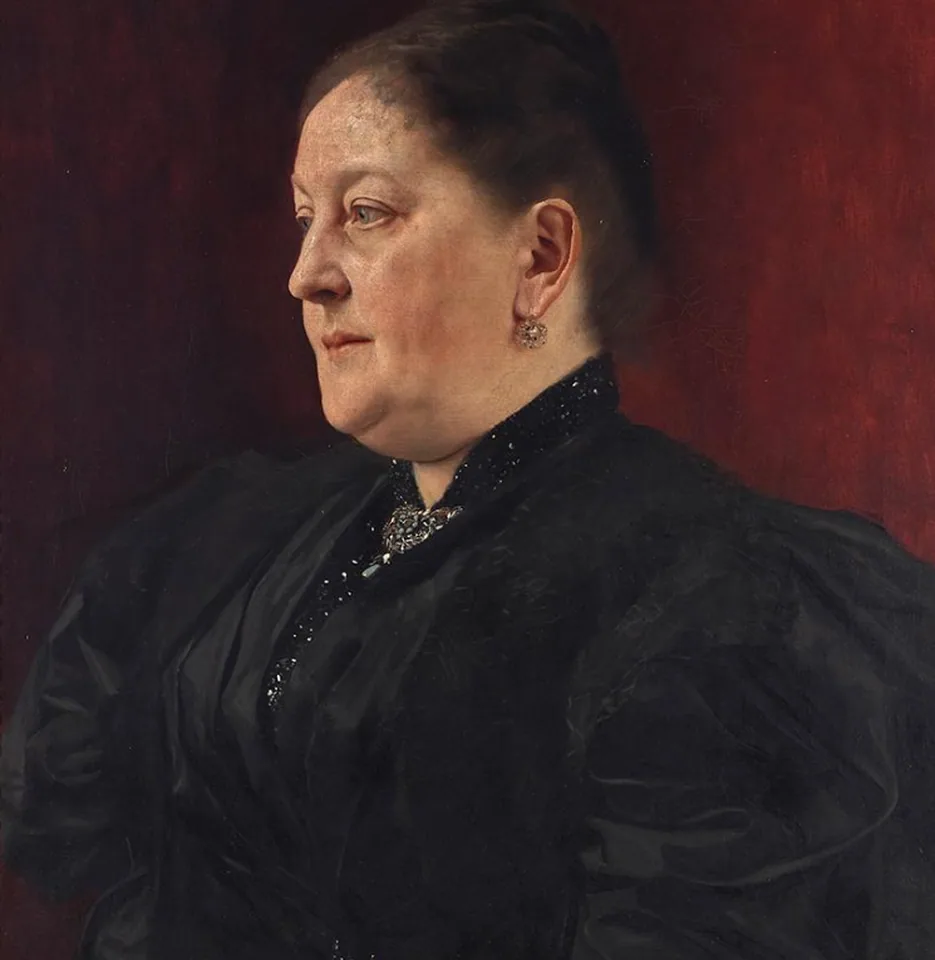
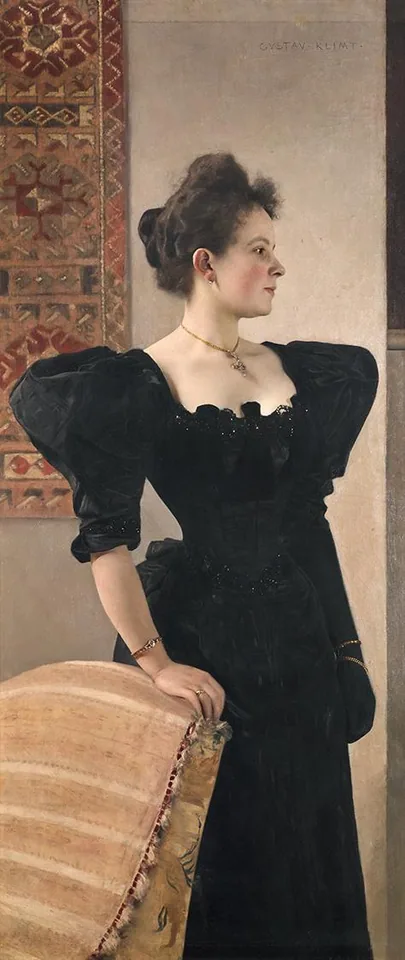
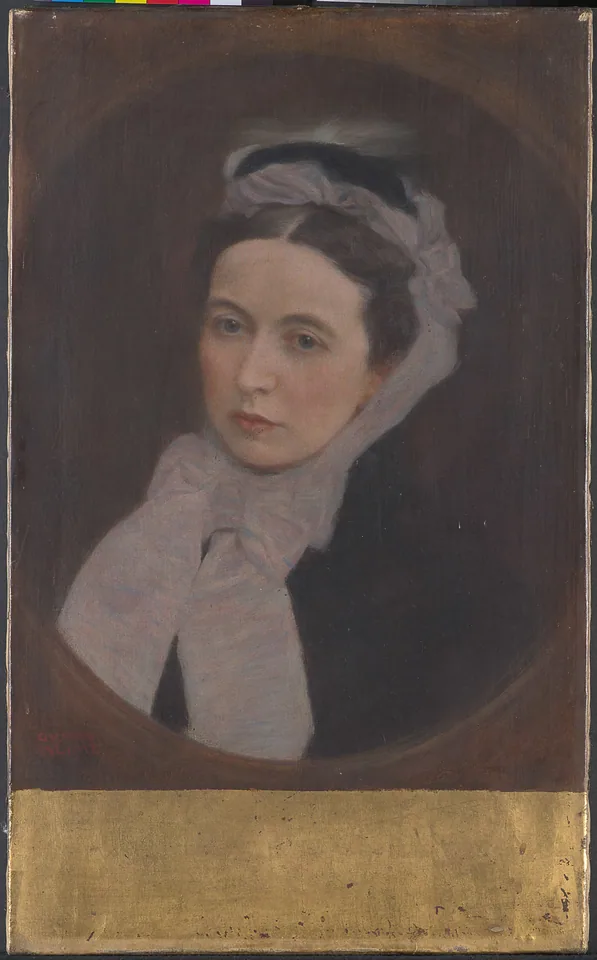
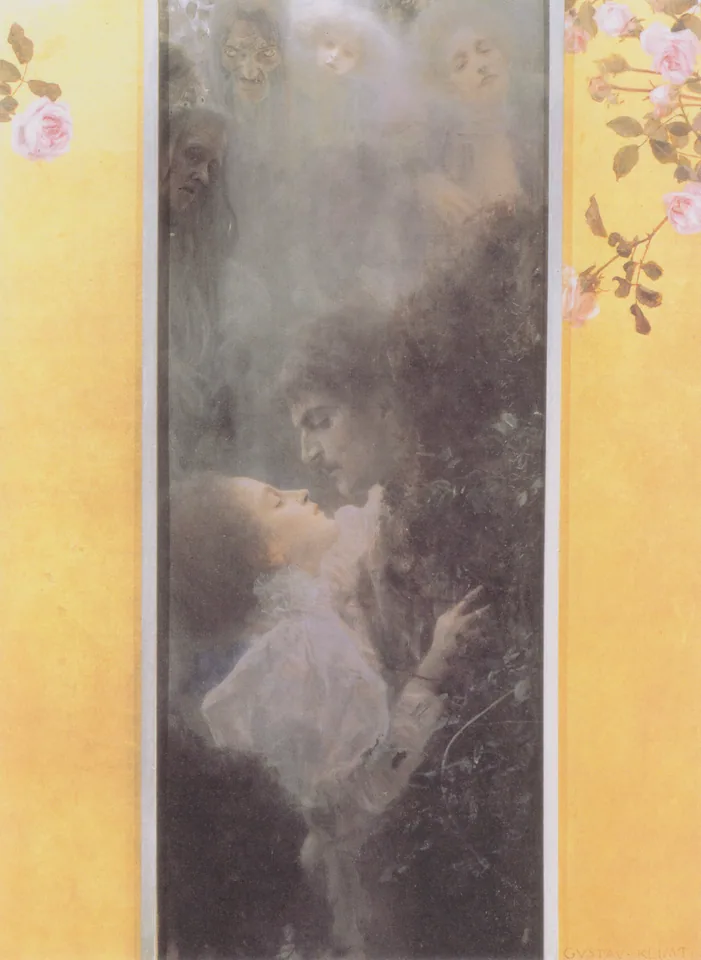
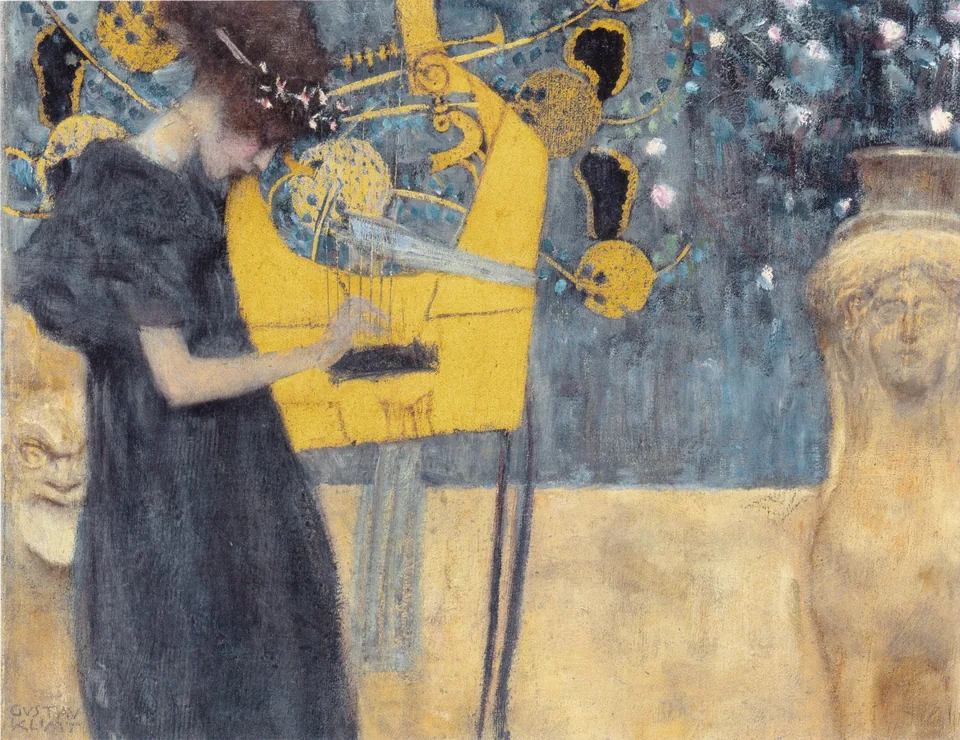
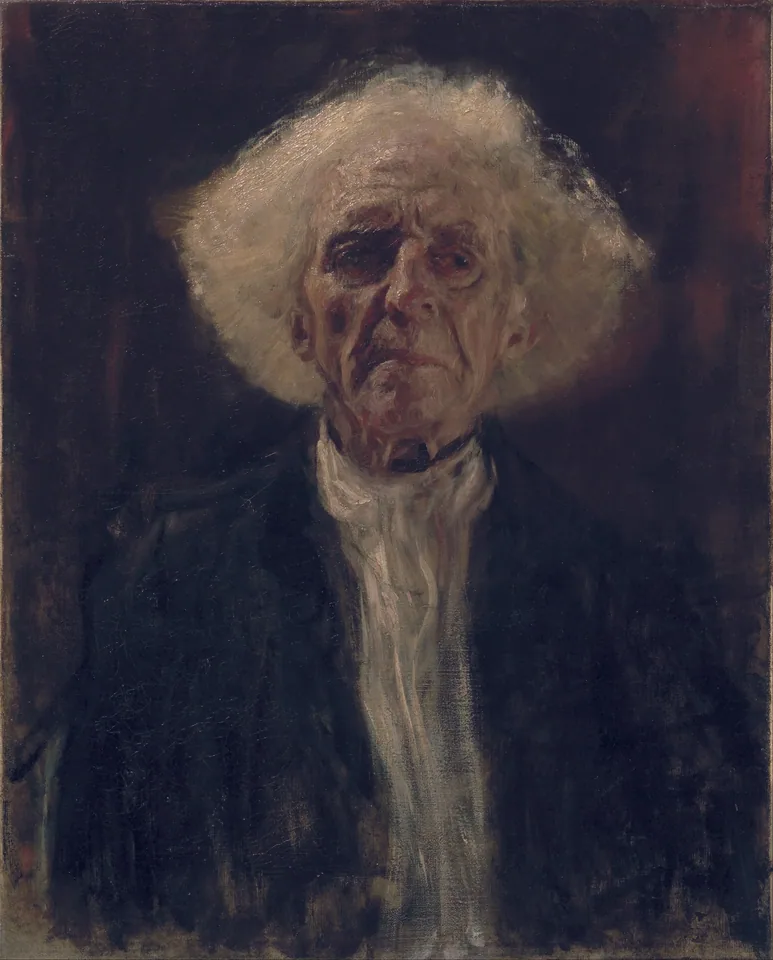
29 works, earliest first. See the complete works
About Klimt’s early works
Gustav Klimt’s early works consist of realistic murals, theatre ceilings, and detailed portraits painted in the historicist style of late nineteenth-century Vienna. Before launching the modern directions covered in our guide to Gustav Klimt life and work, he trained at the Vienna Kunstgewerbeschule under Ferdinand Laufberger and assisted on projects like Hans Makart’s 1879 Makart-Festzug.
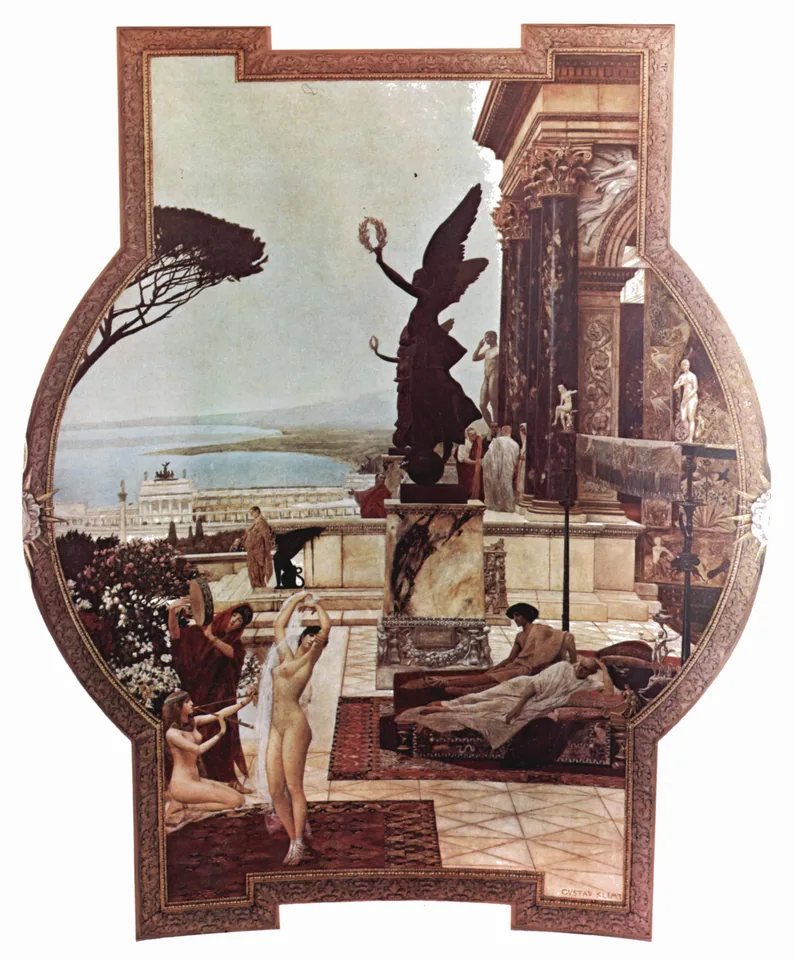
In 1881, Gustav Klimt, his brother Ernst Klimt, and Franz Matsch formed the Künstler-Compagnie. Working from studios in Sandwirtgasse and later Josefstädter Straße, the team painted stage curtains and ceilings for municipal theatres in Reichenberg, Karlsbad, and Fiume, as well as the Vienna Hermesvilla.
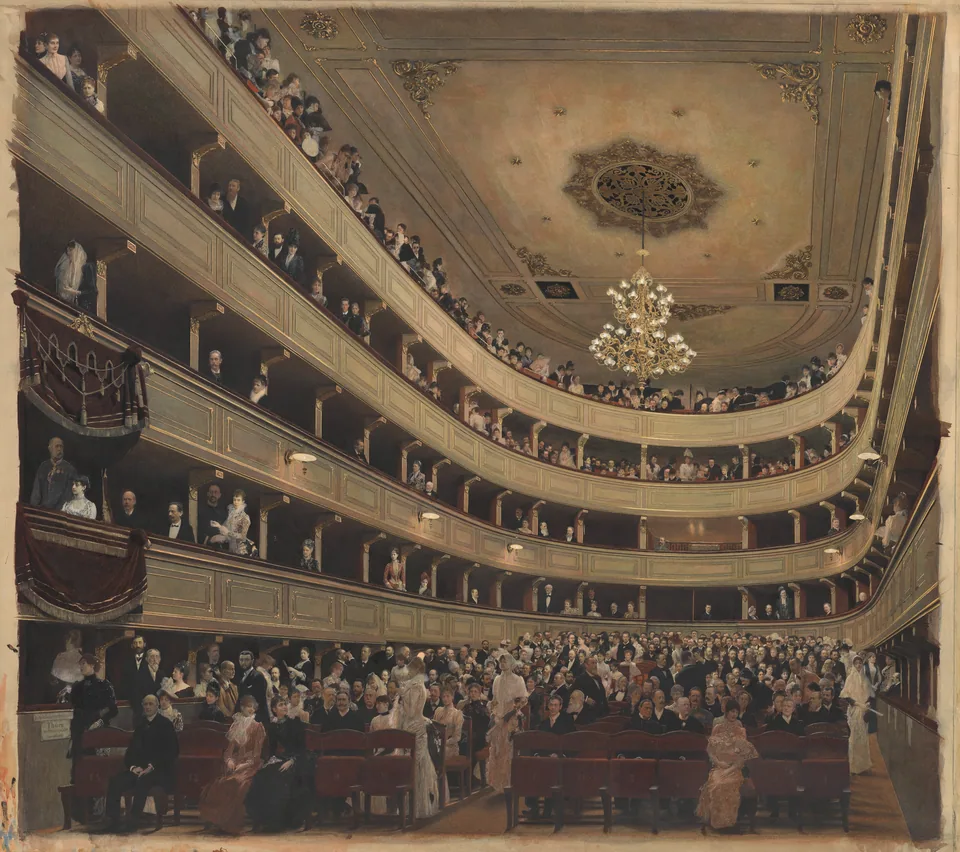
Between 1886 and 1888, the company painted ceiling frescoes for the grand staircases of Vienna’s new Burgtheater. Soon after, the Vienna City Council commissioned Klimt to paint the Auditorium of the Old Burgtheater (1888–1889) before its demolition. Looking out from the stage in gouache on paper, Klimt included nearly 200 miniature portraits of Viennese society figures, including Johannes Brahms and Katharina Schratt, earning the Emperor’s Prize in 1890.
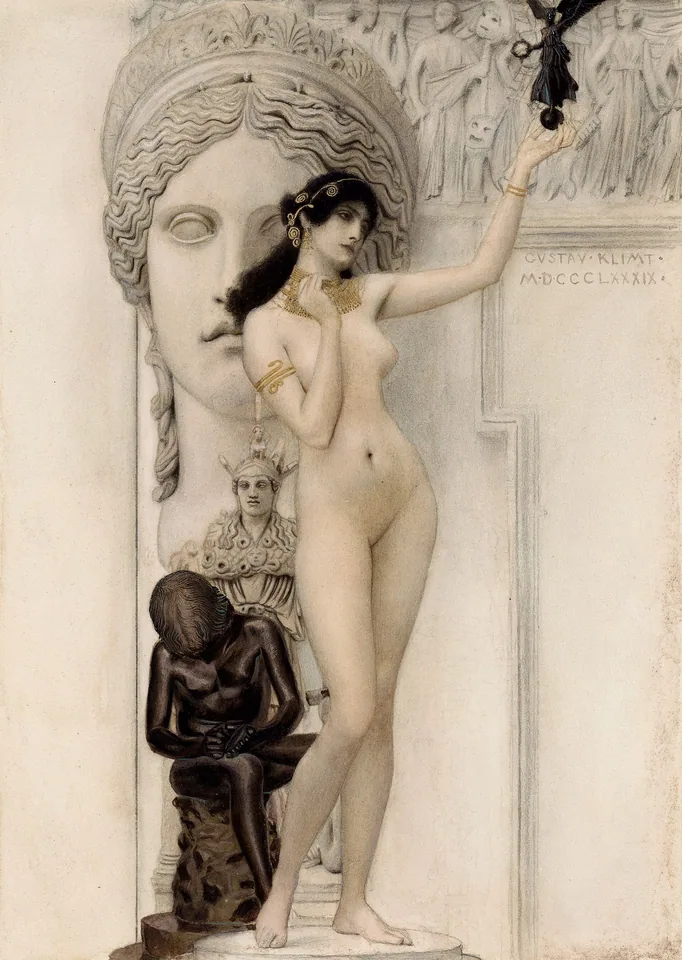
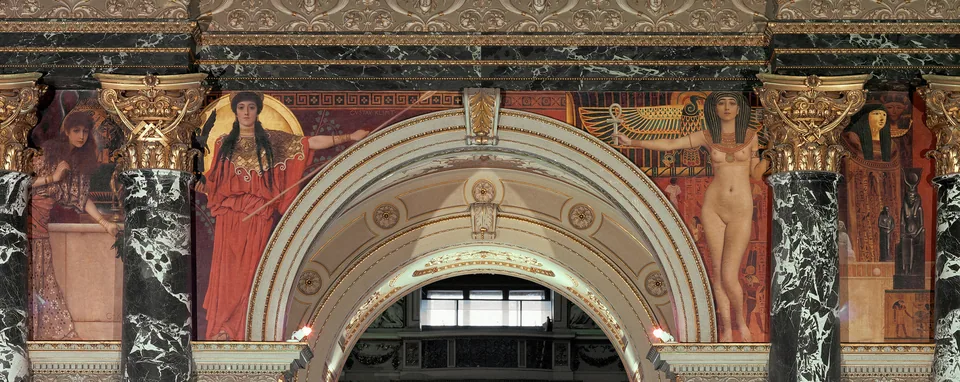
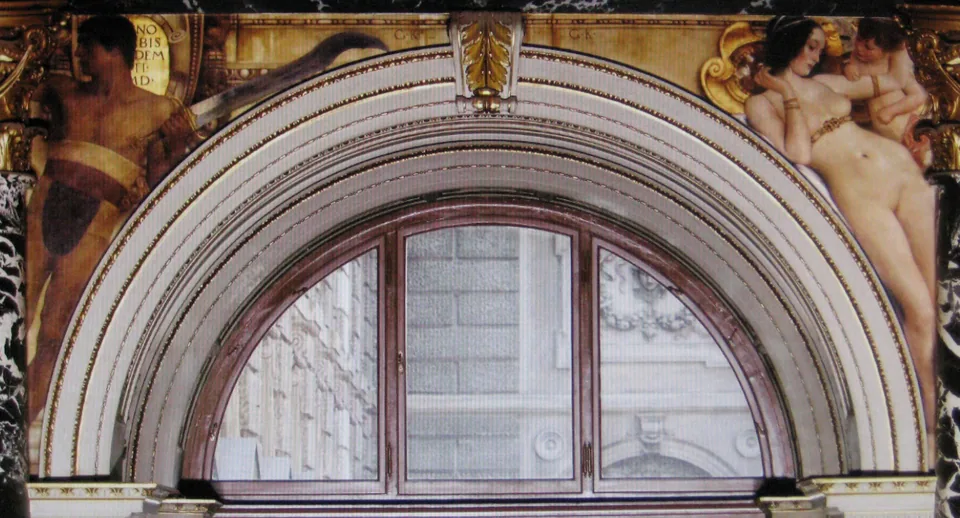
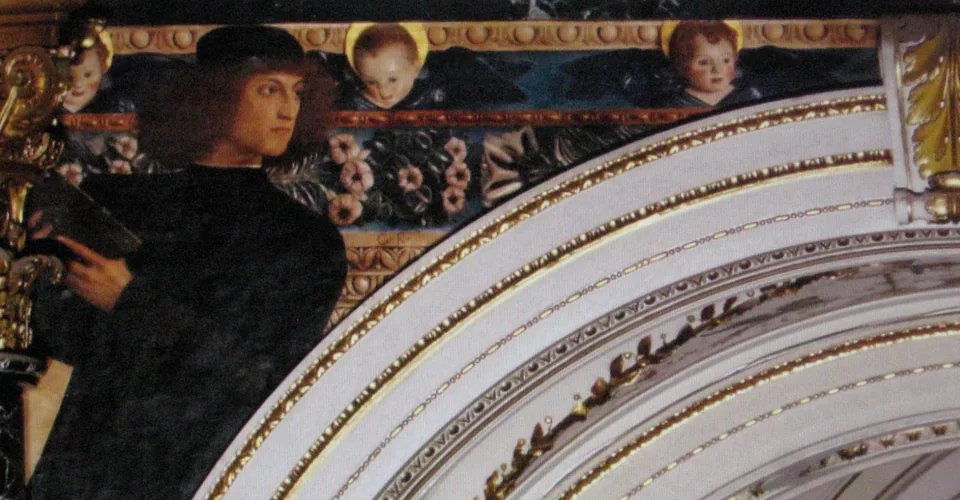
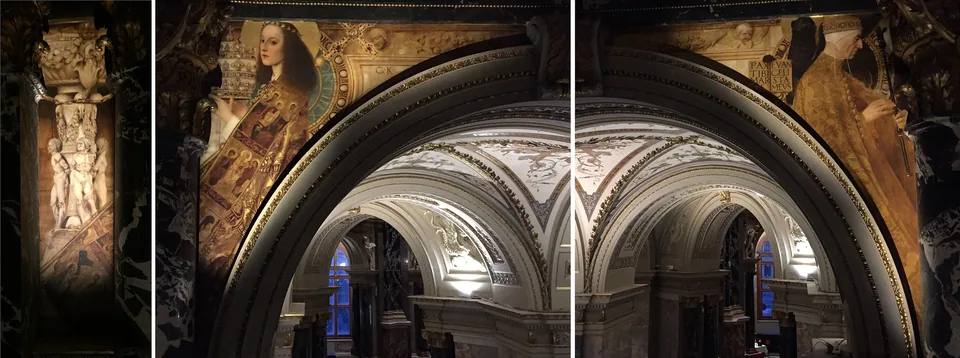
In 1890, the team received a commission to finish the staircase paintings at the Kunsthistorisches Museum following Hans Makart’s death. Following Albert Ilg’s decorative scheme, Klimt produced canvases affixed directly to the walls, including depictions of Ancient Greece, Ancient Egypt, and the Italian Quattrocento. Art historians view these murals as a clear marker of his transition from historicist painting toward the Jugendstil style.
Personal tragedy altered Klimt’s path in 1892, when both his father and his brother Ernst died. Gustav Klimt finished his brother’s incomplete paintings and supported his family, but the Künstler-Compagnie dissolved. That shift closed his academic phase and opened the path to the Vienna Secession and his later golden phase.
Choosing an early-work print
Klimt’s early paintings emphasize draughtsmanship, natural skin tones, and deep shadows rather than decorative gold leaf. Pieces such as Auditorium of the Old Burgtheater offer intricate crowd compositions, while the museum murals feature allegorical classical figures.
Your print is printed and shipped by ArtsyWall in three formats: Premium Canvas, Framed Canvas, and Archival Paper. Archival Paper is well matched to the sharp line work of Klimt’s gouache auditorium scene, allowing you to examine individual faces in the audience. Premium Canvas and Framed Canvas give the scale and warmth of stretched fabric to his monumental theatre and staircase murals.
Questions and answers
What was the Künstler-Compagnie?
The Künstler-Compagnie was an artist collective founded in 1881 by Gustav Klimt, his brother Ernst Klimt, and Franz Matsch. Formed after the death of their teacher Ferdinand Laufberger, the trio shared studios in Vienna and received commissions for decorative paintings. They created theatre curtains, murals, and ceiling frescoes across the Austro-Hungarian Empire until dissolving after Ernst Klimt died in December 1892.
What did Klimt paint in the Burgtheater?
In Vienna's Burgtheater, Gustav Klimt painted ceiling frescoes alongside the Künstler-Compagnie between 1886 and 1888 for the building's staircases. In 1888, the Vienna City Council also commissioned him to paint the auditorium of the original theatre building before its demolition. Completed in gouache in 1889, that interior view captured over one hundred recognizable Viennese citizens sitting in the hall.
What did Klimt paint in the Kunsthistorisches Museum?
In the Kunsthistorisches Museum, Gustav Klimt executed decorative staircase paintings between 1890 and 1891. Following a concept designed by Albert Ilg, Klimt painted spandrel and intercolumniation canvases for the north and west walls. His contributions depicted allegorical scenes of Ancient Greece, Ancient Egypt, Old Italian Art, and the Italian Quattrocento, marking an important transitional step in his career toward the Jugendstil aesthetic.
What is Auditorium of the Old Burgtheater?
Auditorium of the Old Burgtheater is an 1888–1889 gouache painting on paper by Gustav Klimt showing the interior of Vienna's old municipal theatre. Klimt depicted the hall from the stage, painting nearly two hundred miniature audience portraits with 133 identifiable public figures, including composer Johannes Brahms. The work earned Klimt the Emperor's Prize in 1890 and is now housed in the Vienna Museum.