Gustav Klimt Paintings: The Complete Works
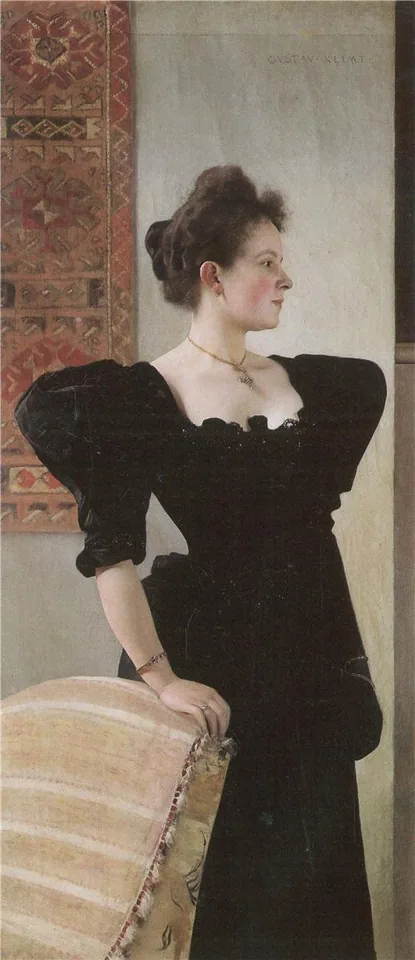
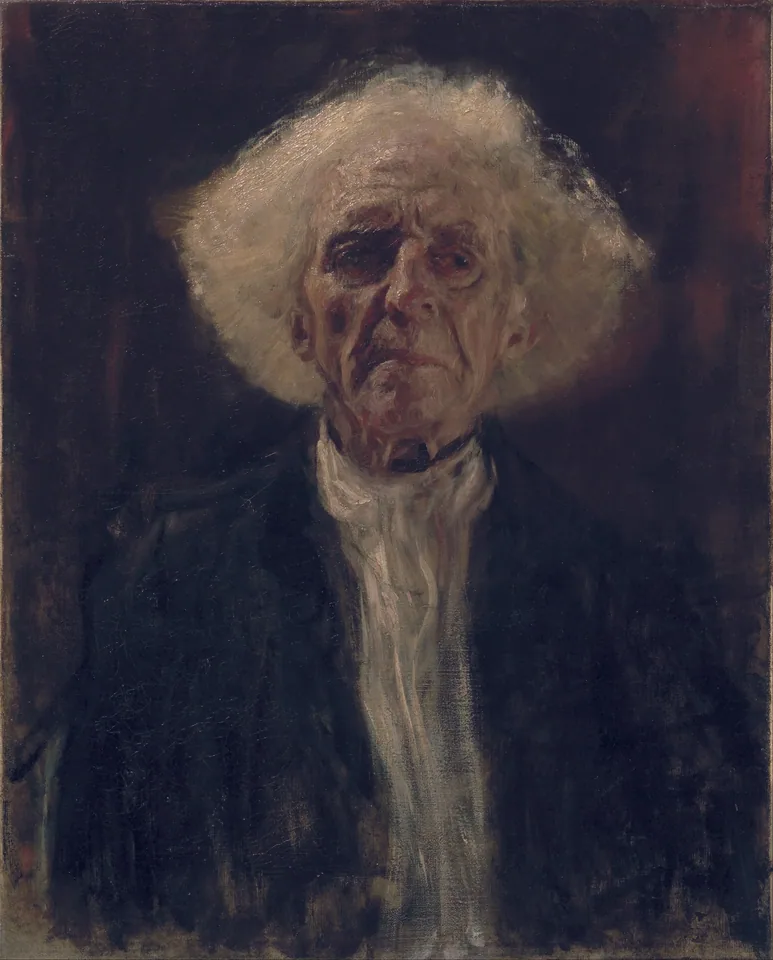
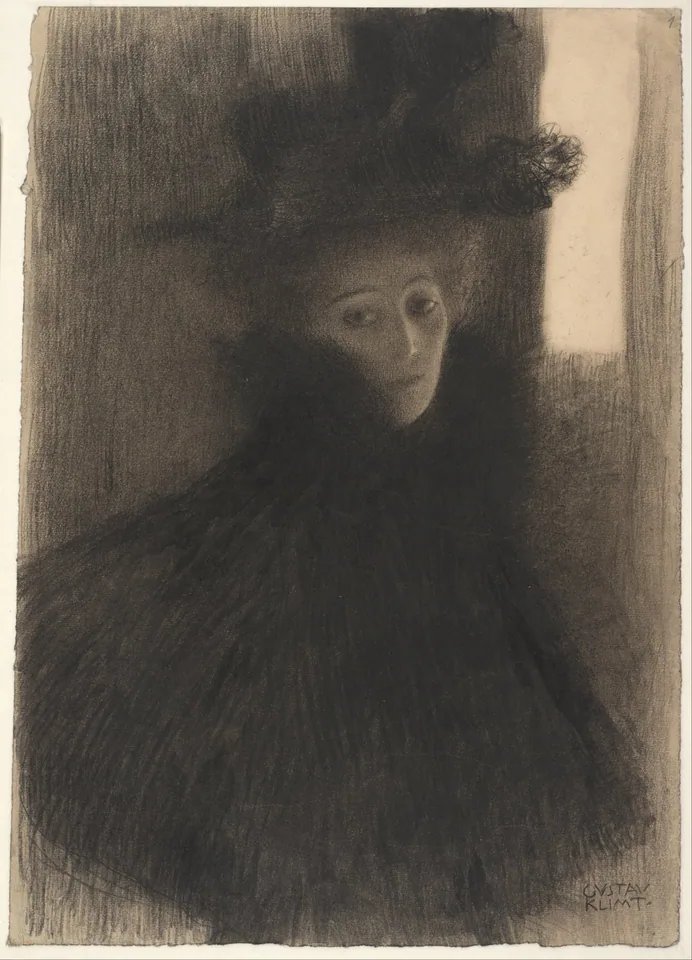
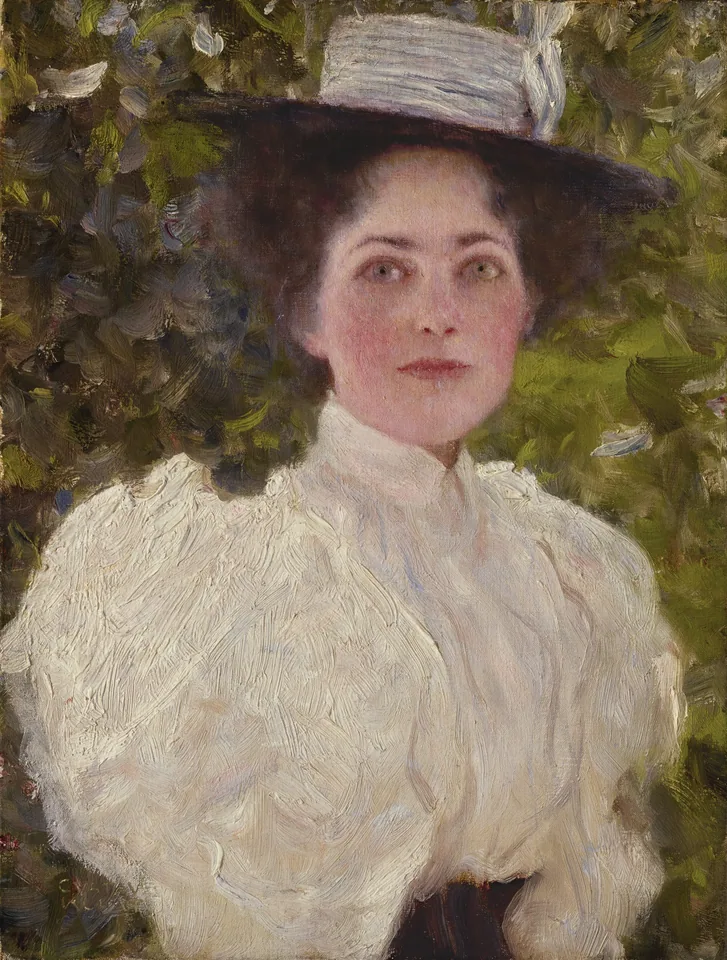
Gustav Klimt paintings range from early academic theater murals to gold leaf portraits and square landscapes. This guide and catalogue tracks his surviving works, his famous Golden Phase pictures, and the major murals destroyed during World War II.
Showing all 175 works
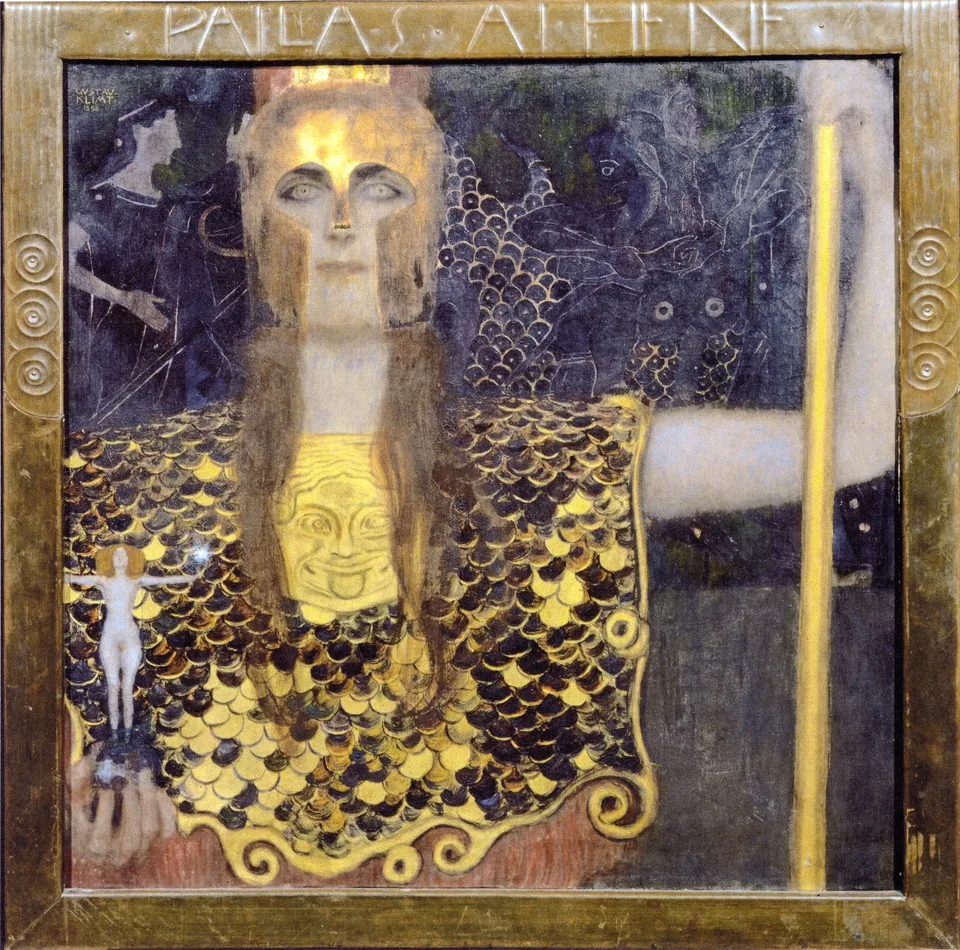
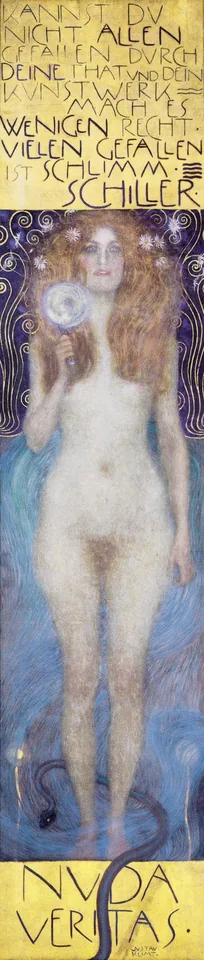
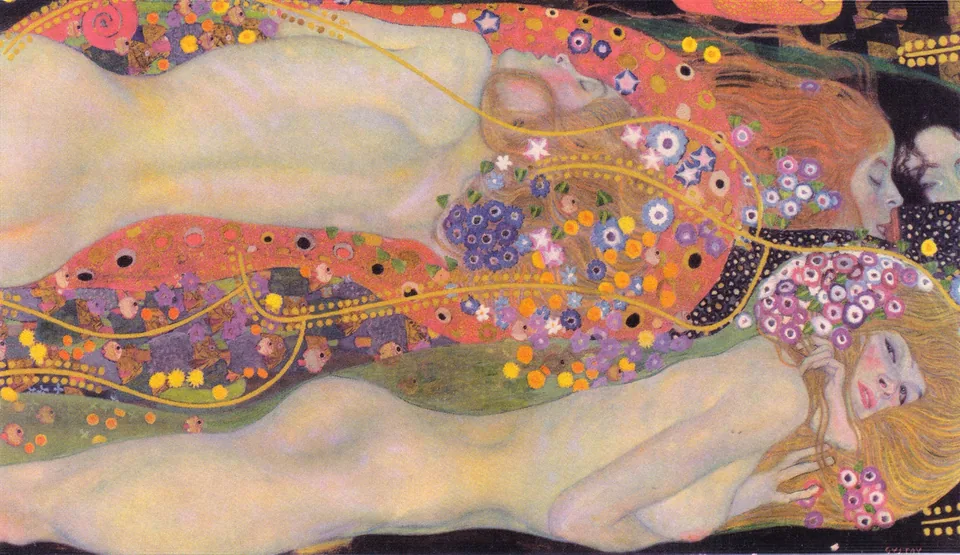
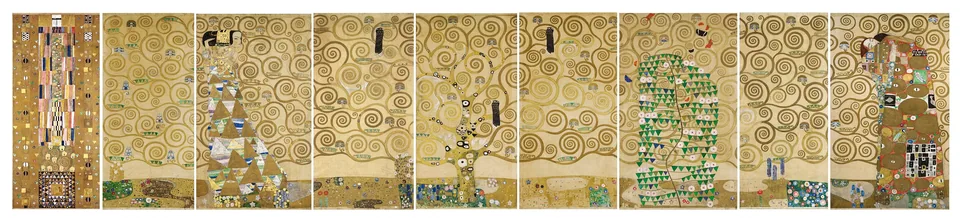
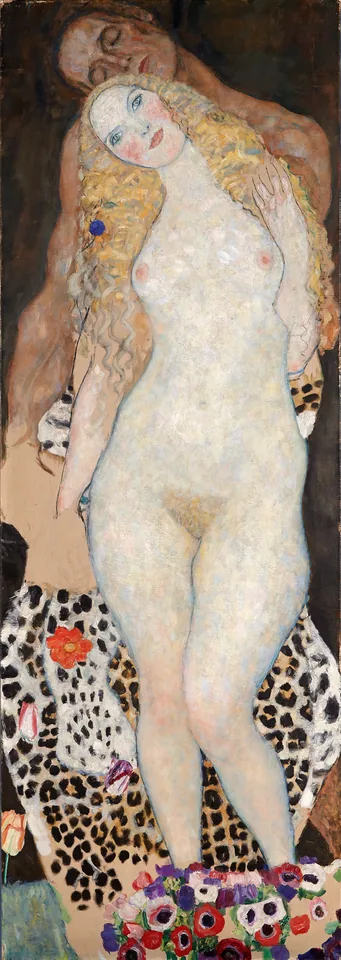
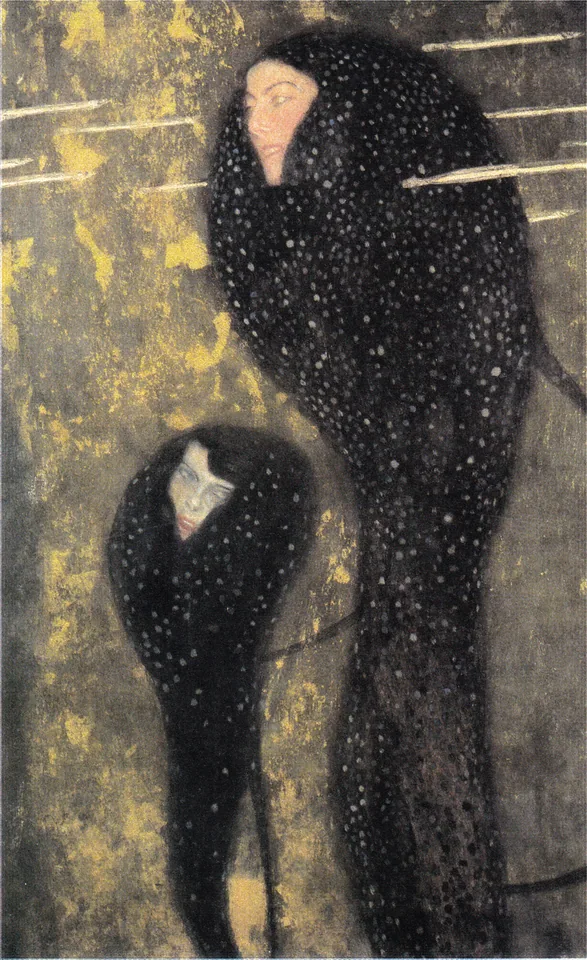
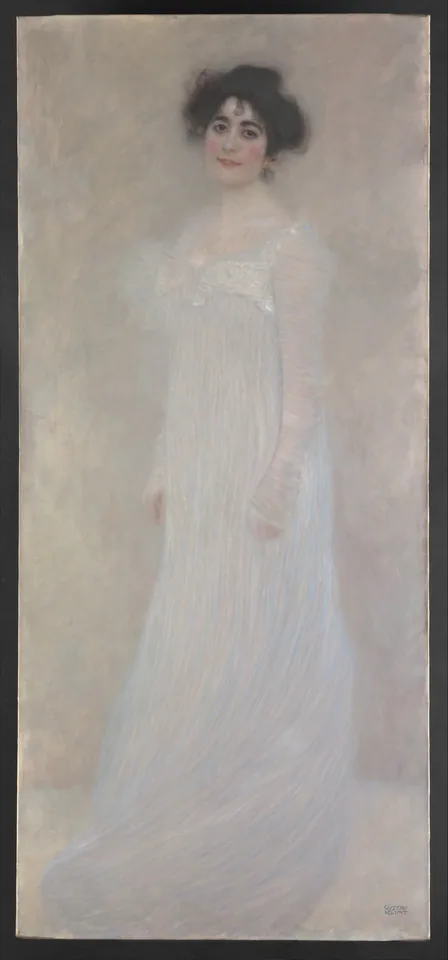
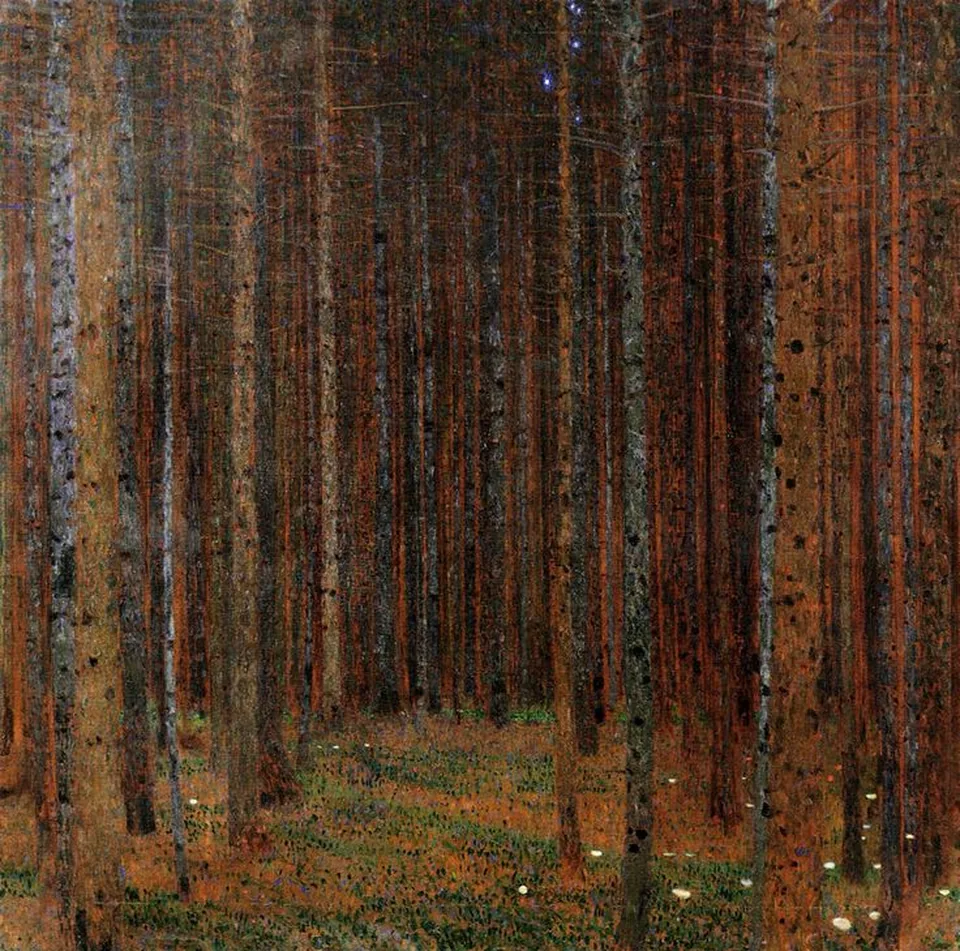
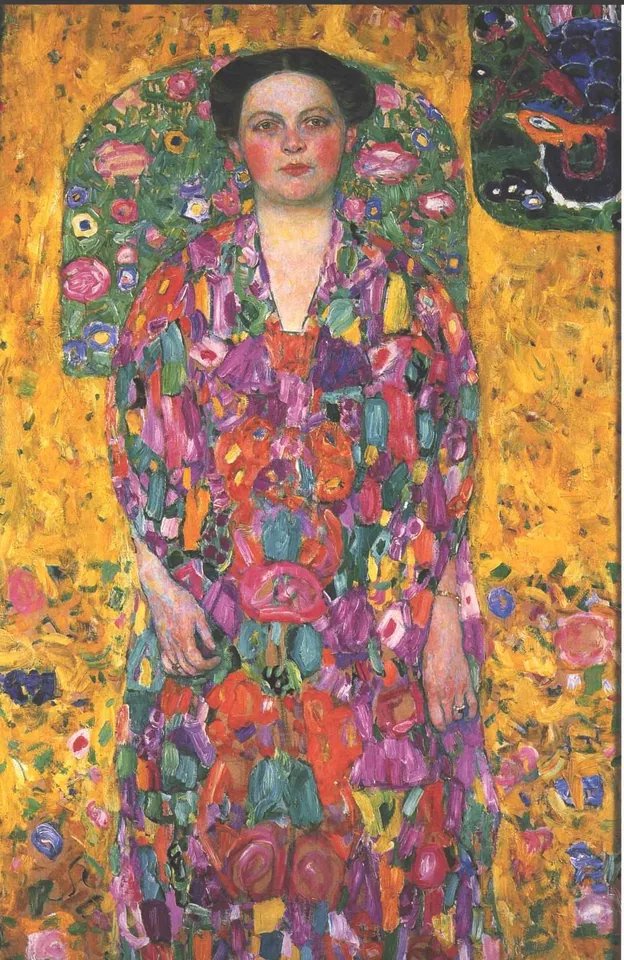
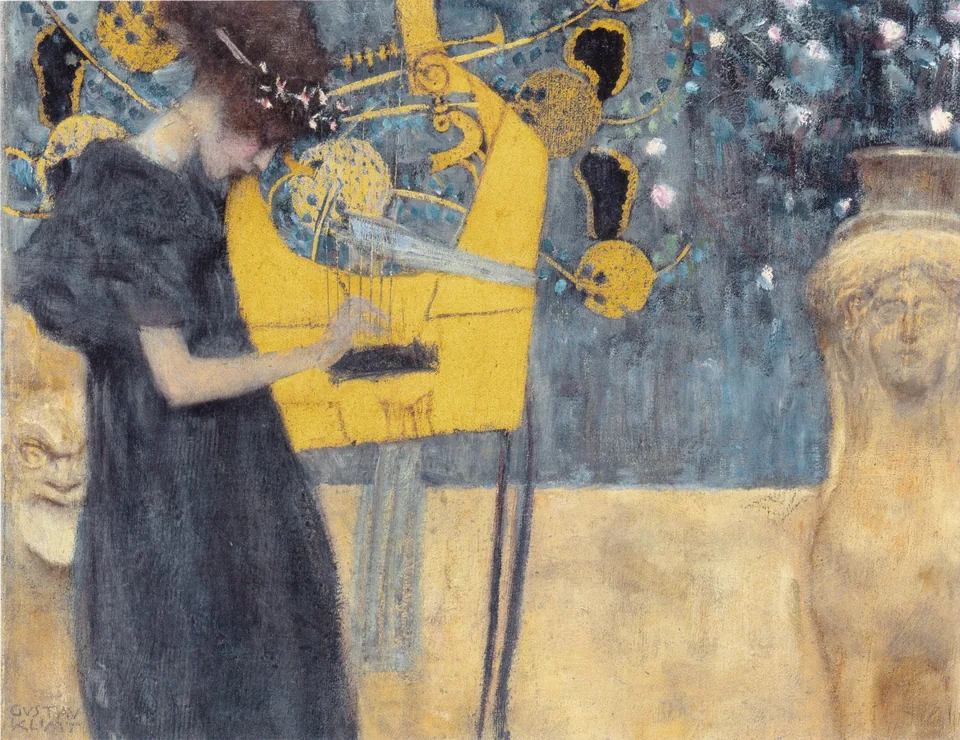
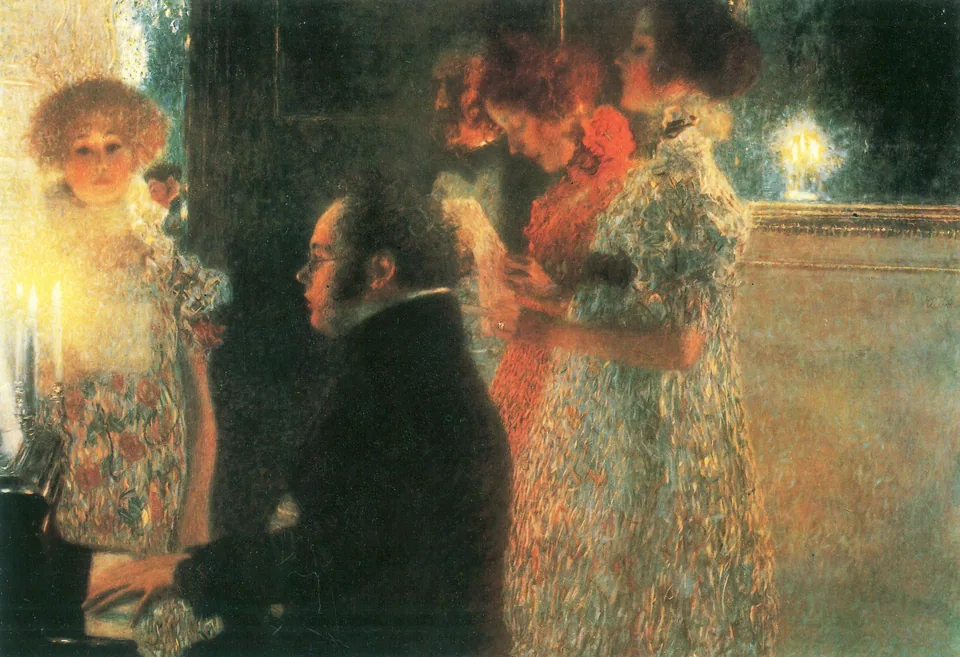
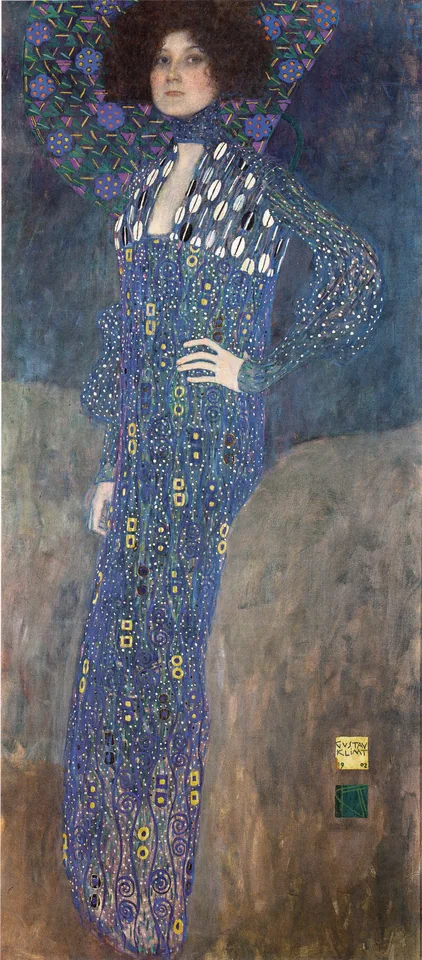
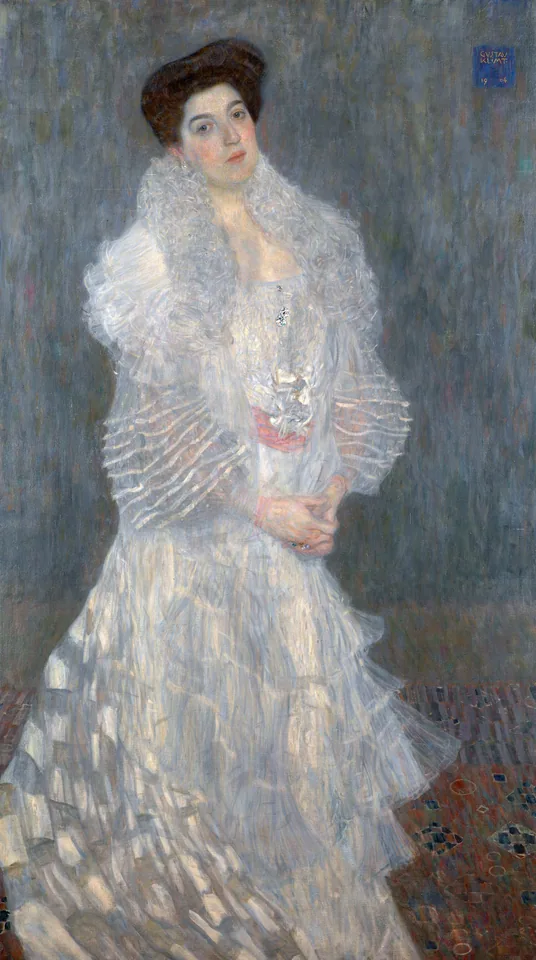
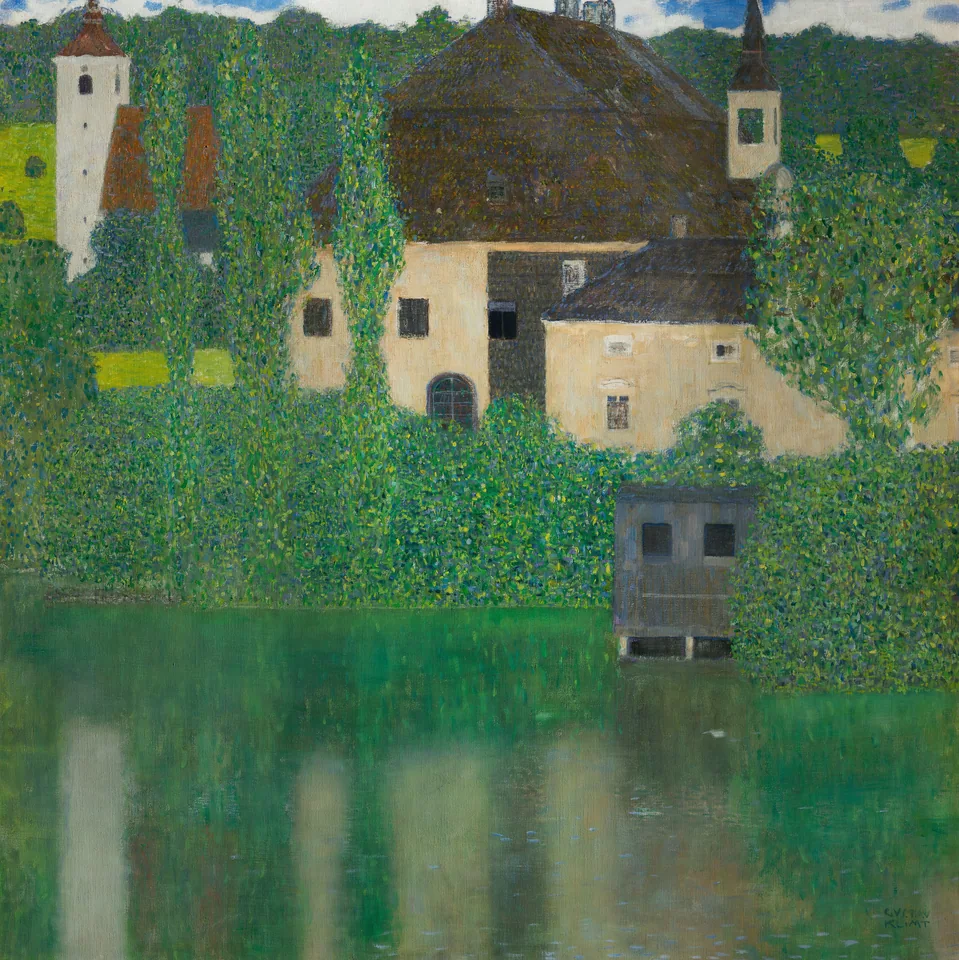
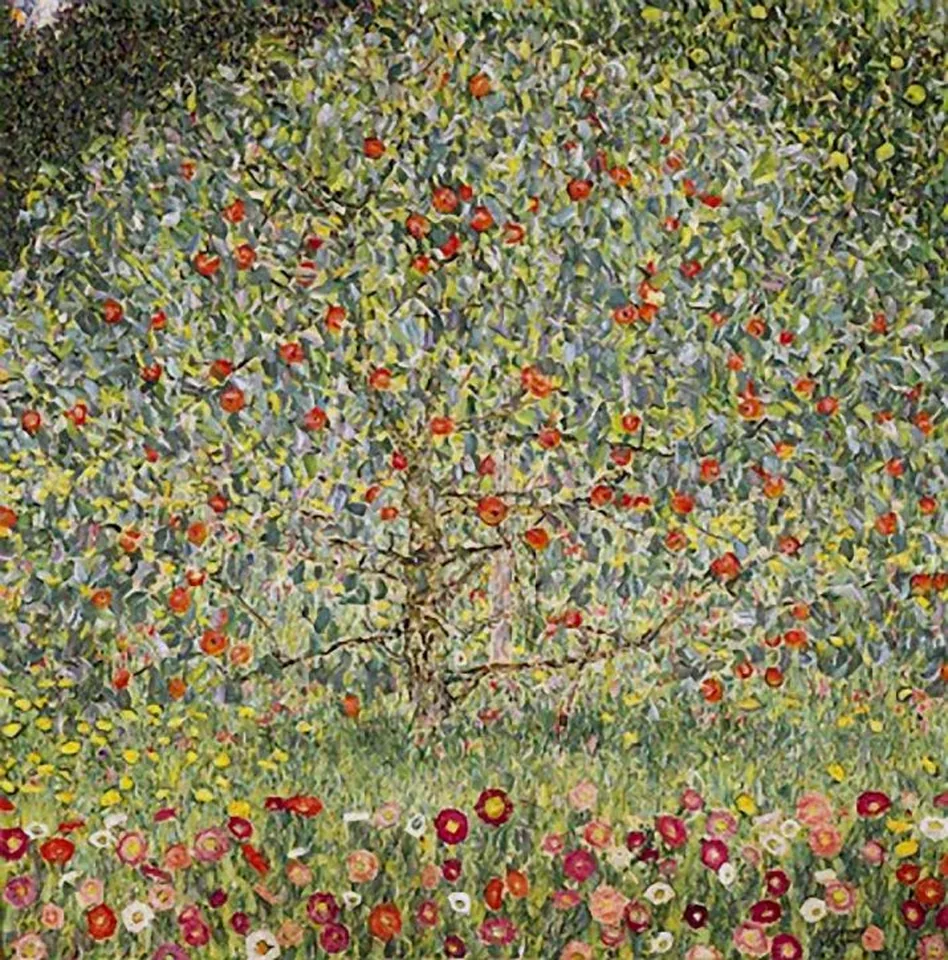
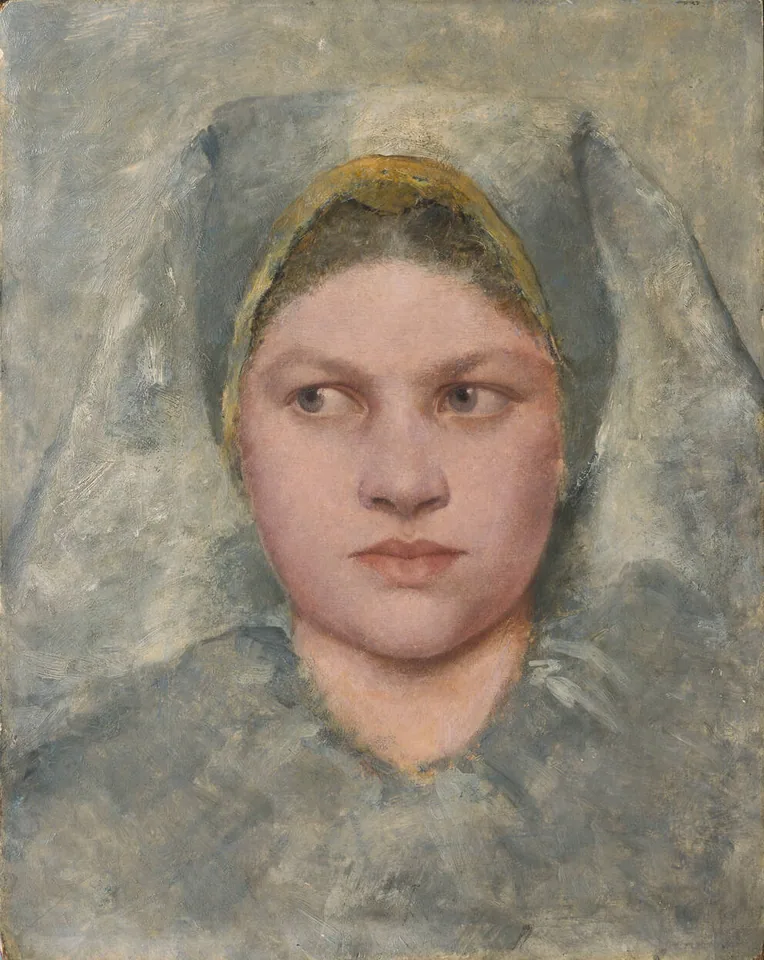
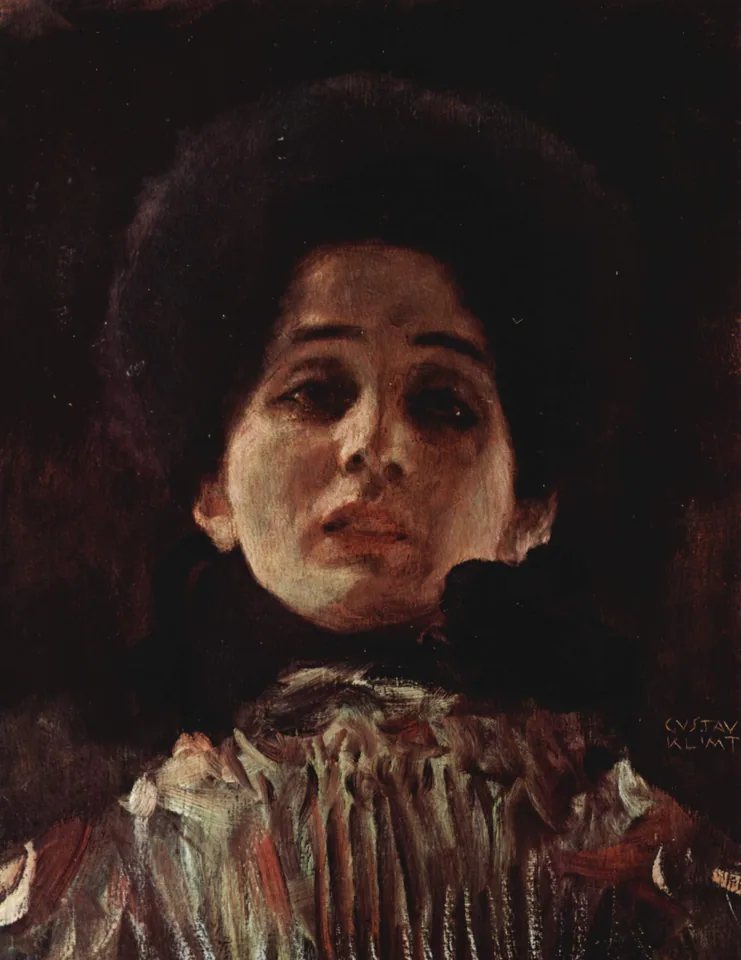
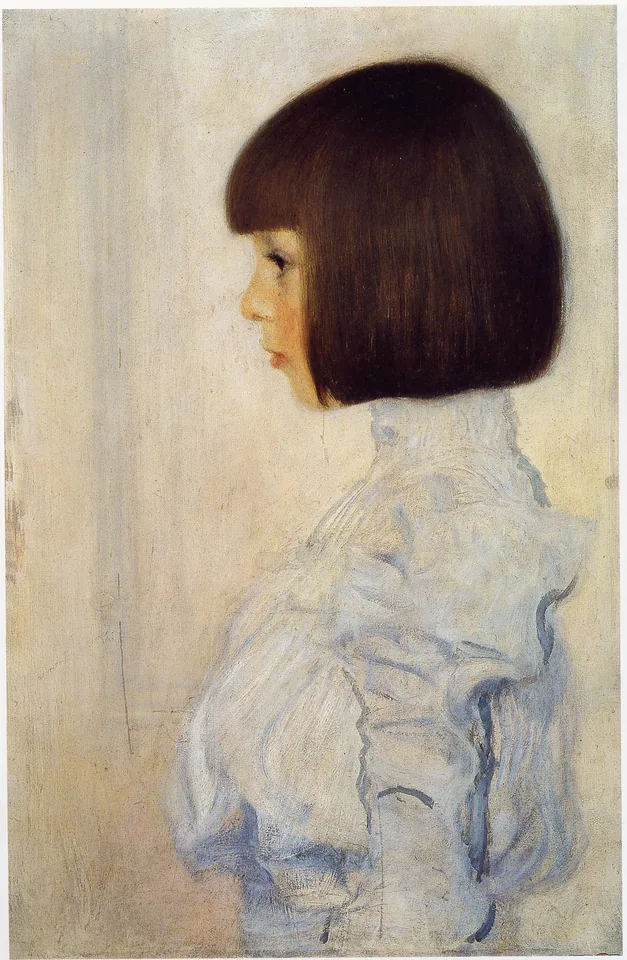
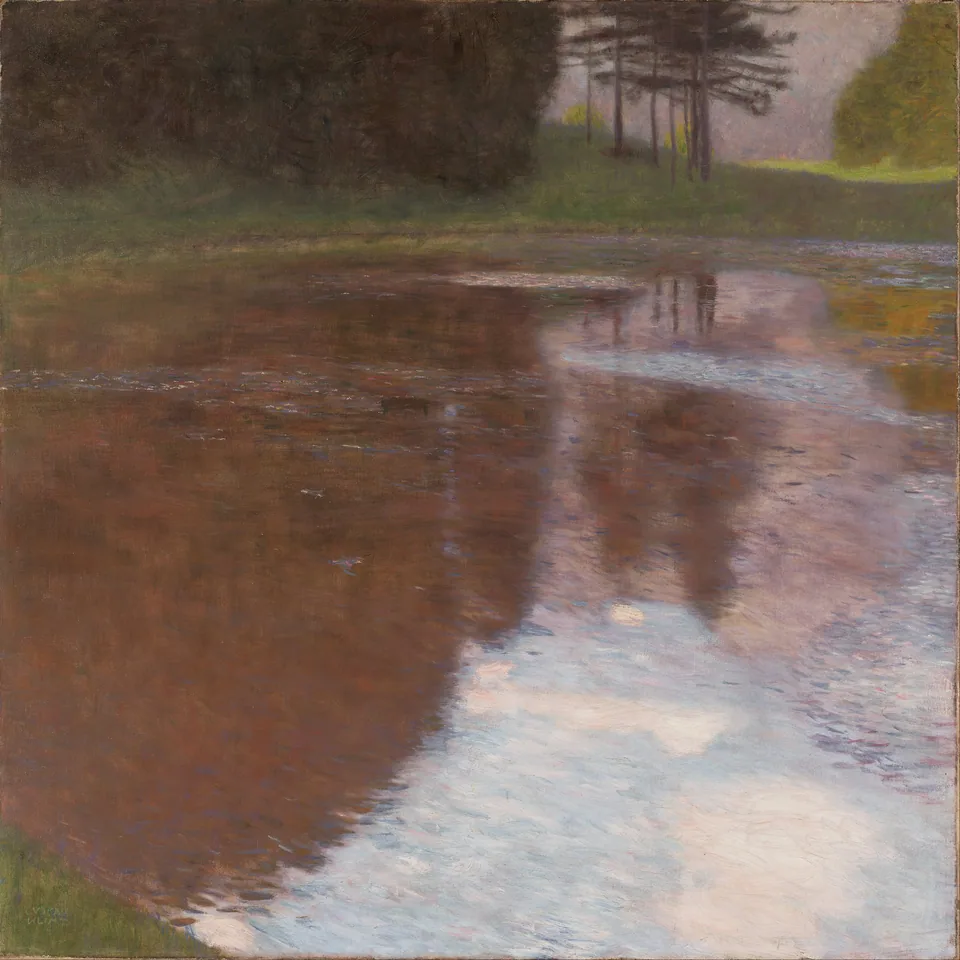
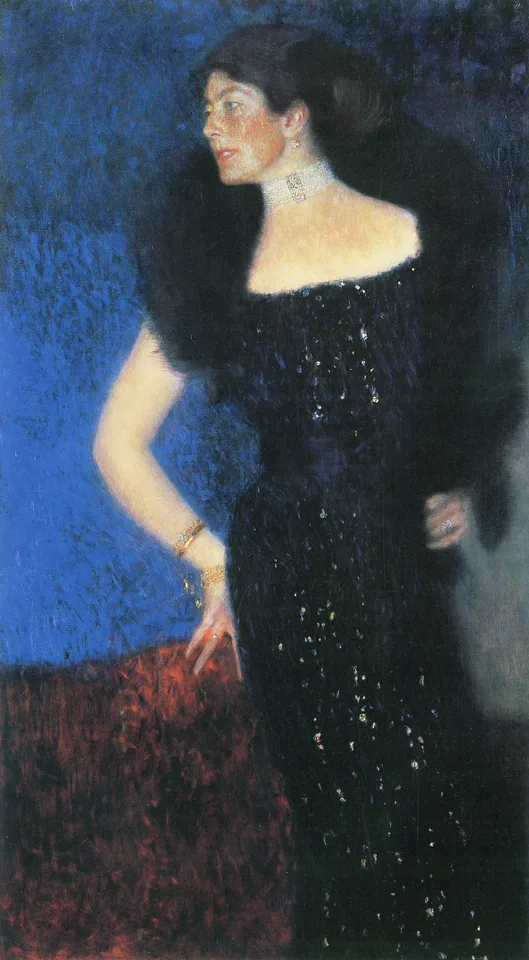
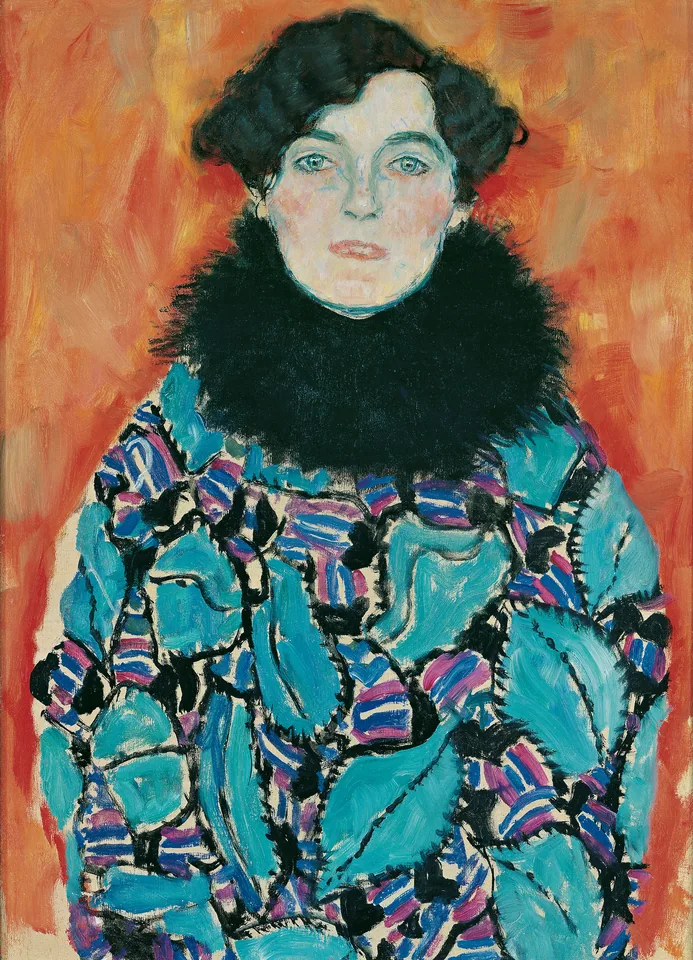
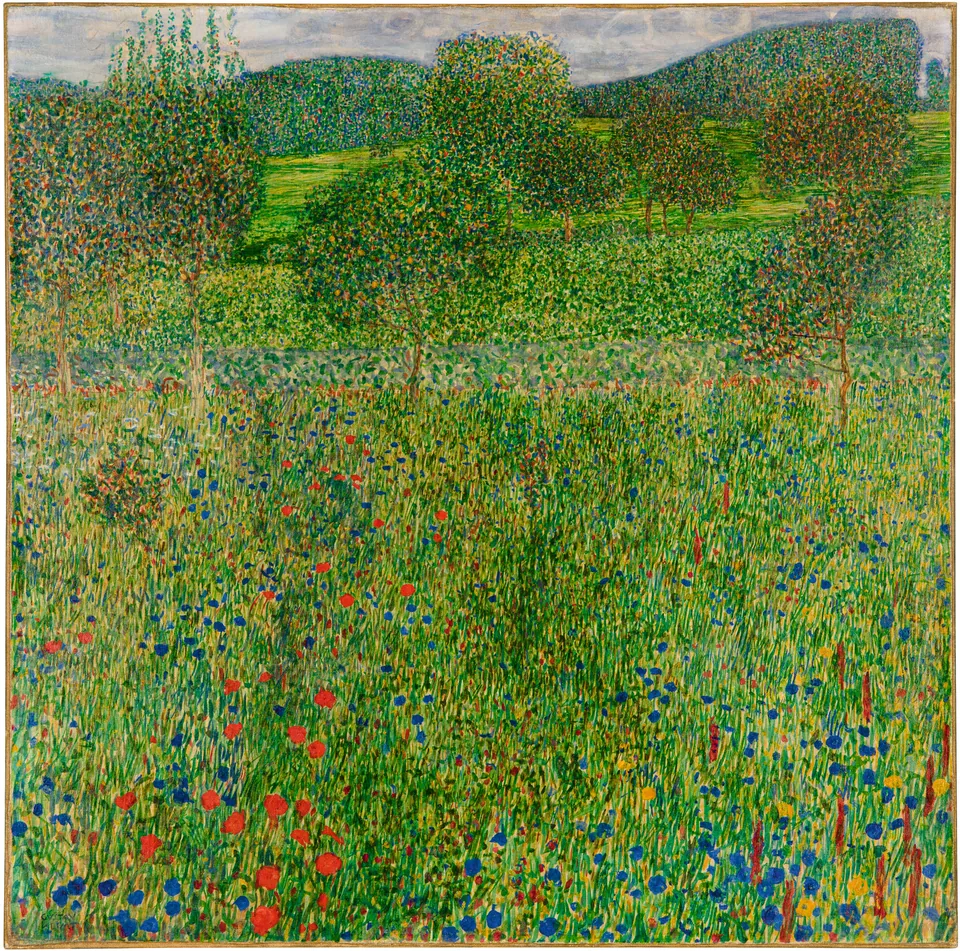
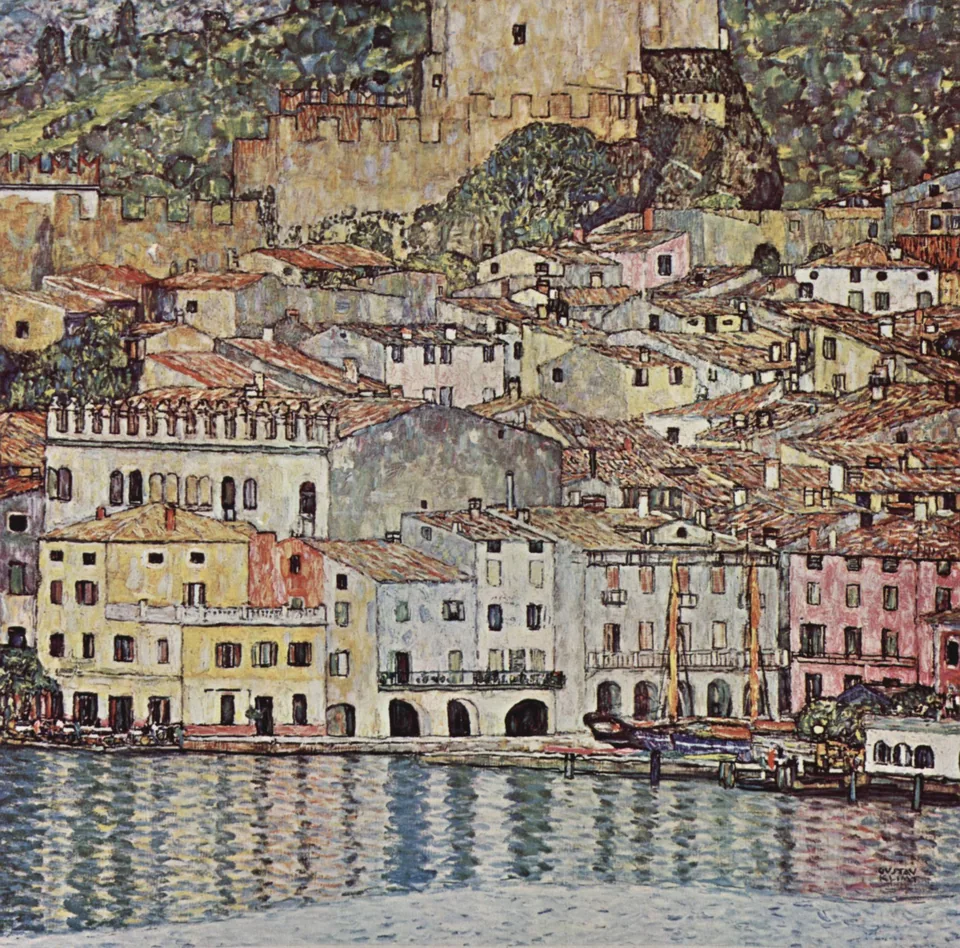
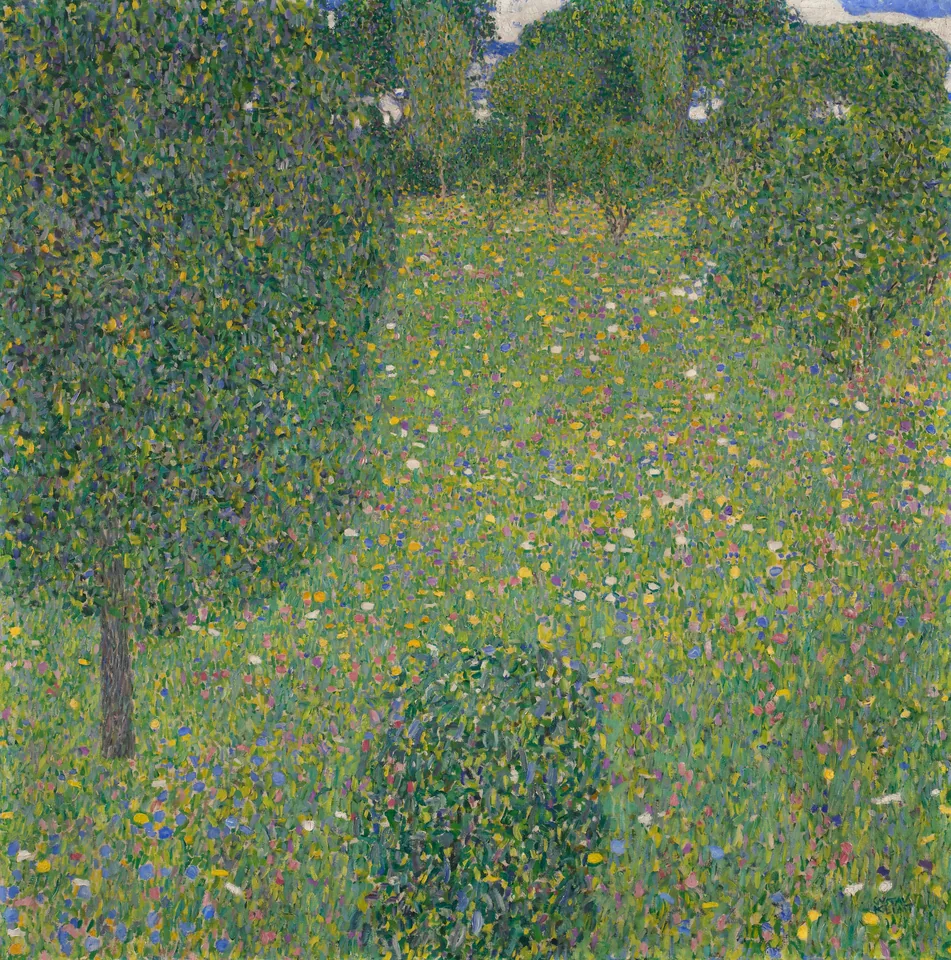
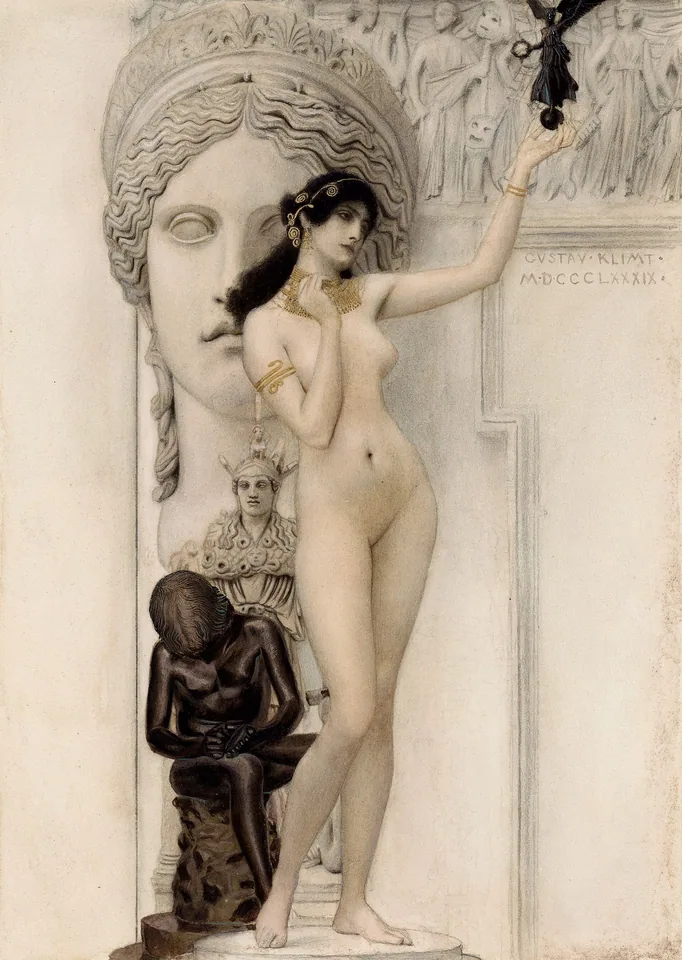
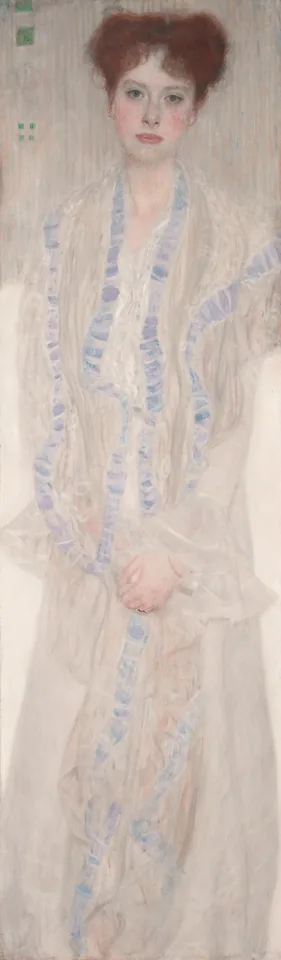
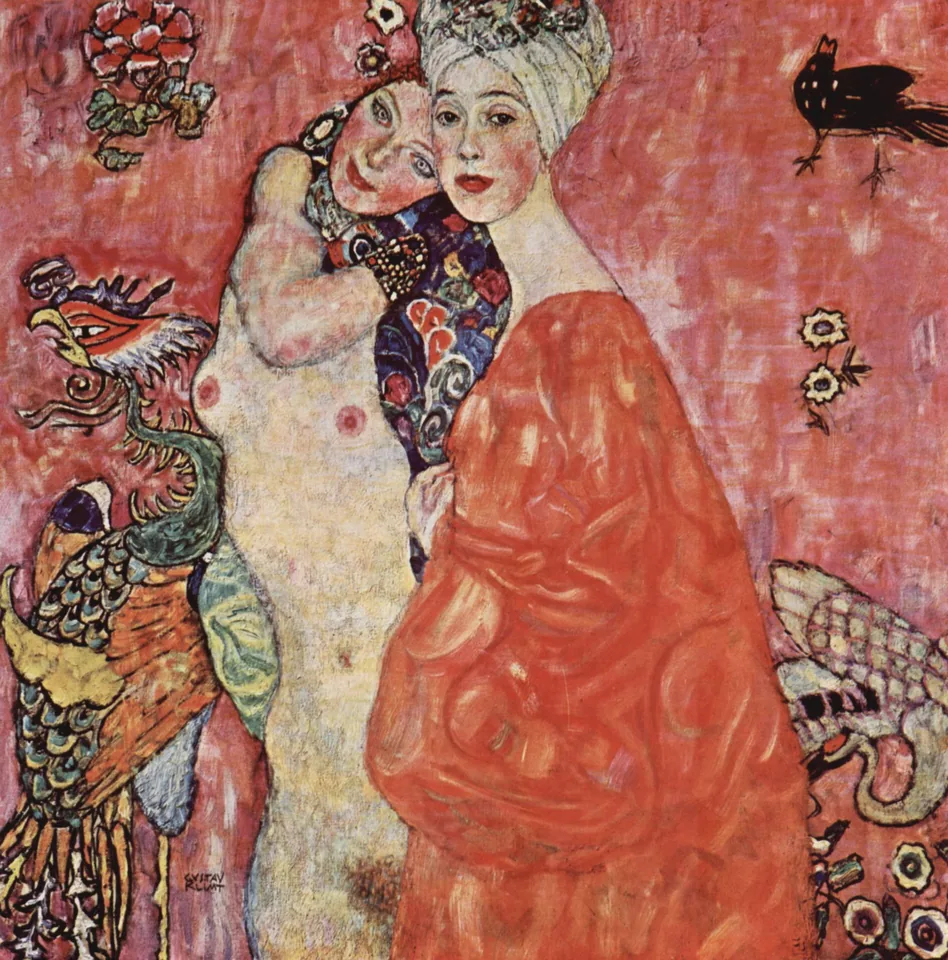
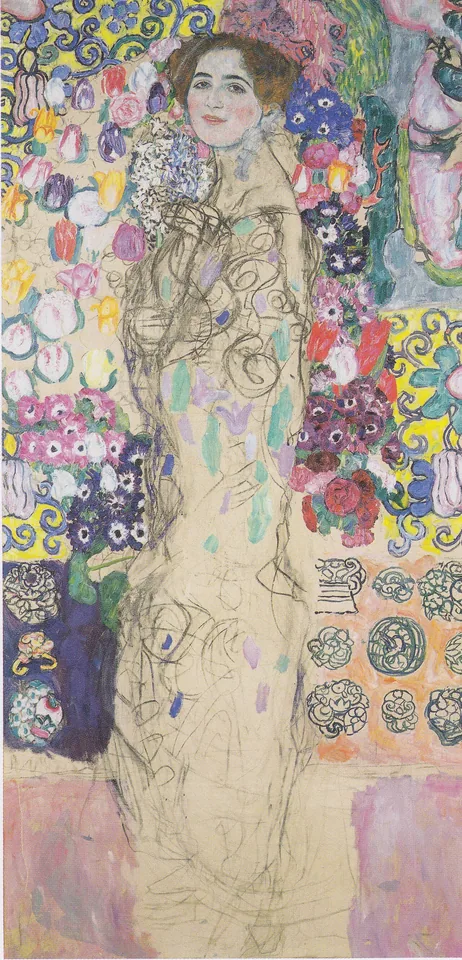
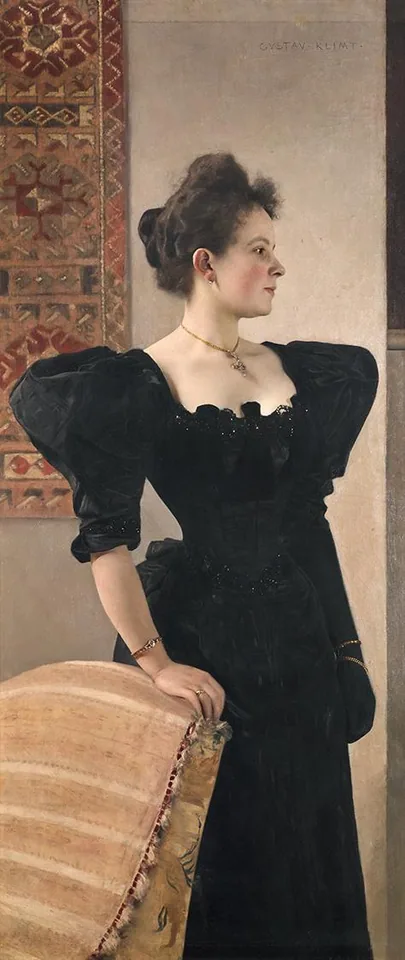
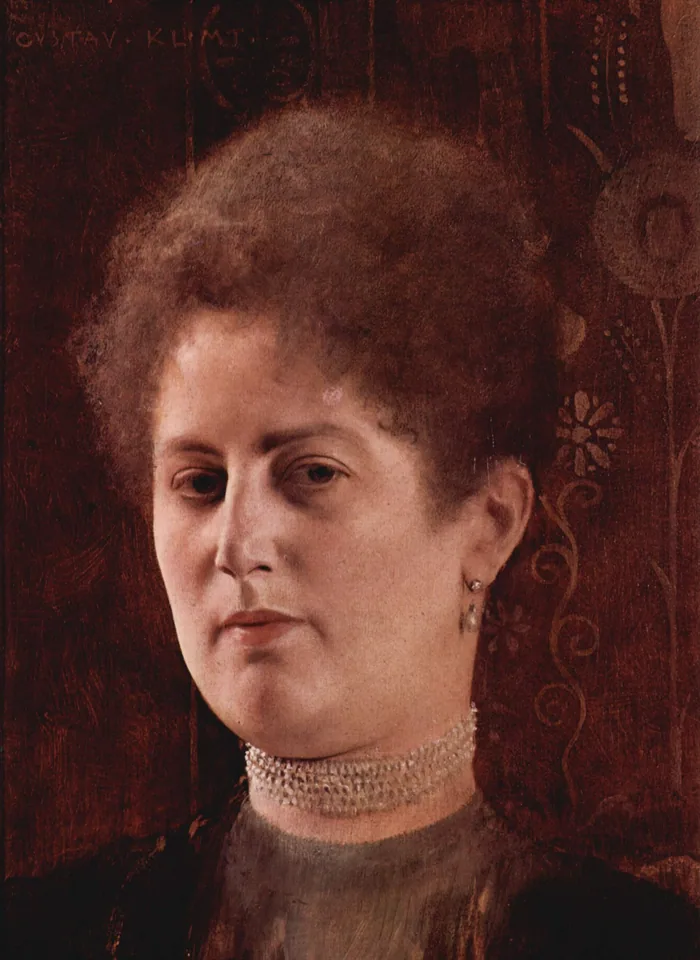
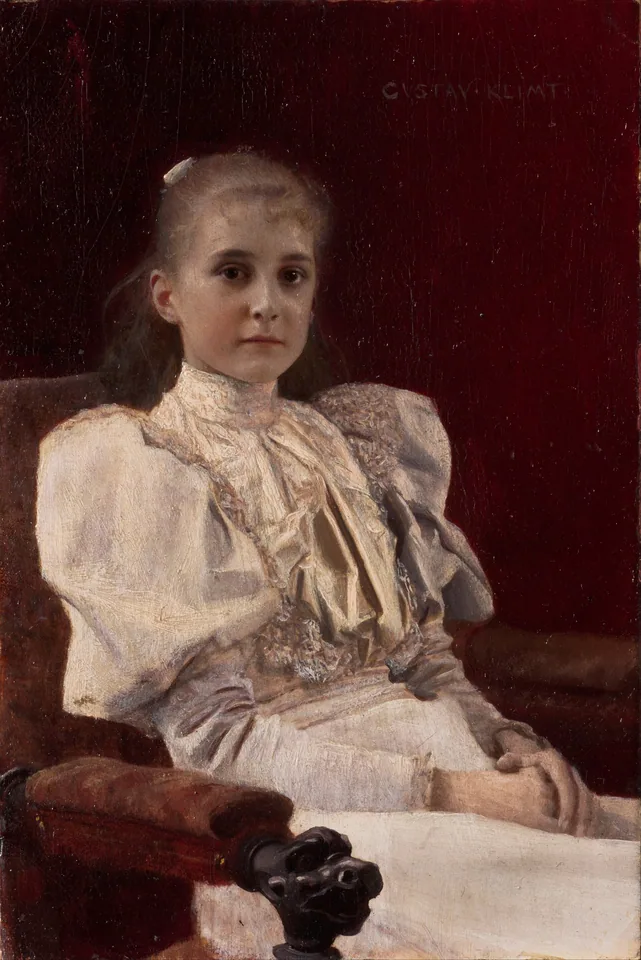
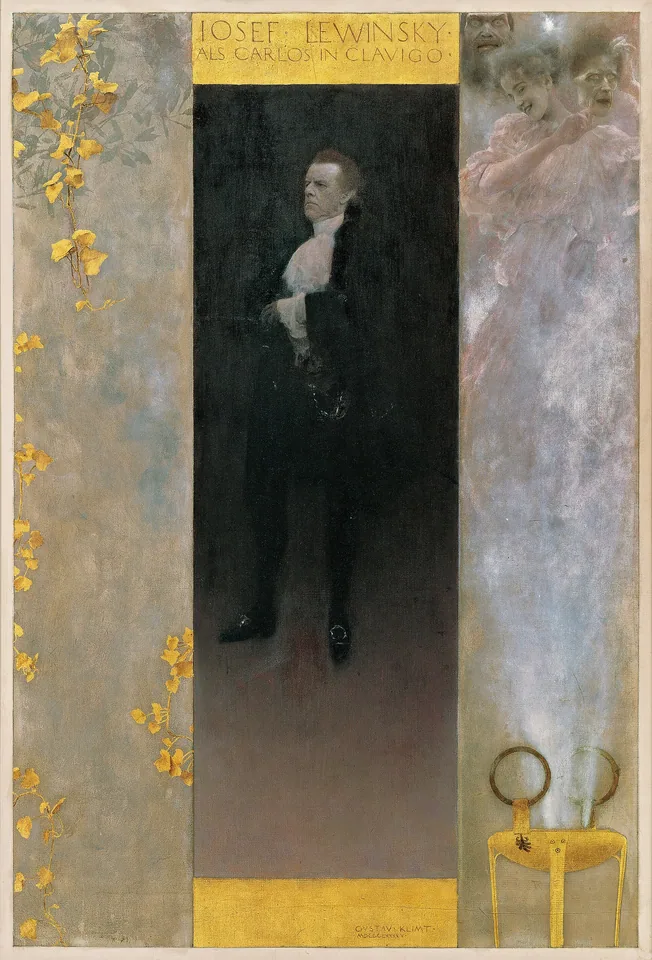
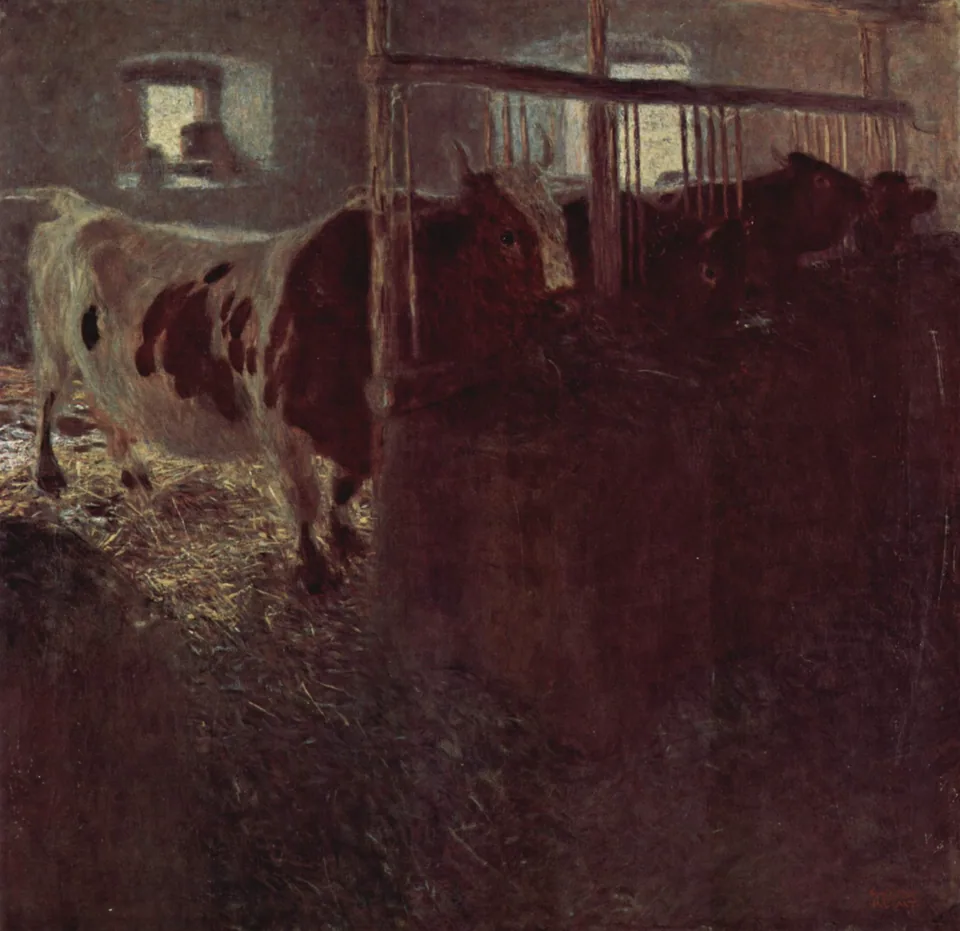
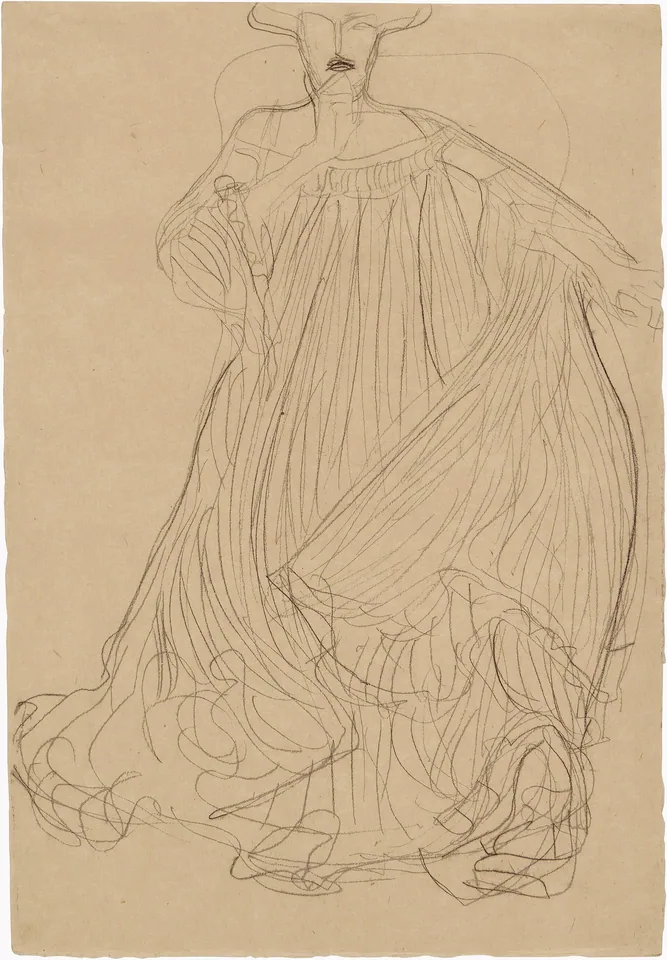
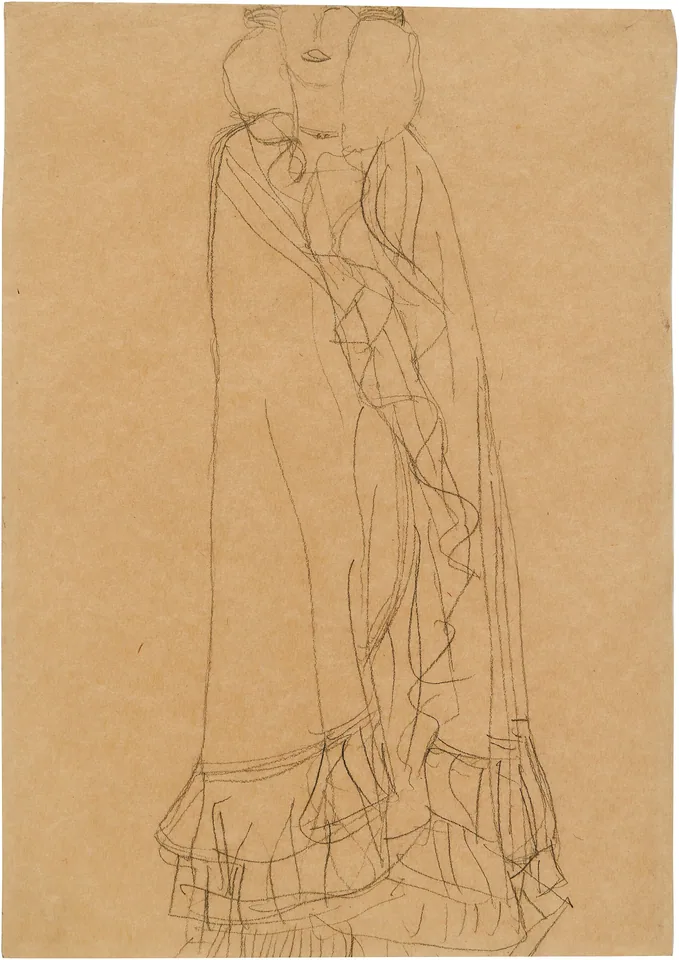
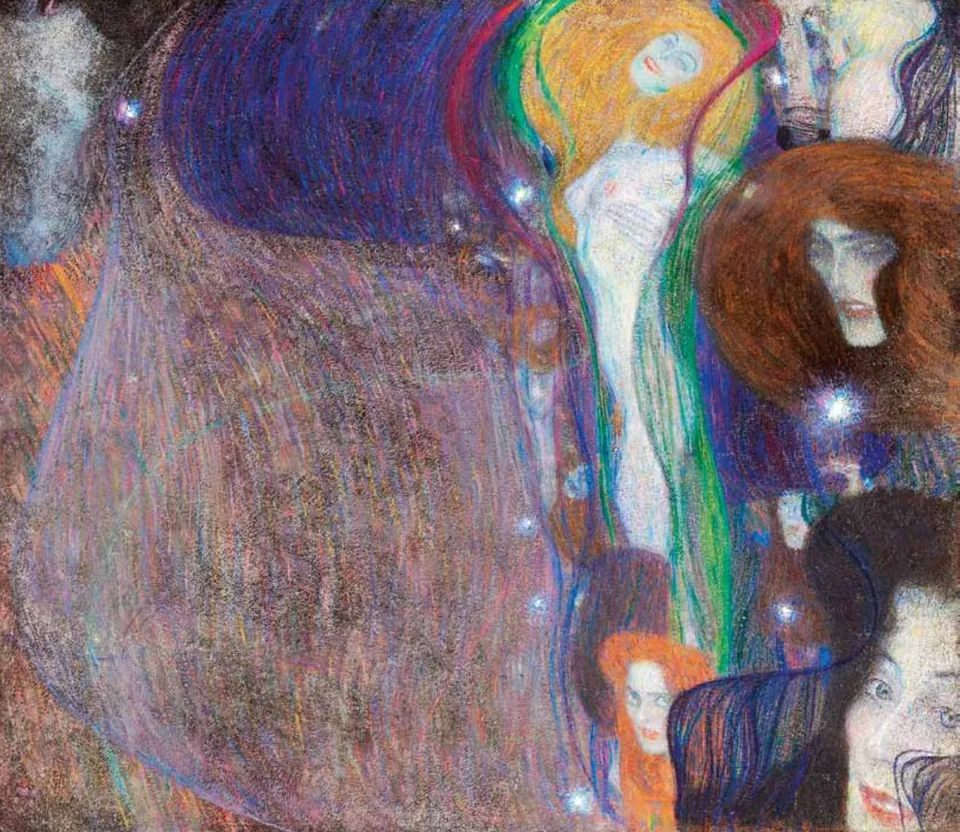
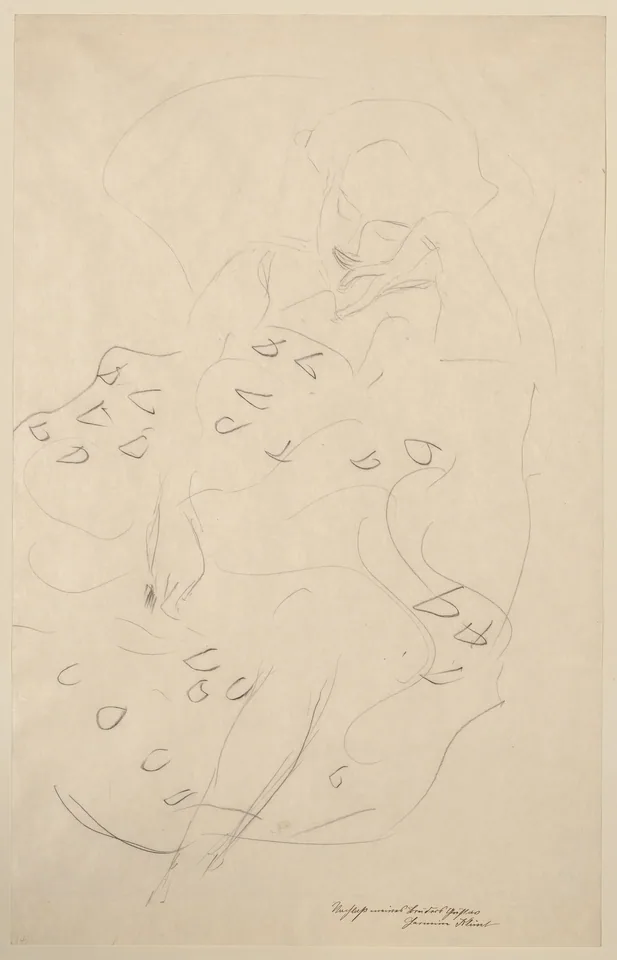
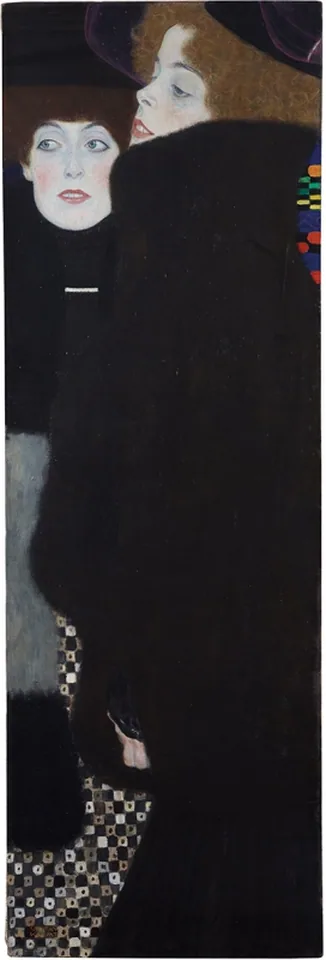
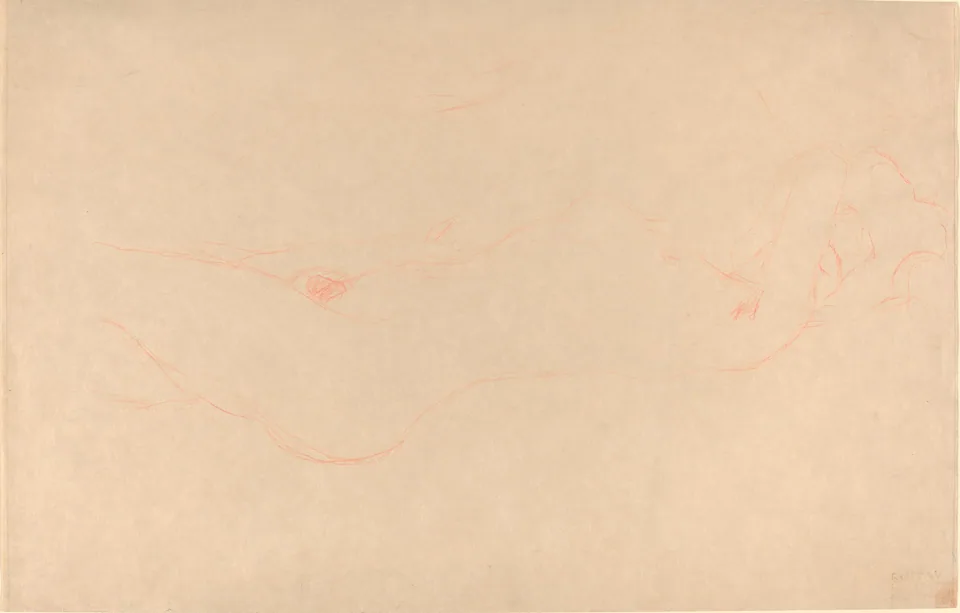
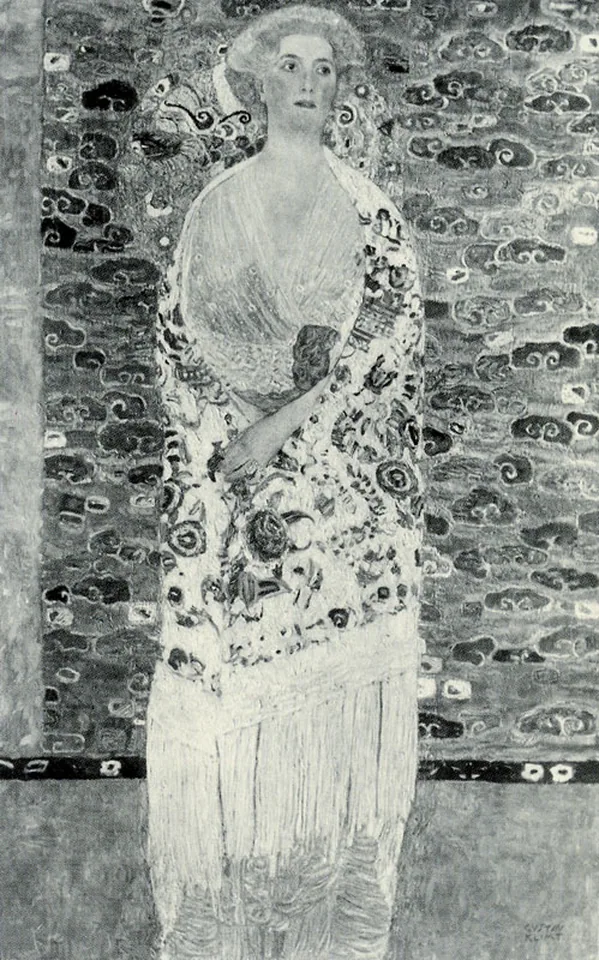
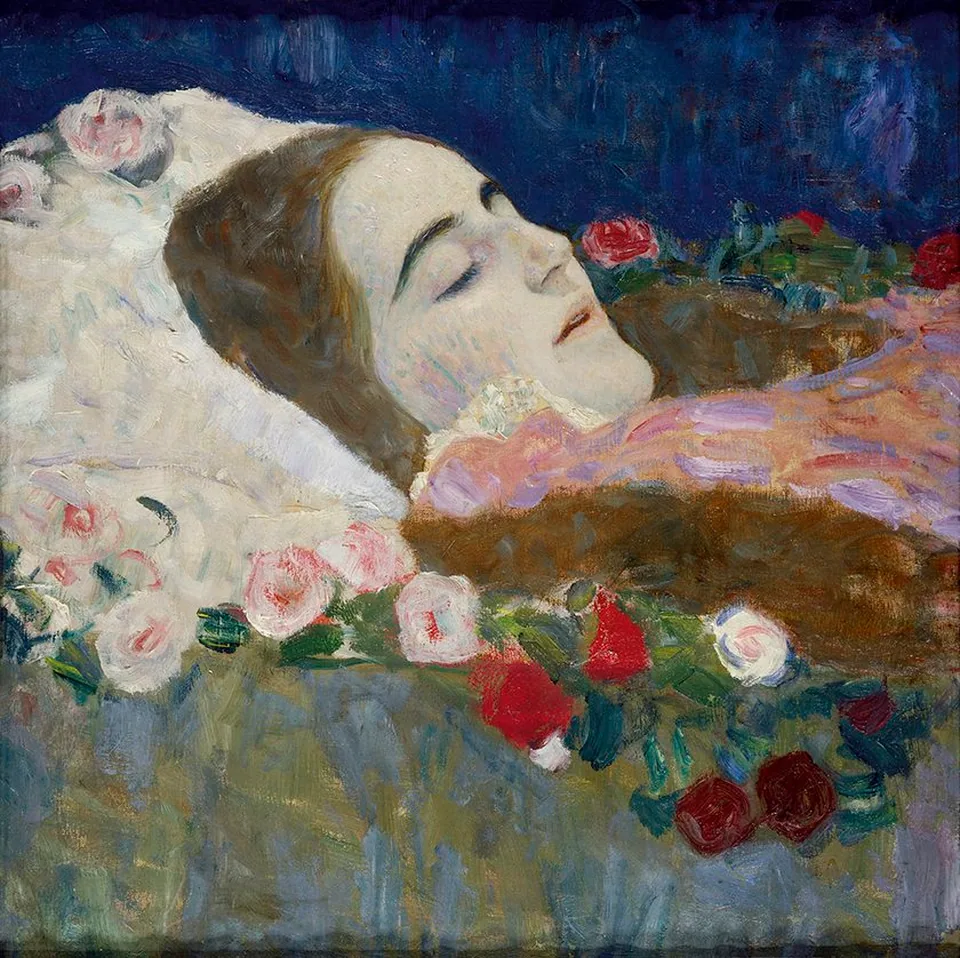
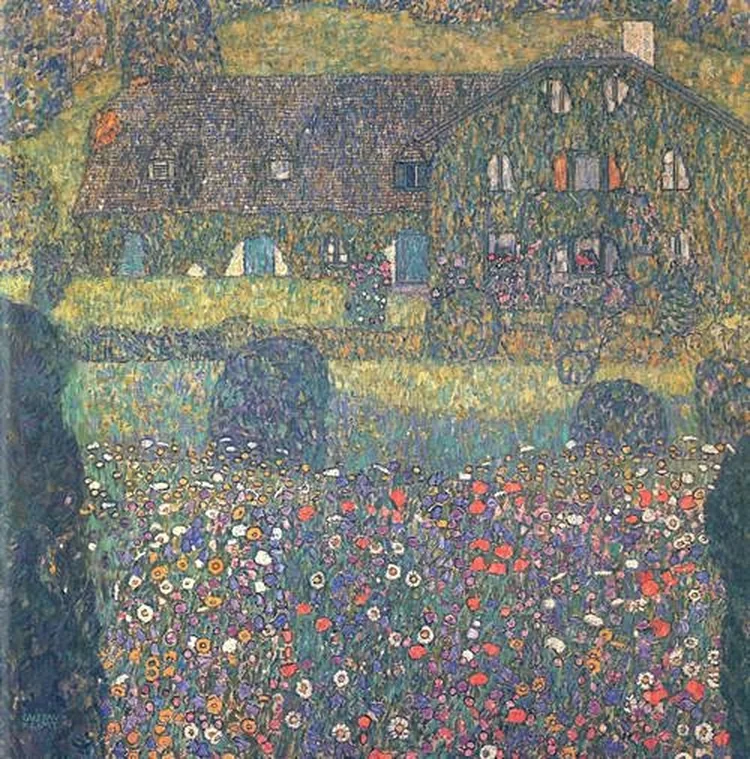
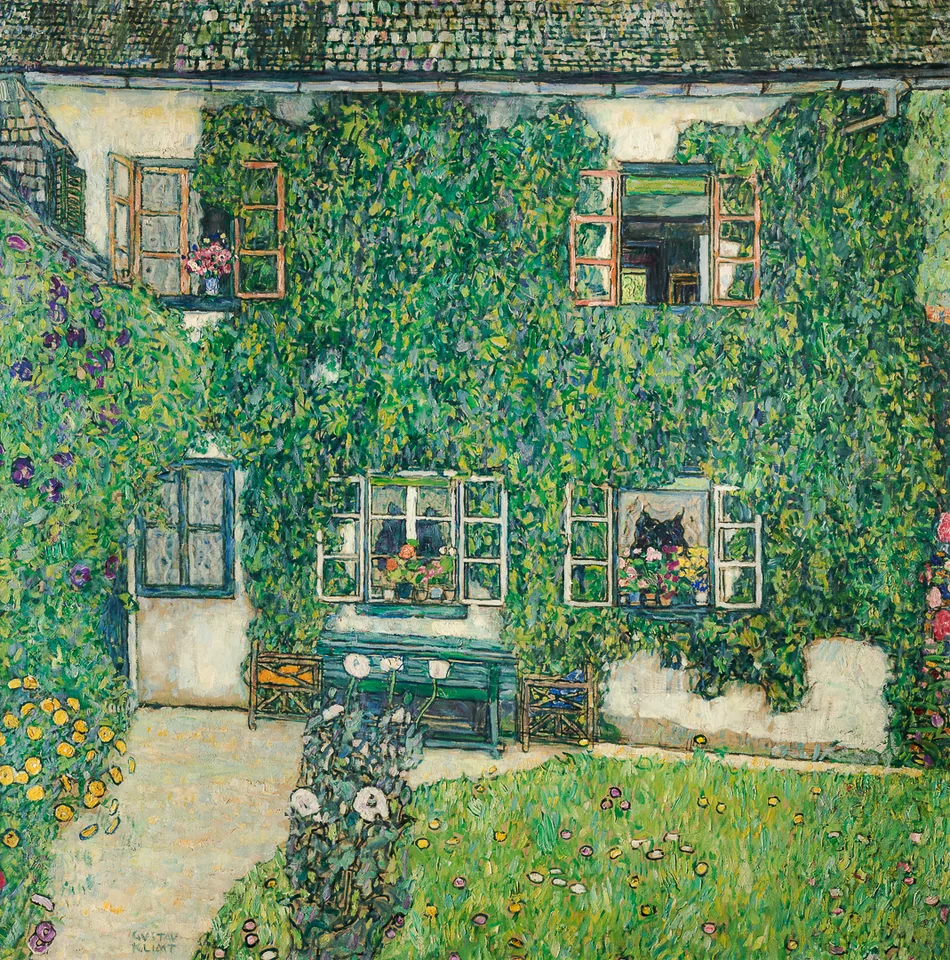
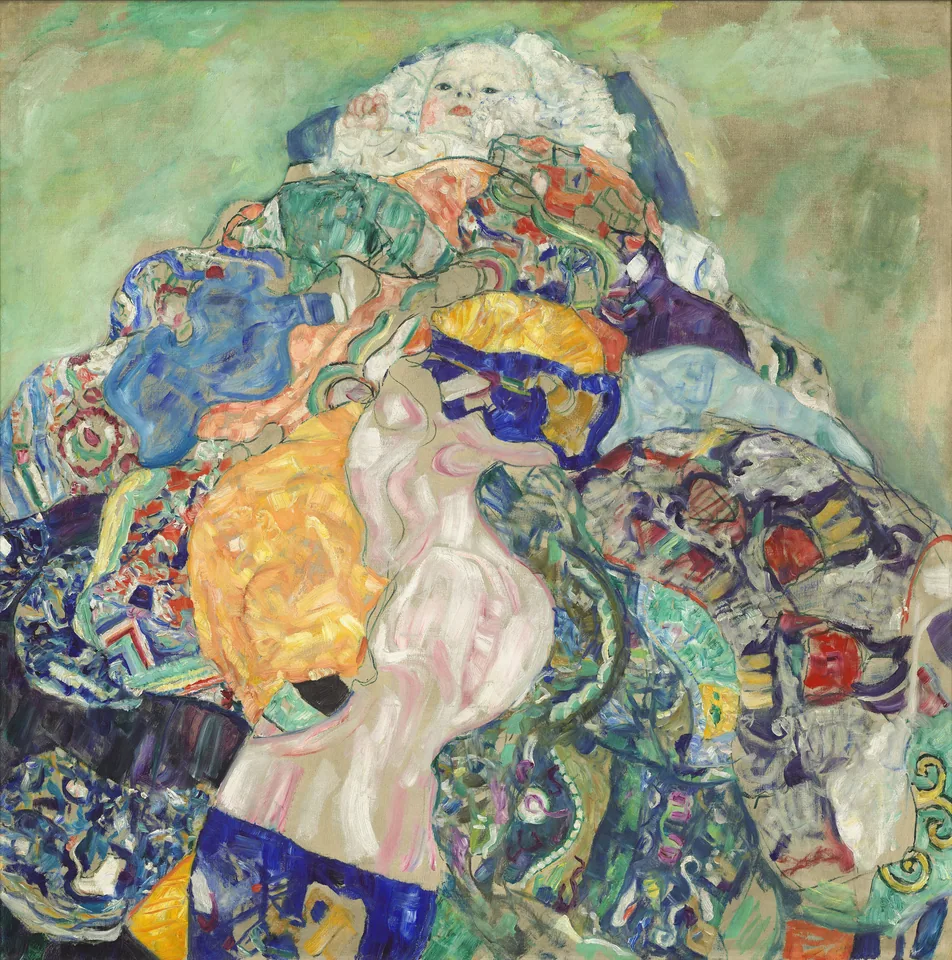
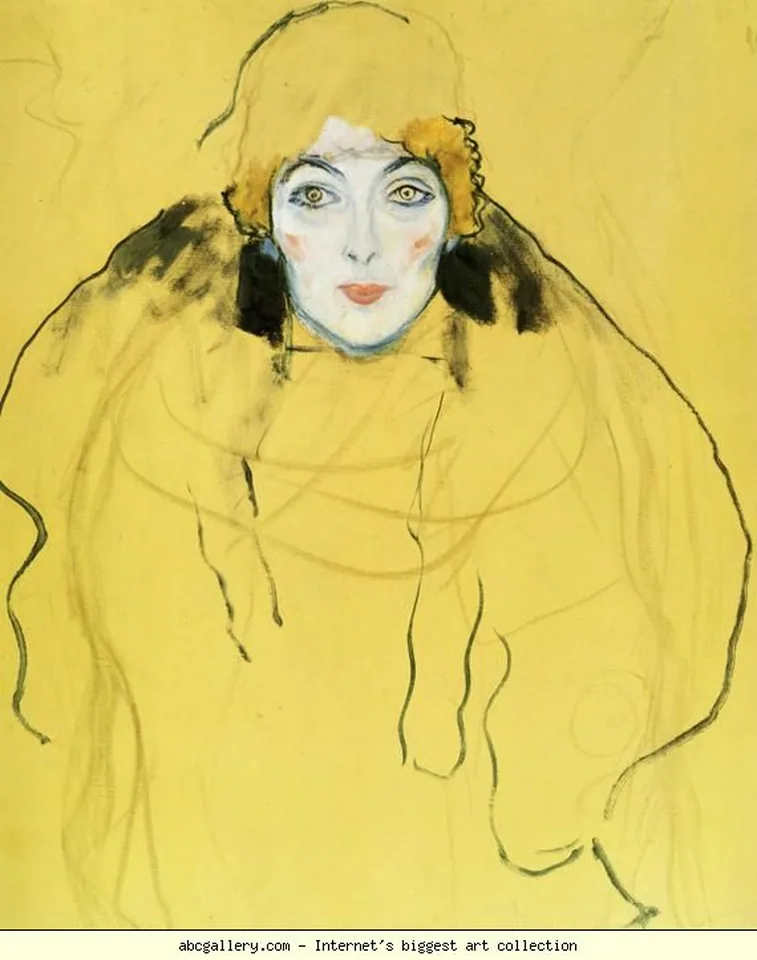
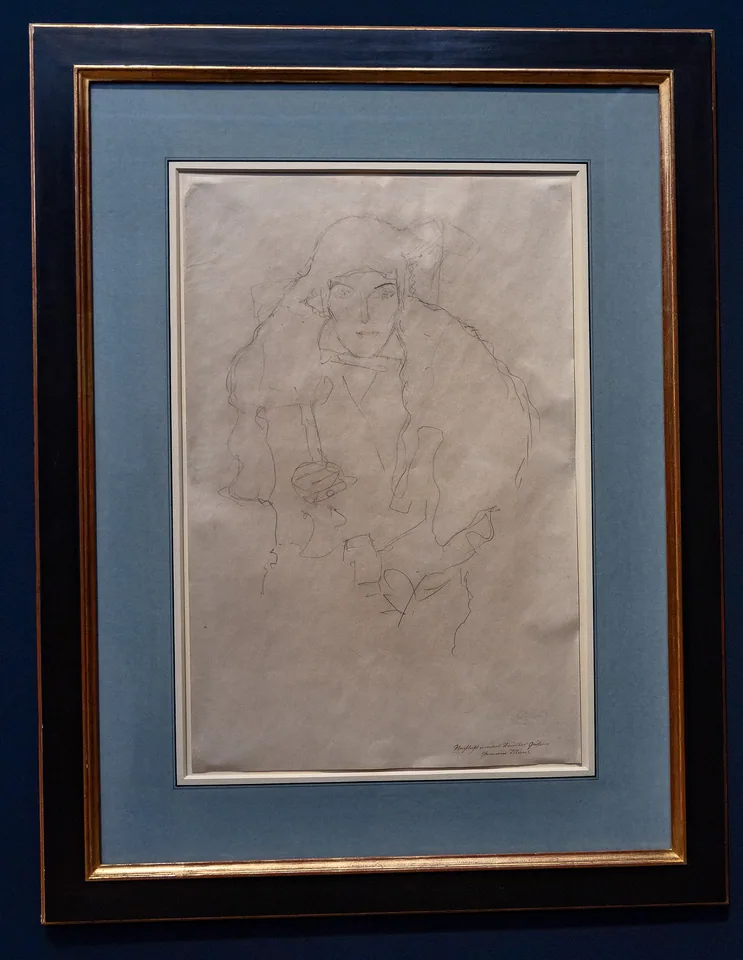
Klimt’s paintings at a glance
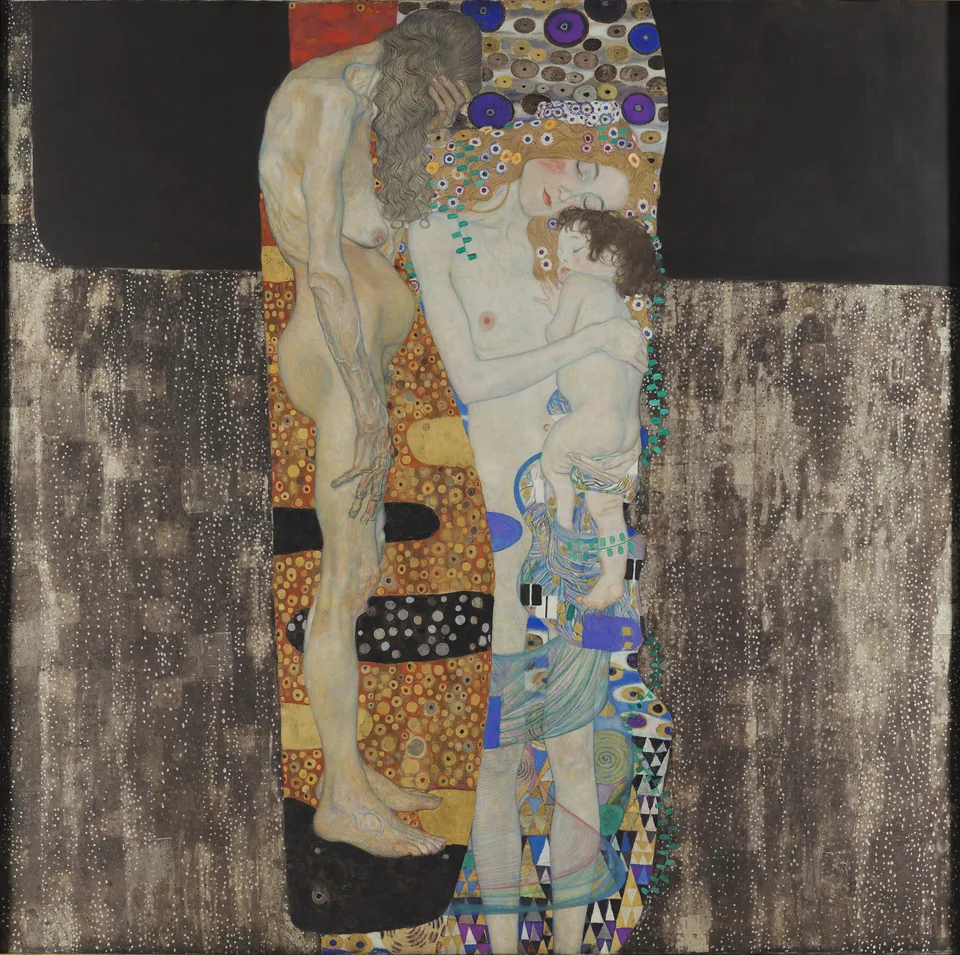
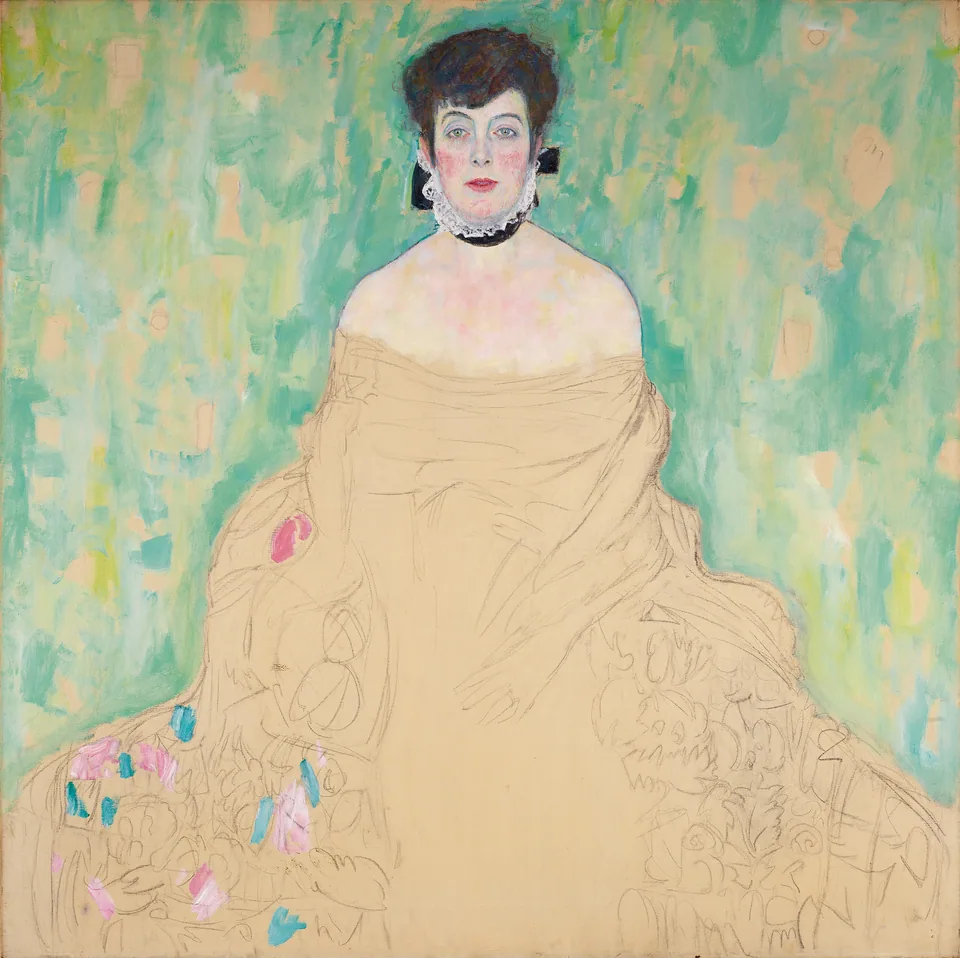
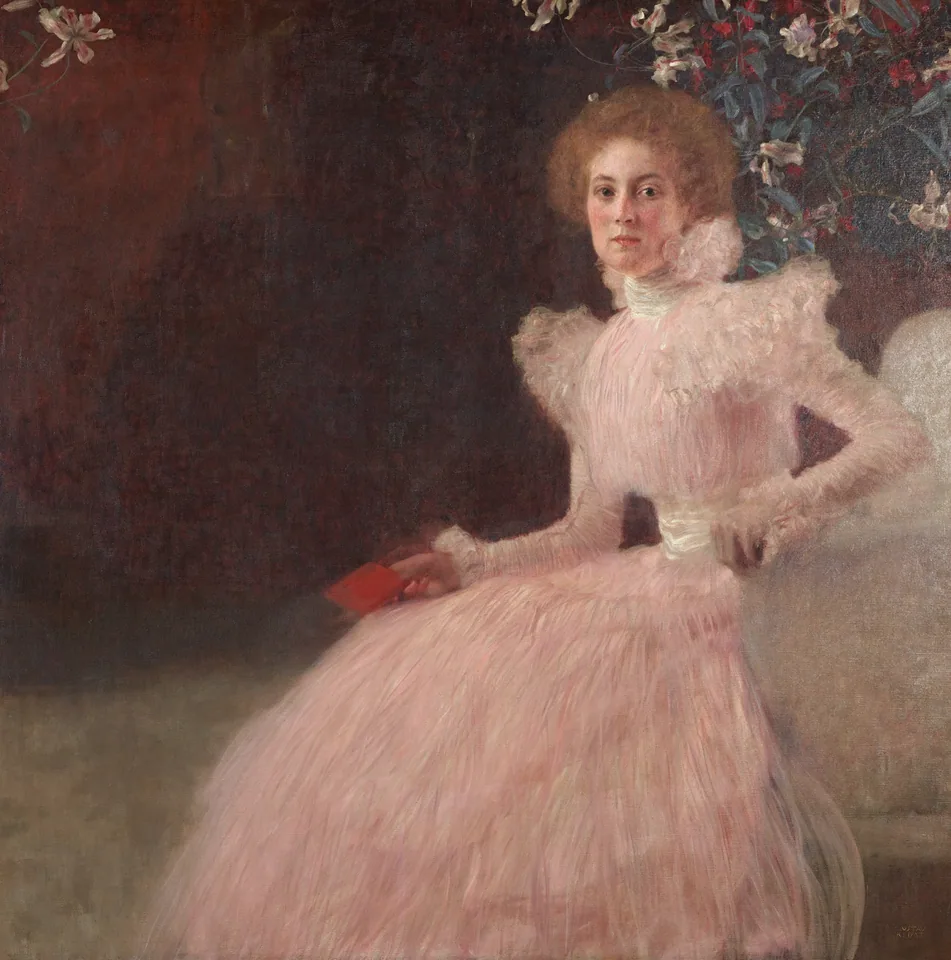
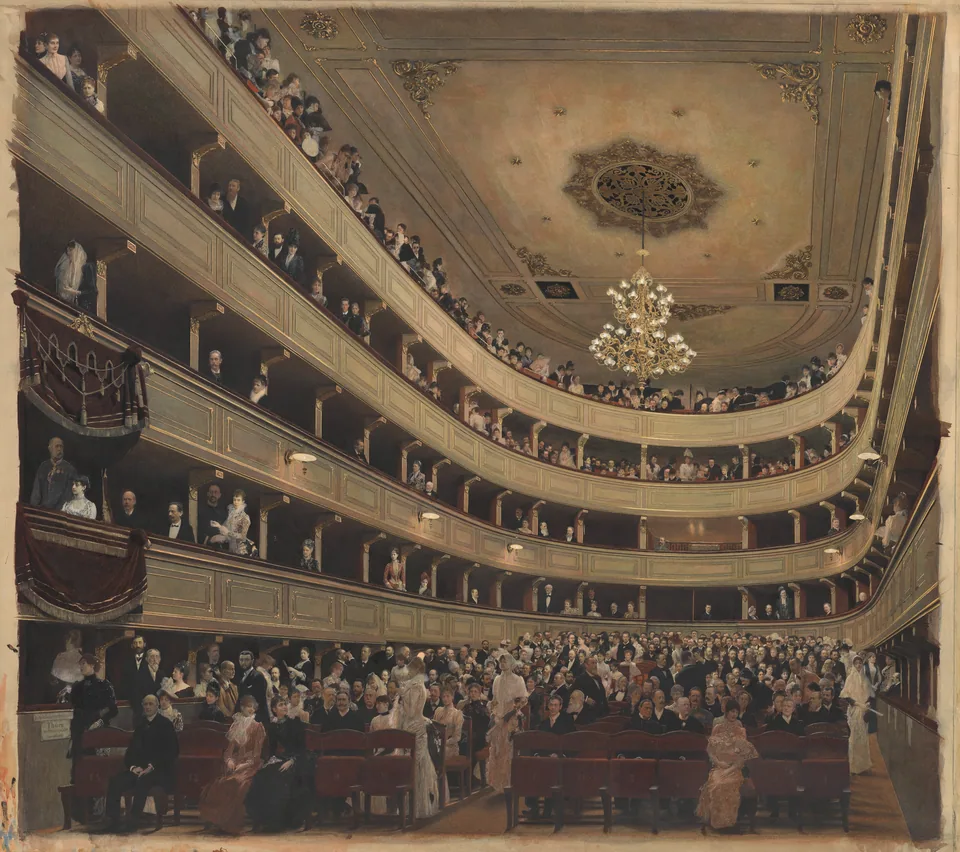
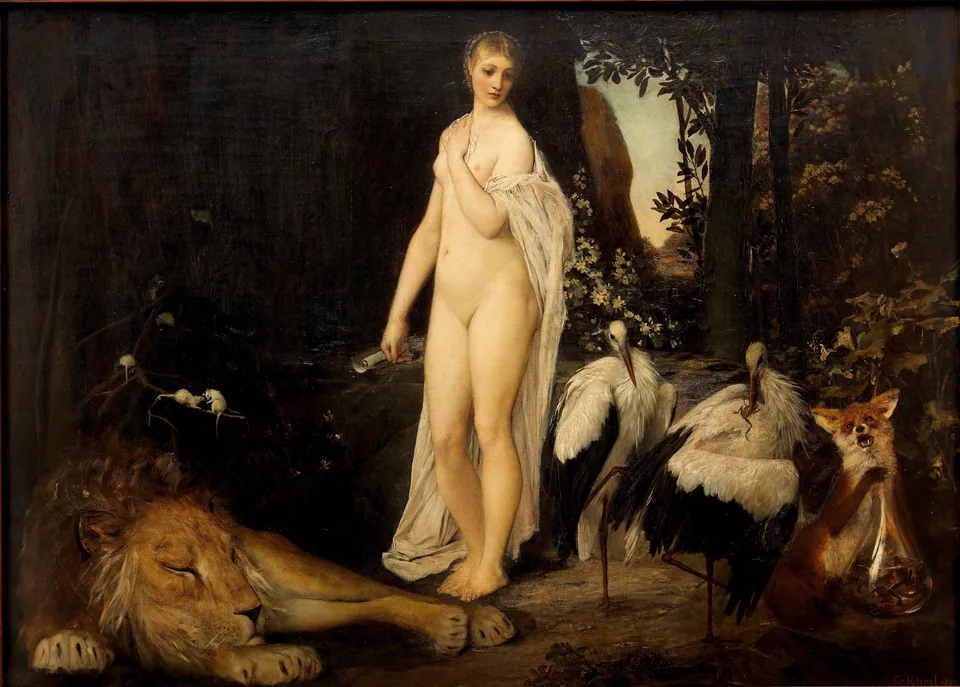
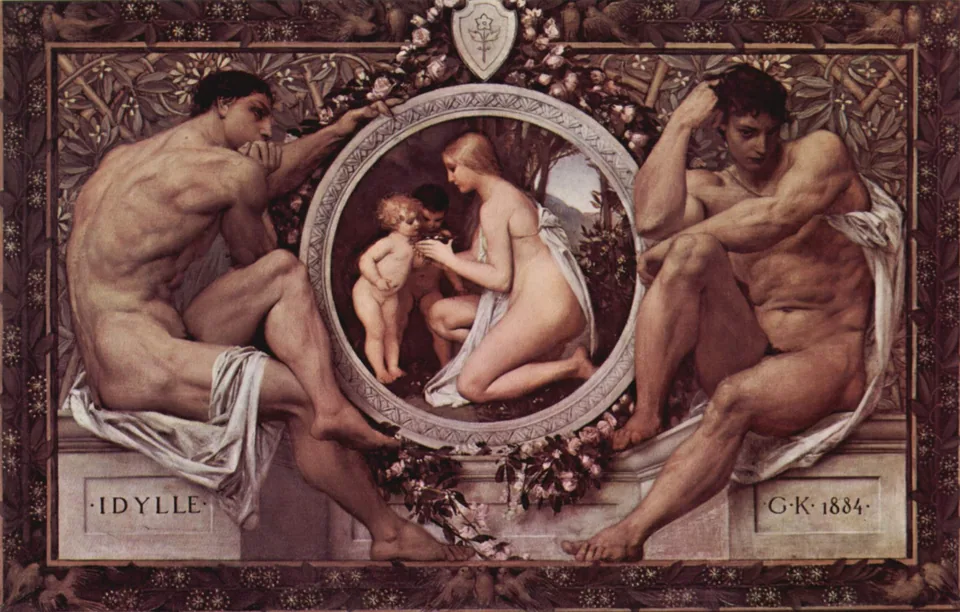
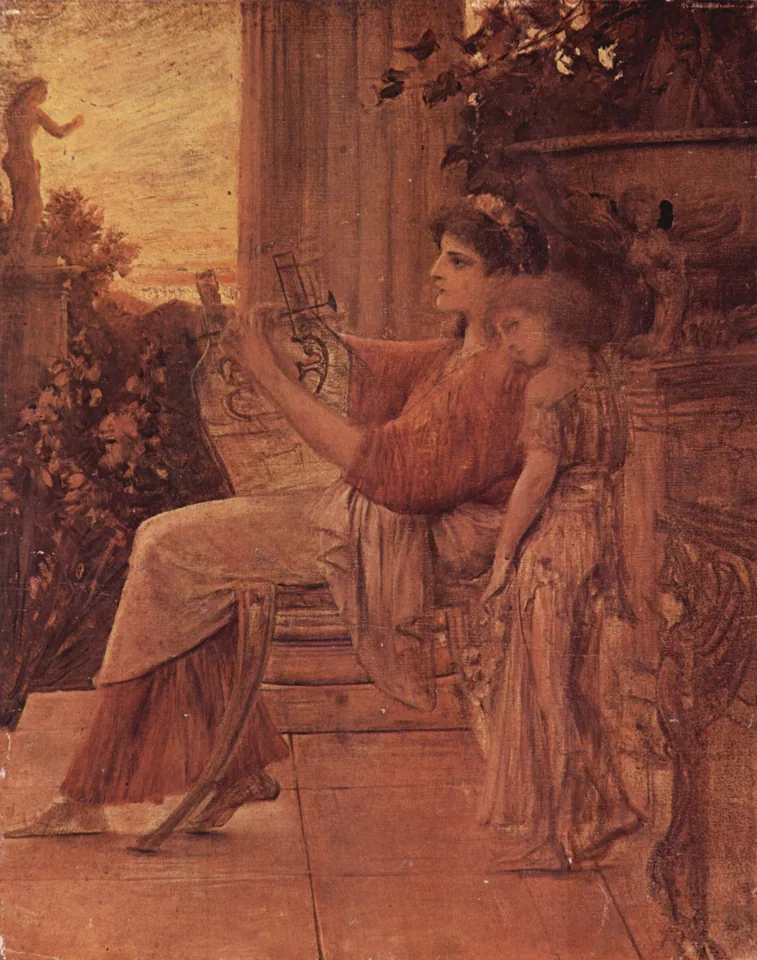
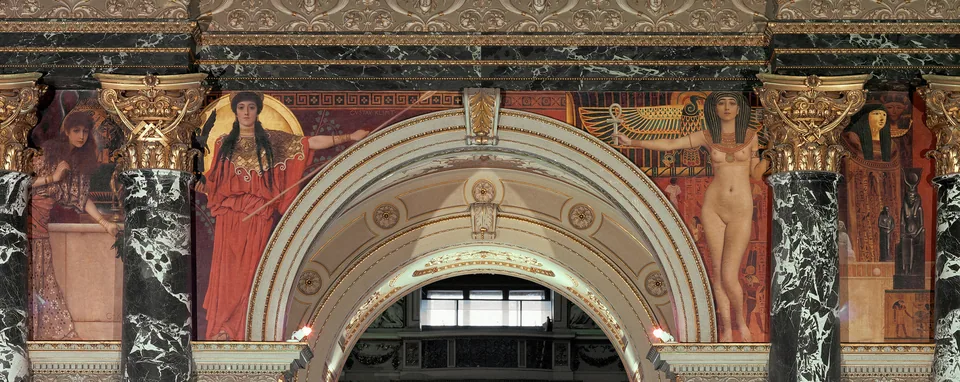
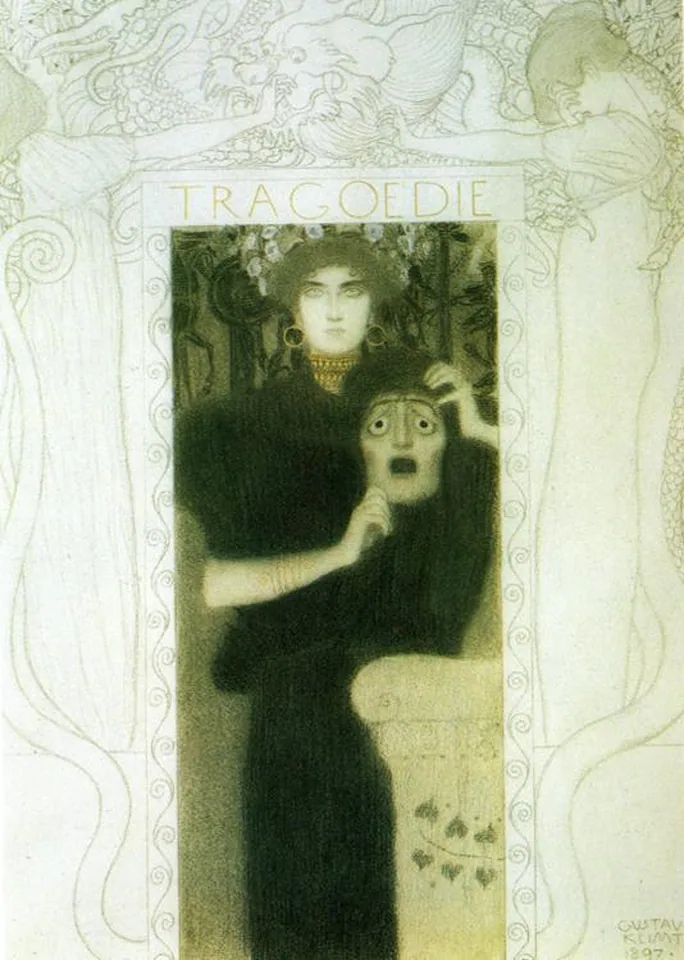
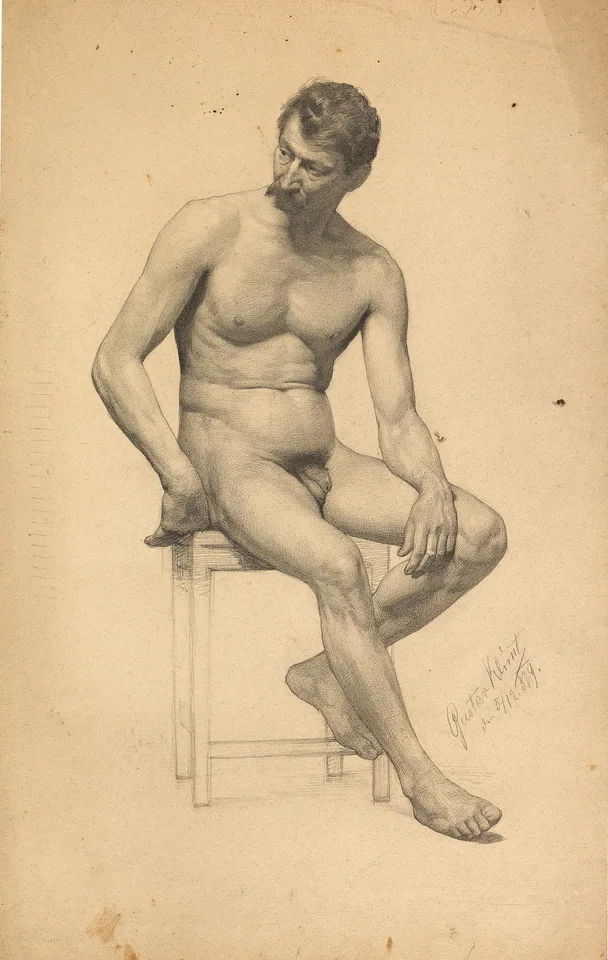
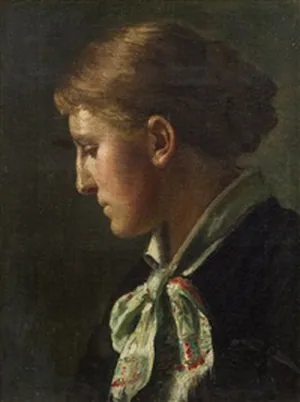
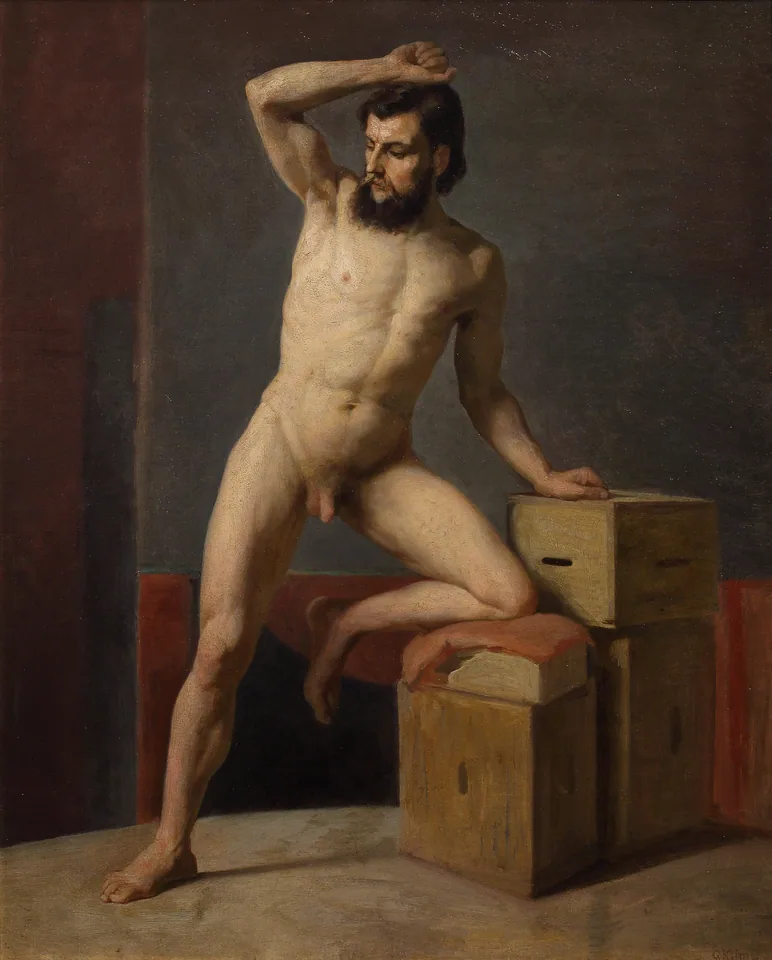
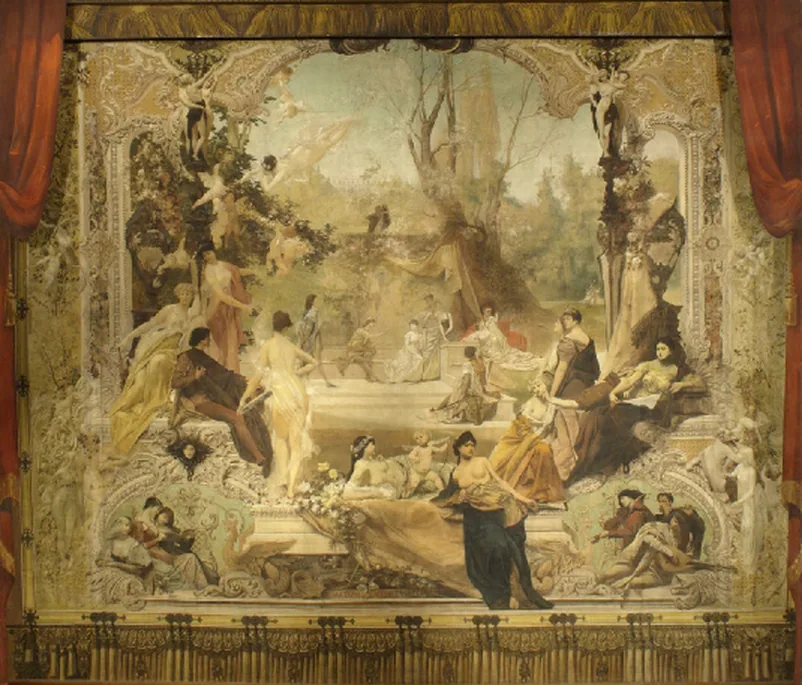
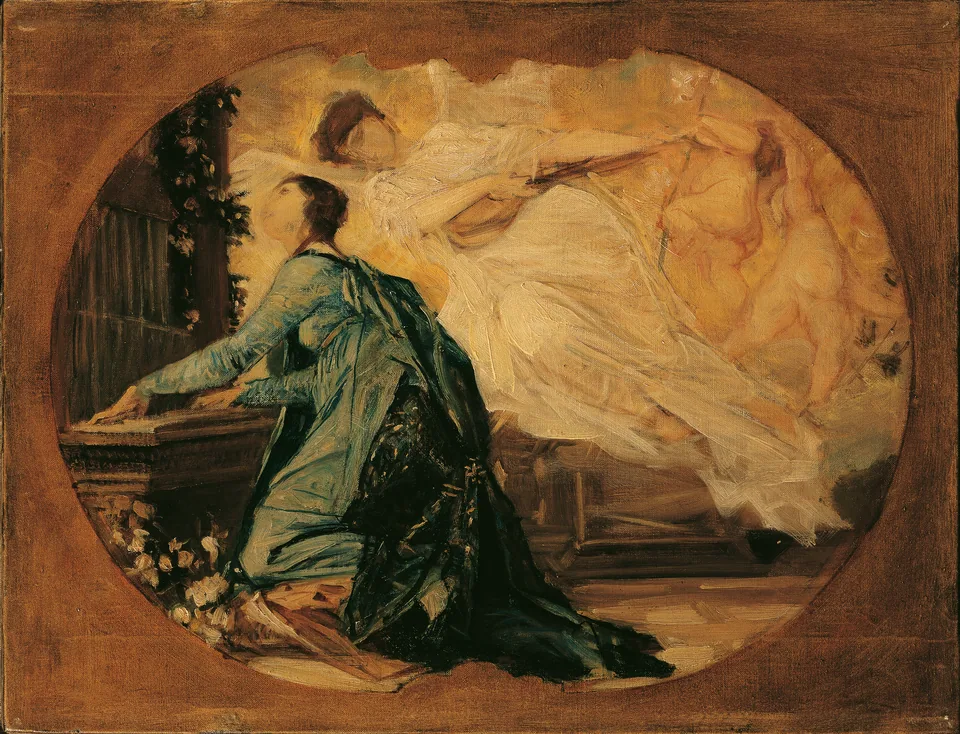
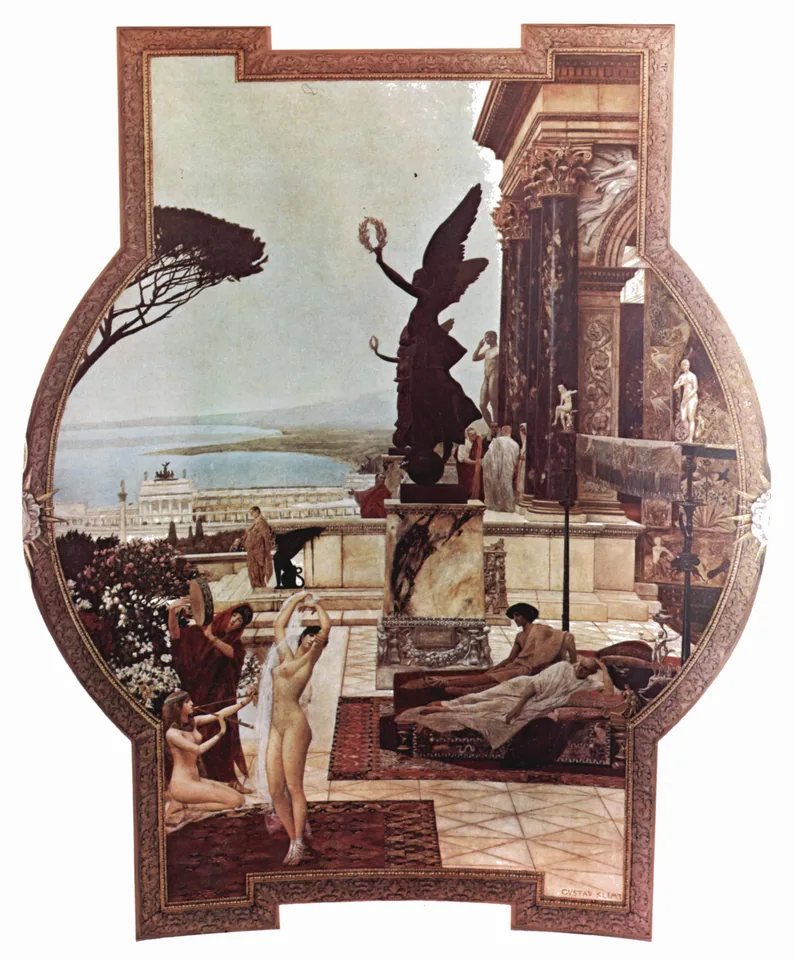
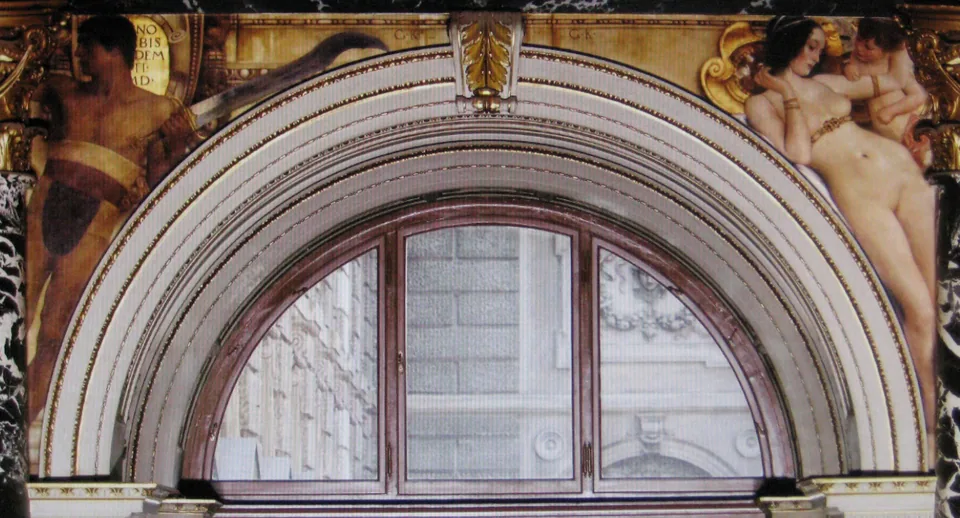
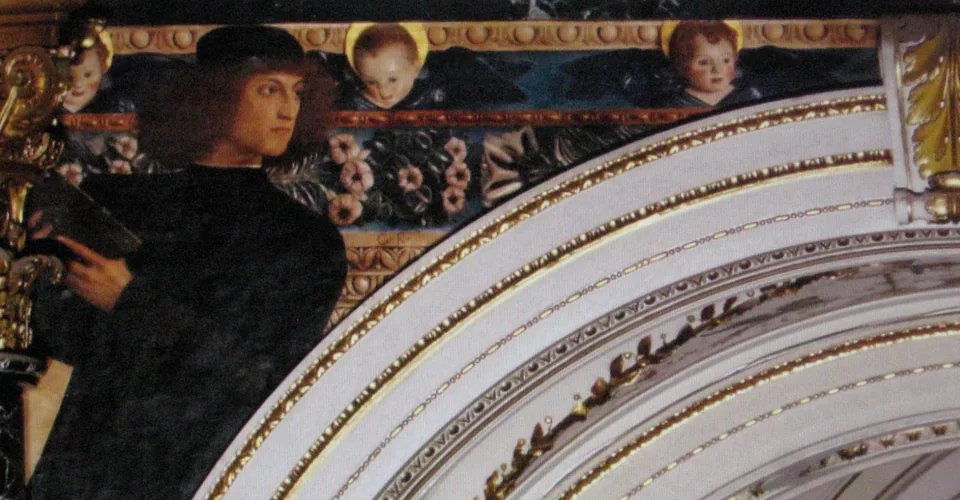
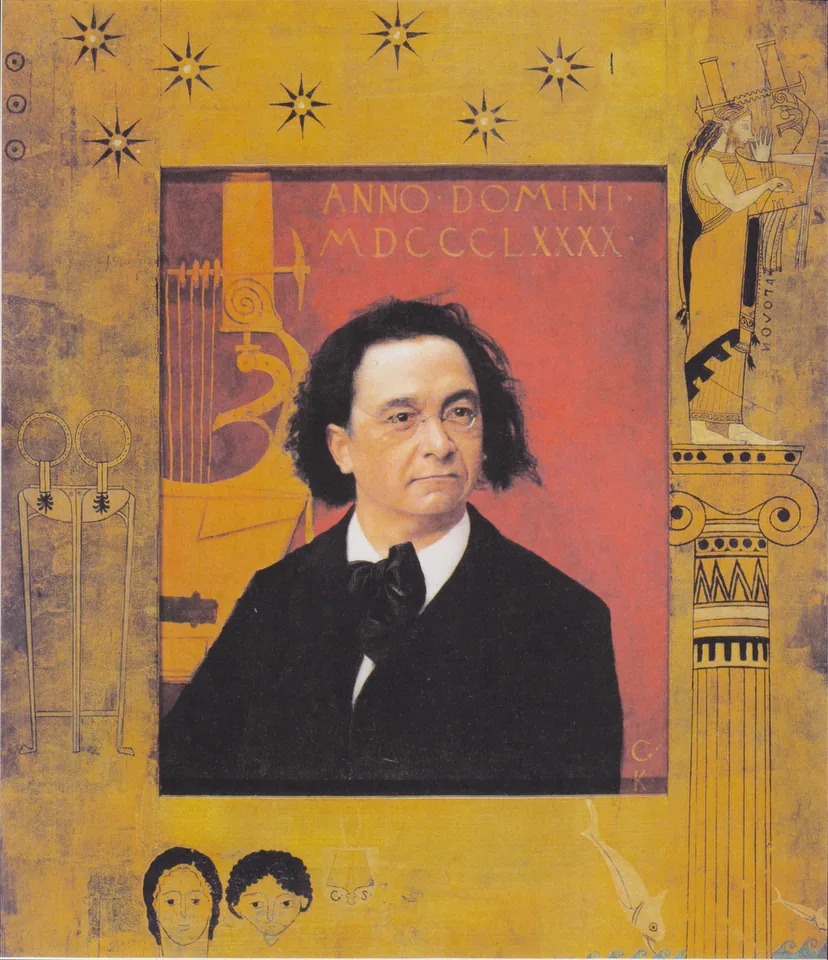
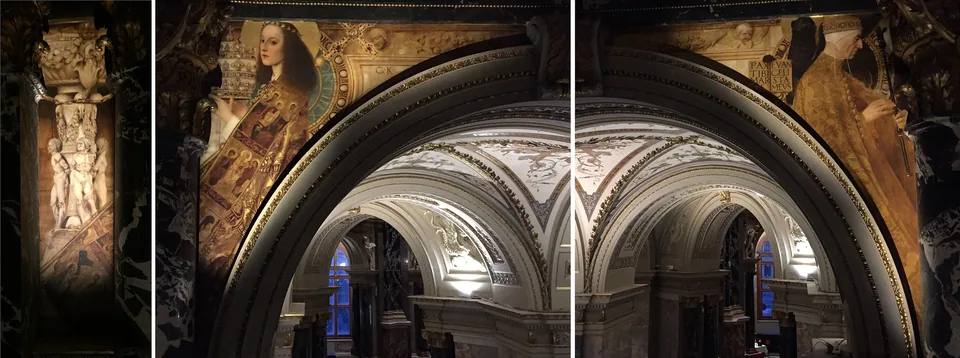
Gustav Klimt paintings trace an artistic path from traditional decorative murals to flat, ornamental modernism. To understand his full career, read our guide on Gustav Klimt, which follows his rise in Vienna. Klimt trained in architectural painting at the Vienna Kunstgewerbeschule, copying historical styles for civic theaters across Austria-Hungary with the Künstlercompagnie collaborative studio.
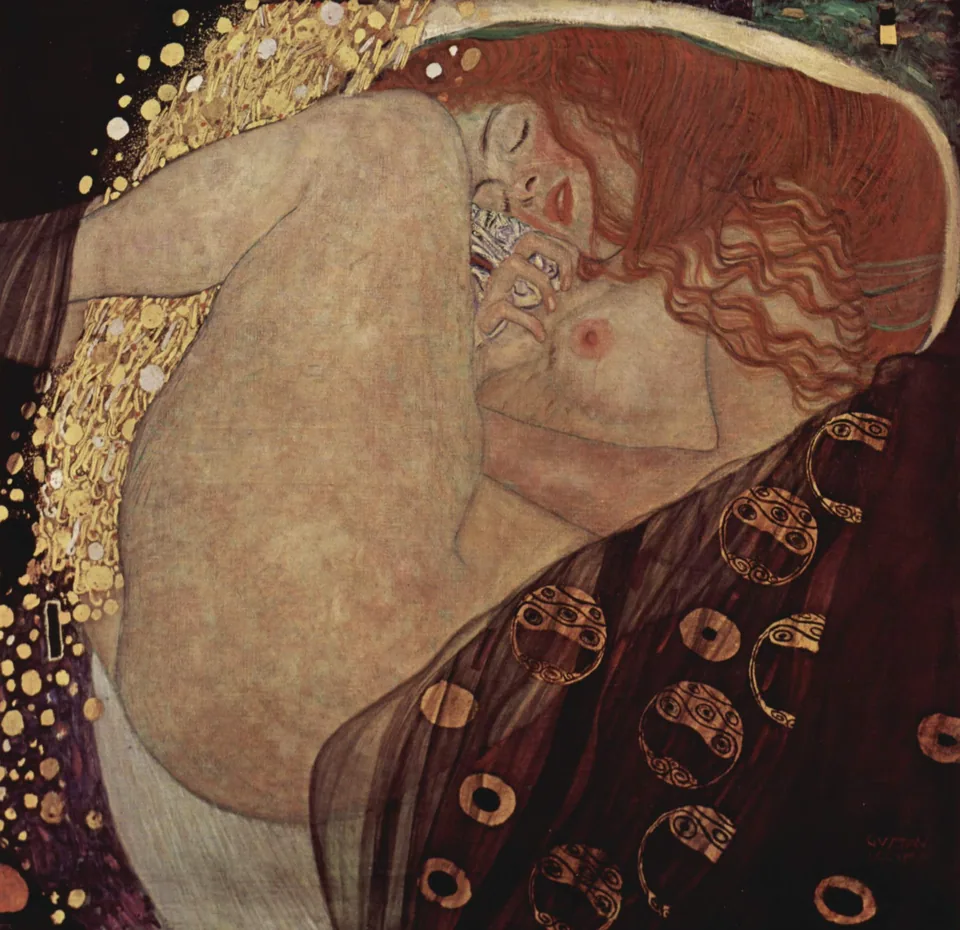
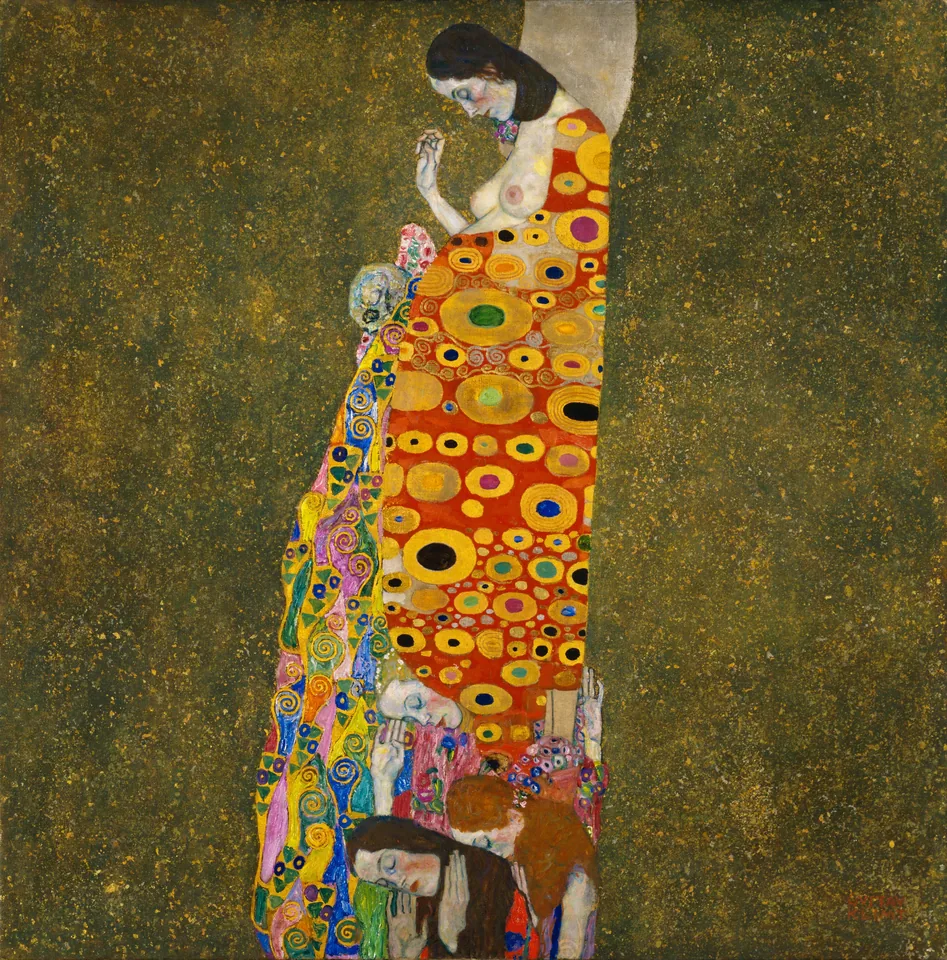
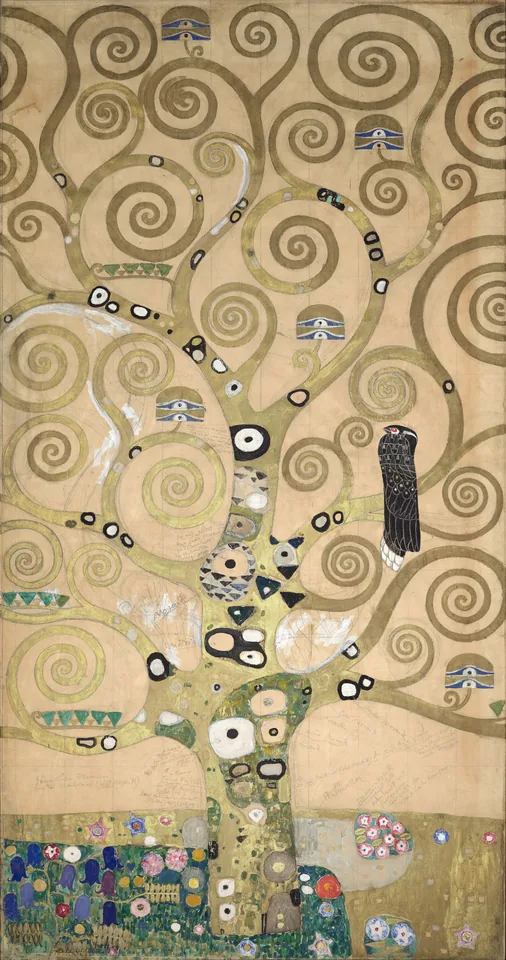
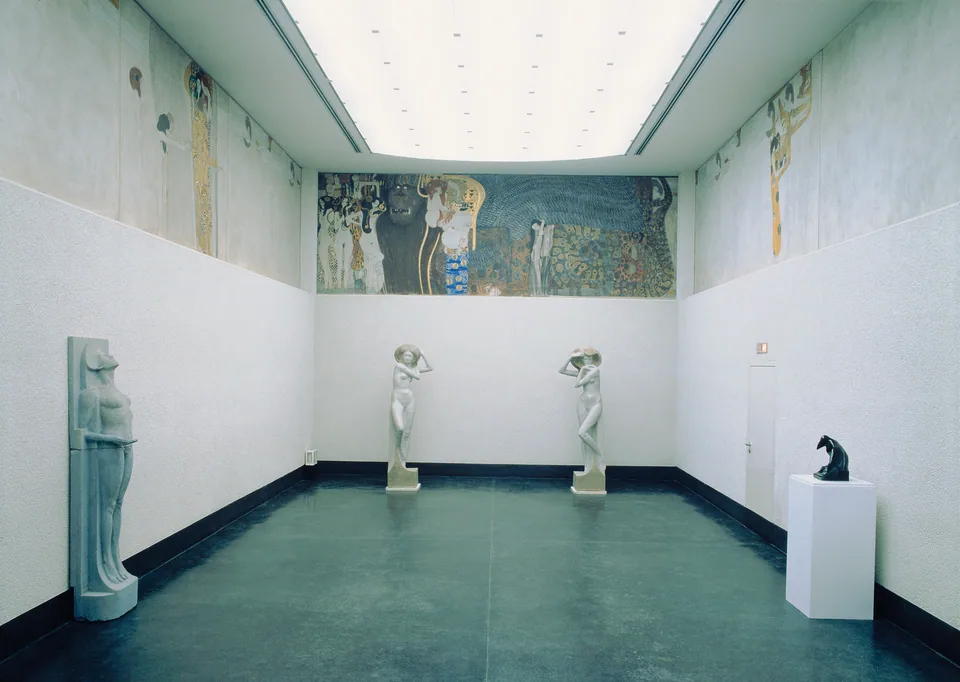
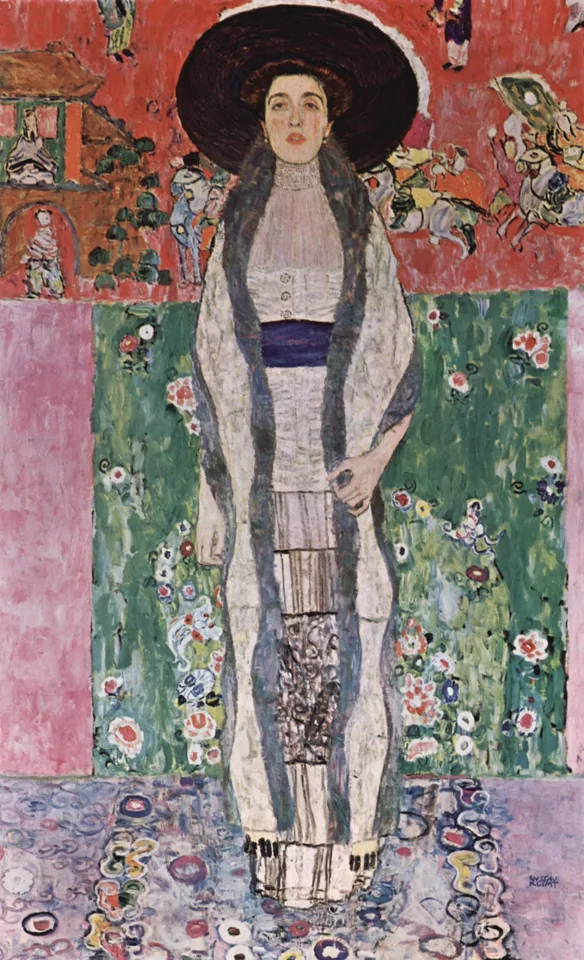
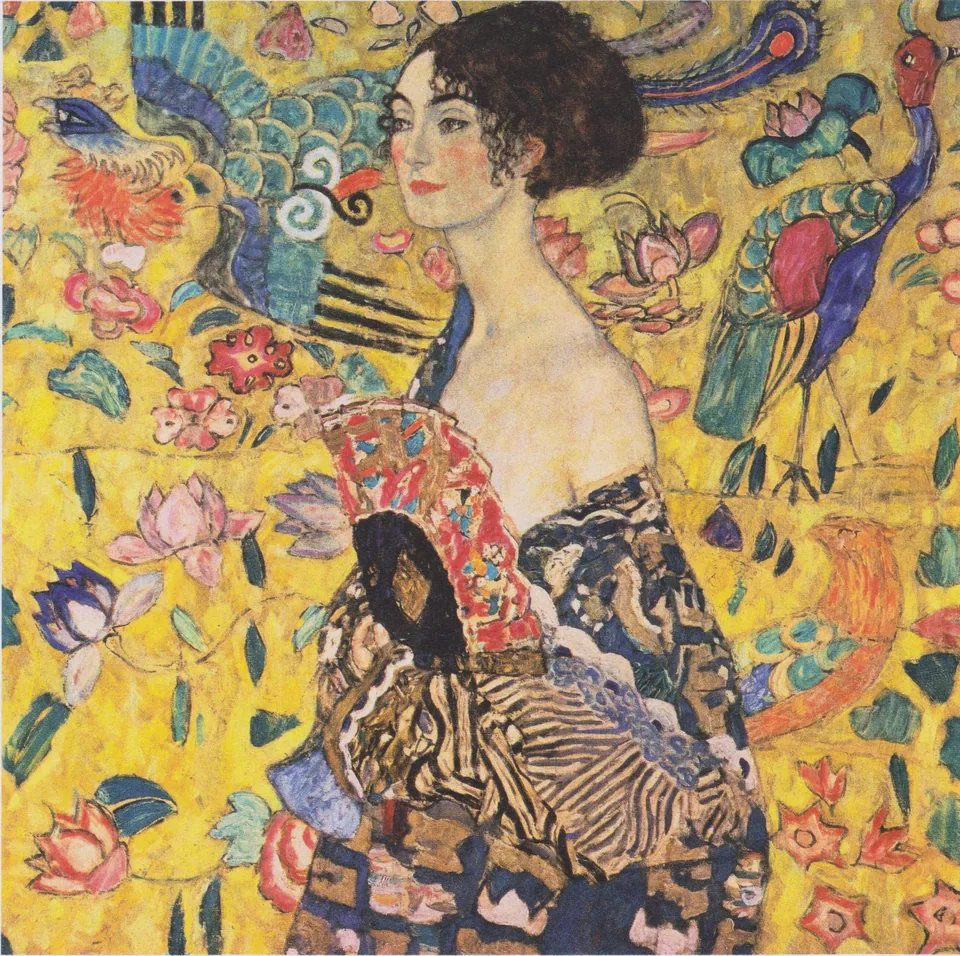
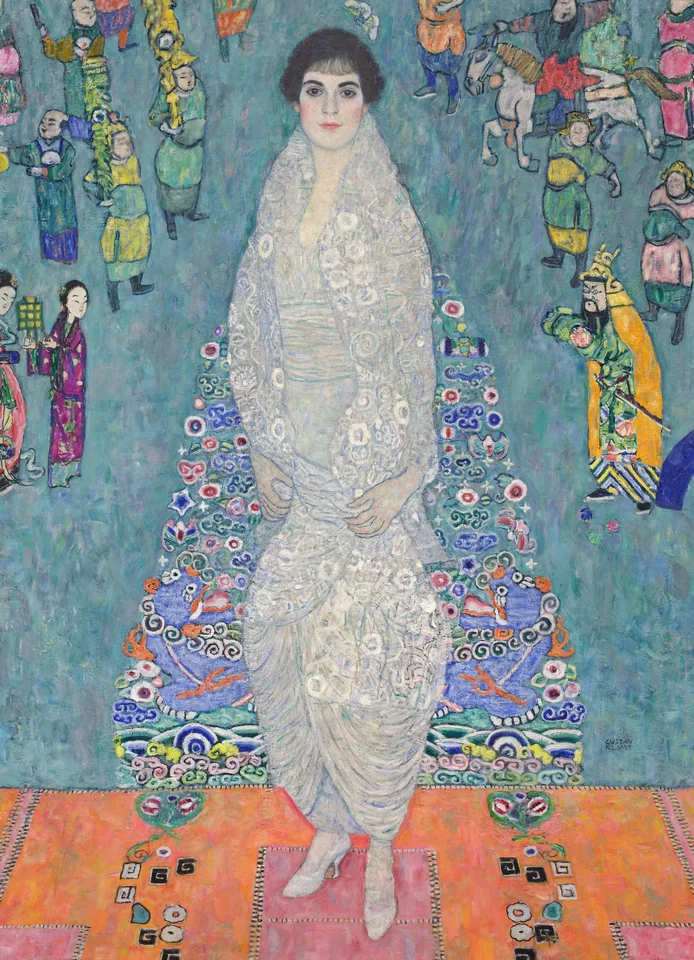
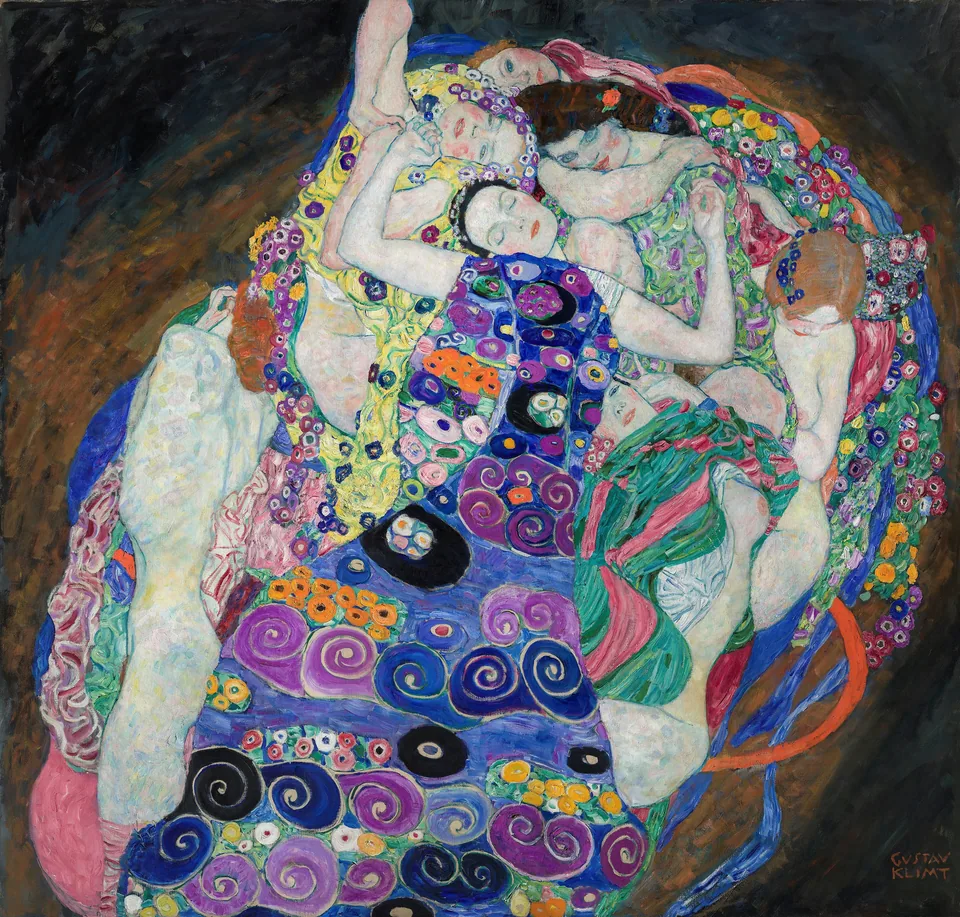
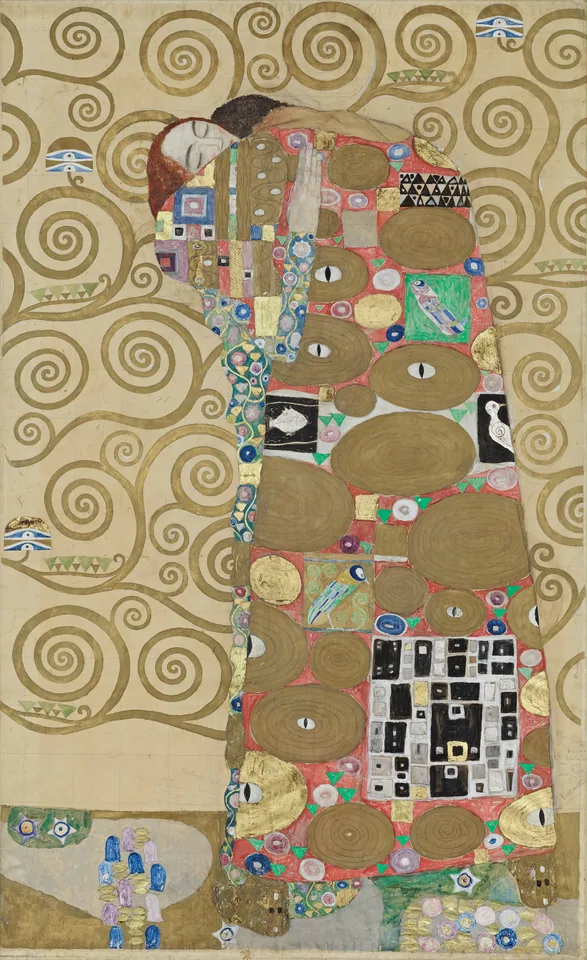
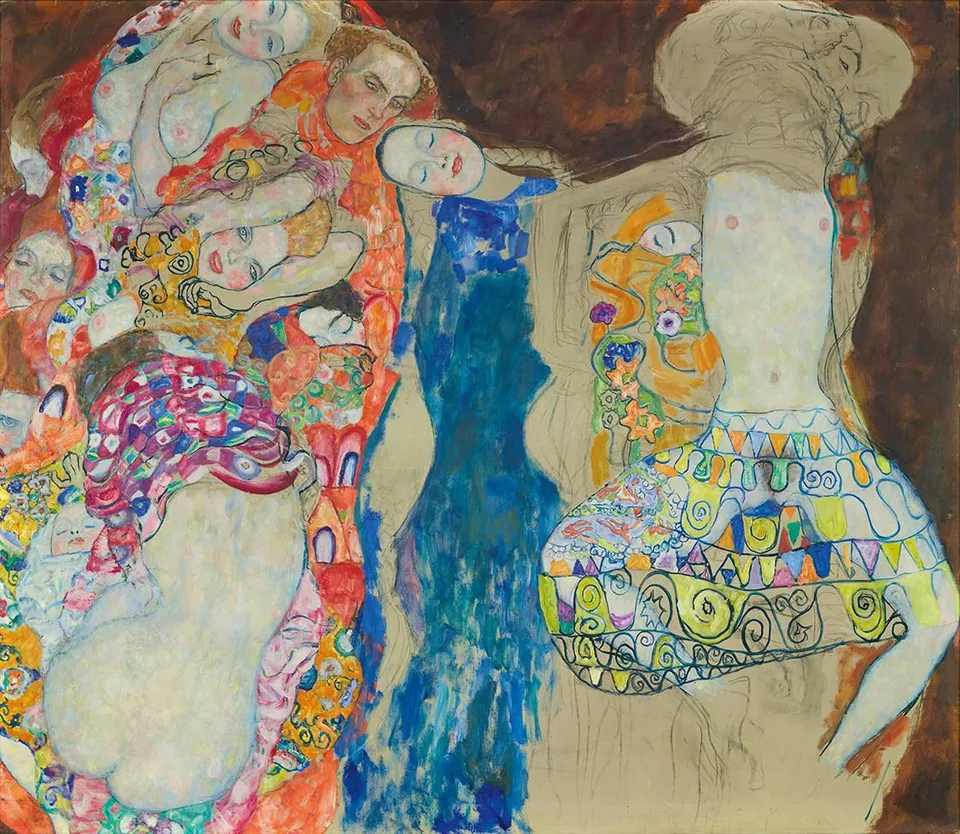
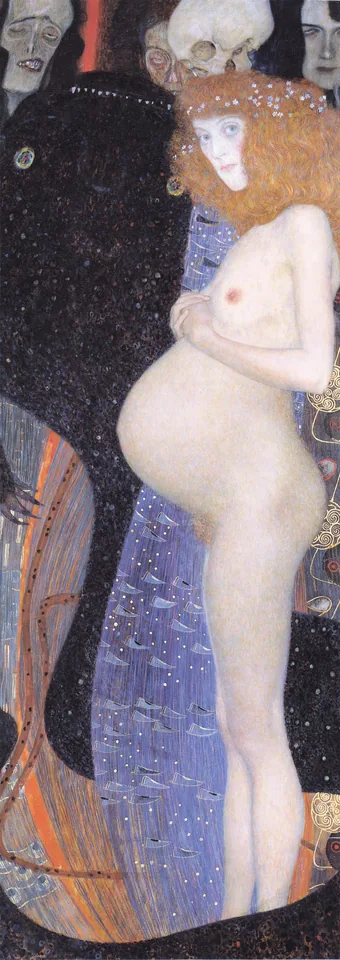
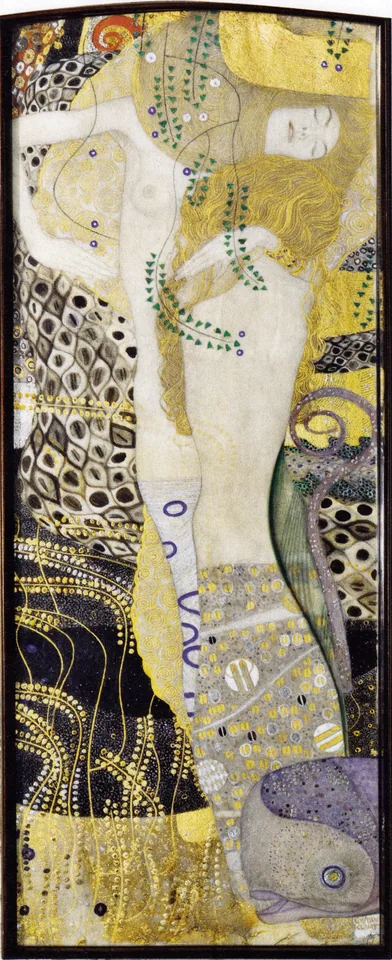
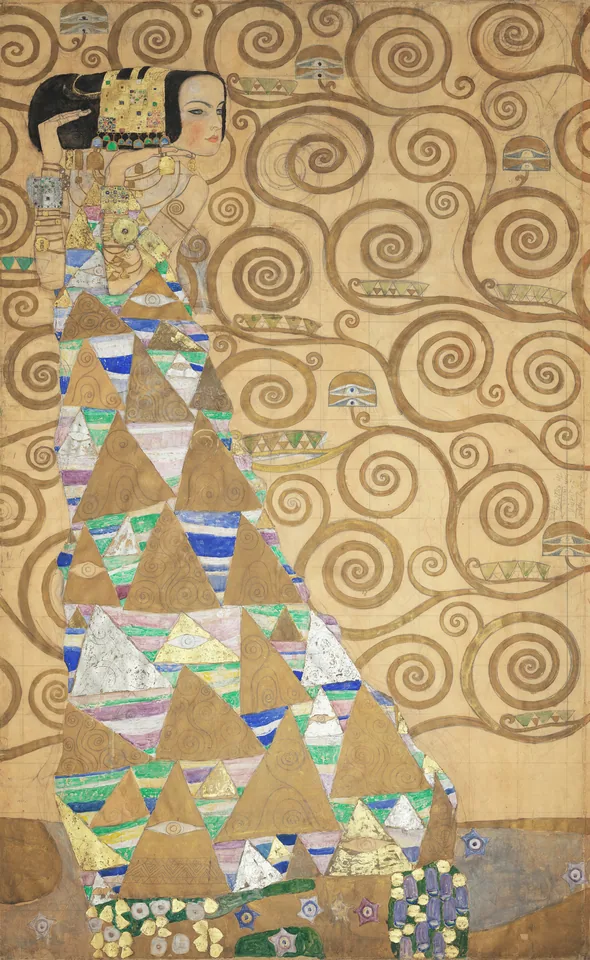
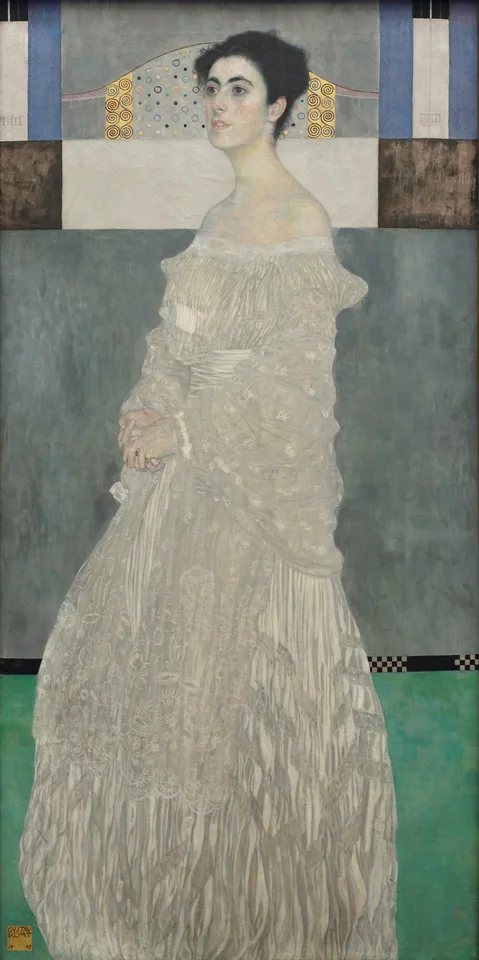
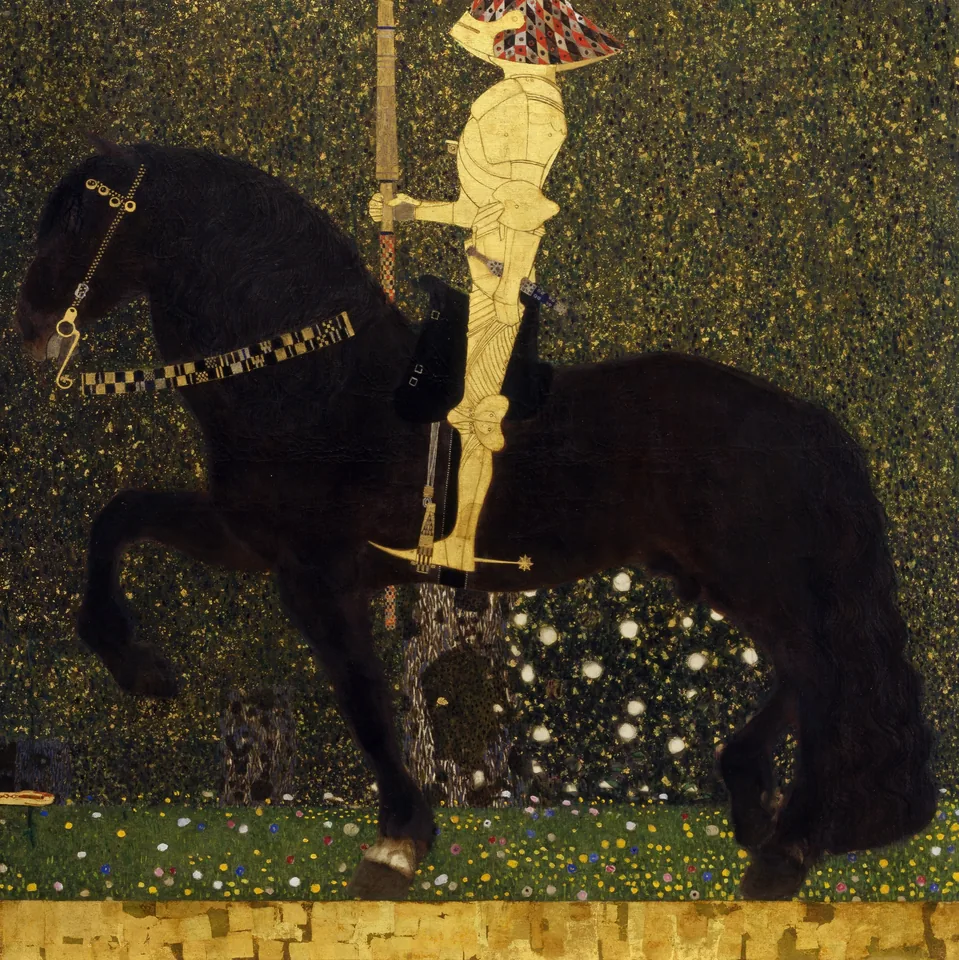
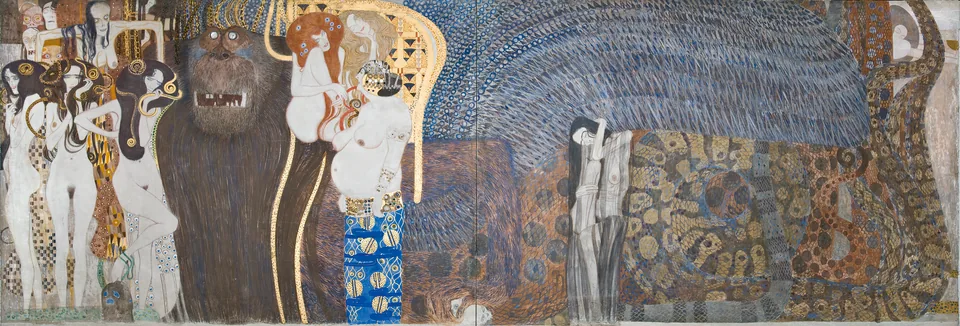
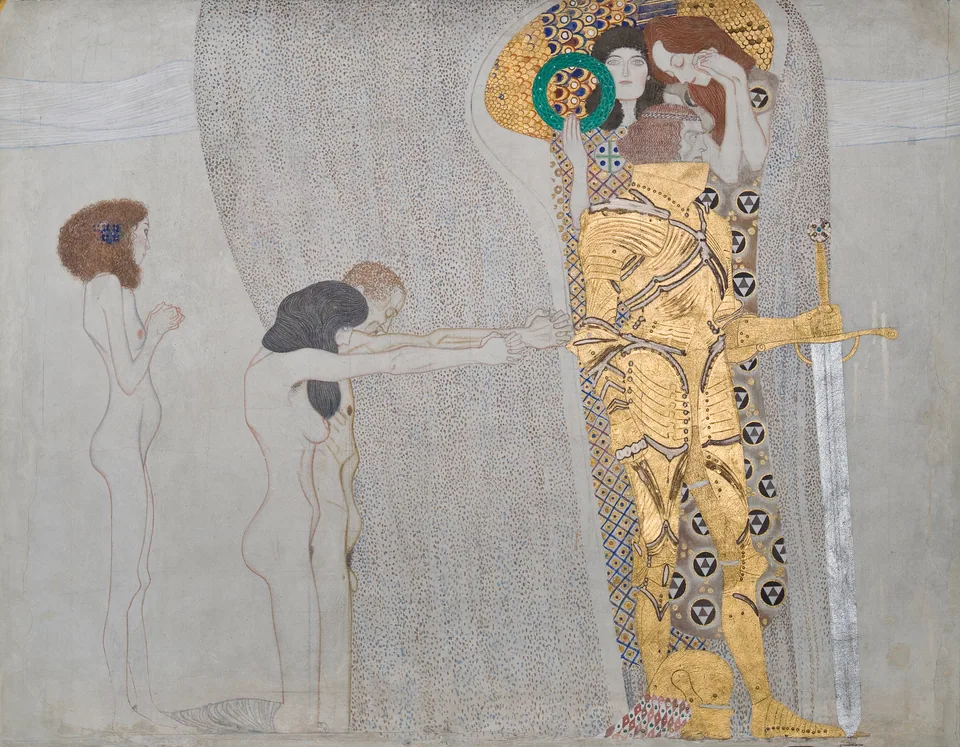
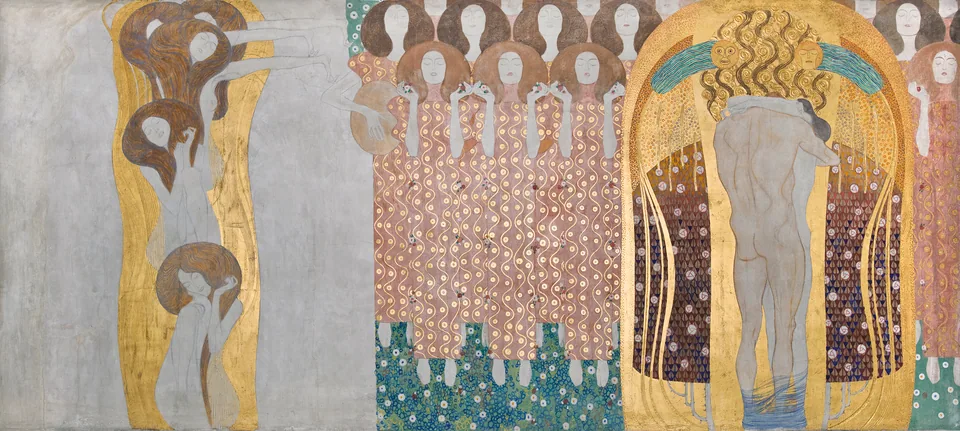
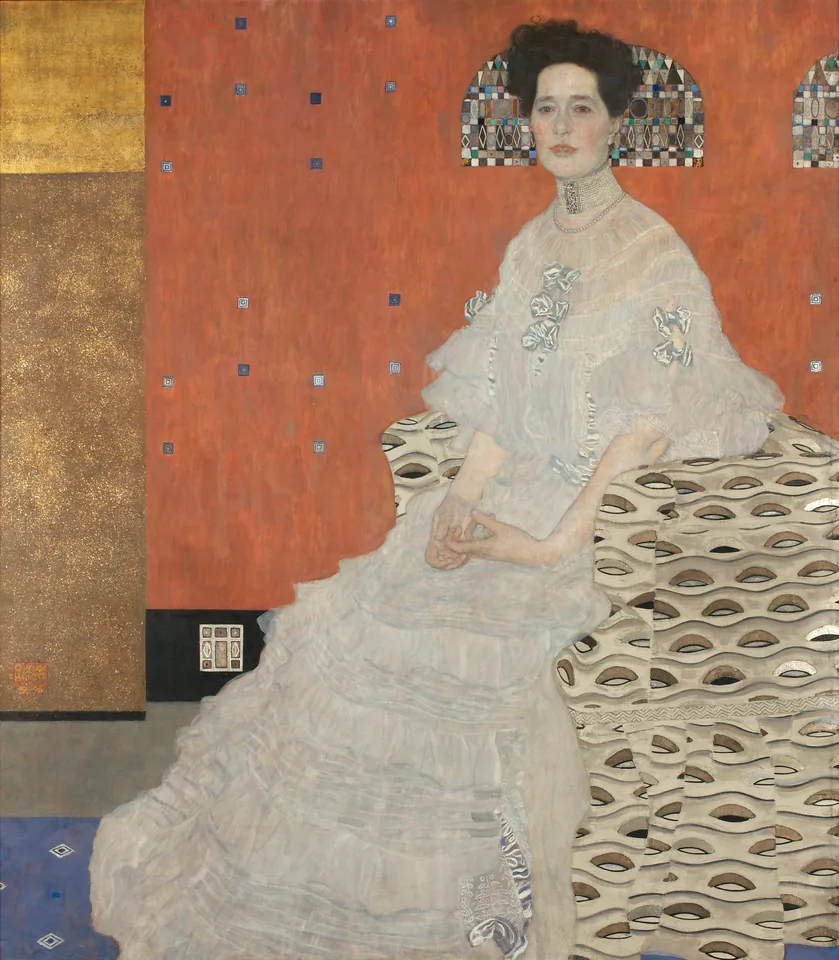
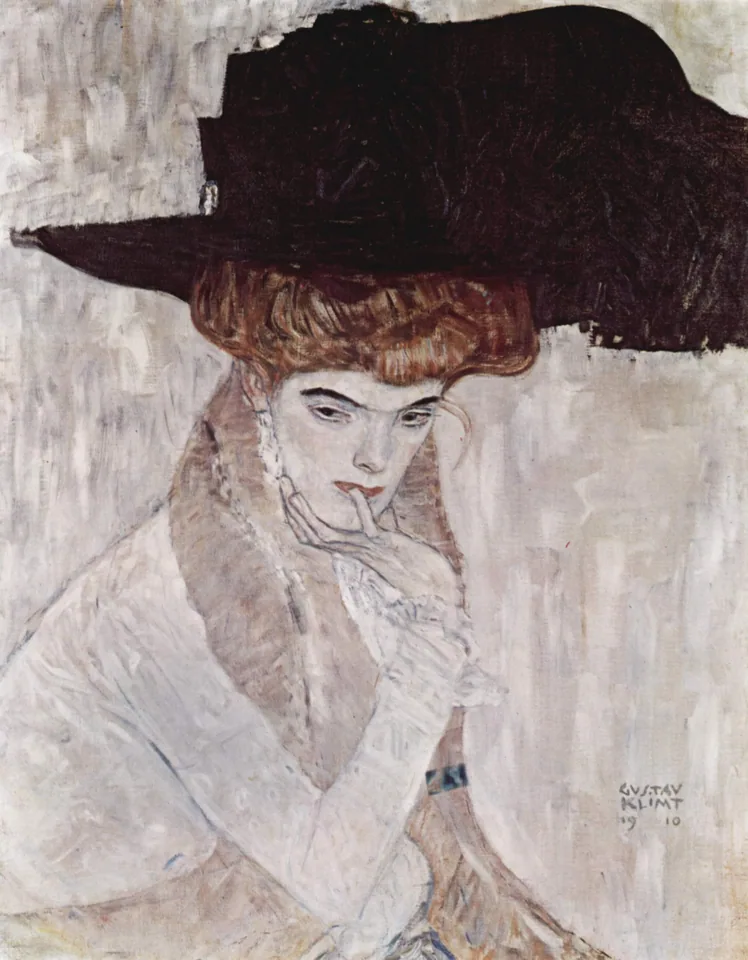
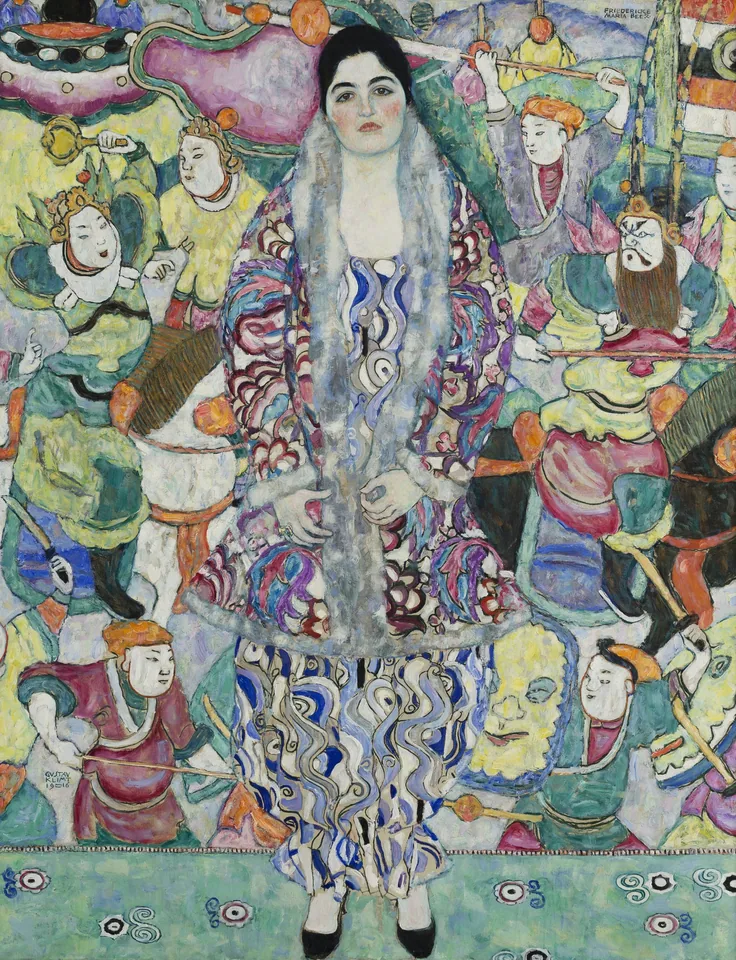
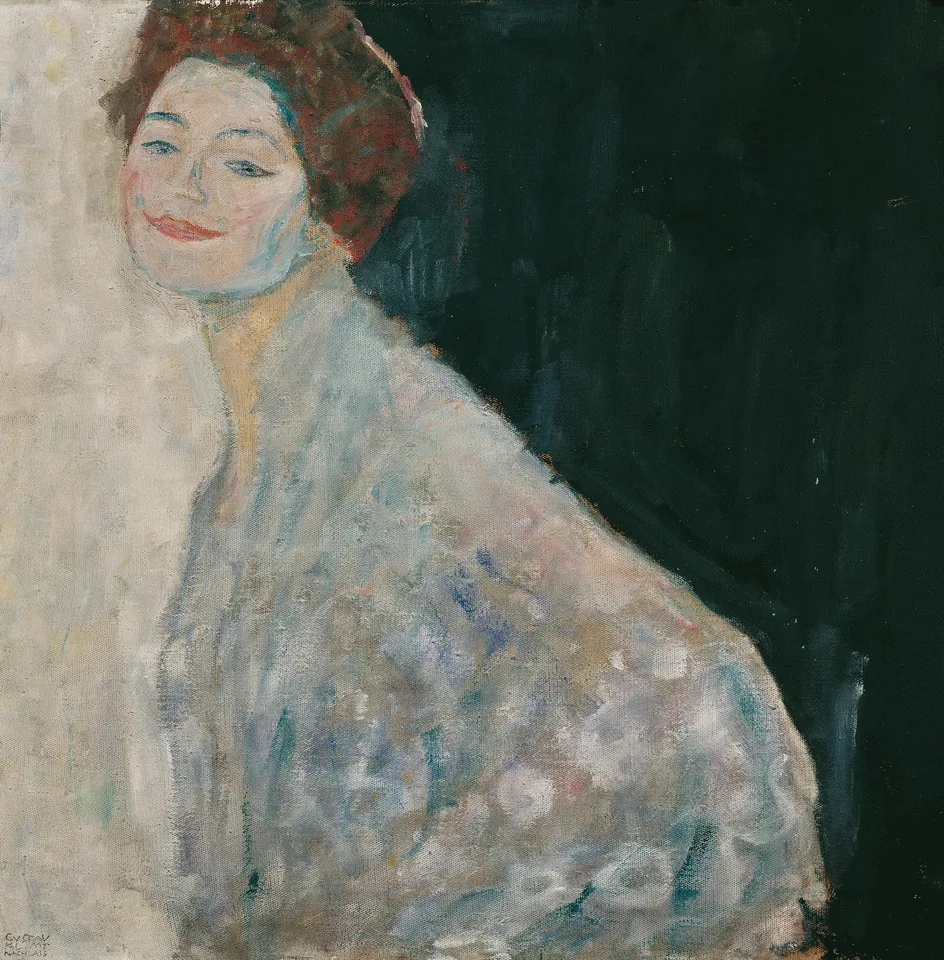
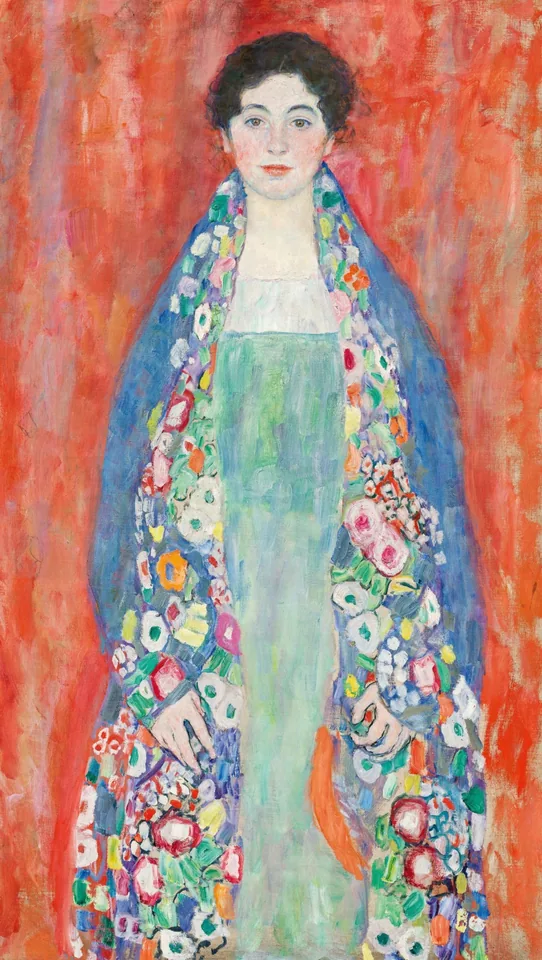
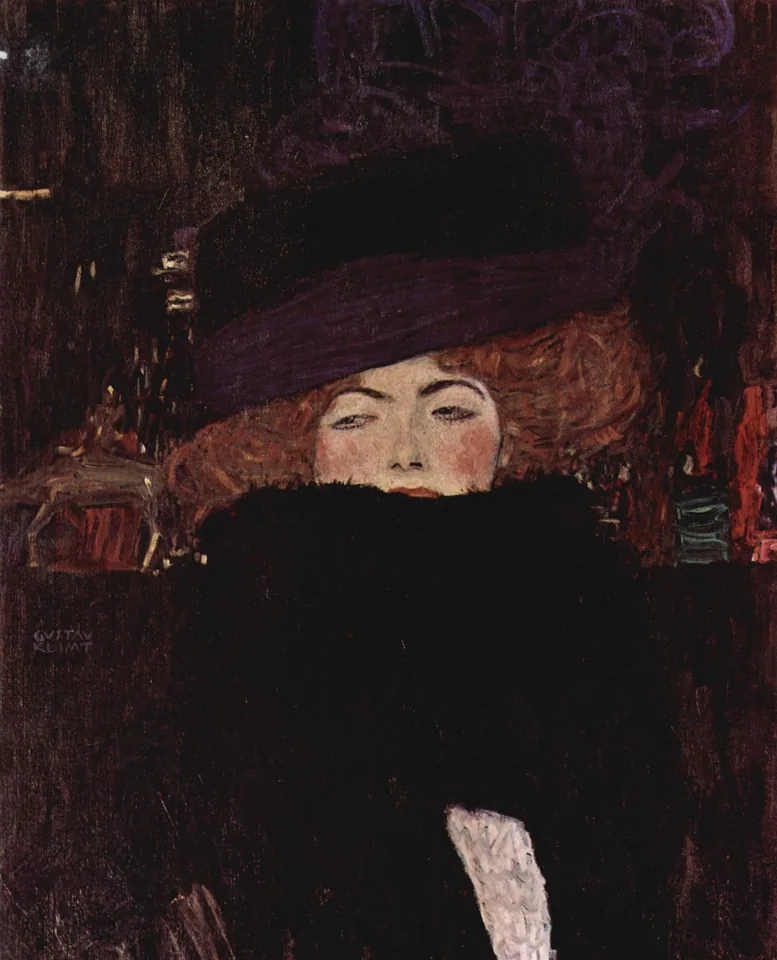
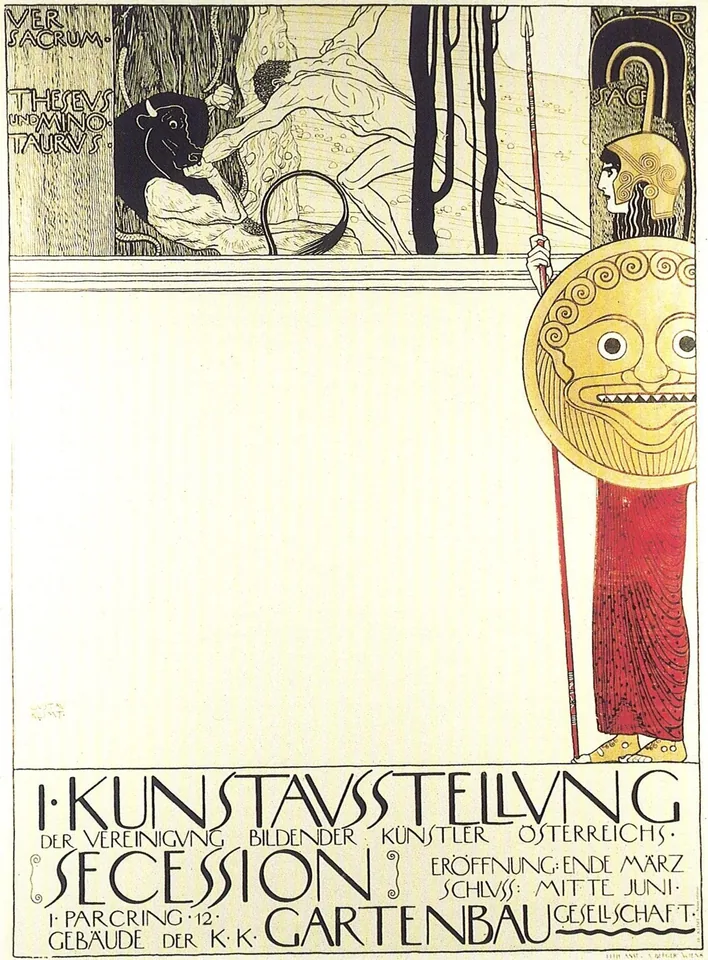
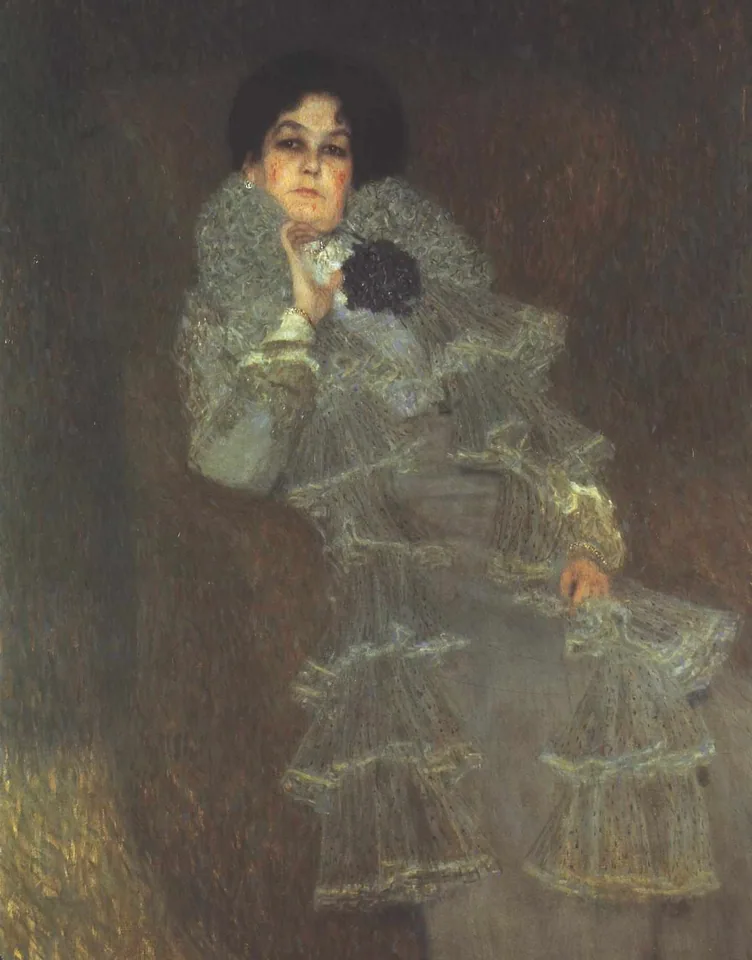
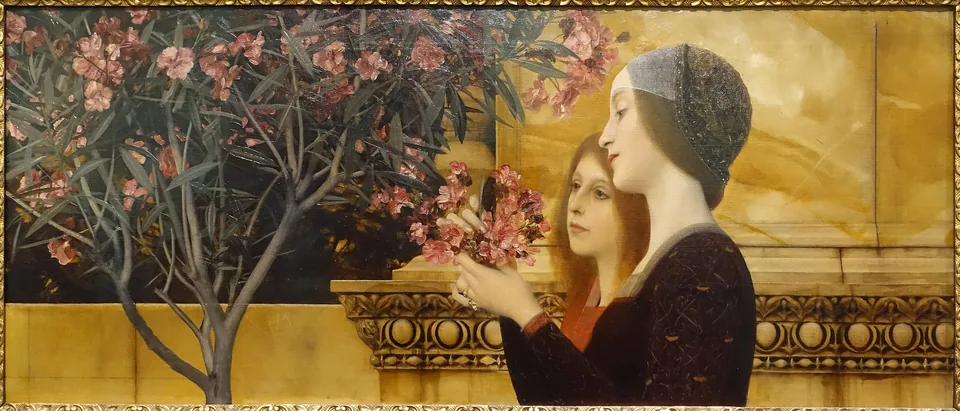
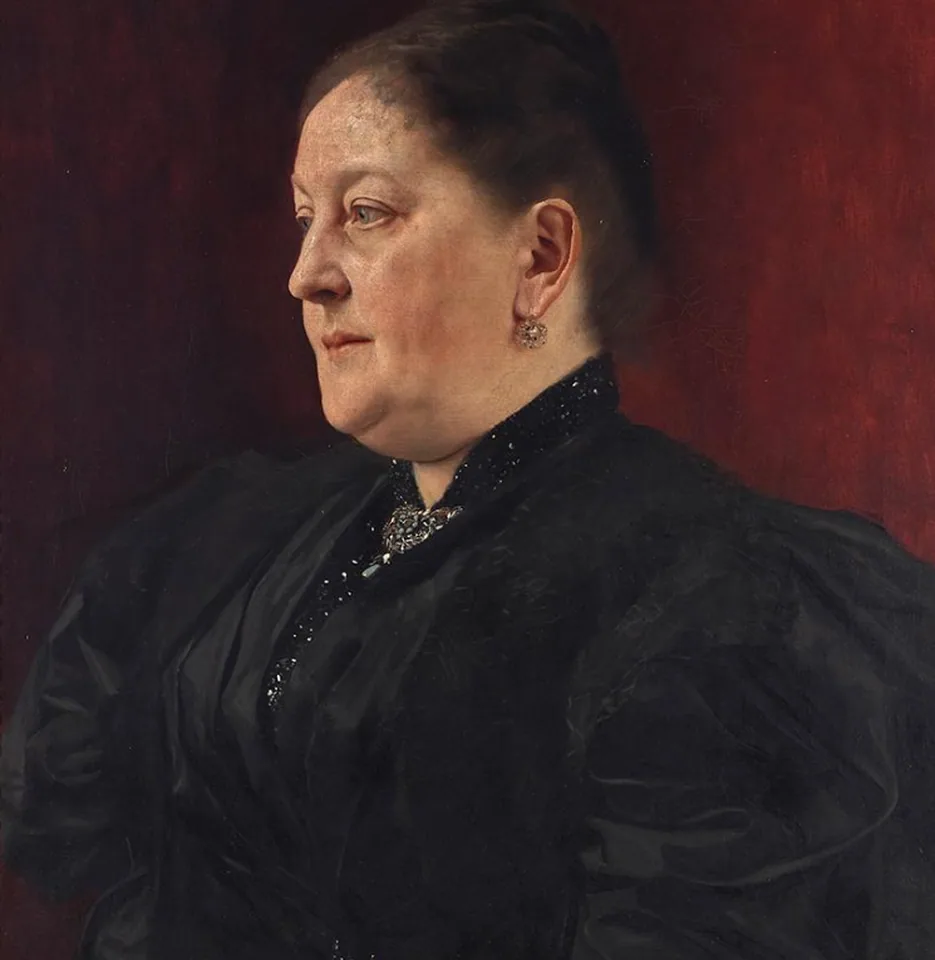
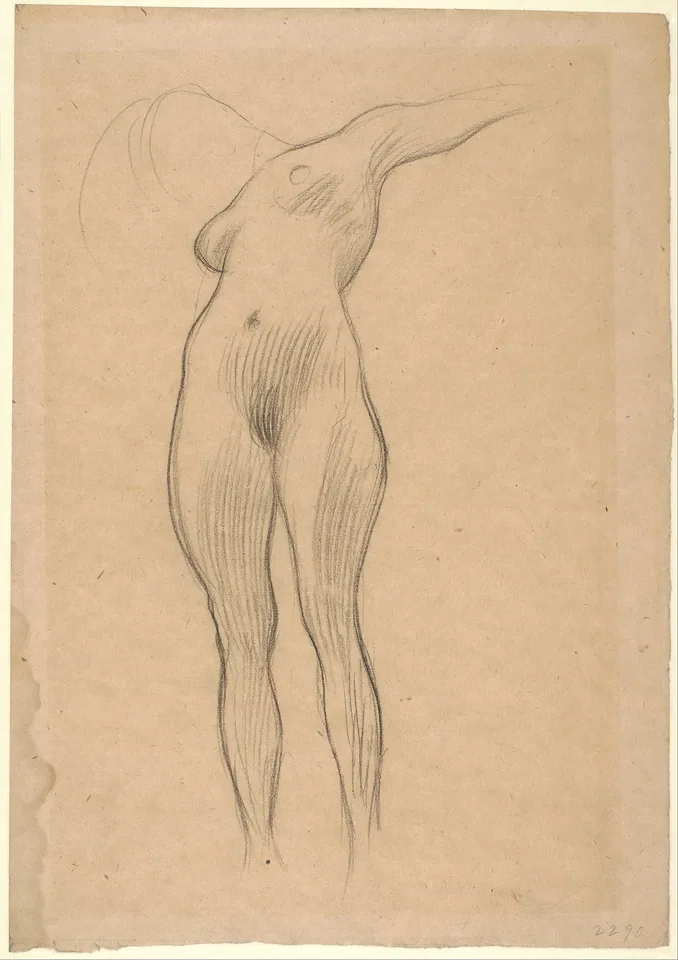
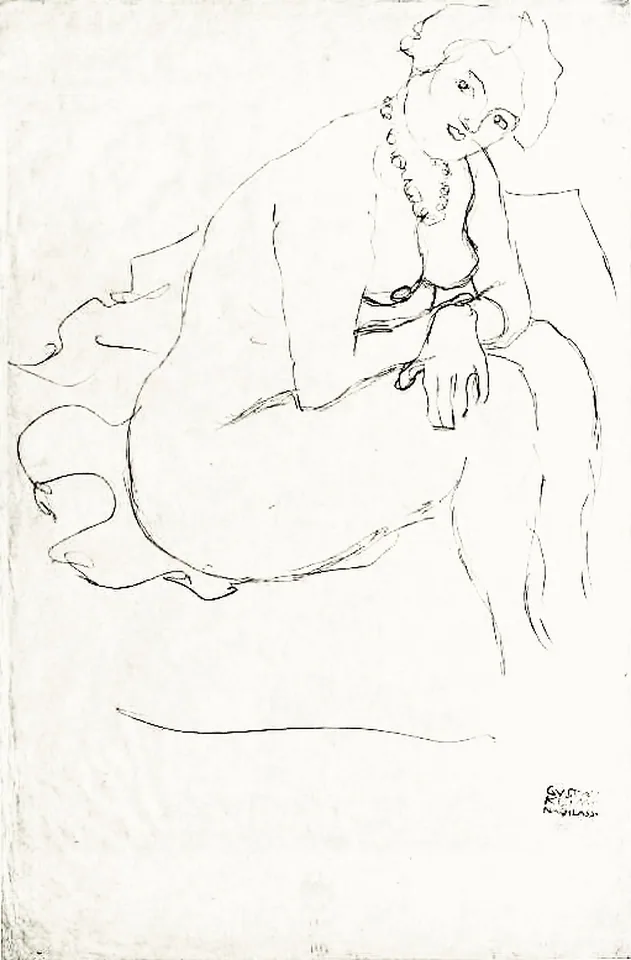
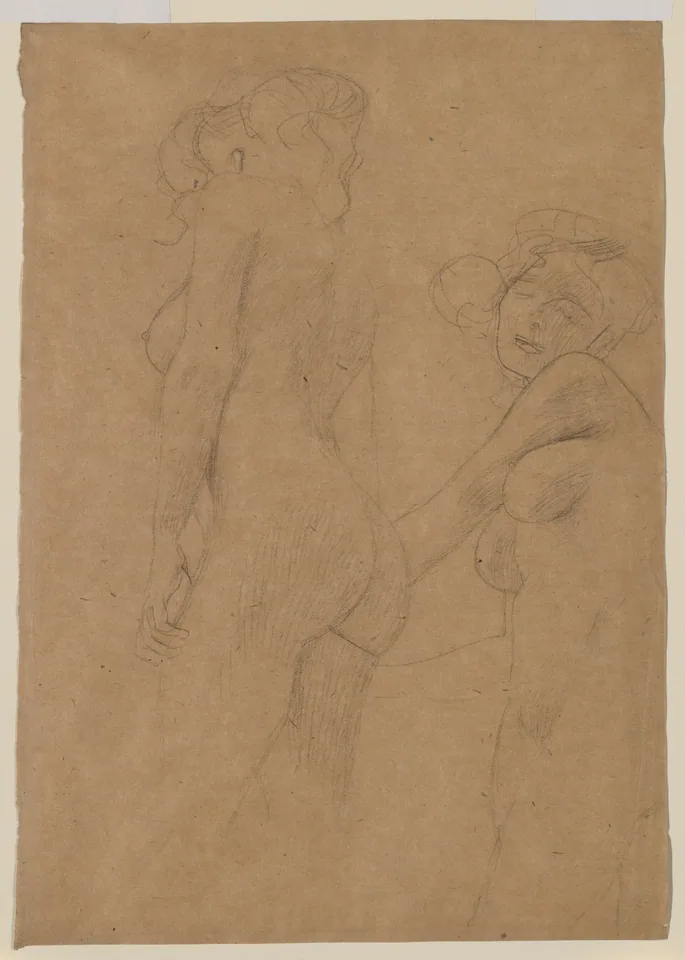
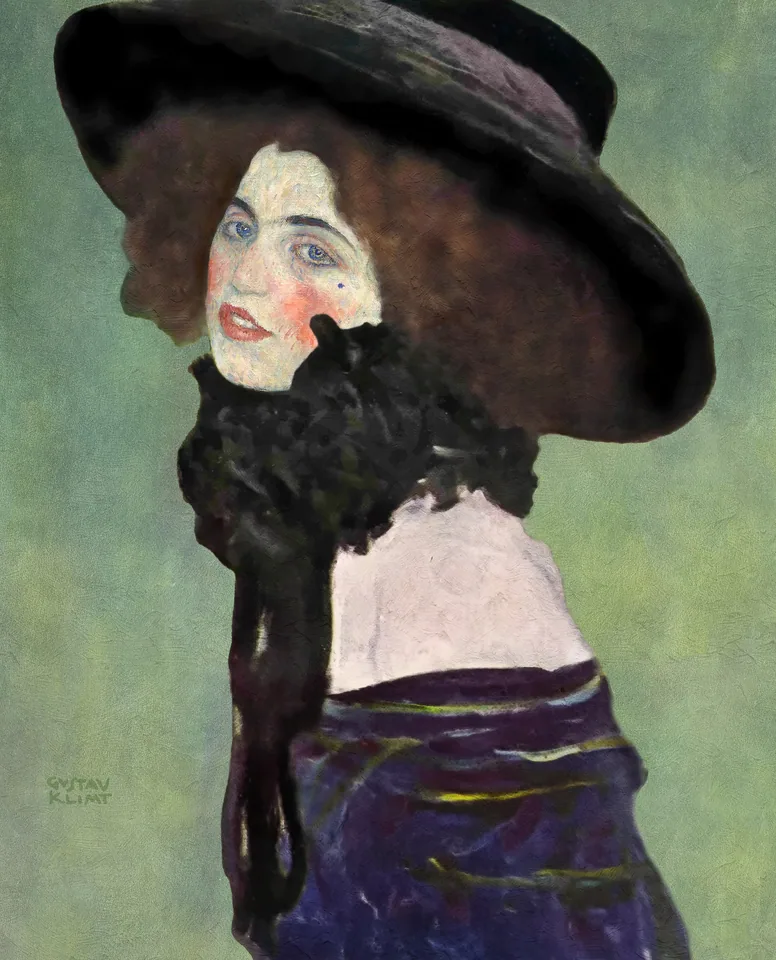
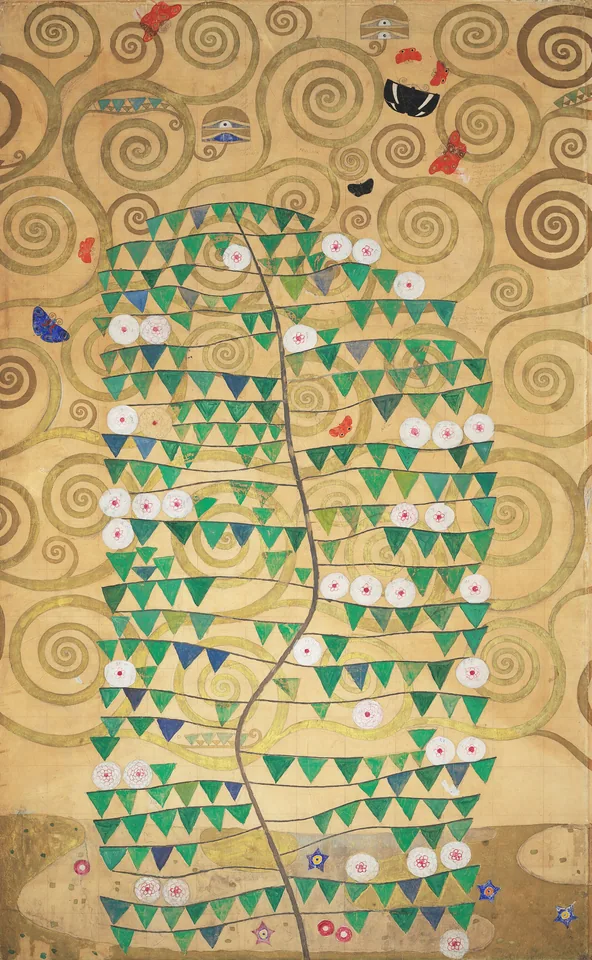
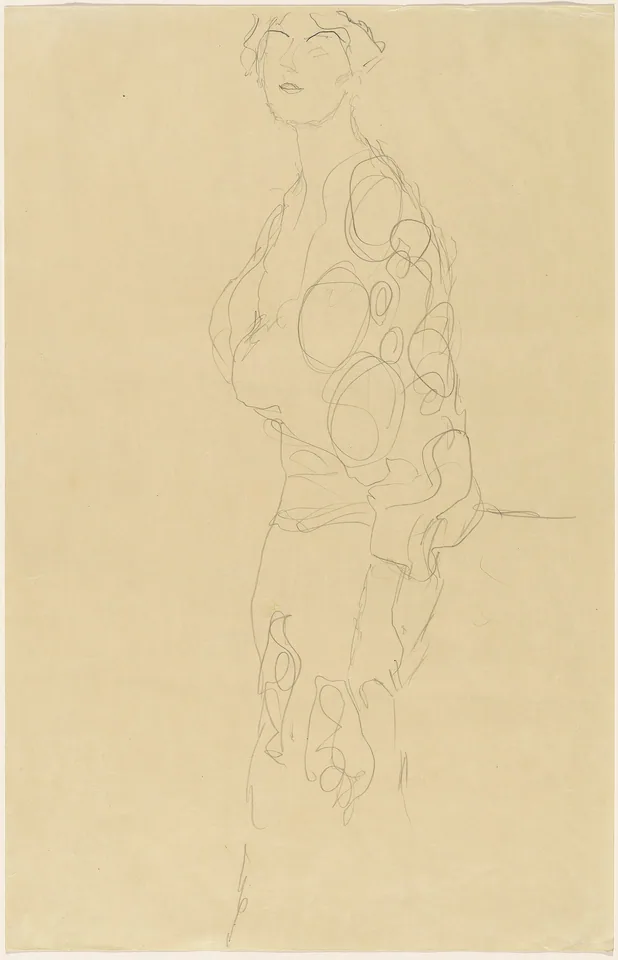
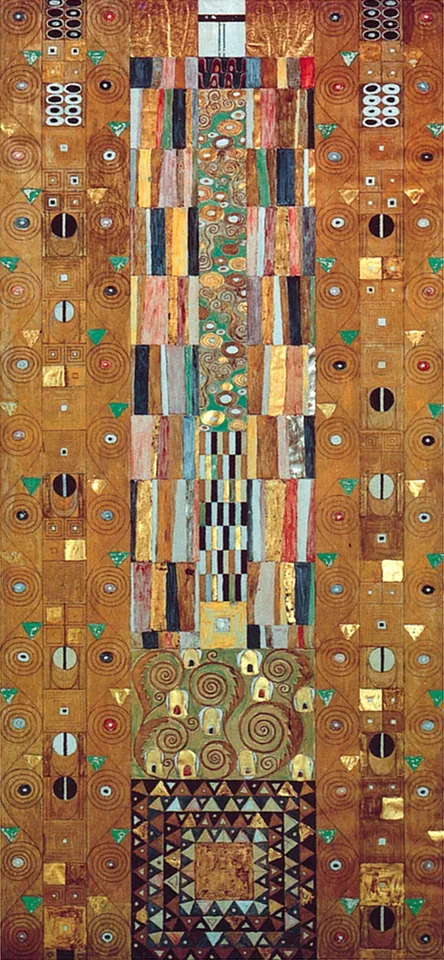
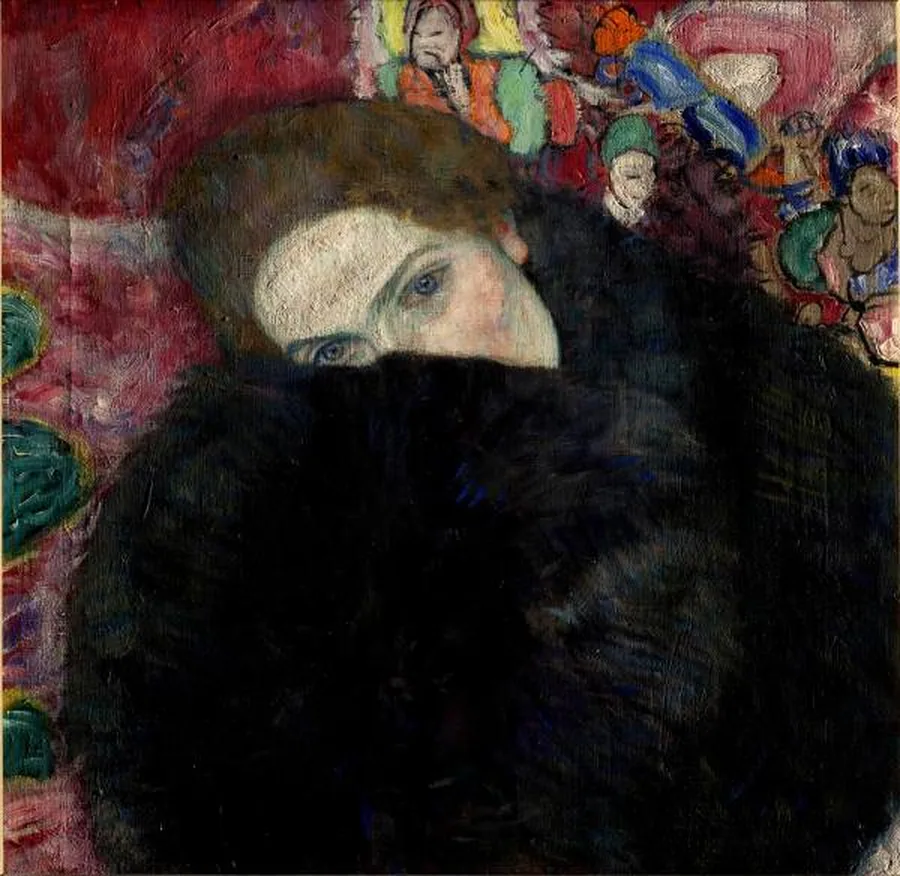
In 1897, Klimt broke away from conservative academic traditions to co-found the Vienna Secession. His mature painting style placed flat decorative shapes, gold leaf, and floral motifs directly against realistically modeled human faces and hands. The female body served as his primary subject. Klimt transformed classical allegories into figures exploring sensuality, life, and mortality.
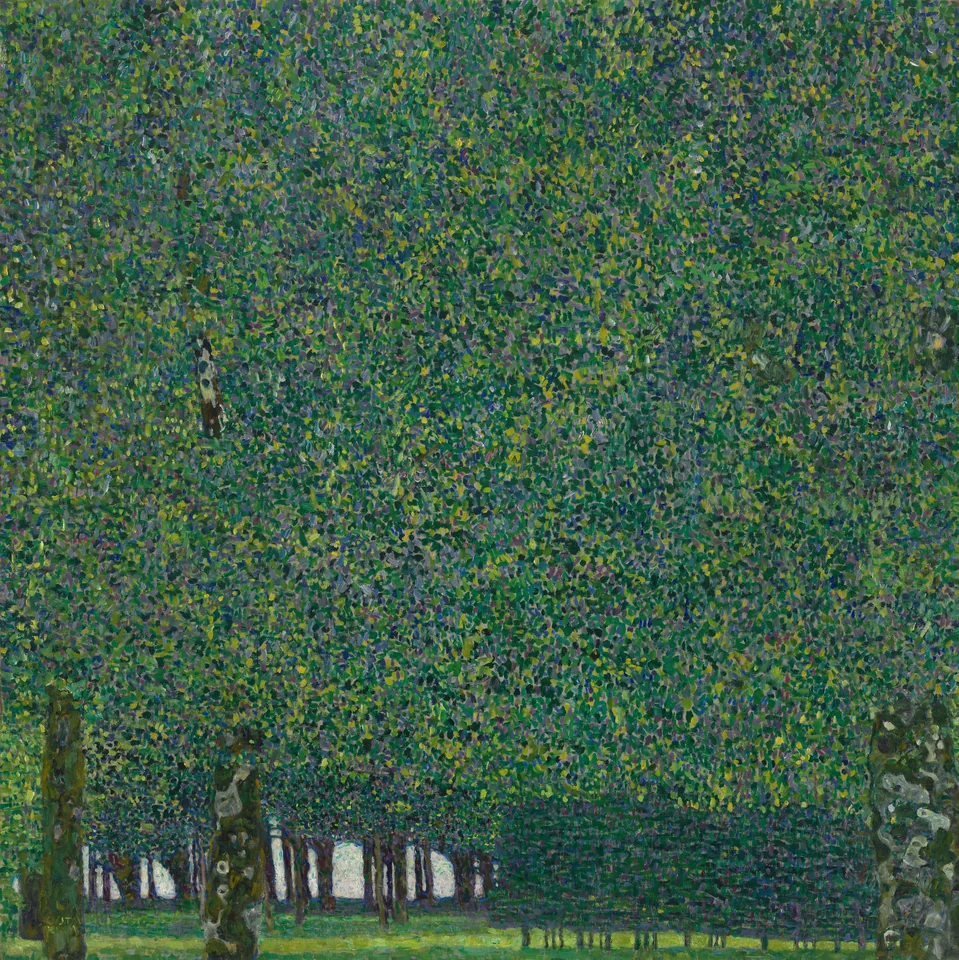
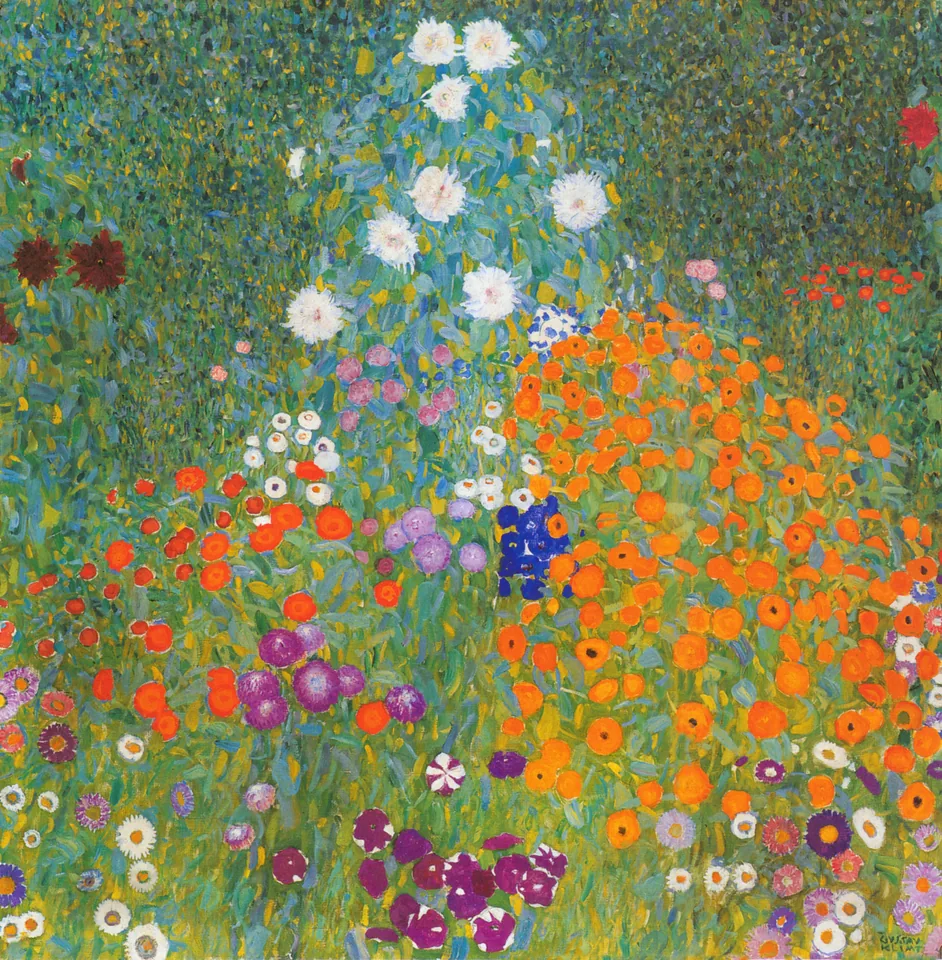
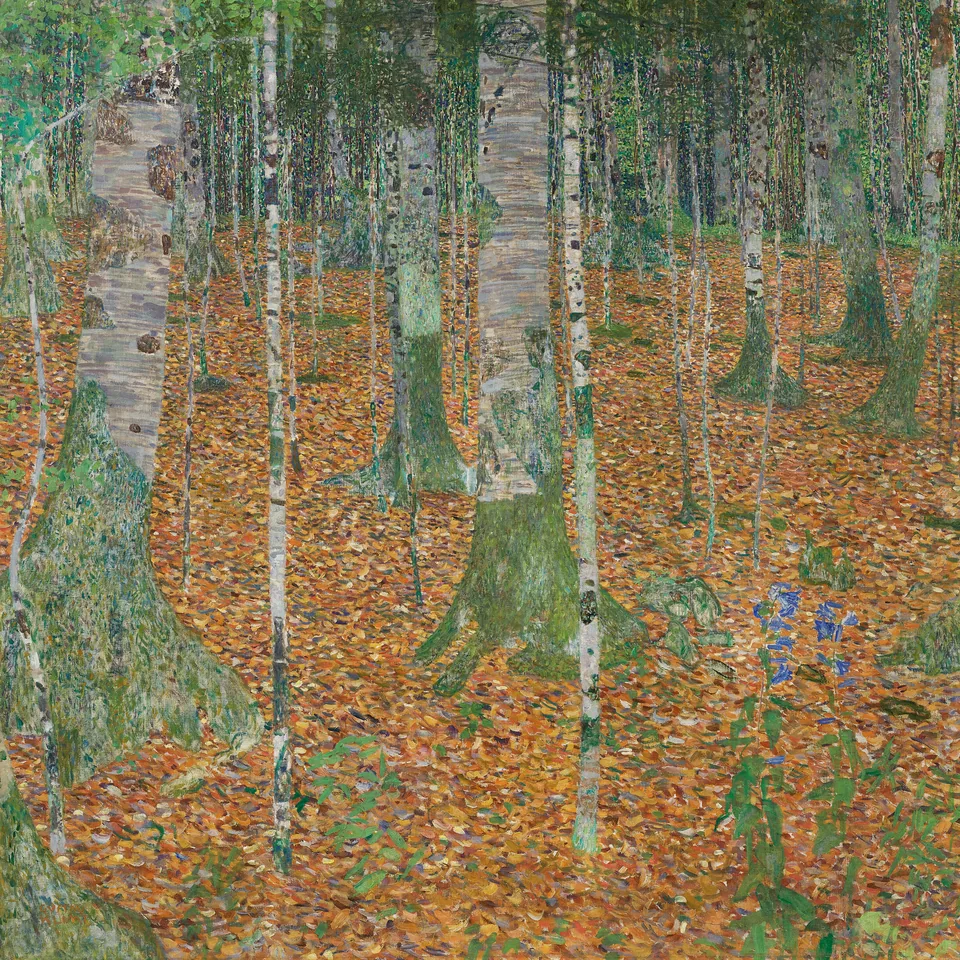
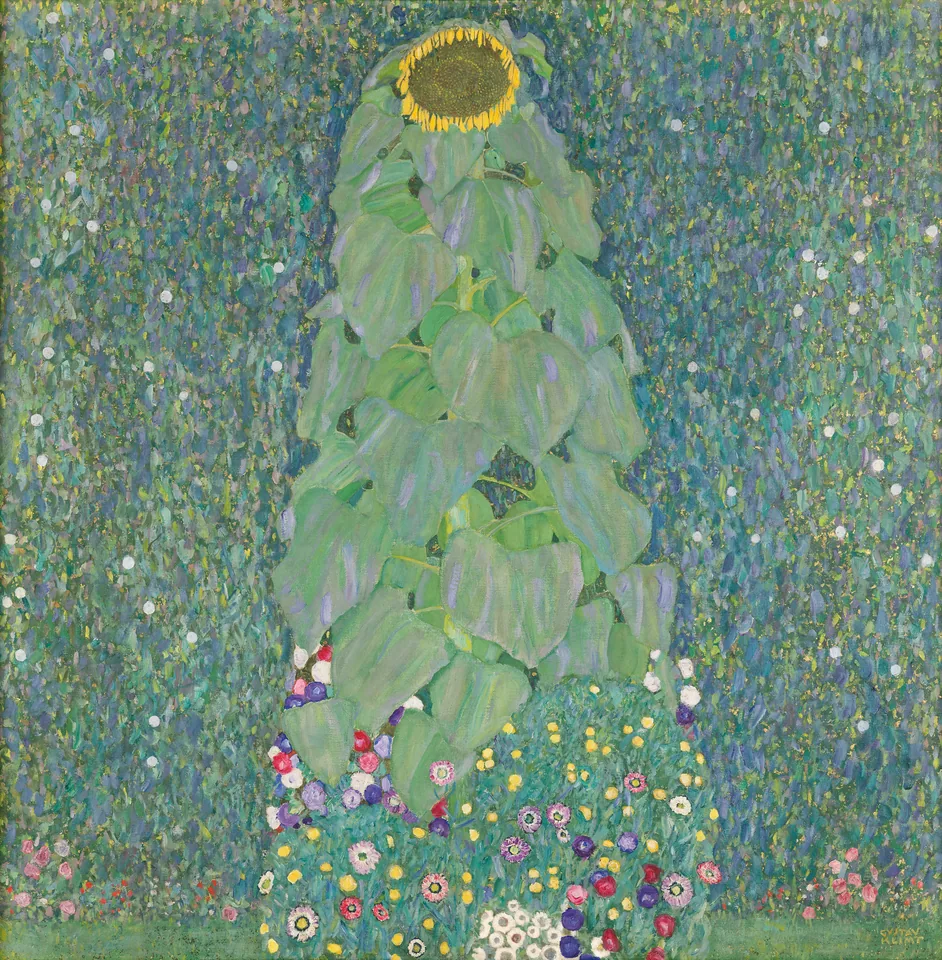
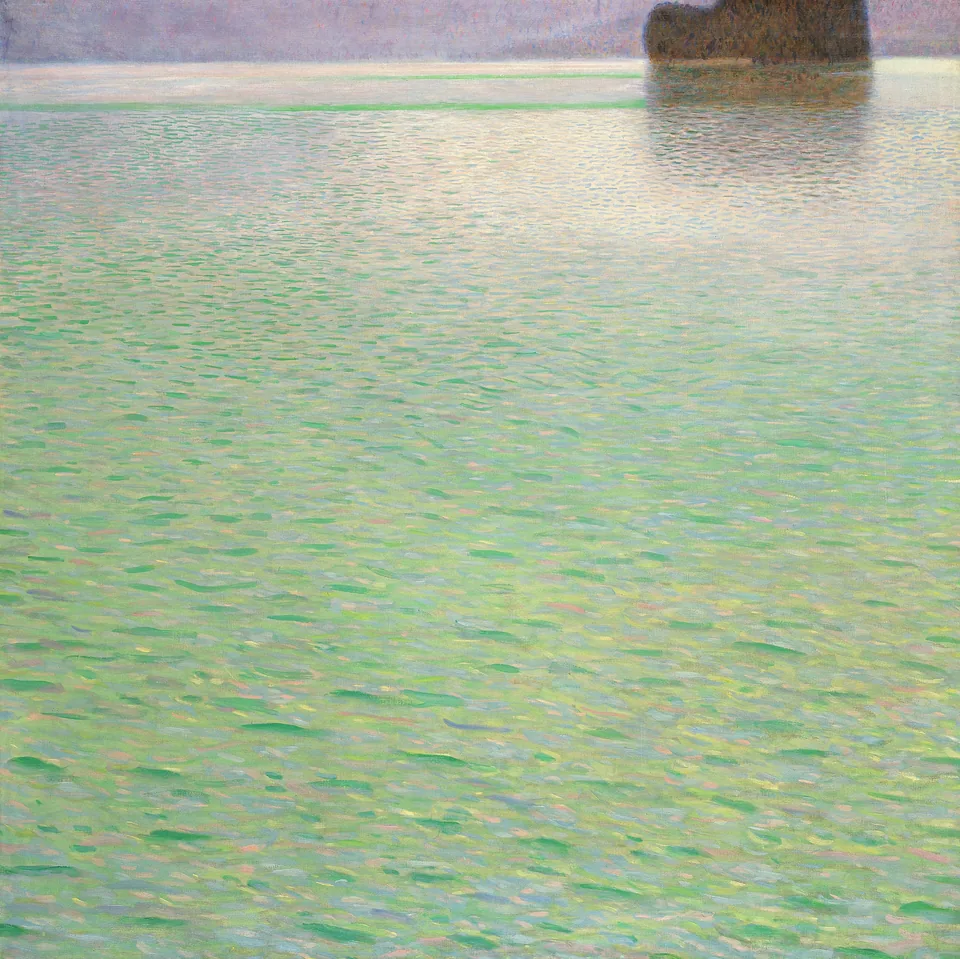
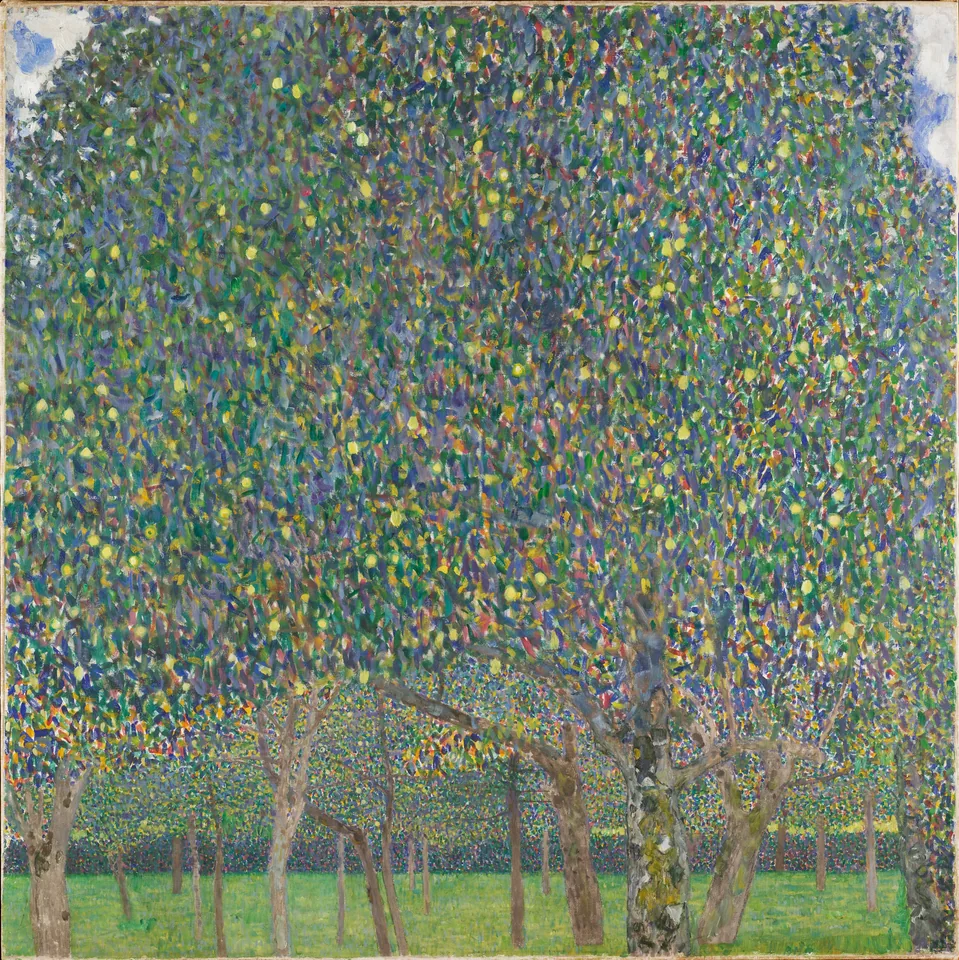
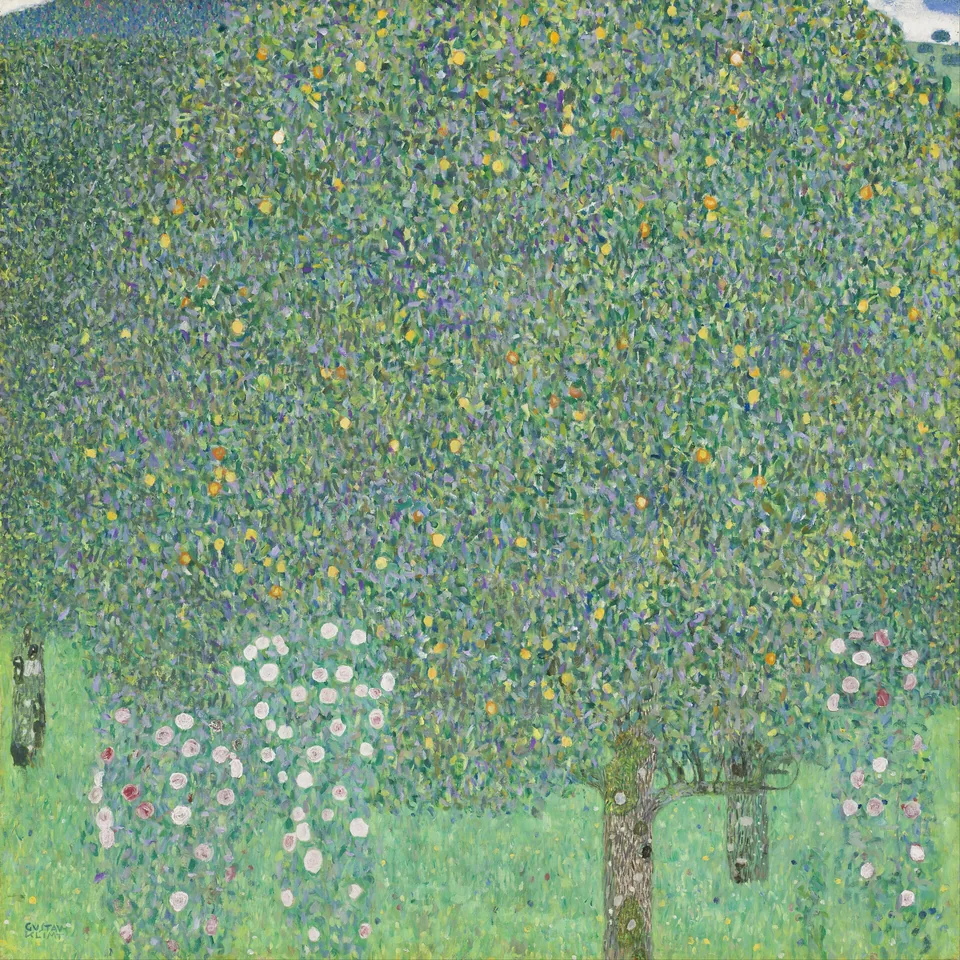
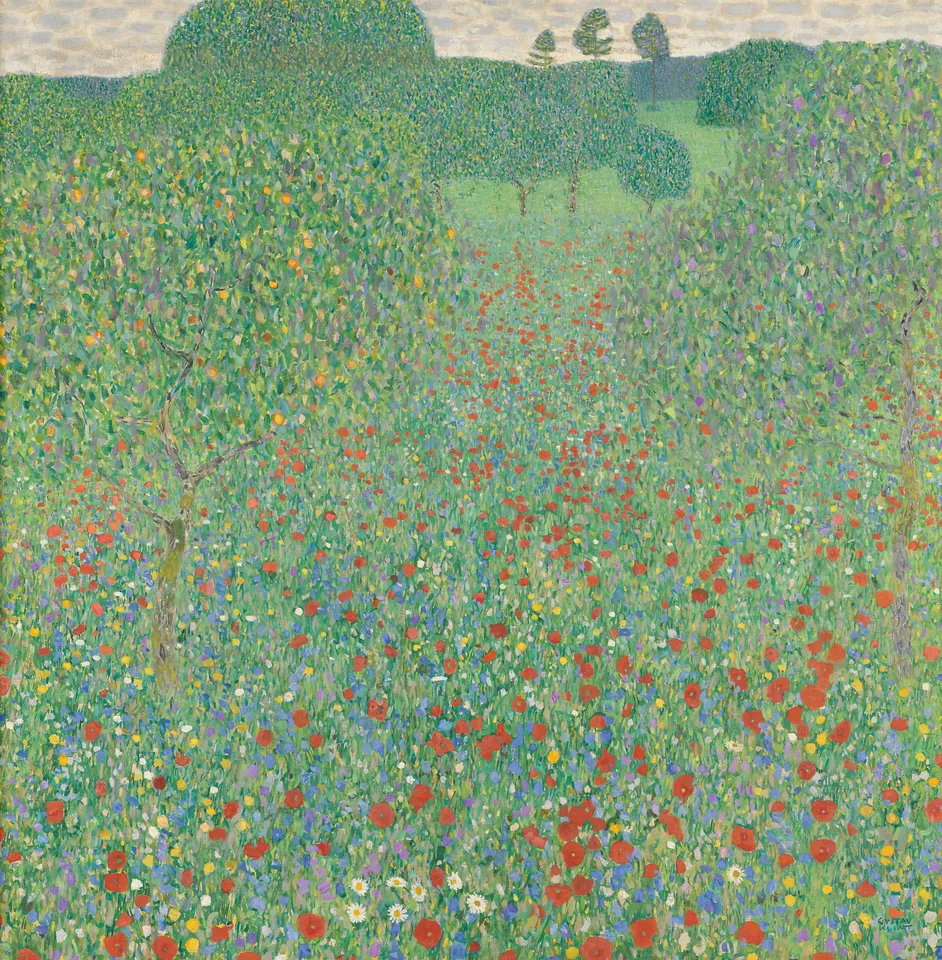
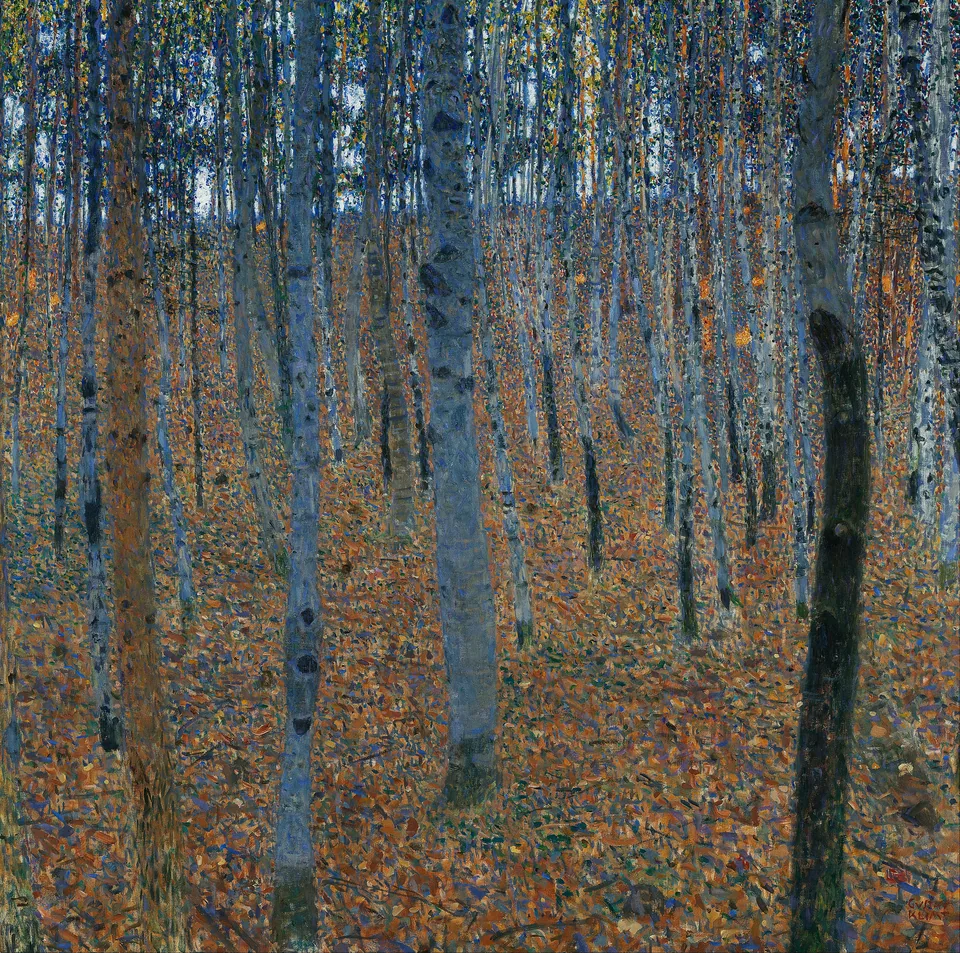
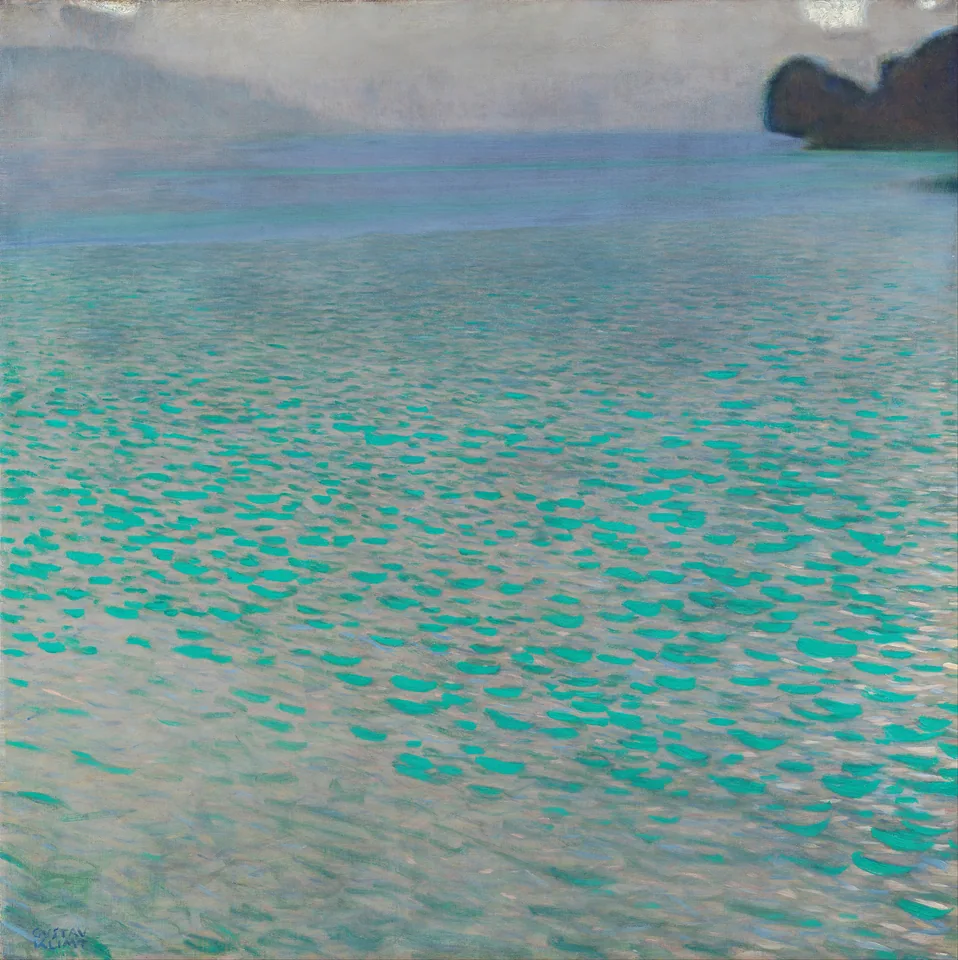
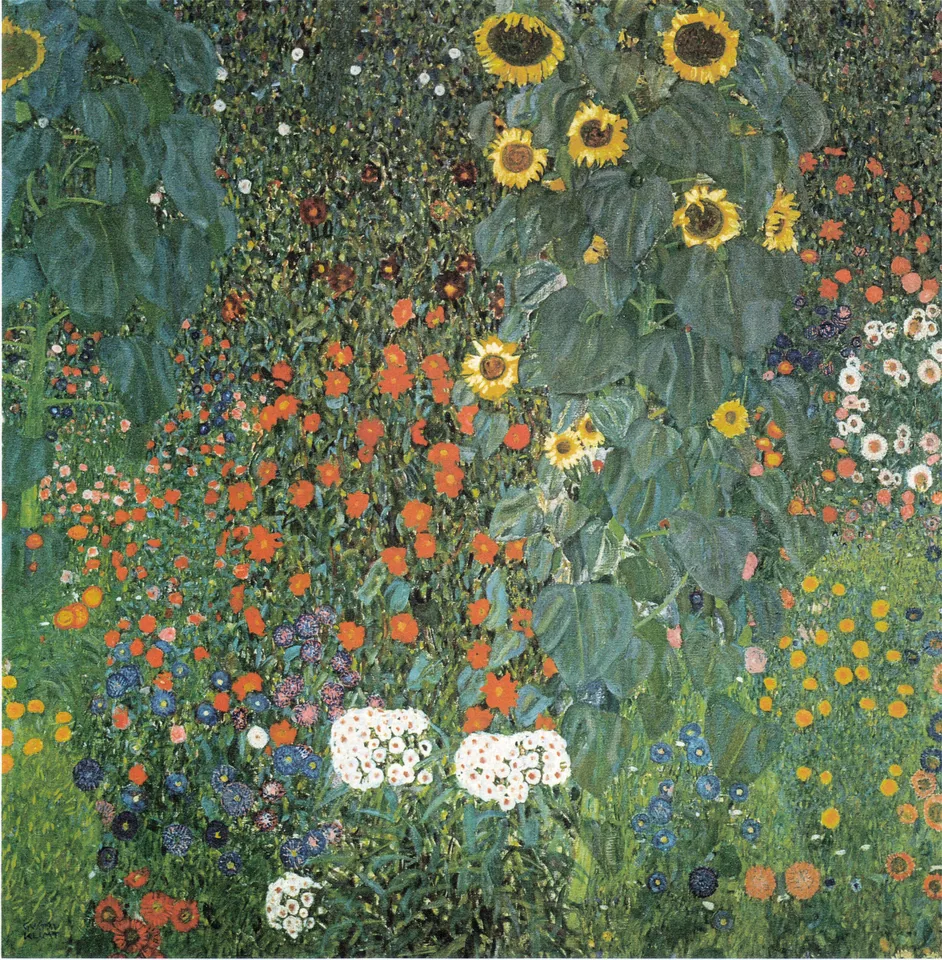
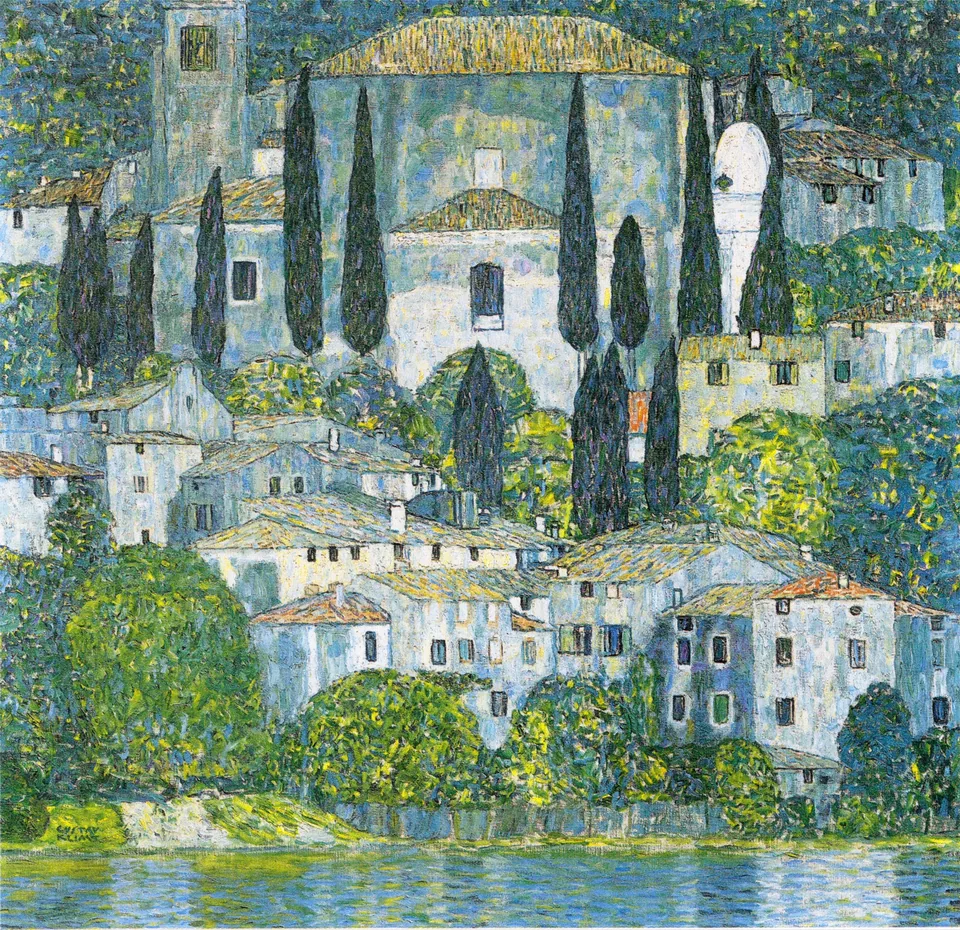
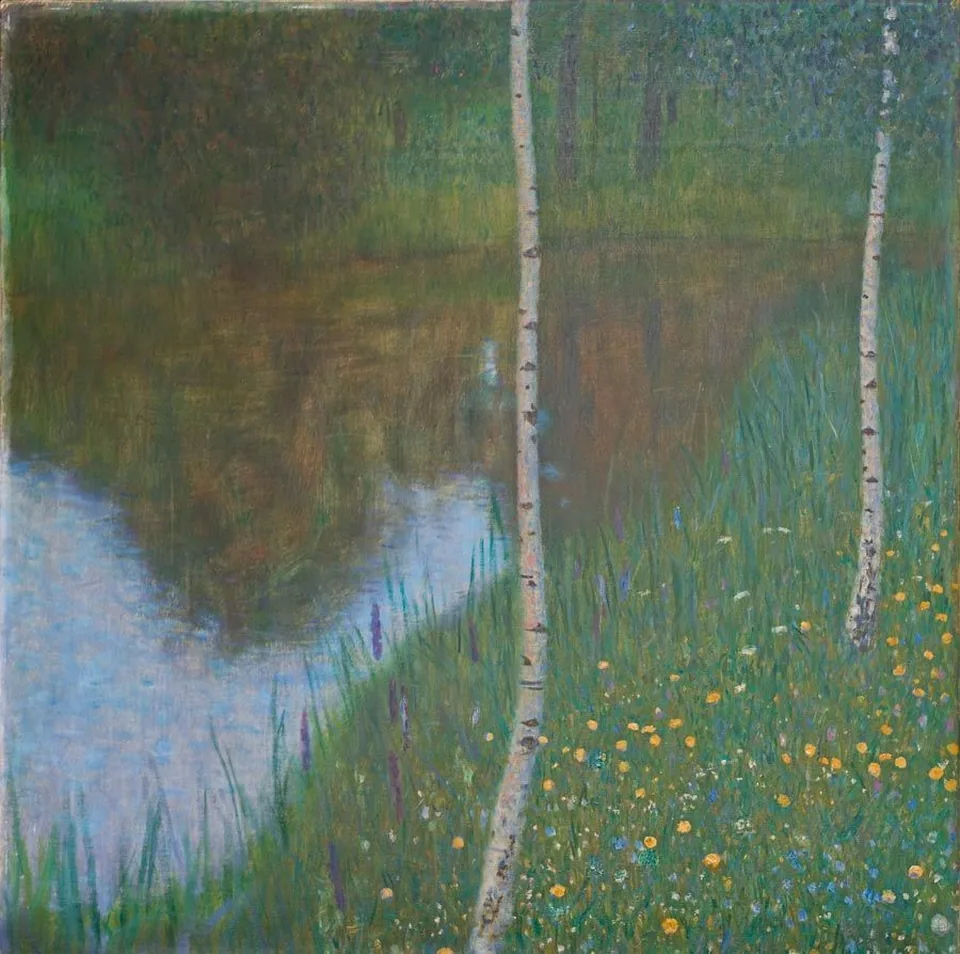
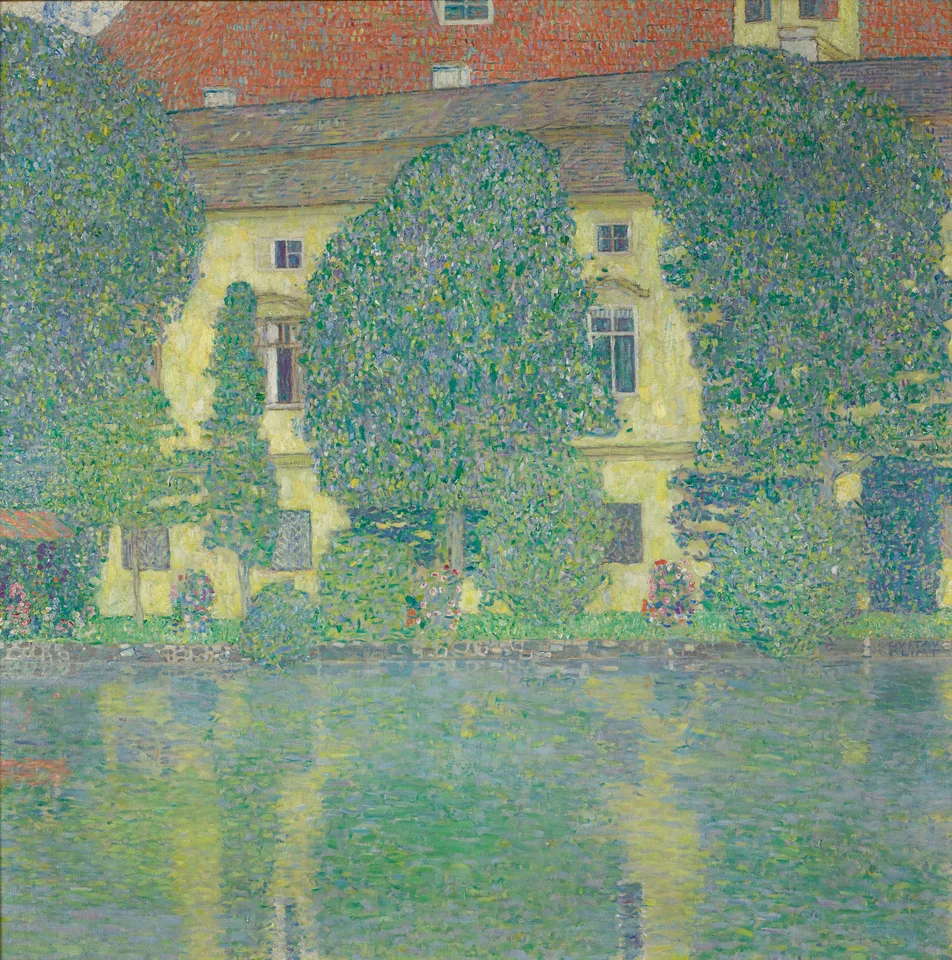
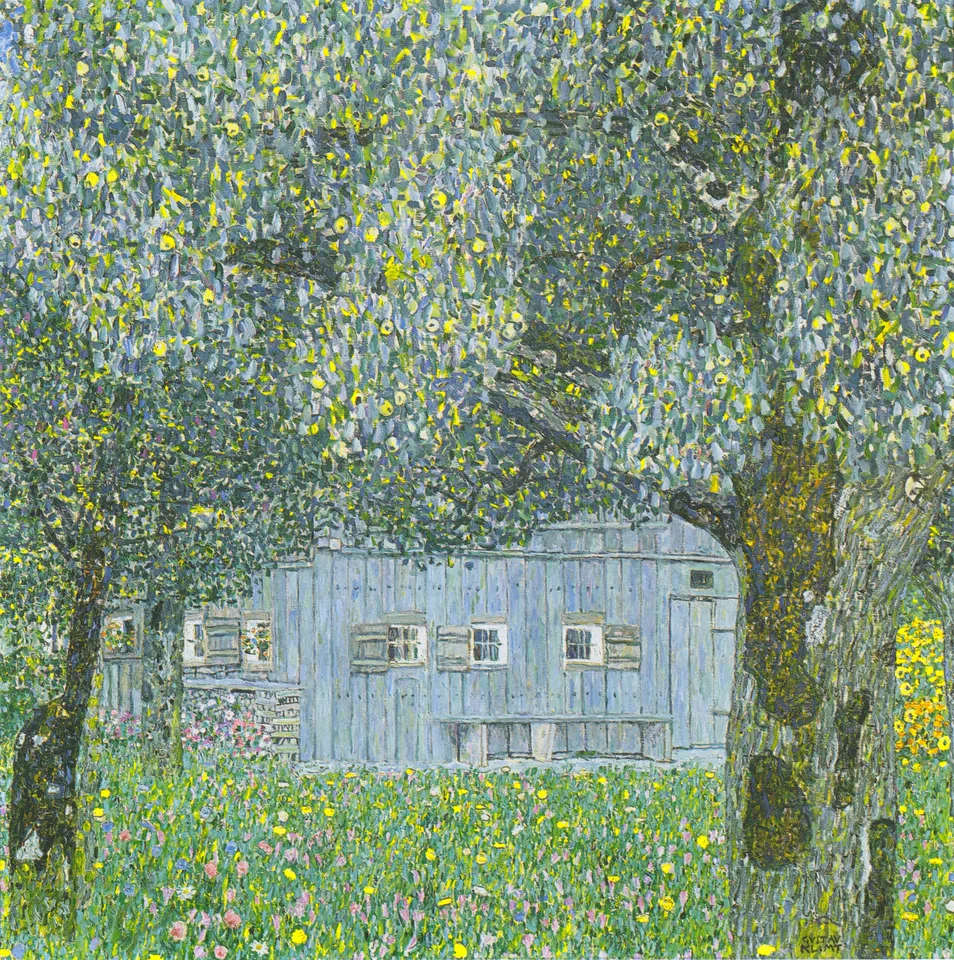
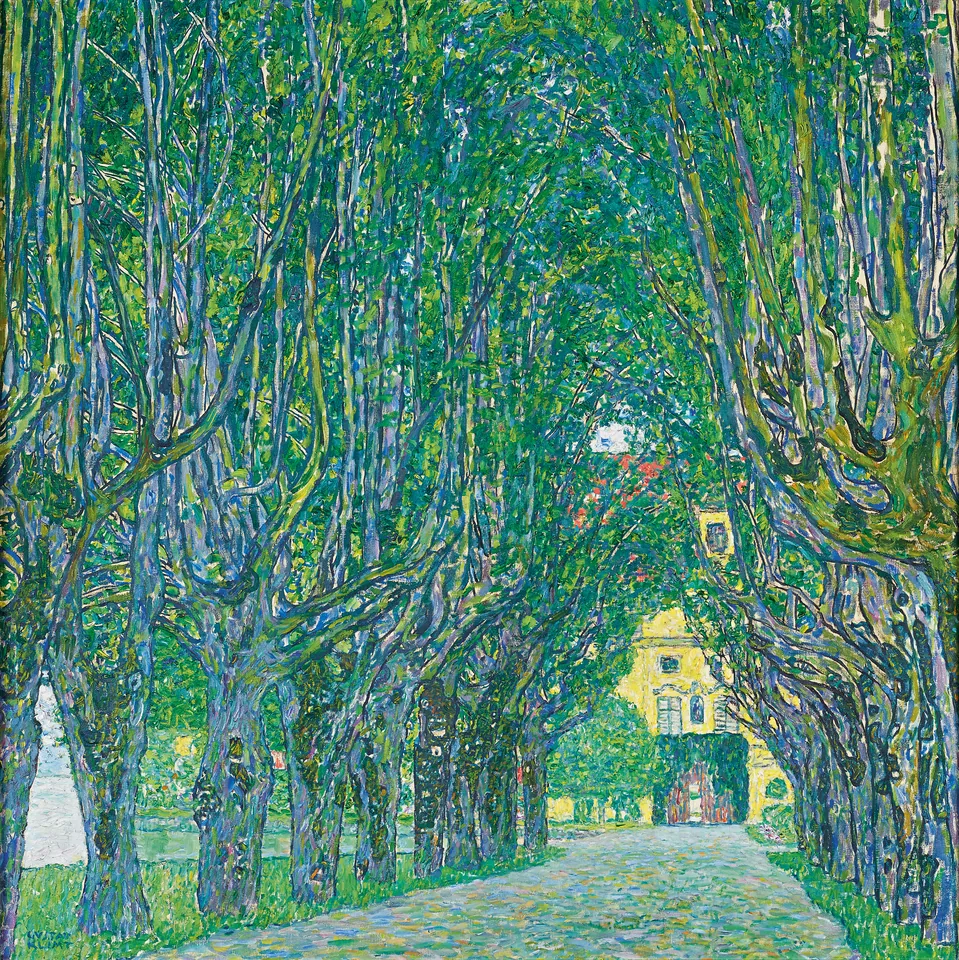
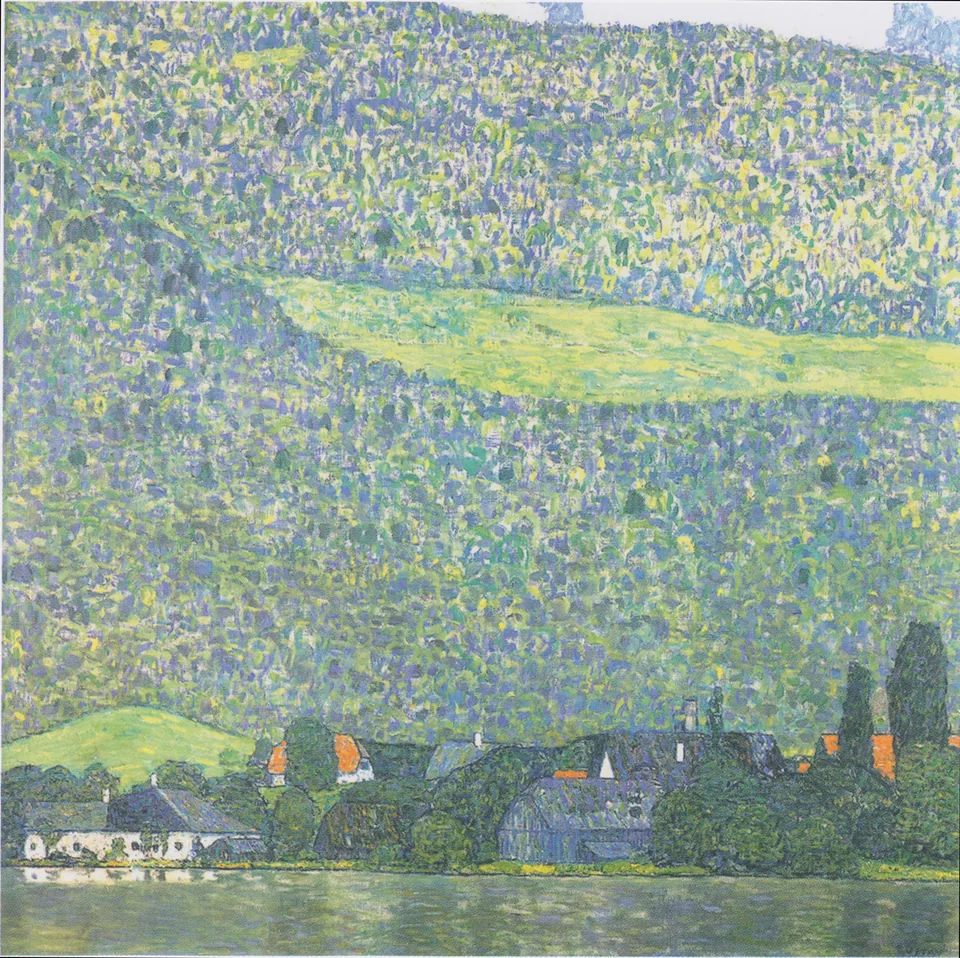
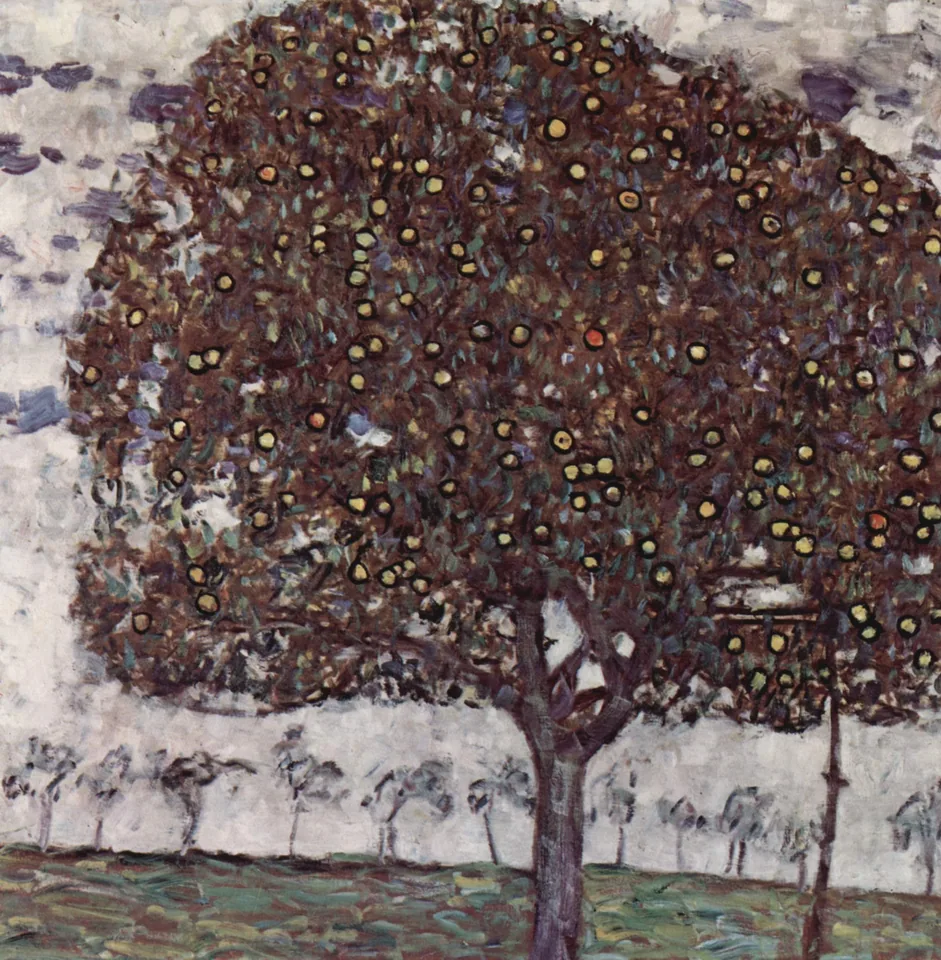
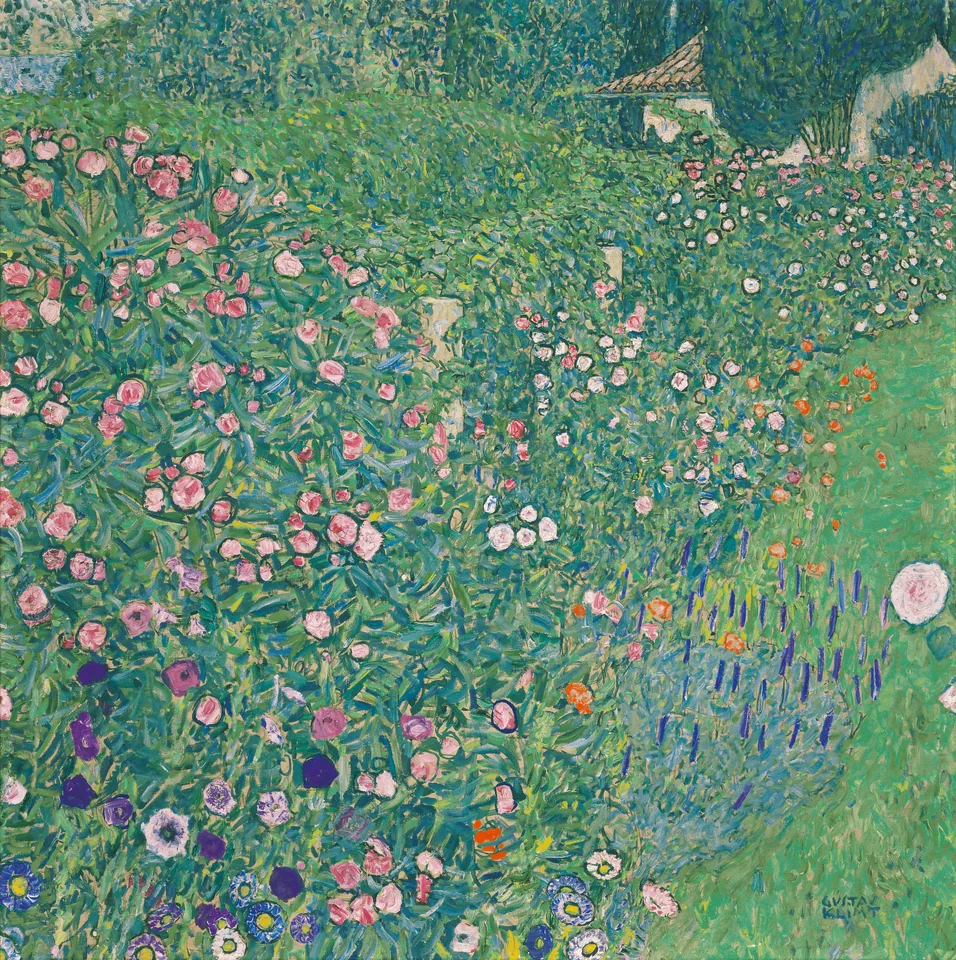
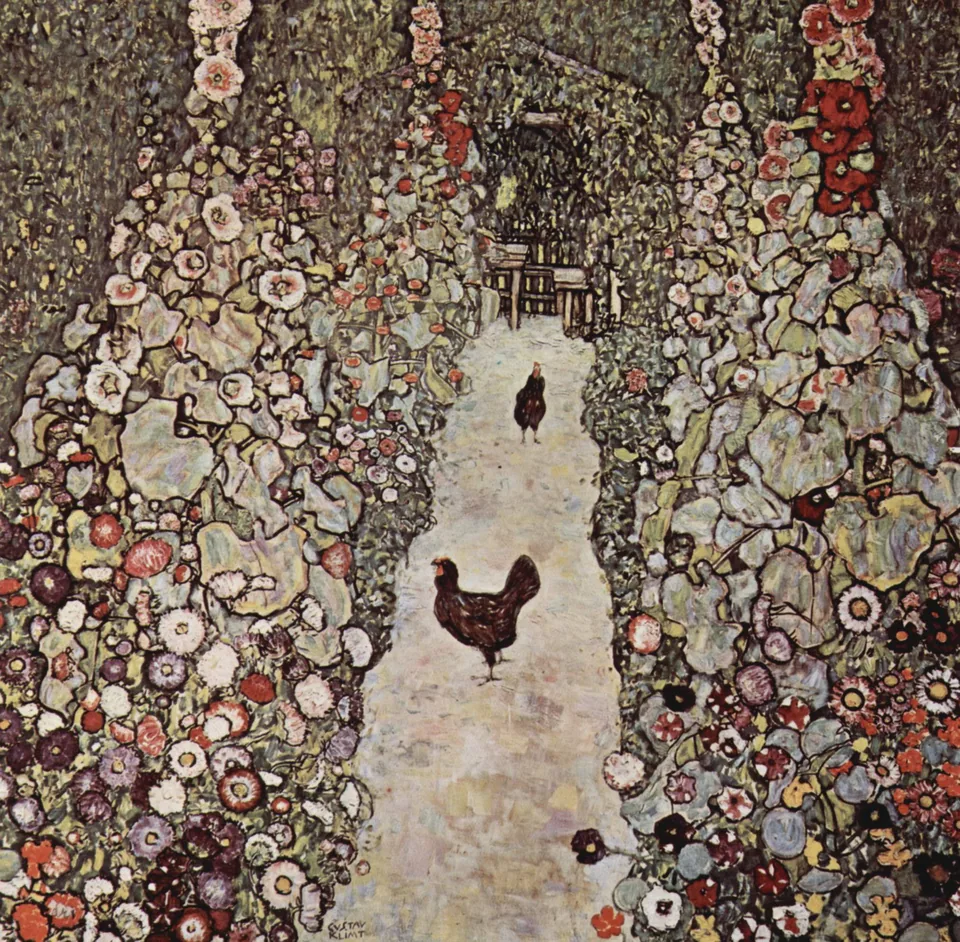
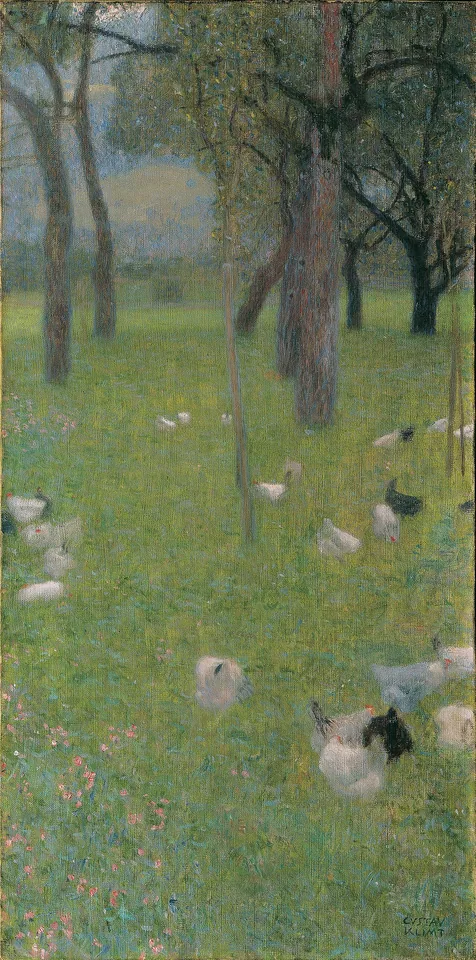
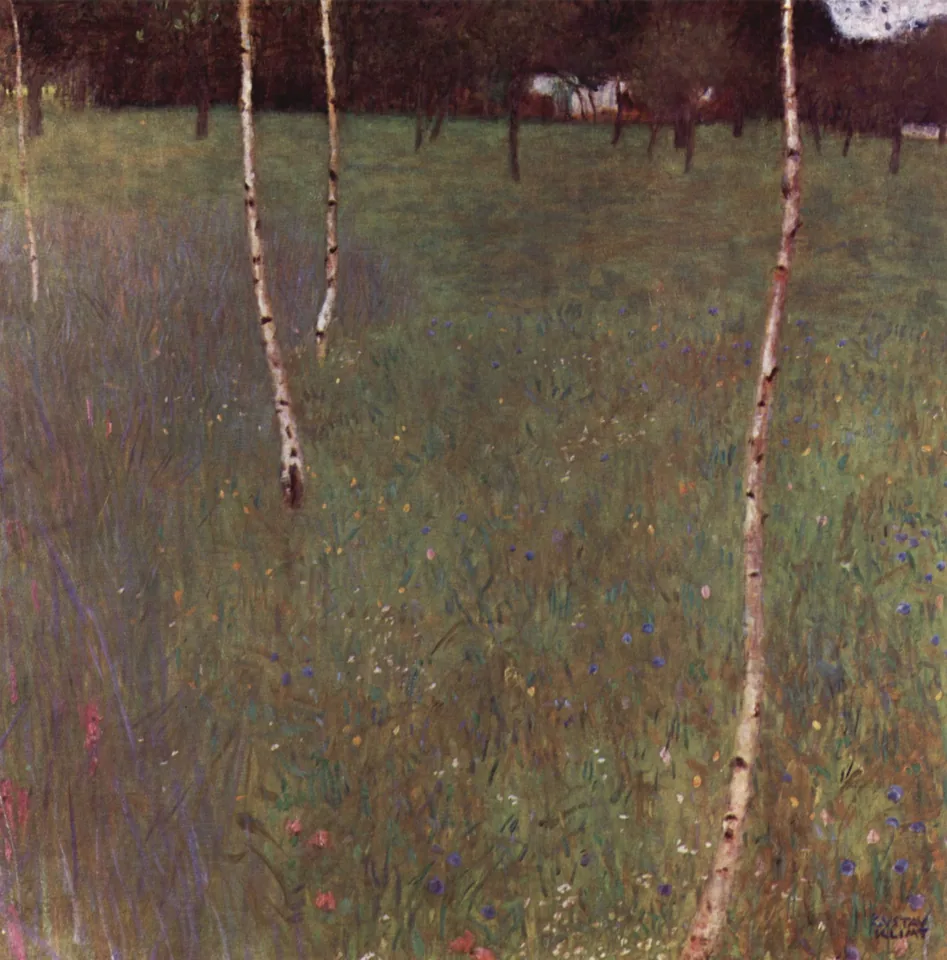
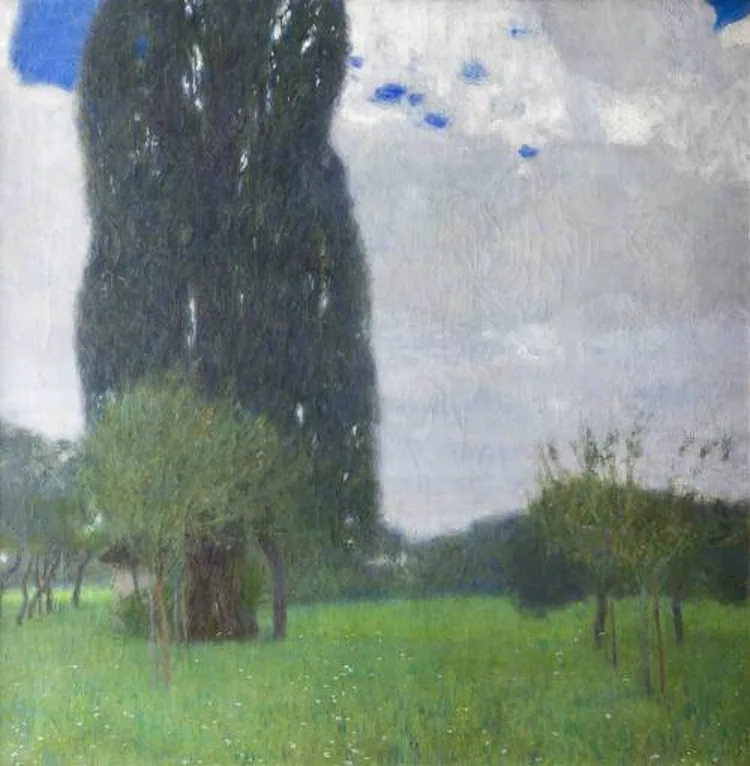
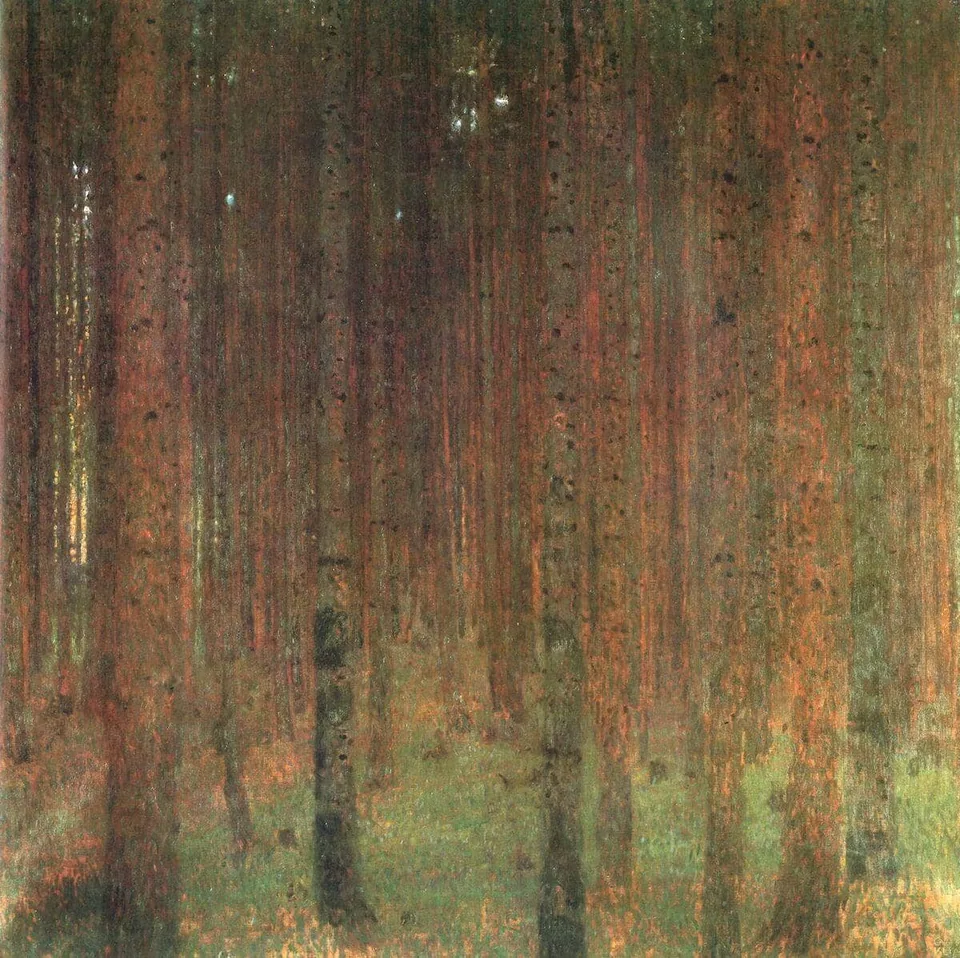
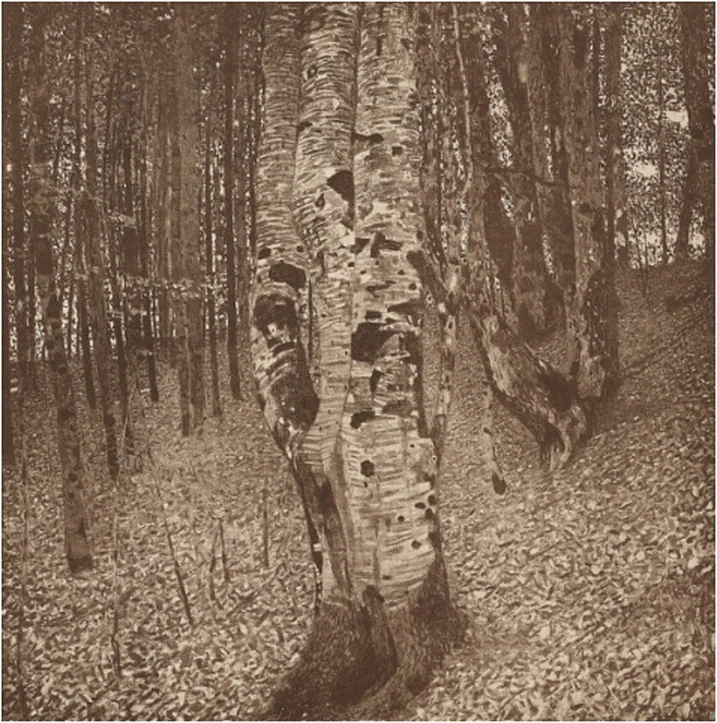
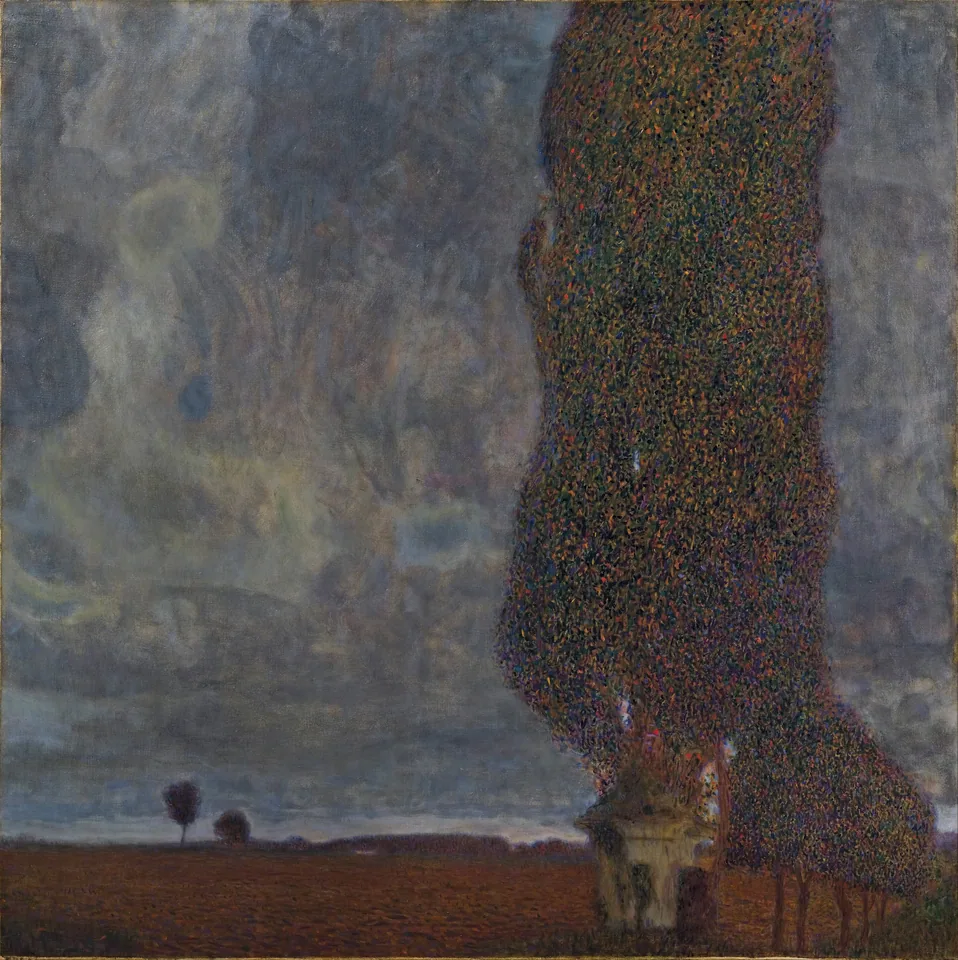
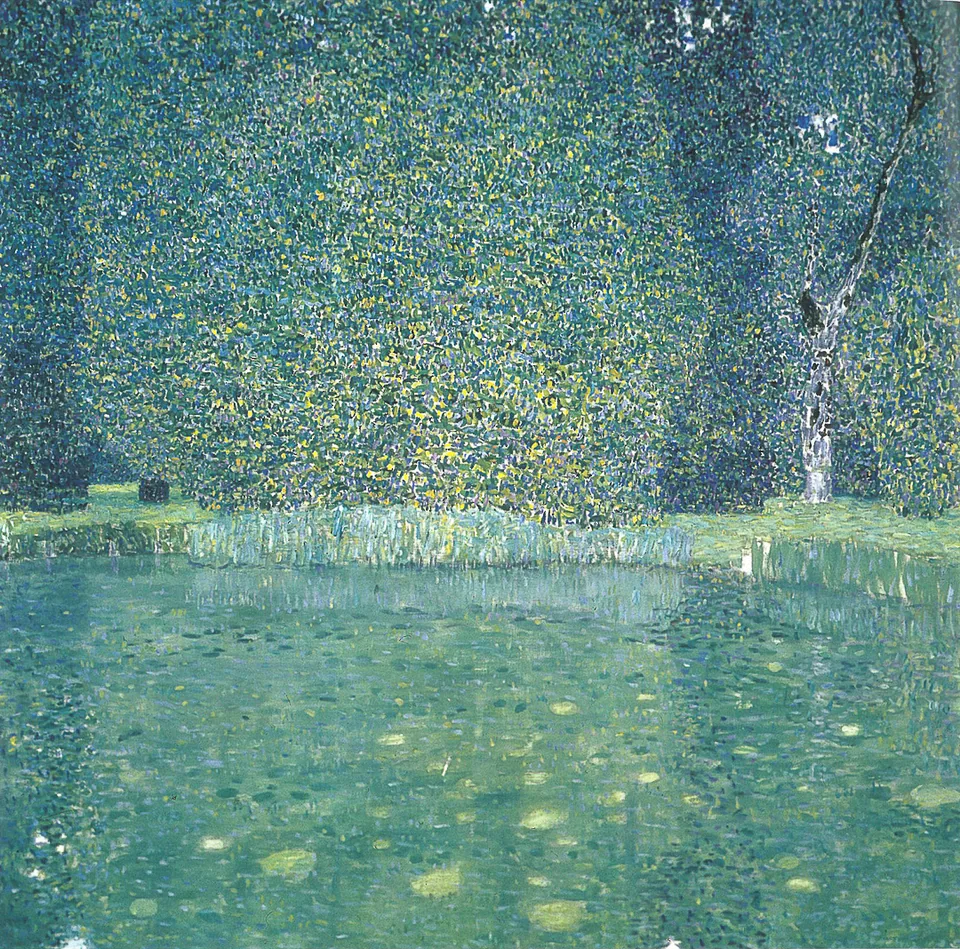
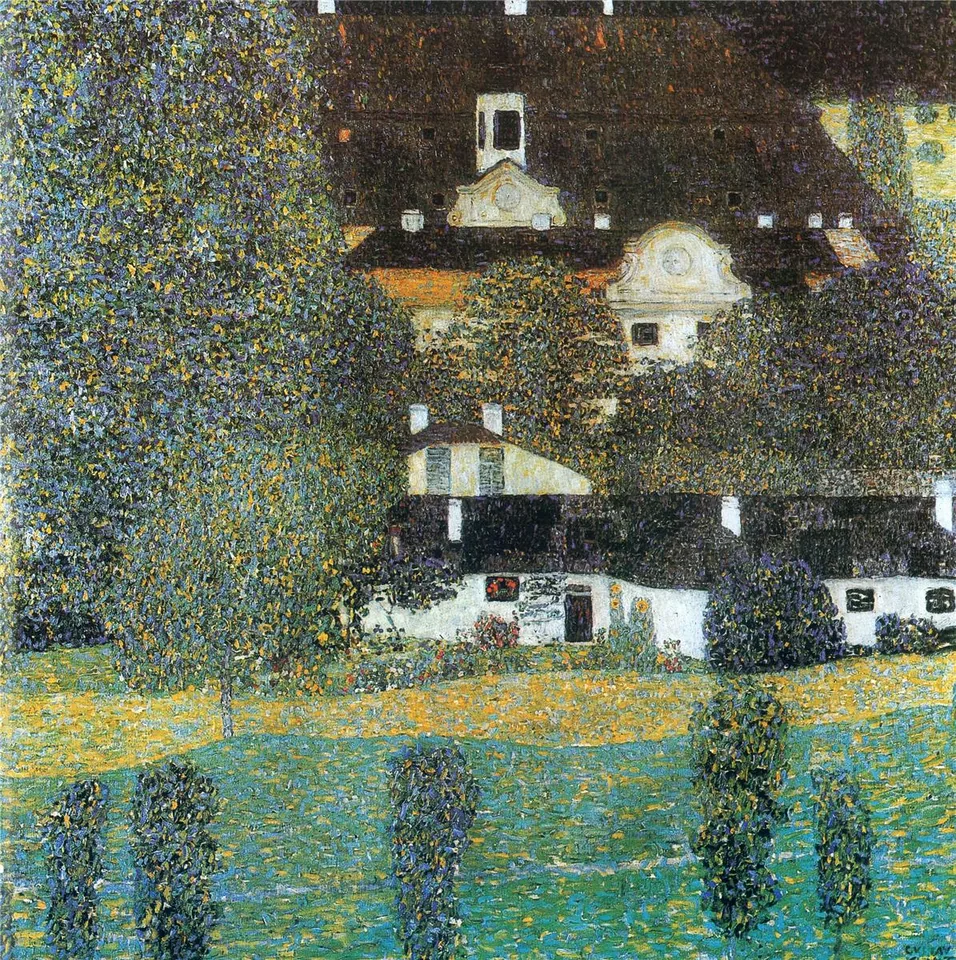
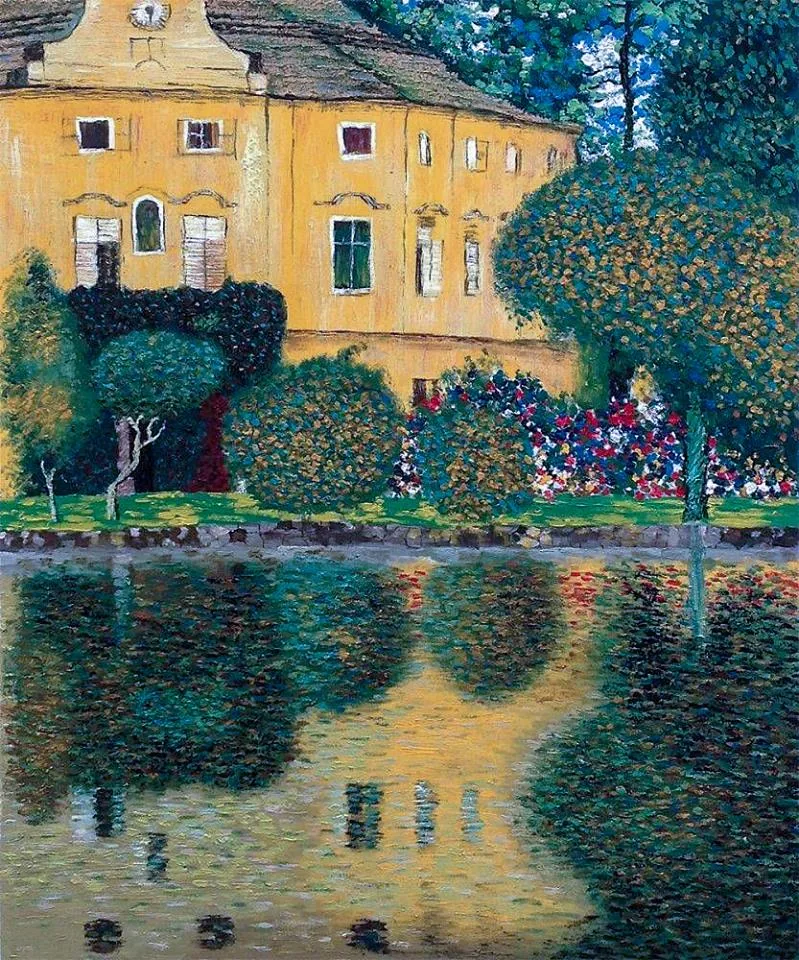
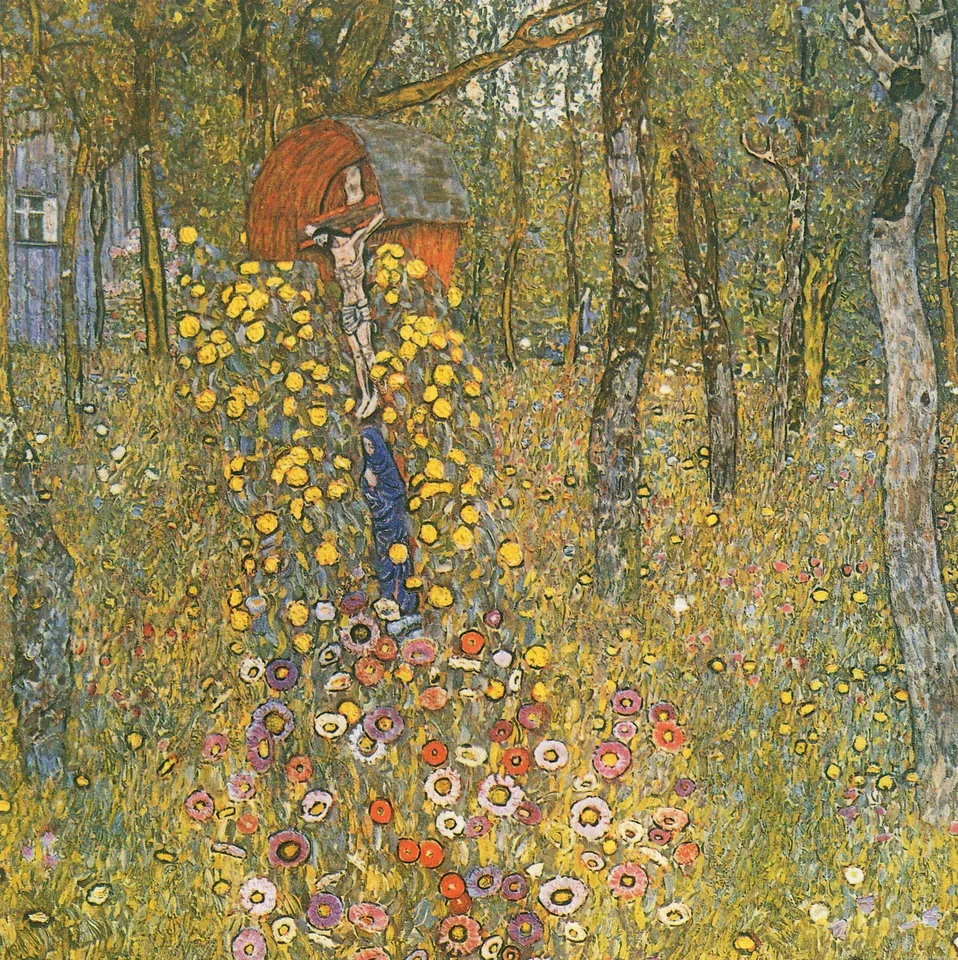
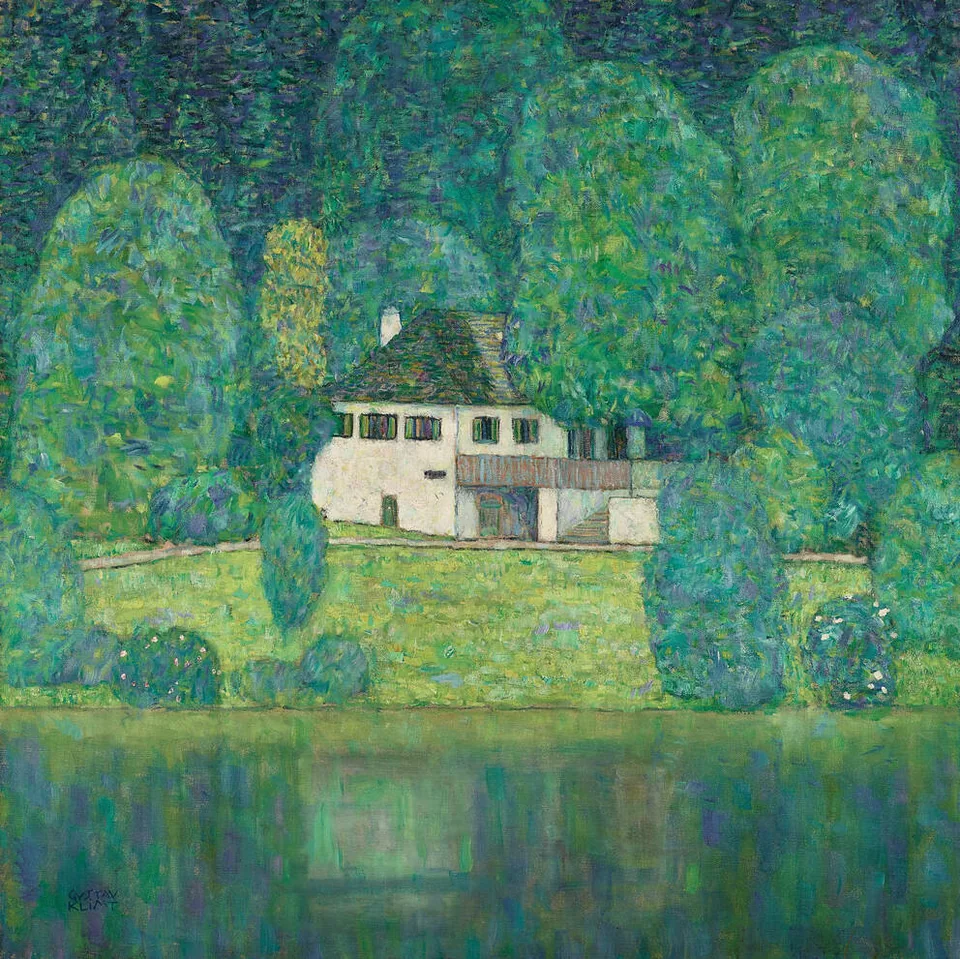
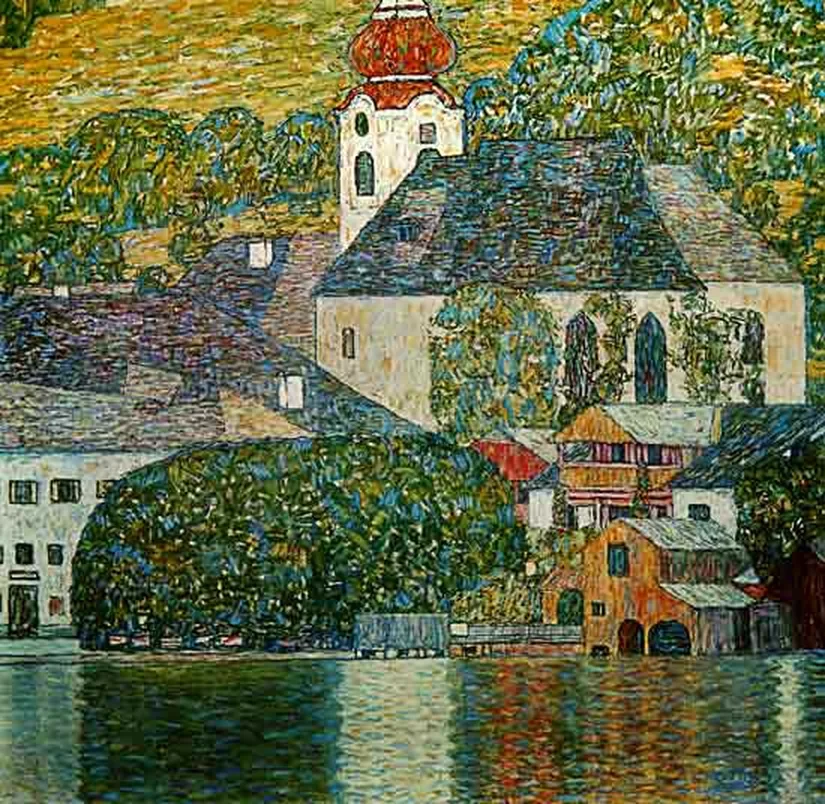
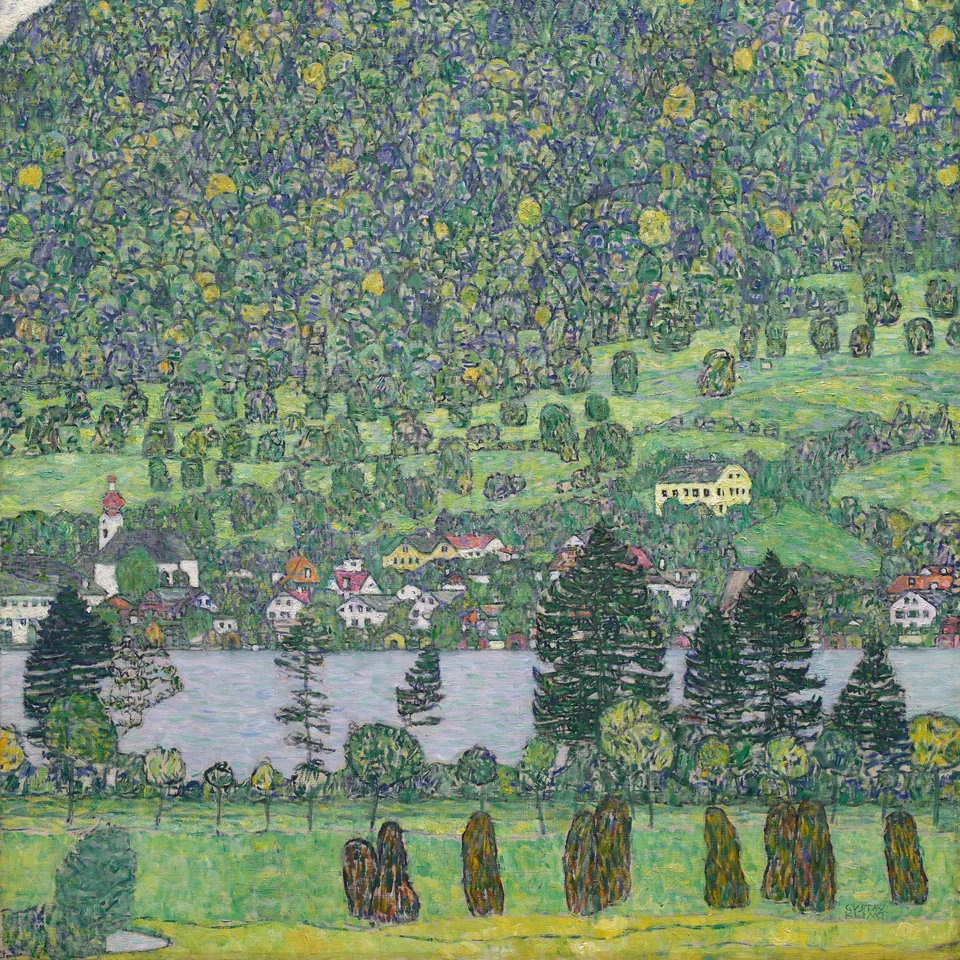
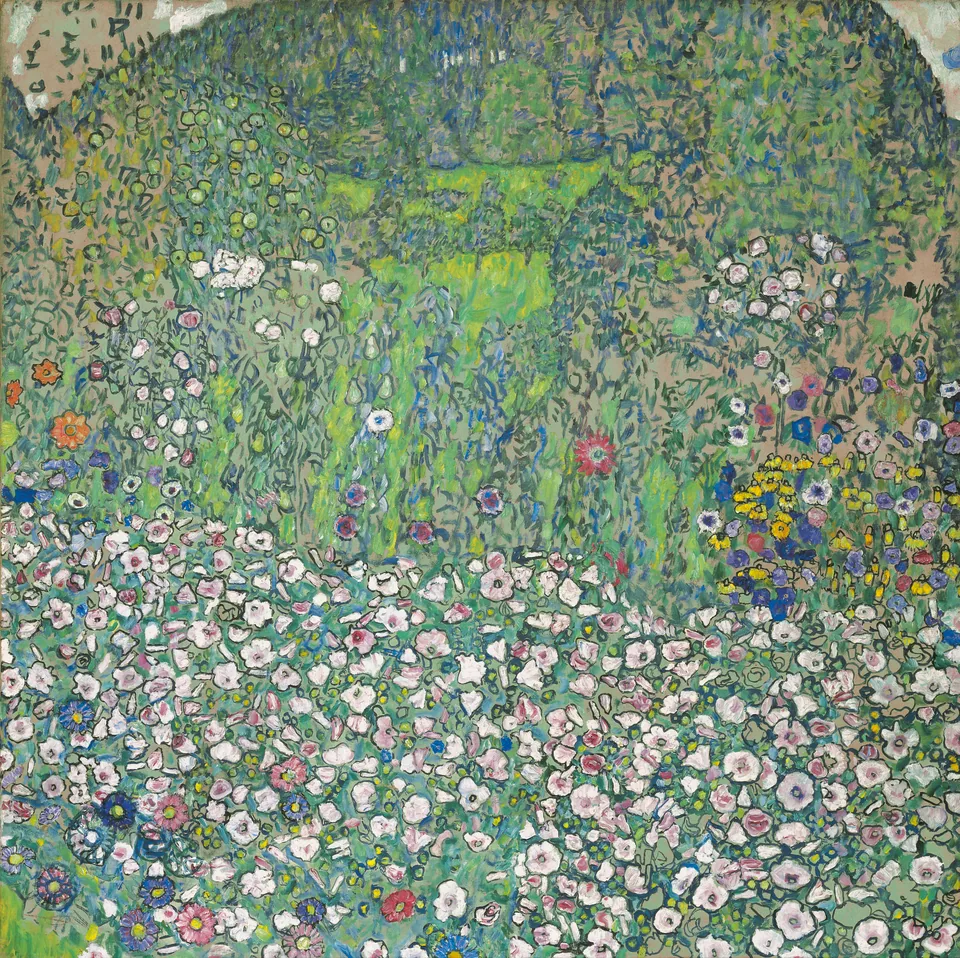
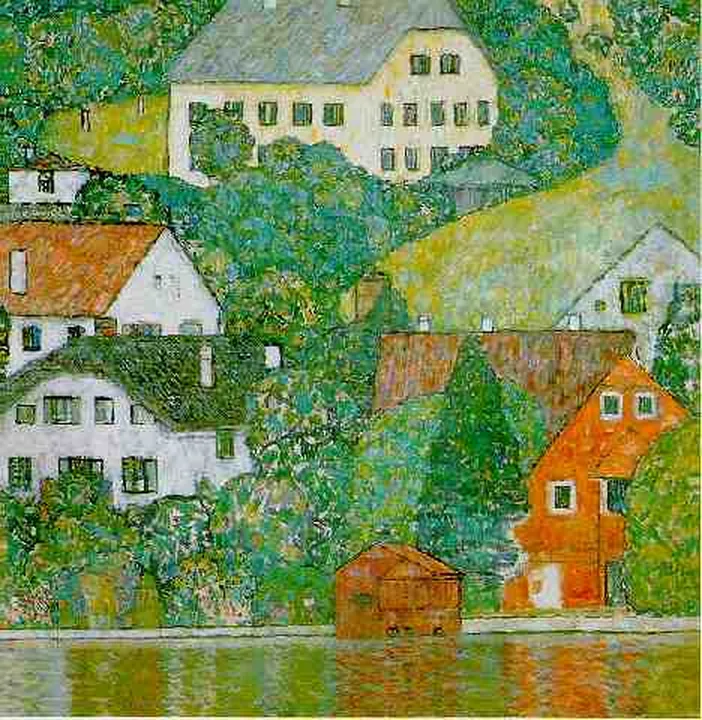
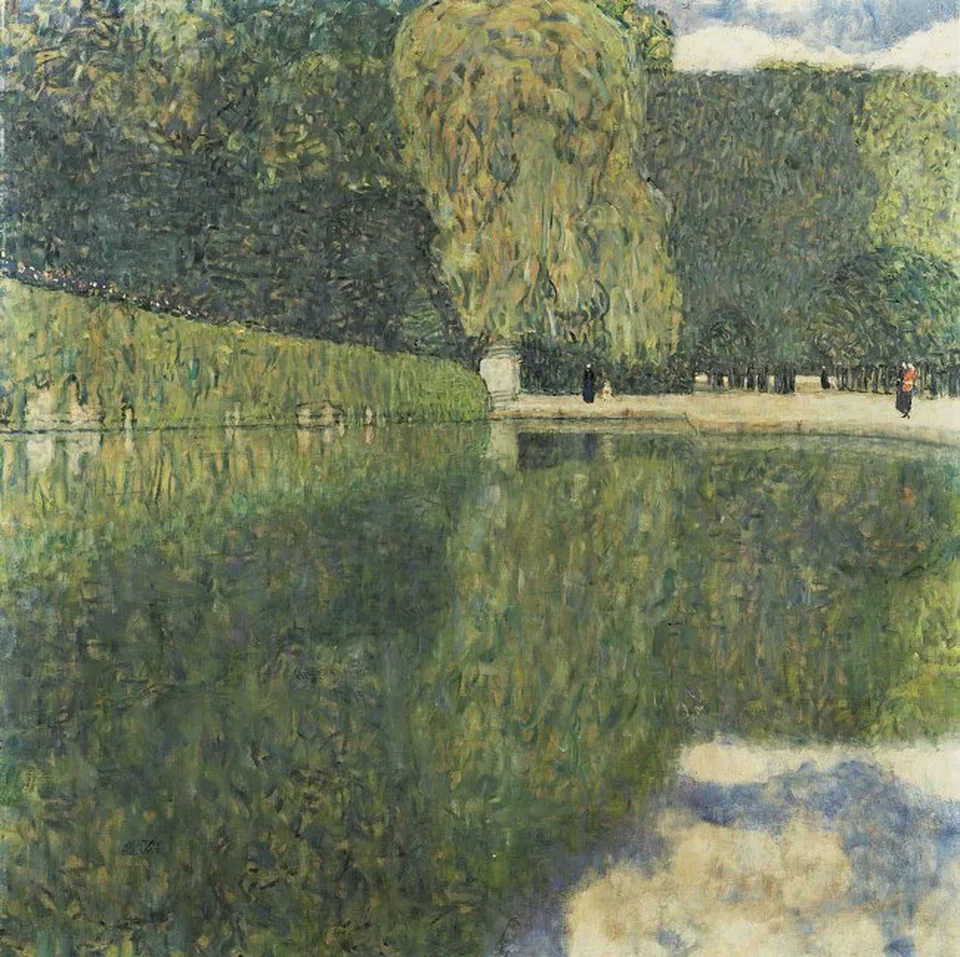
Alongside his figure paintings, Klimt produced a large body of landscape art. Between 1900 and 1916, he spent his summers at Lake Attersee in Upper Austria. He painted gardens, orchards, and lakeside houses on square canvases. Art historians believe Klimt observed these subjects through binoculars or a telescope, compressing hillsides, water, and tree trunks onto a flat surface.
His most famous paintings
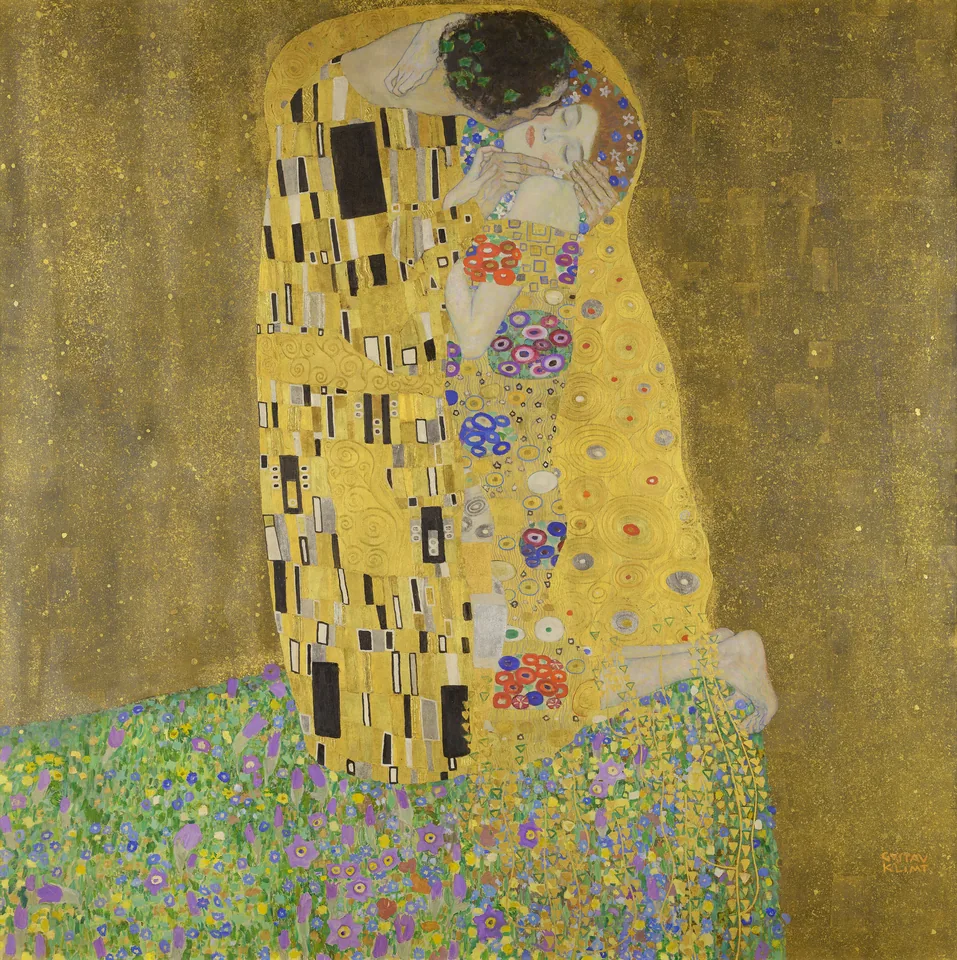
Klimt entered his Golden Phase after studying the Byzantine mosaics of Ravenna and Venice. His most recognized work from this period is The Kiss, painted between 1907 and 1908. The square canvas shows a man and woman embracing on a flower-strewn meadow, cloaked in robes of gold leaf and geometric symbols.
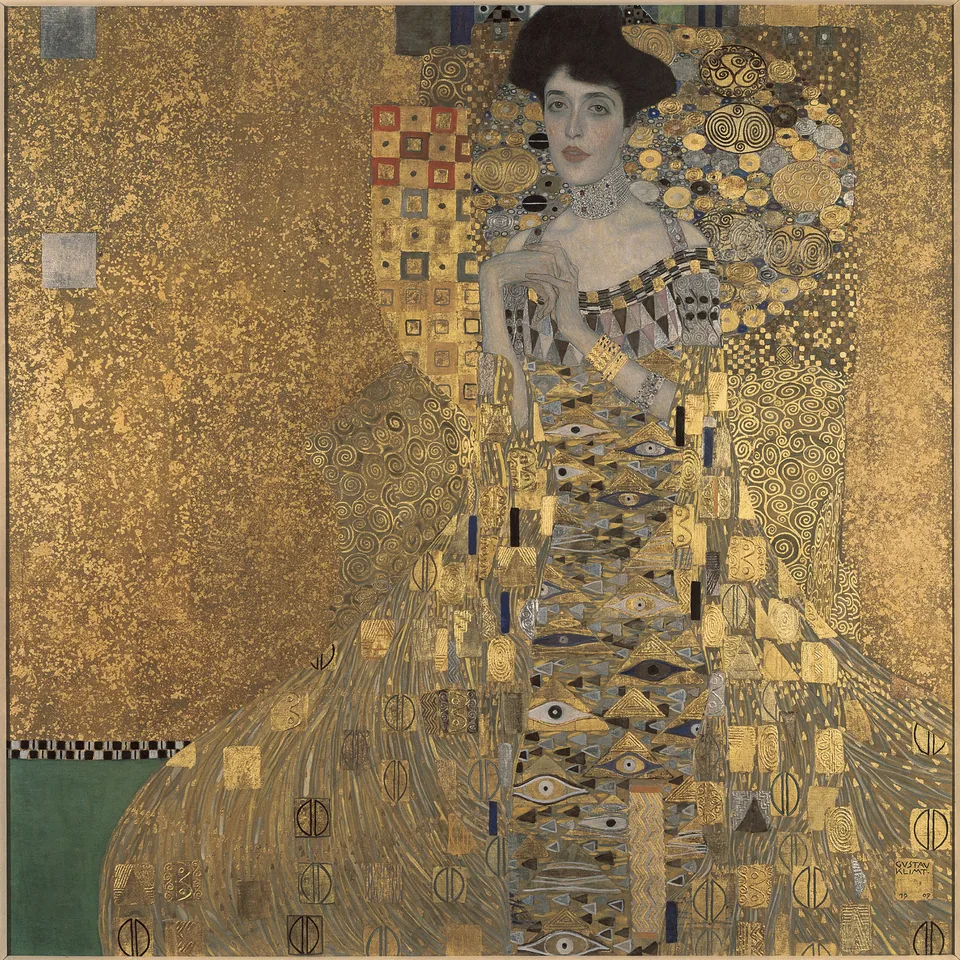
His other defining portrait of this era is Woman in Gold, formally known as Portrait of Adele Bloch-Bauer I from 1907. Klimt set the seated subject against an intricate field of gilded spirals, eyes, and triangles. Today, the painting hangs in New York, while many of his other key works remain in Austria. If you are planning to view his art in person, consult our guide on where to see Klimt to locate major holdings in Vienna, New York, and European galleries.
Lost and destroyed works
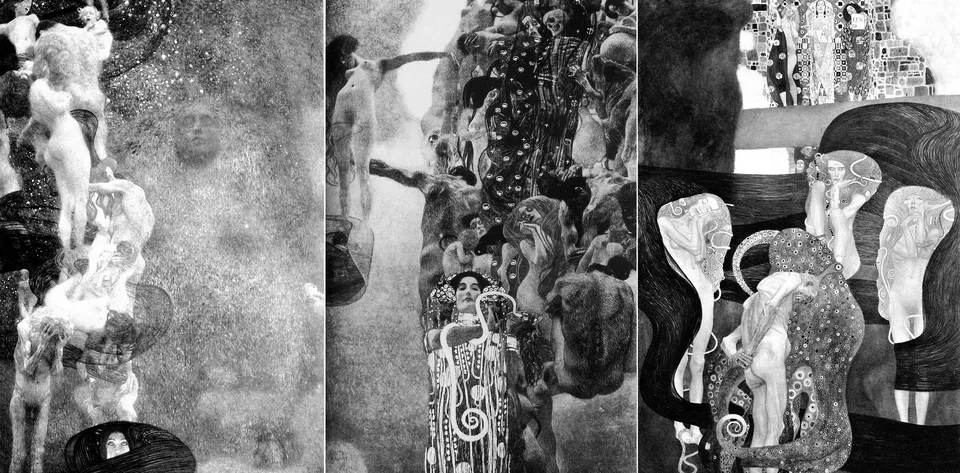
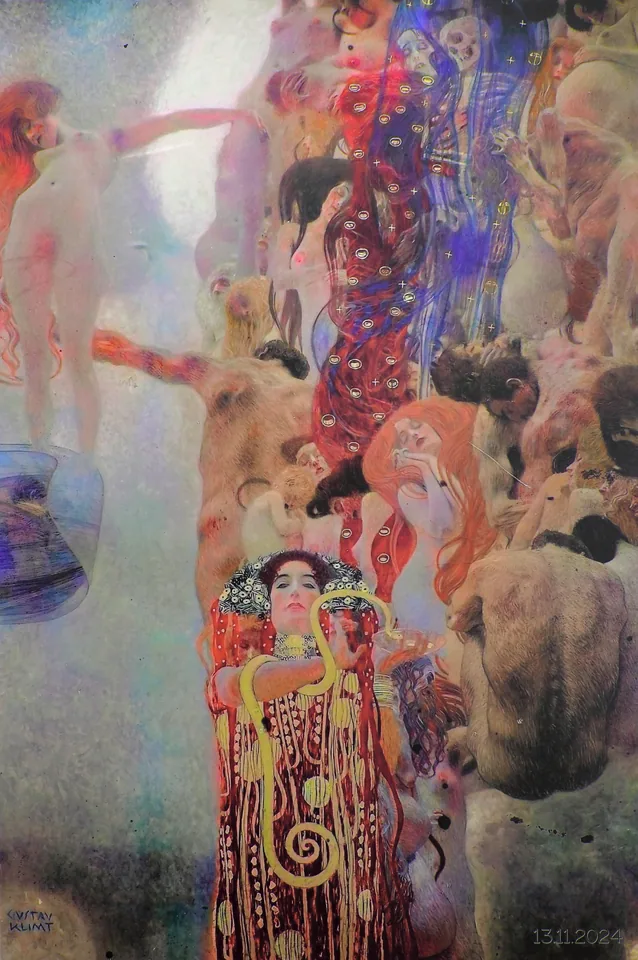
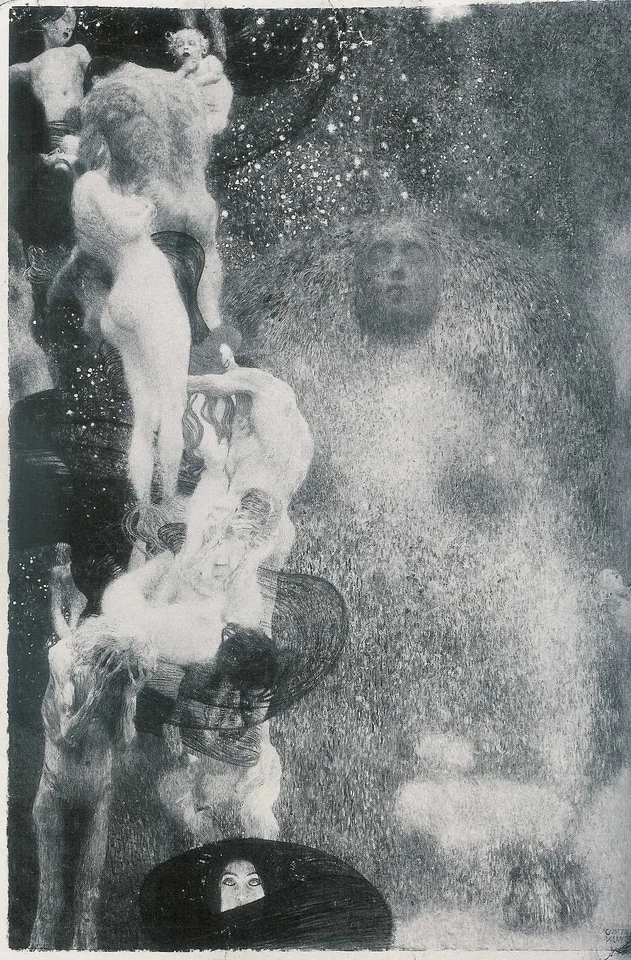
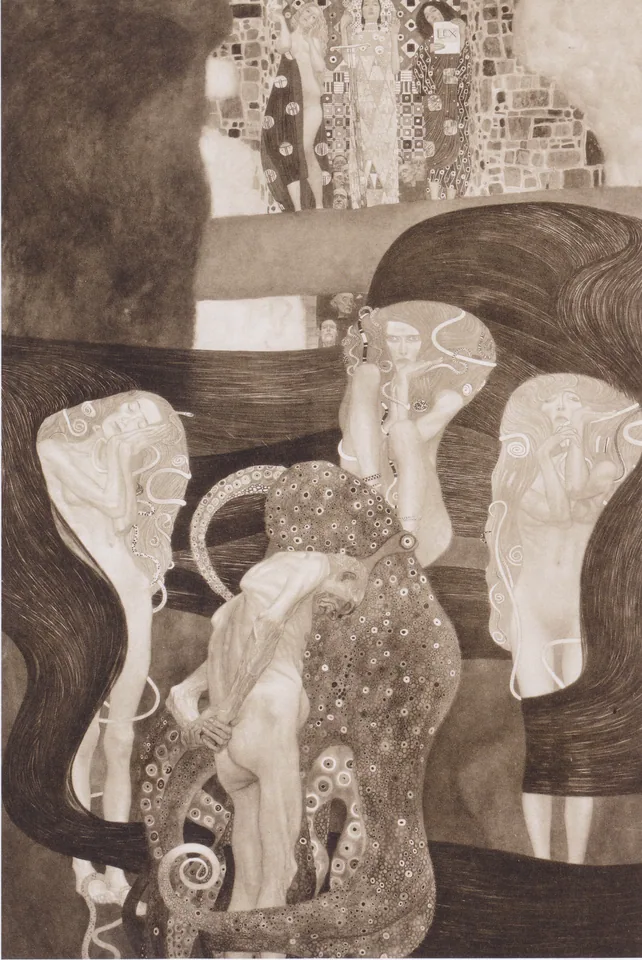
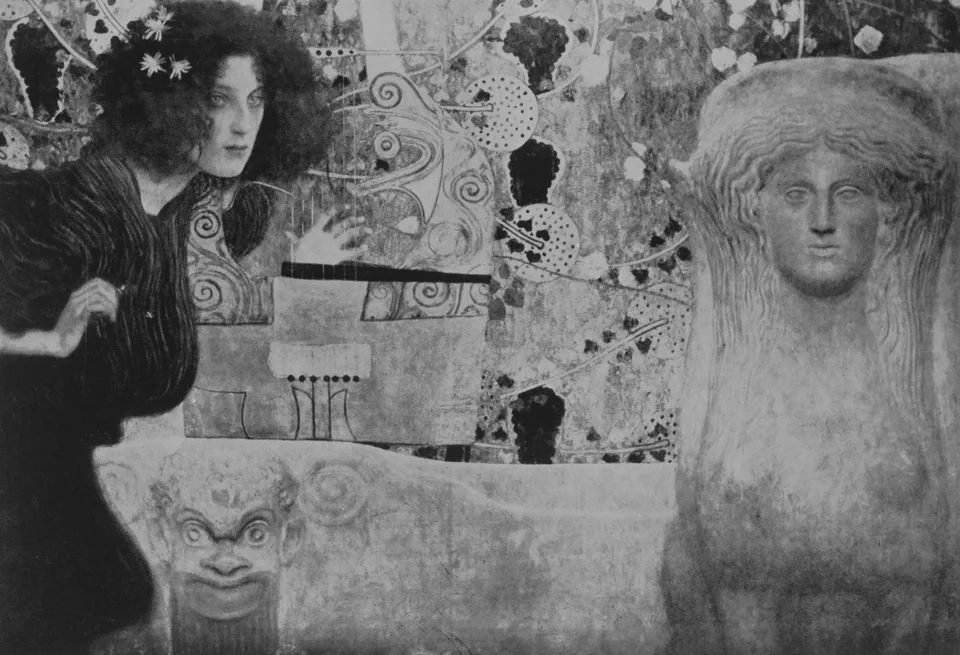
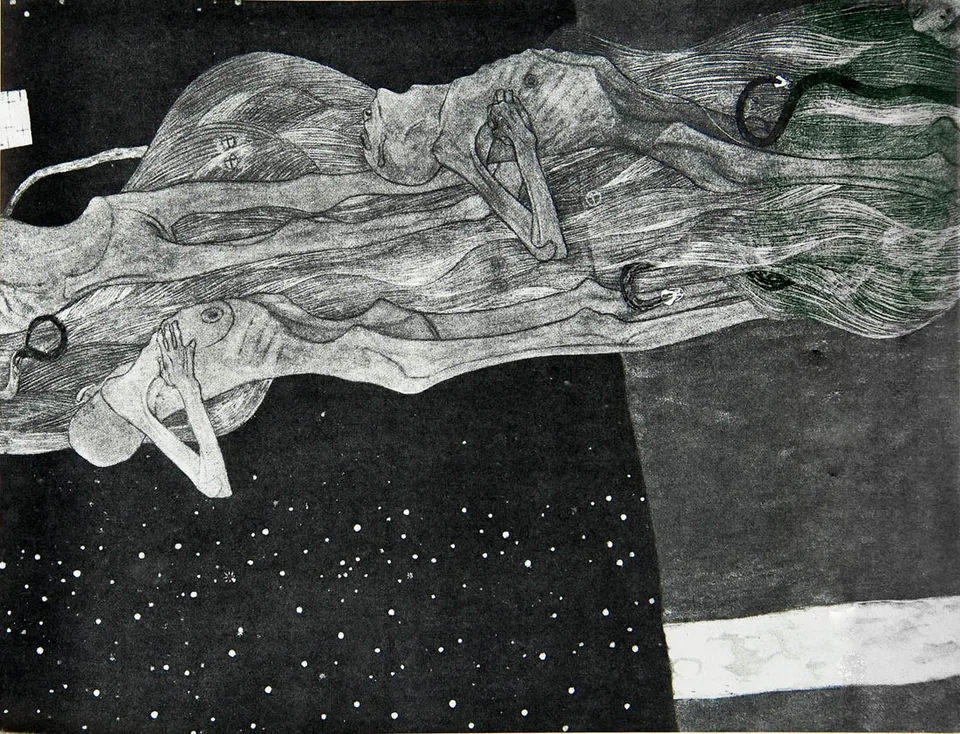
Not all of Klimt’s major projects survive. In 1894, the Austrian Ministry of Education commissioned Klimt and Franz von Matsch to design ceiling murals for the Great Hall of the University of Vienna. Klimt created three massive compositions titled Philosophy, Medicine, and Jurisprudence. When unveiled, eighty-seven faculty members rejected them, calling the raw depictions of human suffering and nudity inappropriate. You can read the full controversy in our guide to the University Paintings.
Klimt eventually withdrew from the commission, repaid his state fee with help from private collectors, and vowed never to work for the state again. During World War II, the Austrian government transferred the three murals to Schloss Immendorf for safekeeping. In May 1945, retreating German forces set the castle on fire, completely destroying the canvases.
How to use this list
The catalogue below organizes Gustav Klimt’s paintings with their completion dates and current museum locations. You can select any work in the list to read its historical background, stylistic details, and composition.
Where a print is available, you will find an option to order a reproduction for your home. ArtsyWall prints and ships every reproduction to order in three formats: Premium Canvas, Framed Canvas, and Archival Paper. Select the format and size that suits your wall space to enjoy Klimt’s intricate patterns and color palettes in your own collection.
Questions and answers
What is Gustav Klimt's most famous painting?
The Kiss, painted between 1907 and 1908, is Gustav Klimt's most famous painting alongside his 1907 Portrait of Adele Bloch-Bauer I. The square oil painting depicts a kneeling couple wrapped in decorative gold patterns on a flowered lawn. Klimt showed the work at the Vienna Kunstschau in 1908, where the Austrian Ministry of Culture and Education bought it directly from the exhibition for the state collection.
Where are the Klimt paintings?
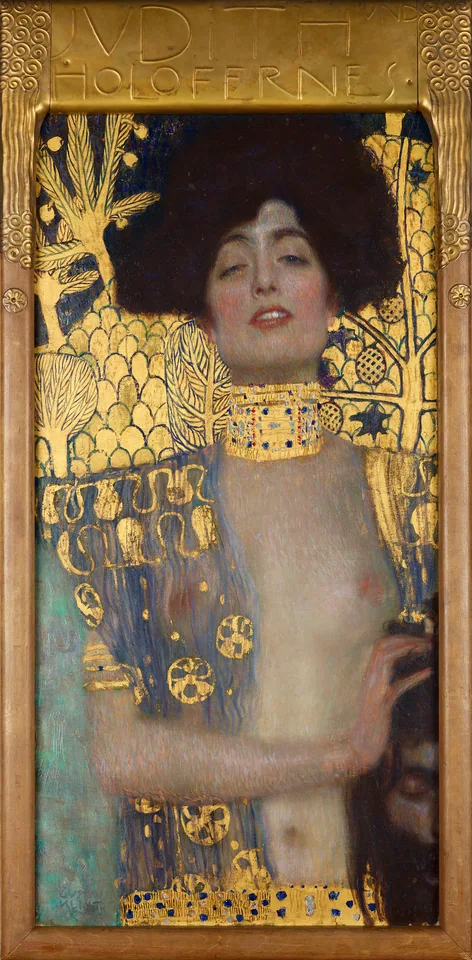
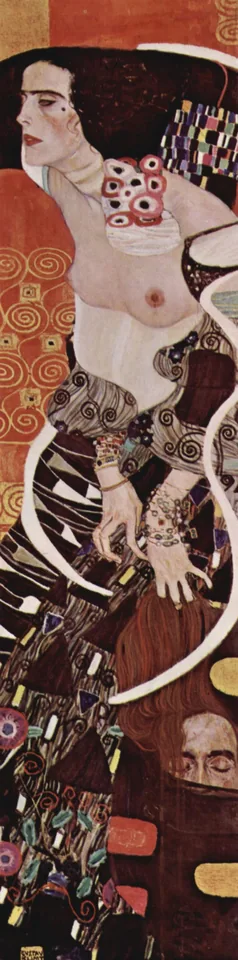
Klimt paintings hang in major art museums in Austria and across the world. The Belvedere in Vienna holds the largest collection of his oil paintings, including The Kiss and Judith I. Other Austrian institutions with his work include the Leopold Museum and the Vienna Museum. In the United States, works hang at the Neue Galerie, the Metropolitan Museum of Art, and the Museum of Modern Art in New York.
Which Klimt paintings were destroyed?
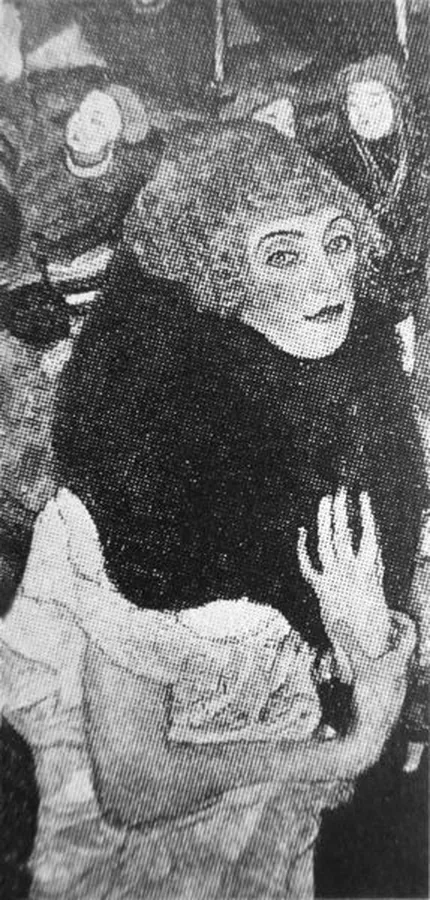
Klimt's three University of Vienna ceiling murals, titled Philosophy, Medicine, and Jurisprudence, were destroyed in May 1945. Retreating German forces set fire to Schloss Immendorf in Lower Austria, where the Austrian state had stored the paintings for safekeeping during the war. The fire completely consumed all three large faculty canvases, along with several other works by Klimt, leaving only preliminary sketches and black-and-white photographs behind.
What inspired Gustav Klimt's Golden Phase?
Travels to Venice and Ravenna in northern Italy inspired Gustav Klimt to integrate real gold leaf into his oil paintings. The glowing Byzantine church mosaics in Ravenna directly shaped his flatter decorative style and geometric patterns. Klimt came from a family of craftsmen, as his father was a gold engraver, which gave him an early familiarity with precious metals before he began works like The Kiss and Danaë.