Klimt Attersee Paintings and Prints
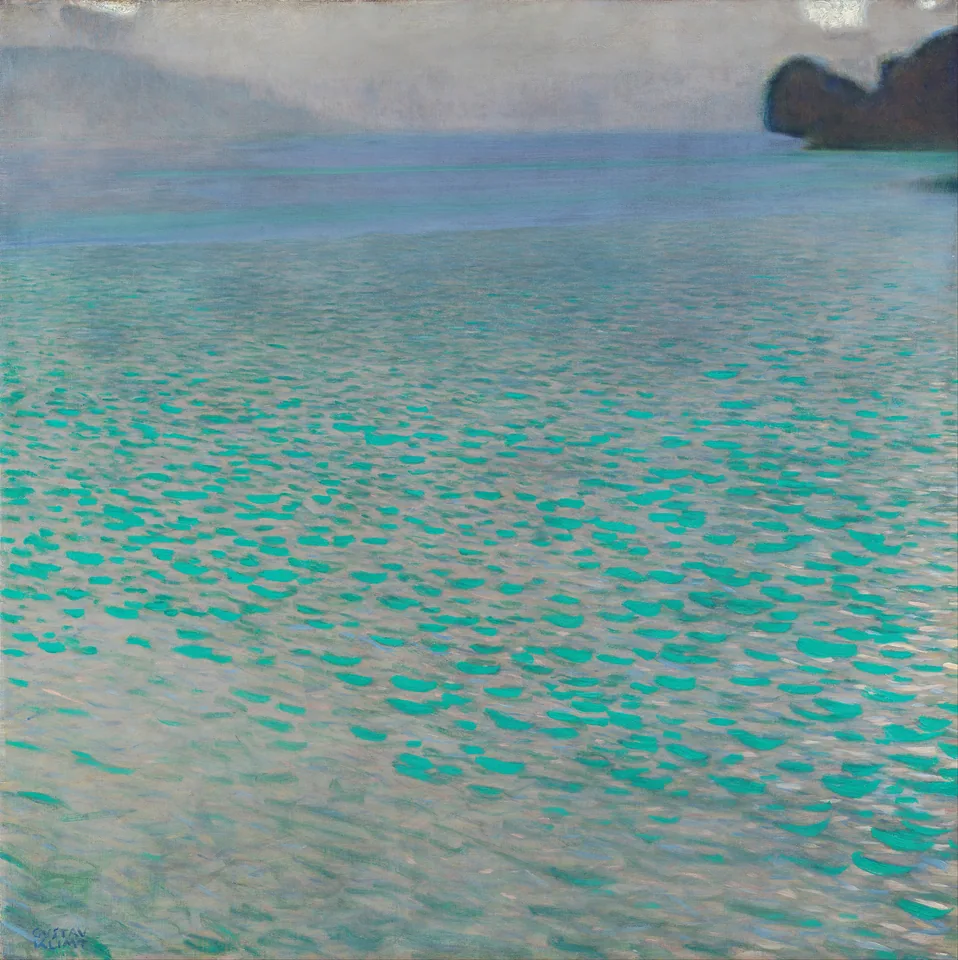
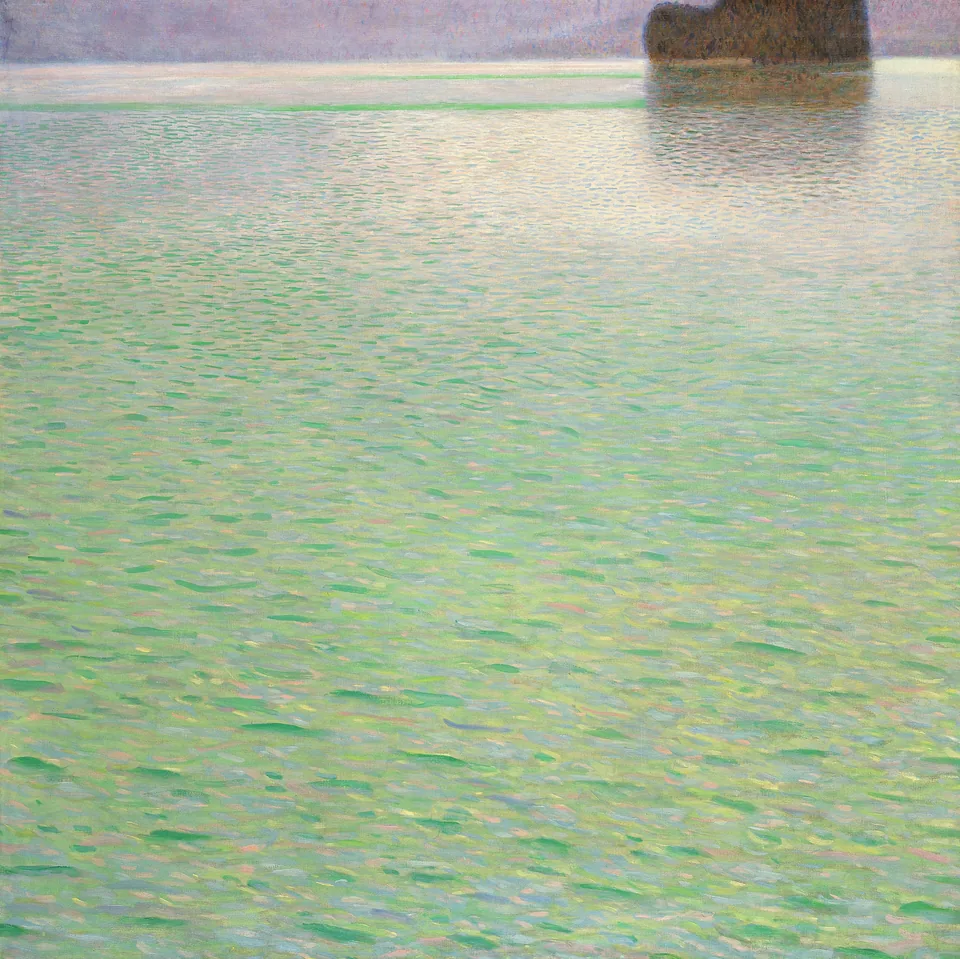
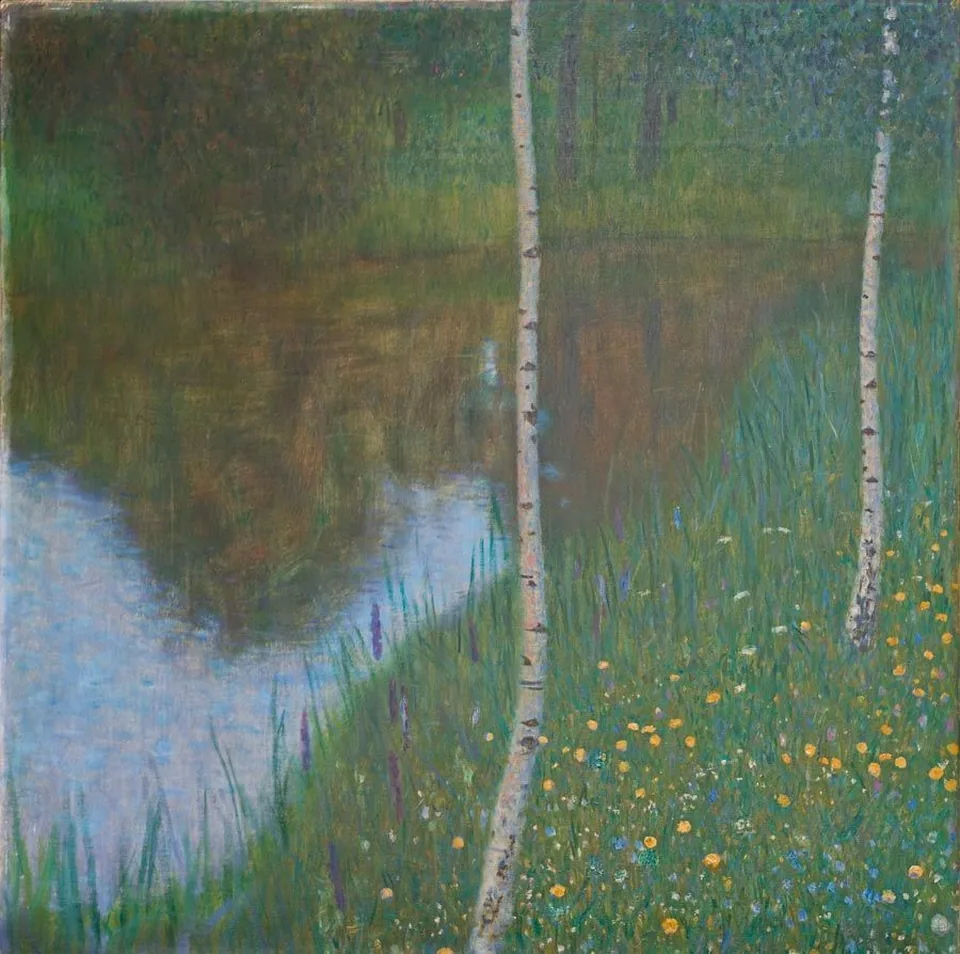
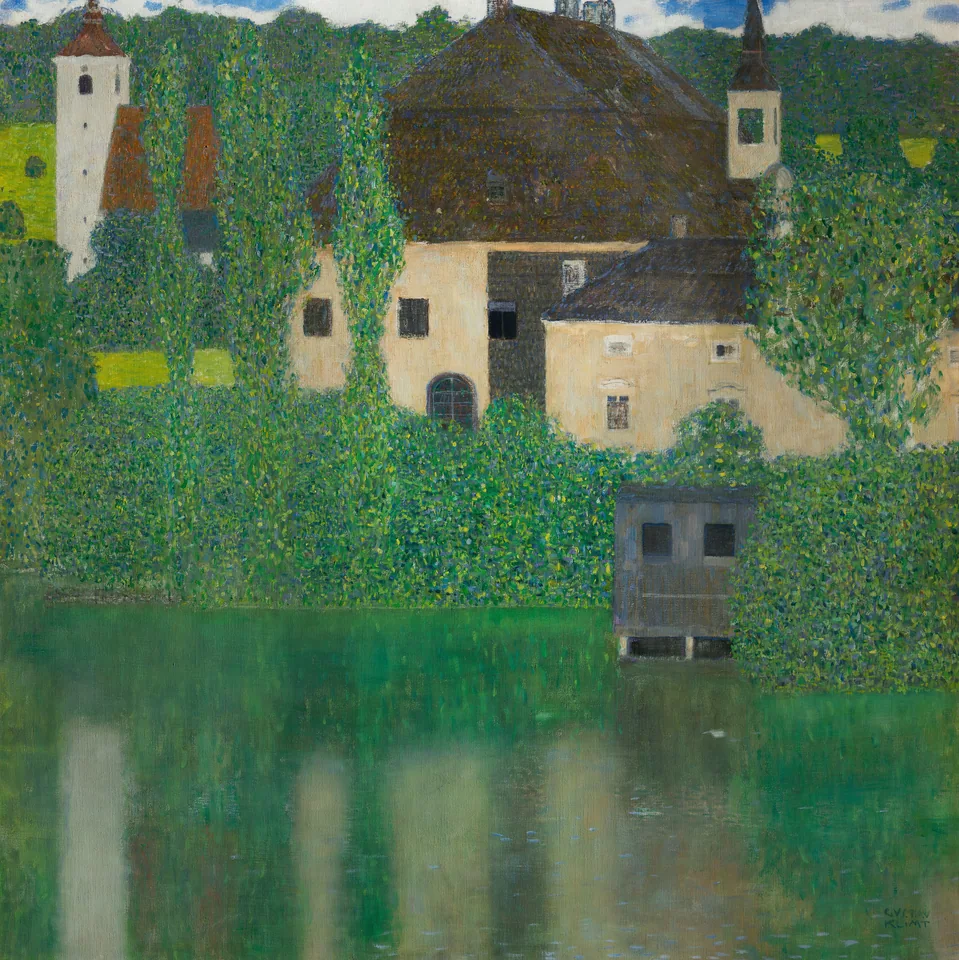
Gustav Klimt painted the majority of his landscapes at Lake Attersee during summer holidays between 1900 and 1916. These square paintings capture the Austrian lake's waters, shoreline villas, and surrounding forests in flat planes and dense patterns.
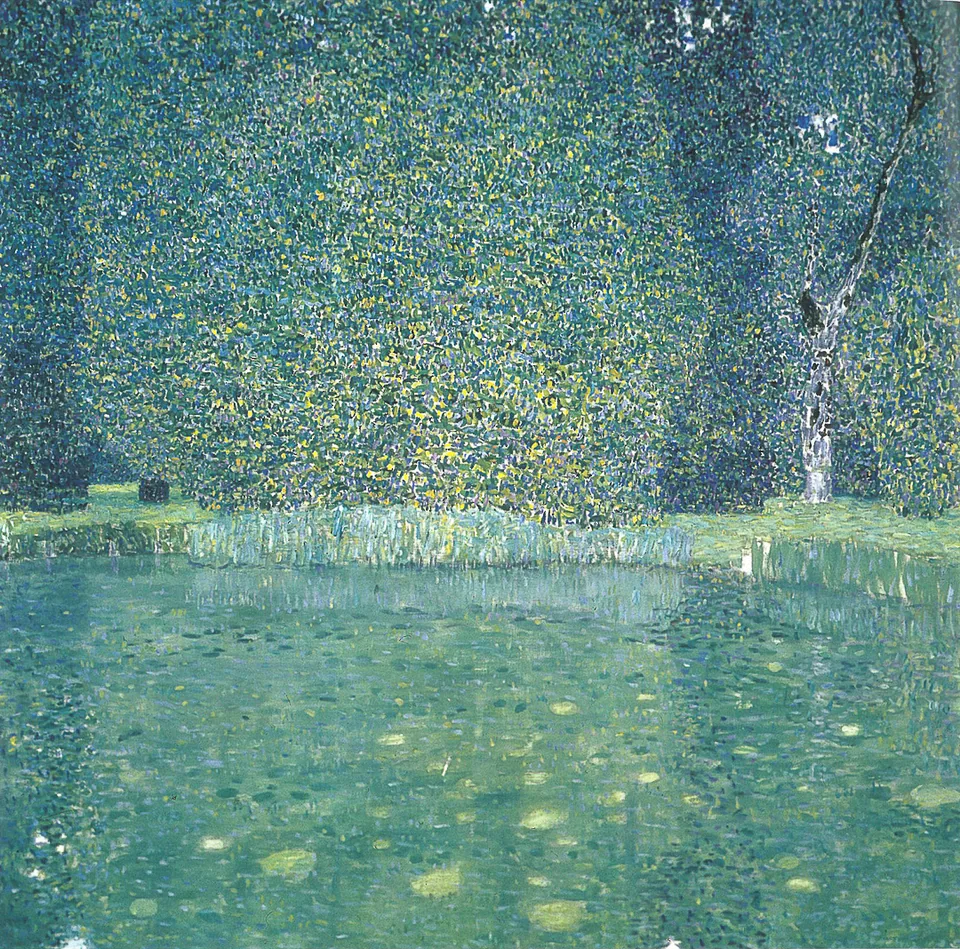
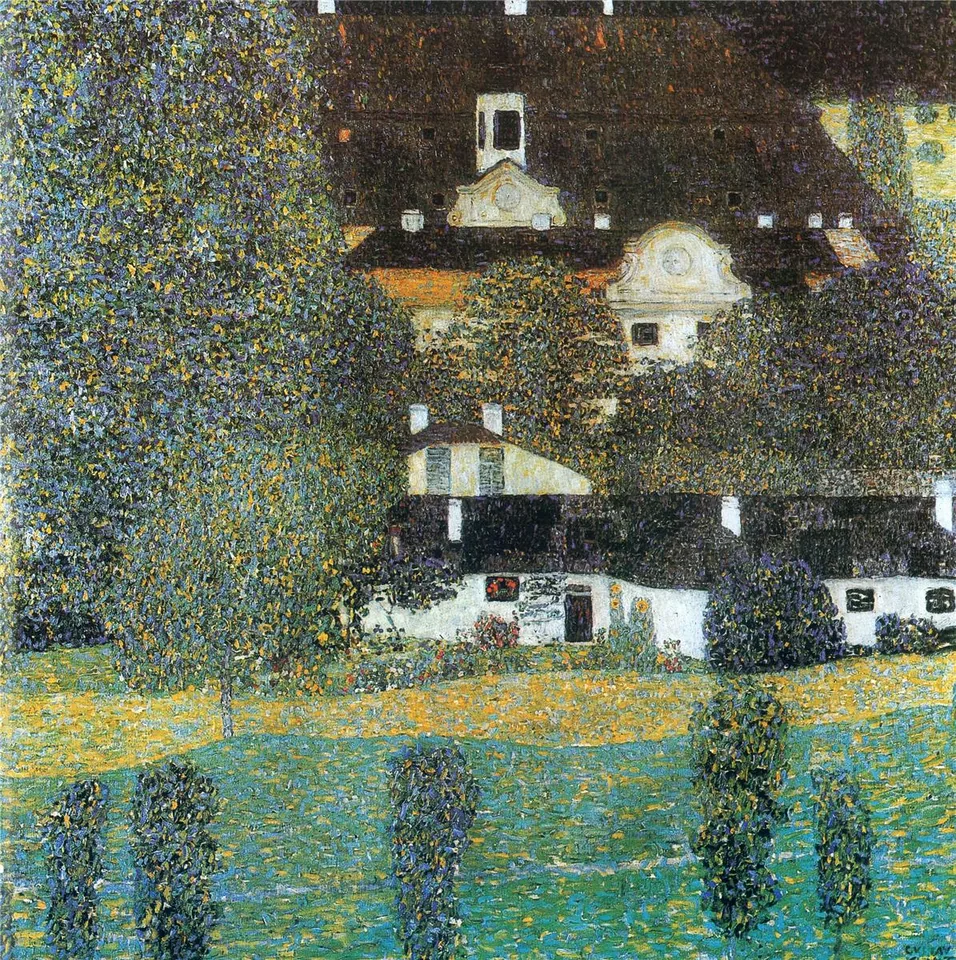
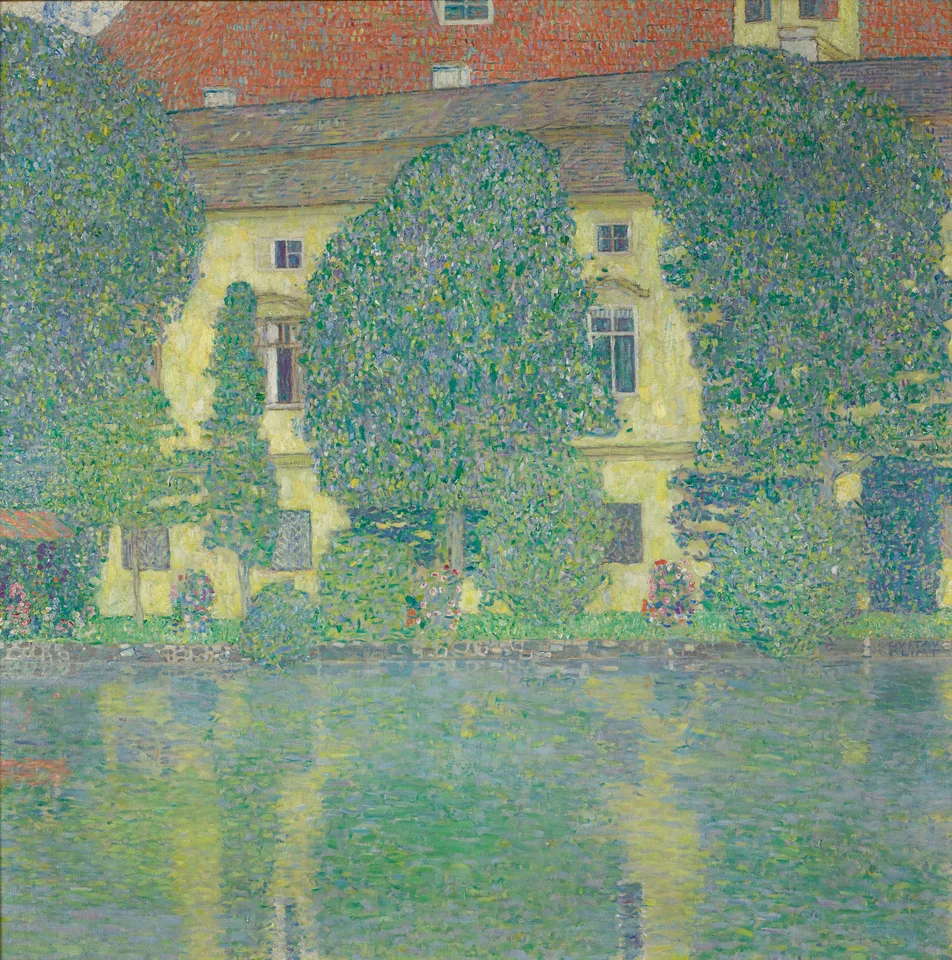
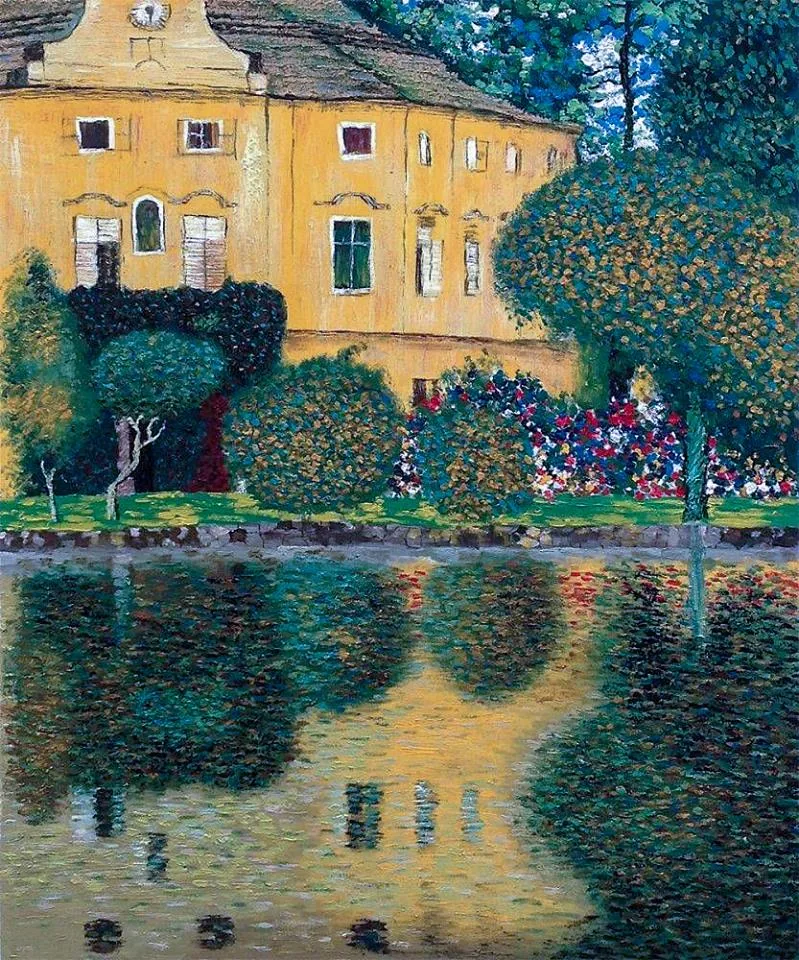
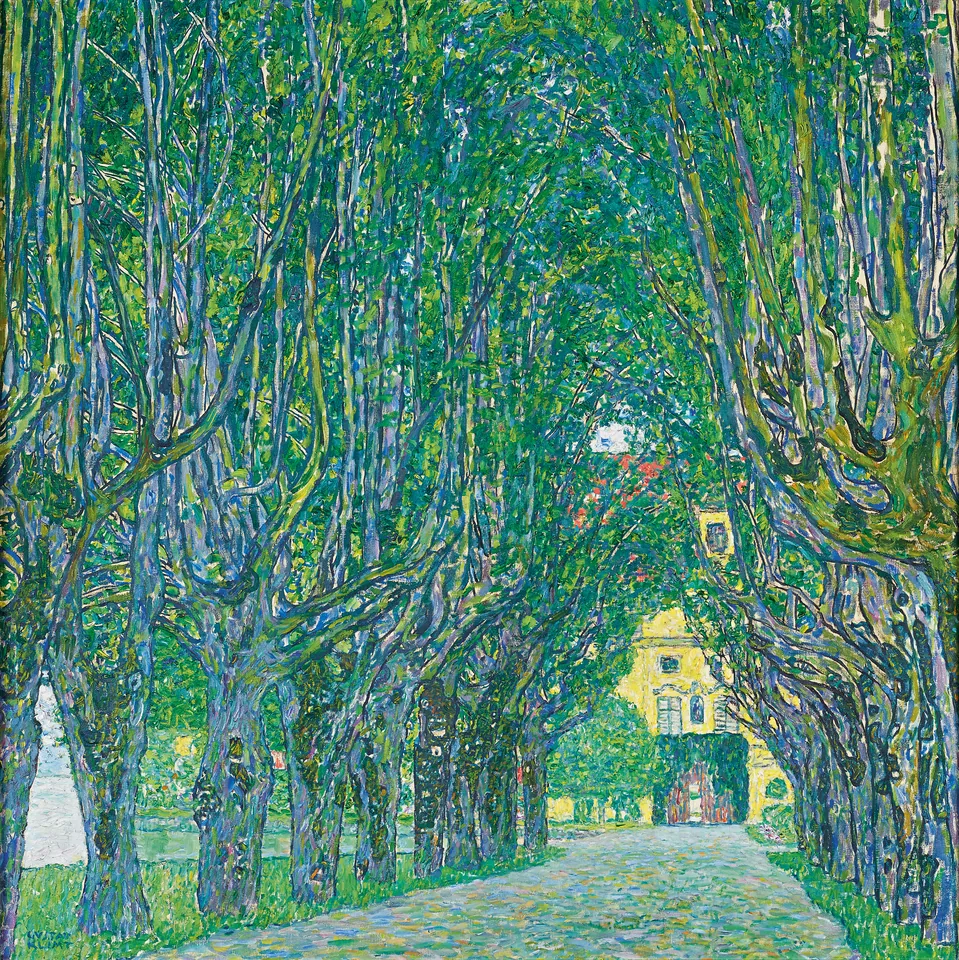
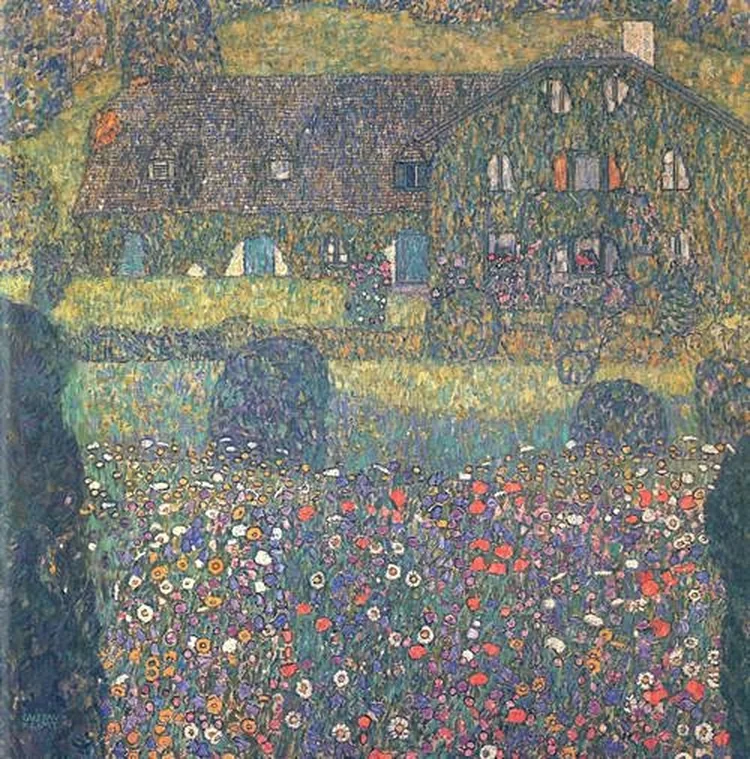
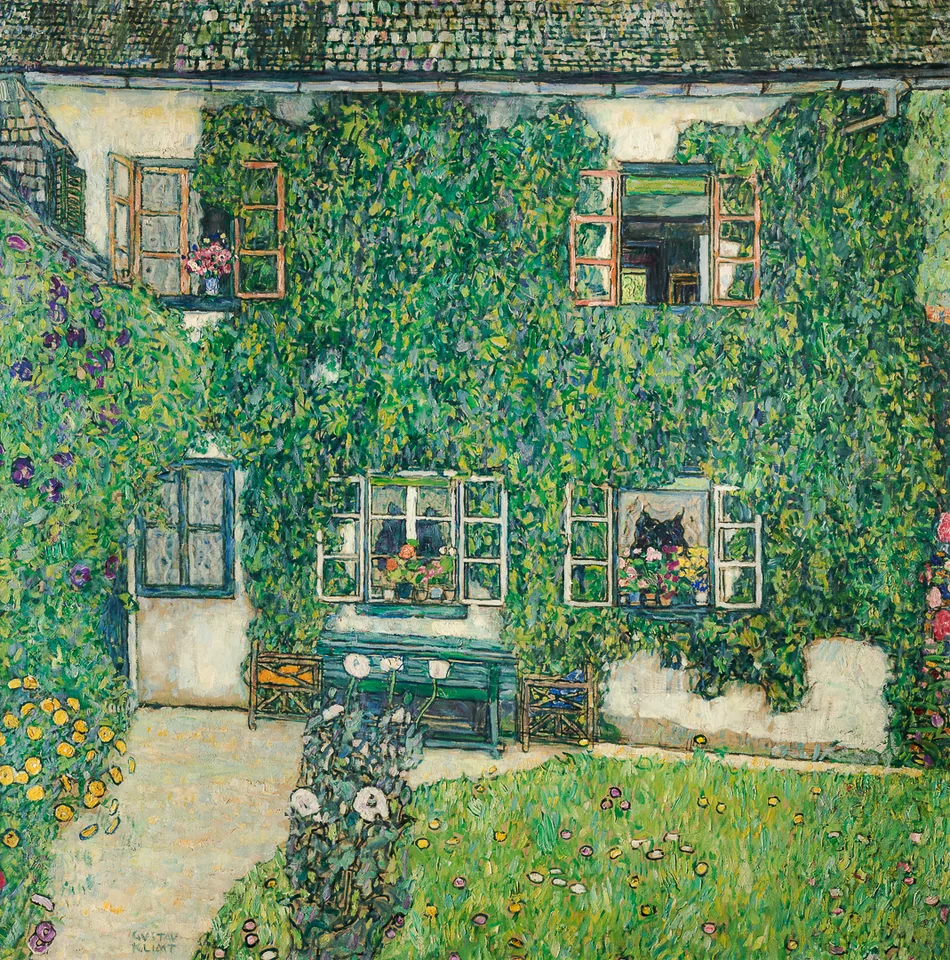
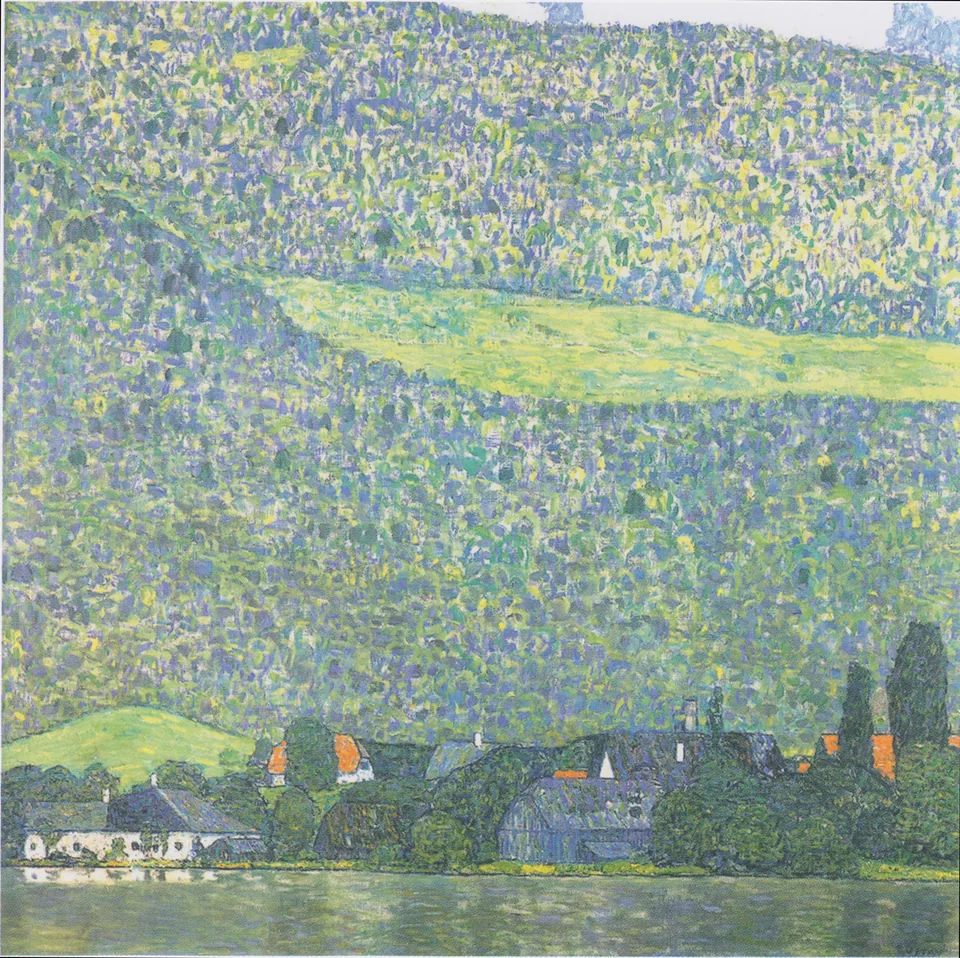
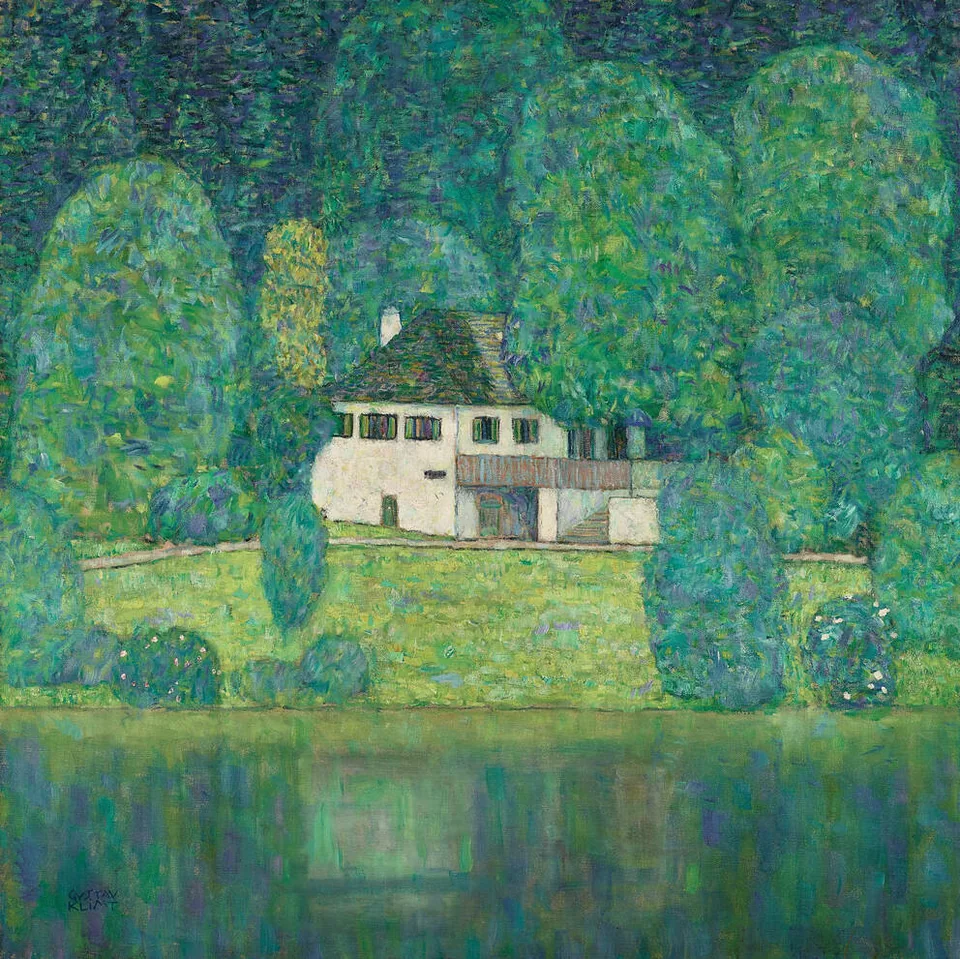
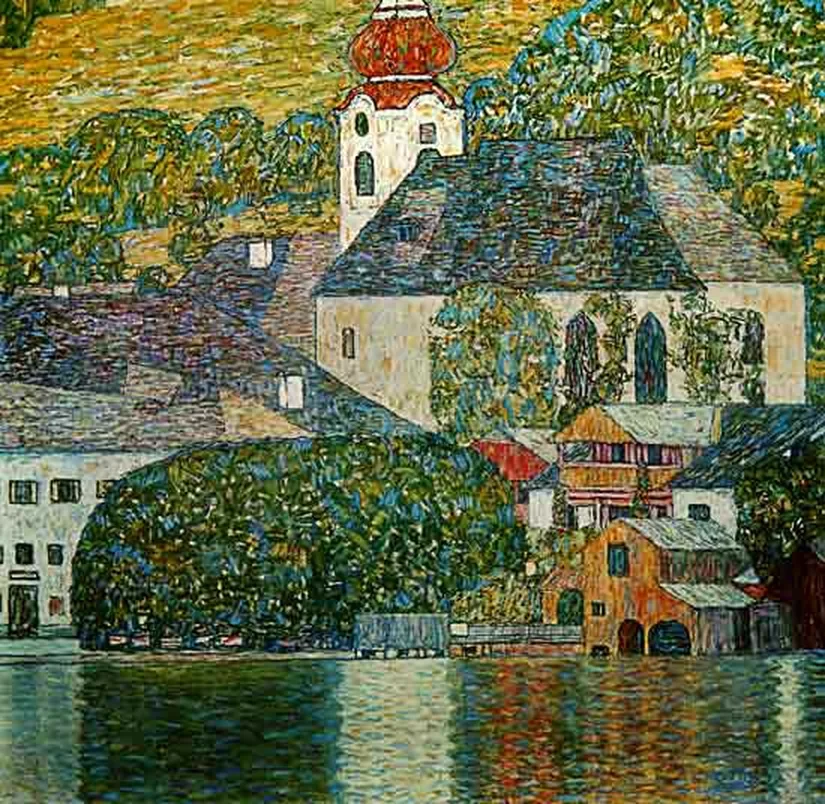
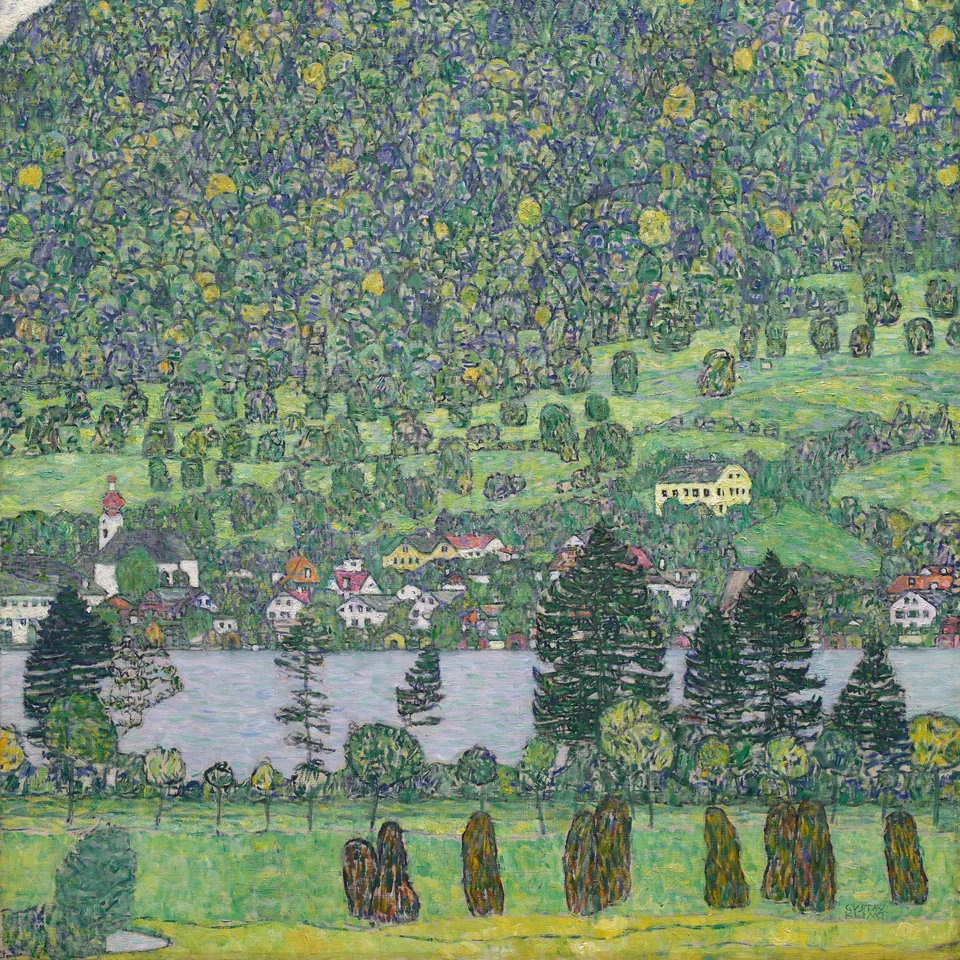
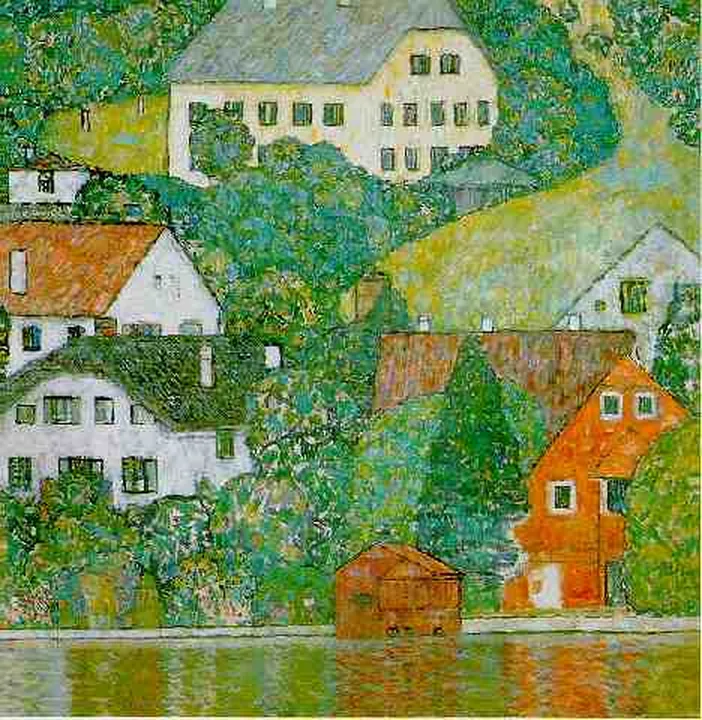
16 works, earliest first. See the complete works
Klimt at the Attersee
Gustav Klimt painted most of his more than 50 landscapes during summer stays at Lake Attersee between 1900 and 1916. After facing controversy over his Vienna University faculty paintings, he stopped accepting public commissions and turned his attention to nature and portraits. Each summer he left Vienna for the lake, staying in Litzlberg, Kammer, and Weißenbachtal alongside his companion Emilie Flöge.
At the lake, Klimt explored water surfaces, village buildings, and shoreline trees. In works like On Lake Attersee (1900) and Insel im Attersee (1901), he pushed the horizon toward the top edge, filling the picture with turquoise and green water ripples. Between 1908 and 1910, while renting Villa Oleander in Schörfling am Attersee, he painted four views of Kammer Castle, including Schloss Kammer on the Attersee I. You can learn more about his working methods in our guide to Klimt’s landscapes and the Attersee.
To compose these scenes, Klimt used a square cardboard viewfinder, opera glasses, and a telescope. The telescope pulled distant buildings and woods forward, flattening them into decorative planes without deep perspective. Paintings such as Avenue in the Park of Schloss Kammer (1912) and Church in Unterach (1916) rely on these compressed planes and tight geometric structures. He often used repetitive, Pointillist-influenced brushstrokes across square canvases to build rhythmic patterns of leaves and water reflections.
Choosing an Attersee print
Klimt’s Attersee pictures suit rooms where you want calm colors and structured nature. The turquoise water of the lake views adds cool tones, while paintings like Park at Kammer Castle or Buchenwald introduce deep greens, browns, and dappled woodland light. Because Klimt designed these compositions for square canvases, they balance well on wide walls either as single focal points or in pairs.
You can explore these lake scenes alongside our wider collection of Klimt landscapes. Every reproduction is printed and shipped by ArtsyWall in three formats: Premium Canvas, Framed Canvas, and Archival Paper. Premium Canvas offers an unframed, textured surface, while Framed Canvas adds a border around the painted edge. Archival Paper presents the fine brush marks and distinct color dabs cleanly on a smooth paper surface.
Questions and answers
What is the Attersee?
Lake Attersee is a lake where Gustav Klimt spent his summer vacations from 1900 to 1916. He resided at several spots along its shores, including Litzlberg near Seewalchen, Kammer, and Weißenbachtal. The lake and its immediate surroundings inspired the vast majority of Klimt's landscape paintings, providing subjects such as open water, castle parks, and lakeside houses.
Why did Klimt go to the Attersee?
Gustav Klimt traveled to Lake Attersee for regular summer holidays between 1900 and 1916 after stepping away from public commissions. Following controversy surrounding his University faculty paintings, he focused instead on portraits and landscapes. Lake Attersee offered a retreat where he stayed with the Flöge family and at the villa of Friedrich Paulick.
What did Klimt paint at the Attersee?
At Lake Attersee, Gustav Klimt painted the majority of his landscape works, focusing on water views, forests, farm gardens, and local architecture. His subjects included the lake itself, Kammer Castle and its park, birch and beech woods, and church views in Unterach. He also painted specific buildings such as the Forester's House in Weissenbach.
Can you visit Klimt's Attersee today?
You can visit Lake Attersee today to see the locations Gustav Klimt painted, including the Gustav Klimt Centre in Schörfling am Attersee. Reopened in 2024, the centre features a permanent documentation exhibition and a cinema. You can also walk the Gustav Klimt Theme Path, using square viewing steles to frame the surrounding landscape.