Klimt Gold Period Prints
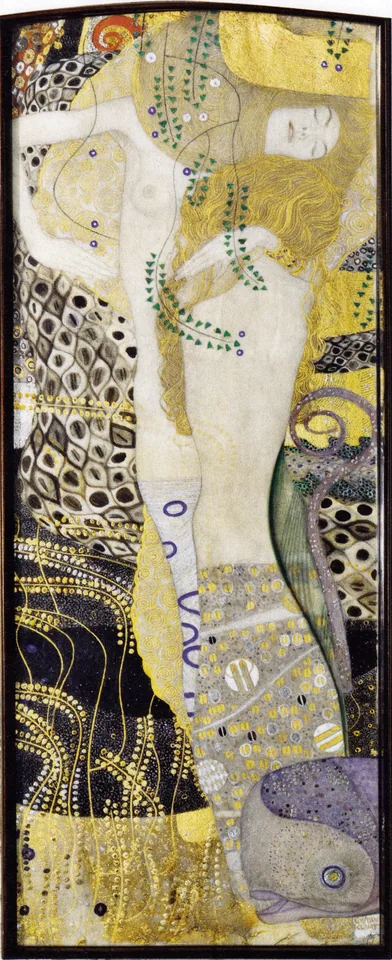
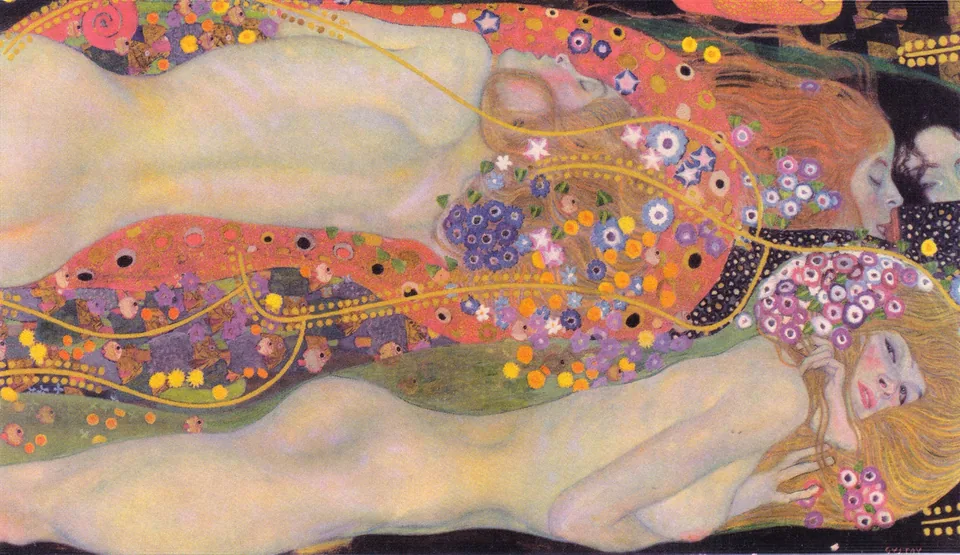
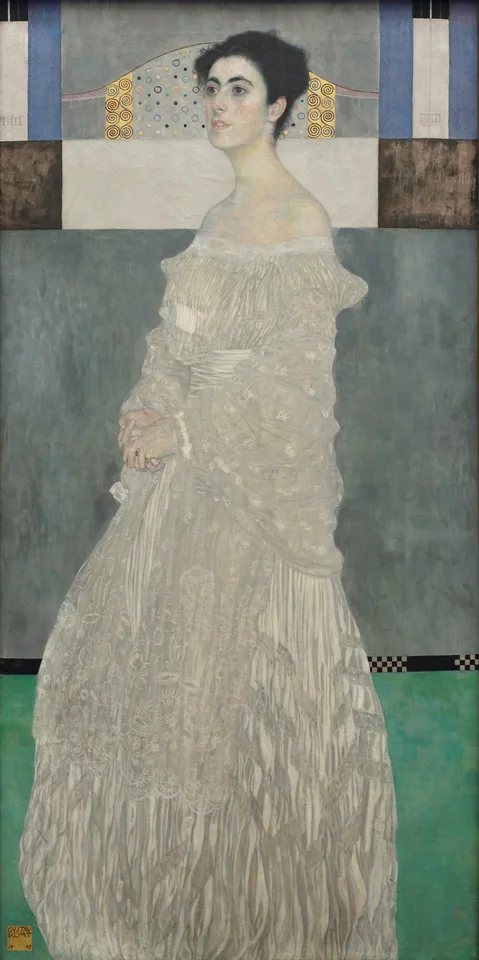
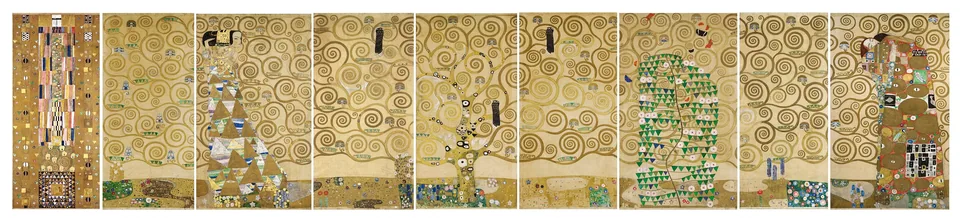
Klimt's gold paintings are the shimmering decorative works produced during his golden phase between 1899 and 1910. He fused gold leaf with oil paint to create luminous portraits and symbolic figures that you can bring into your home.



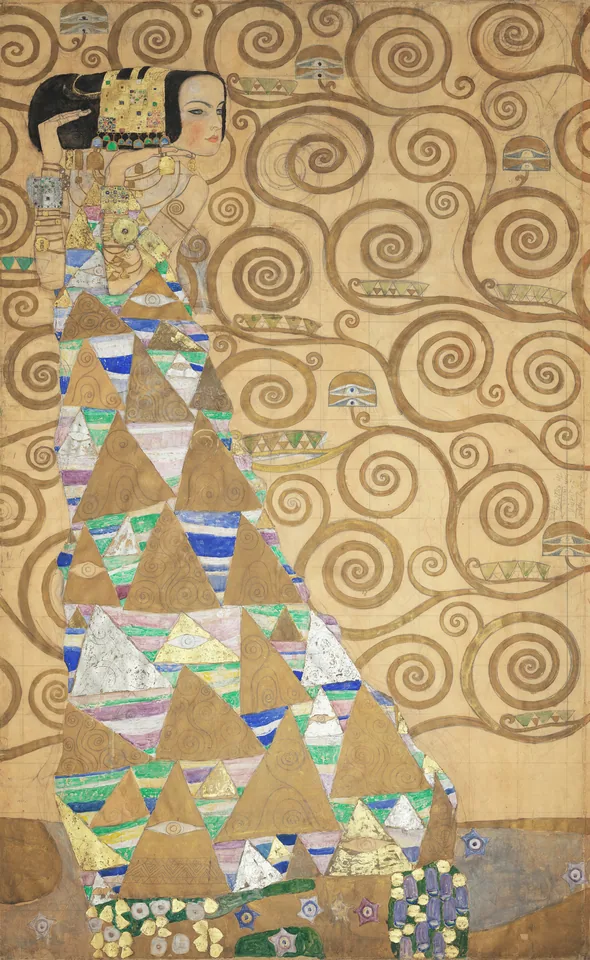
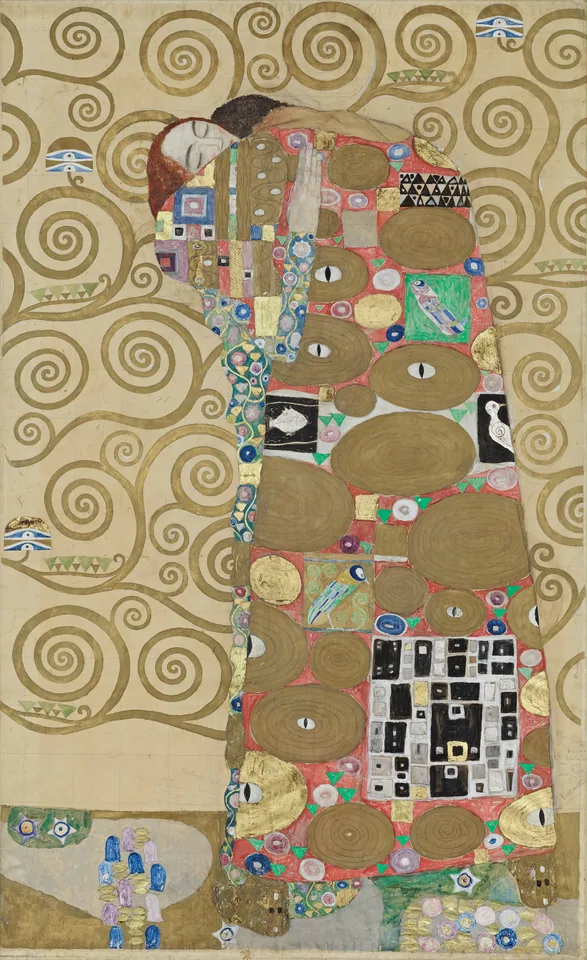
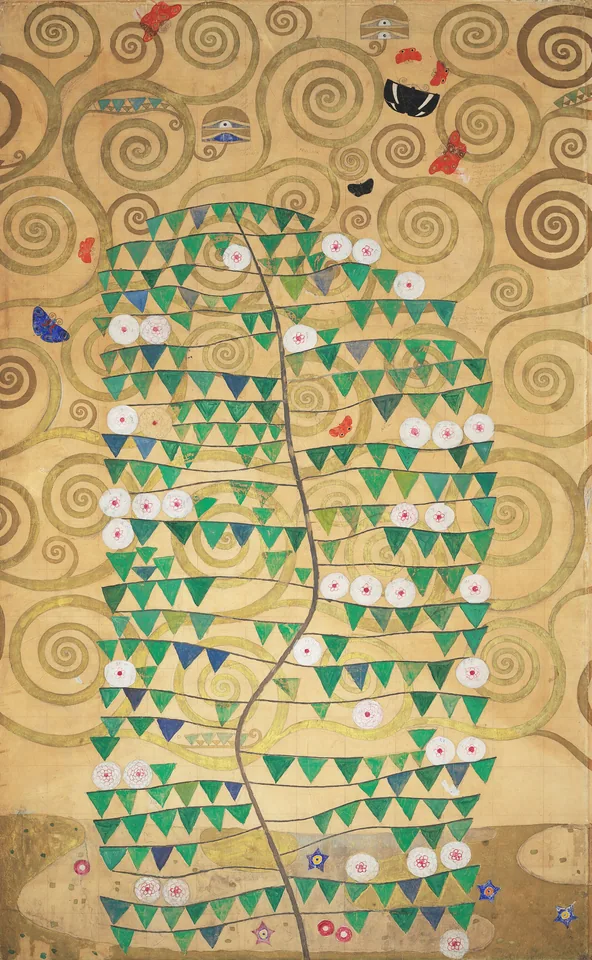
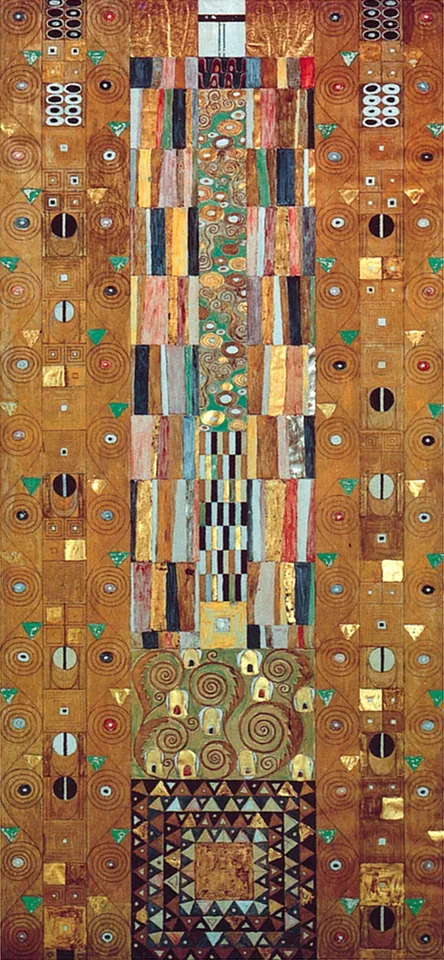
28 works, earliest first. See the complete works
About Klimt’s gold paintings
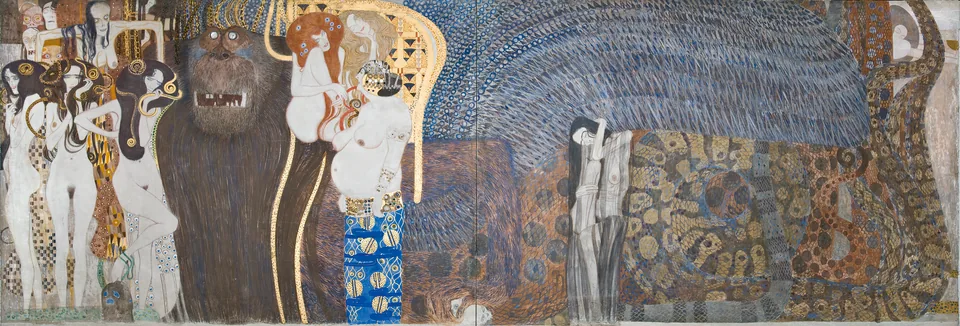
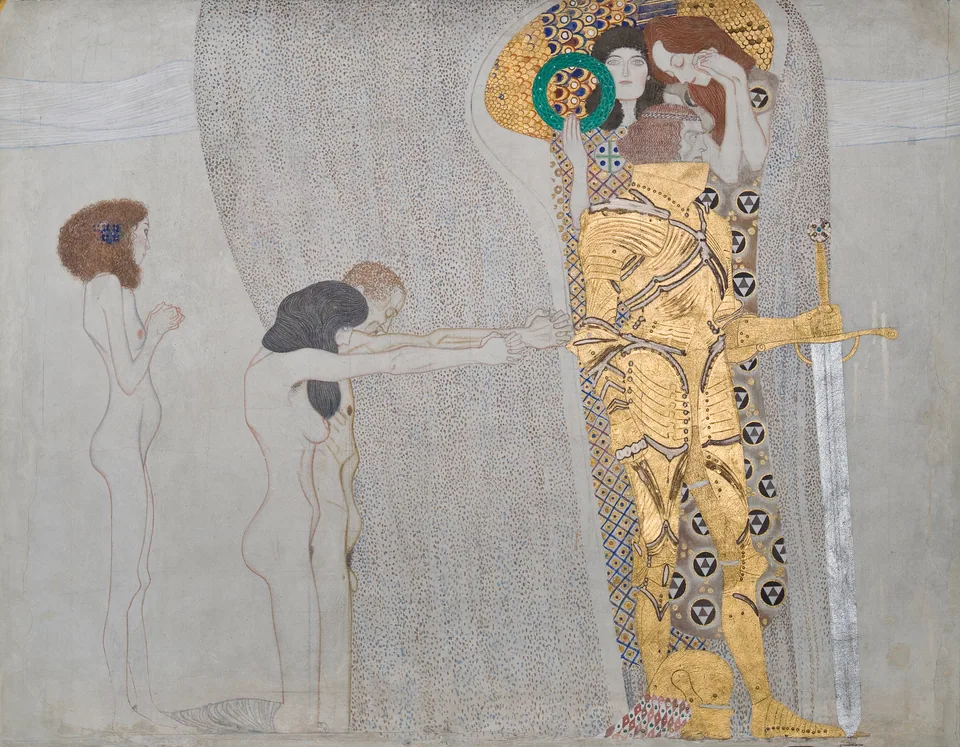
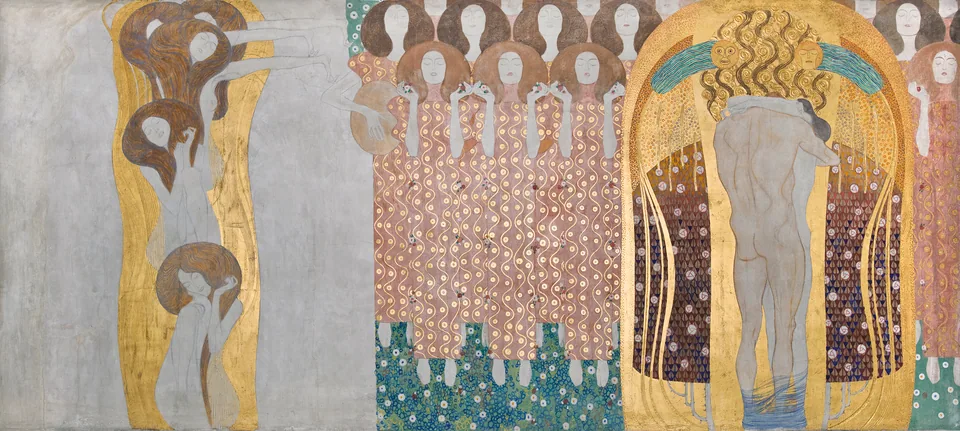
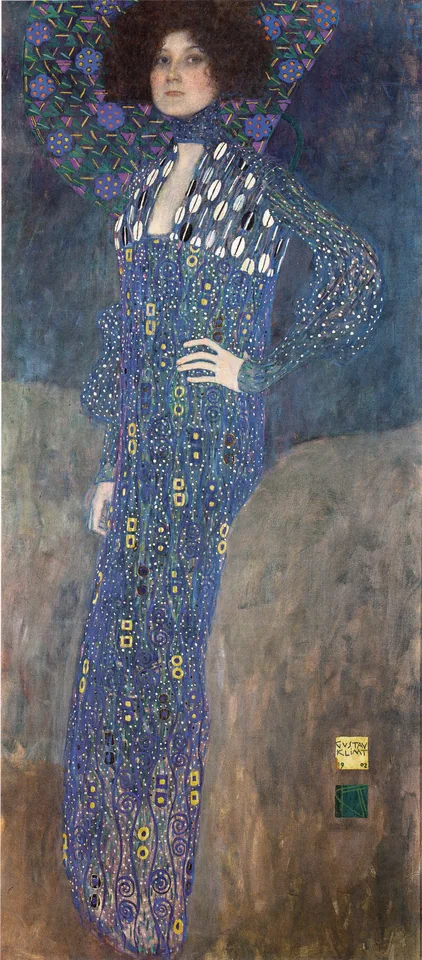
Klimt’s gold paintings are decorative oil canvases produced during Klimt’s golden phase from about 1899 to 1910. In these works, Gustav Klimt layered gold leaf over oil paint, combining flat ornamentation with lifelike figures. Trips to Venice and Ravenna introduced him to Byzantine mosaics, while his father Ernst Klimt the Elder and brother Georg provided a family foundation in gold engraving and metalwork. He also drew from seventeenth-century Japanese painter Ogata Kōrin, using gold backgrounds that brought critical praise and financial success in Vienna.
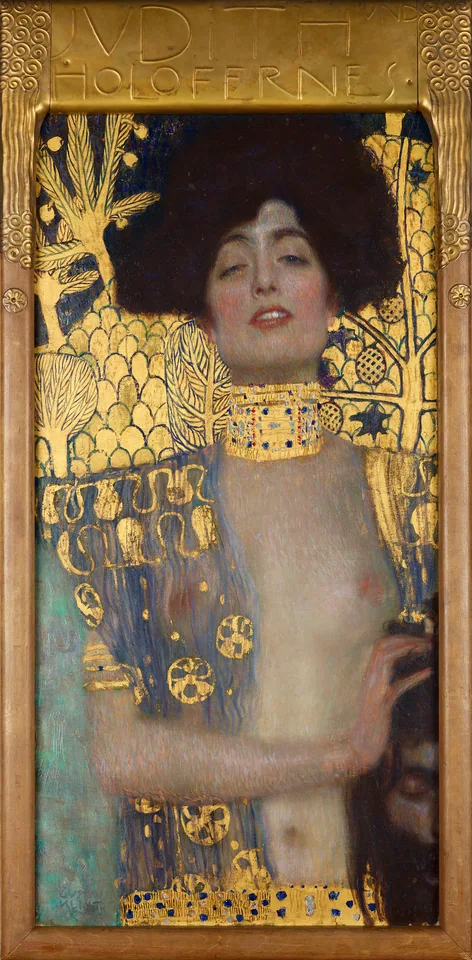
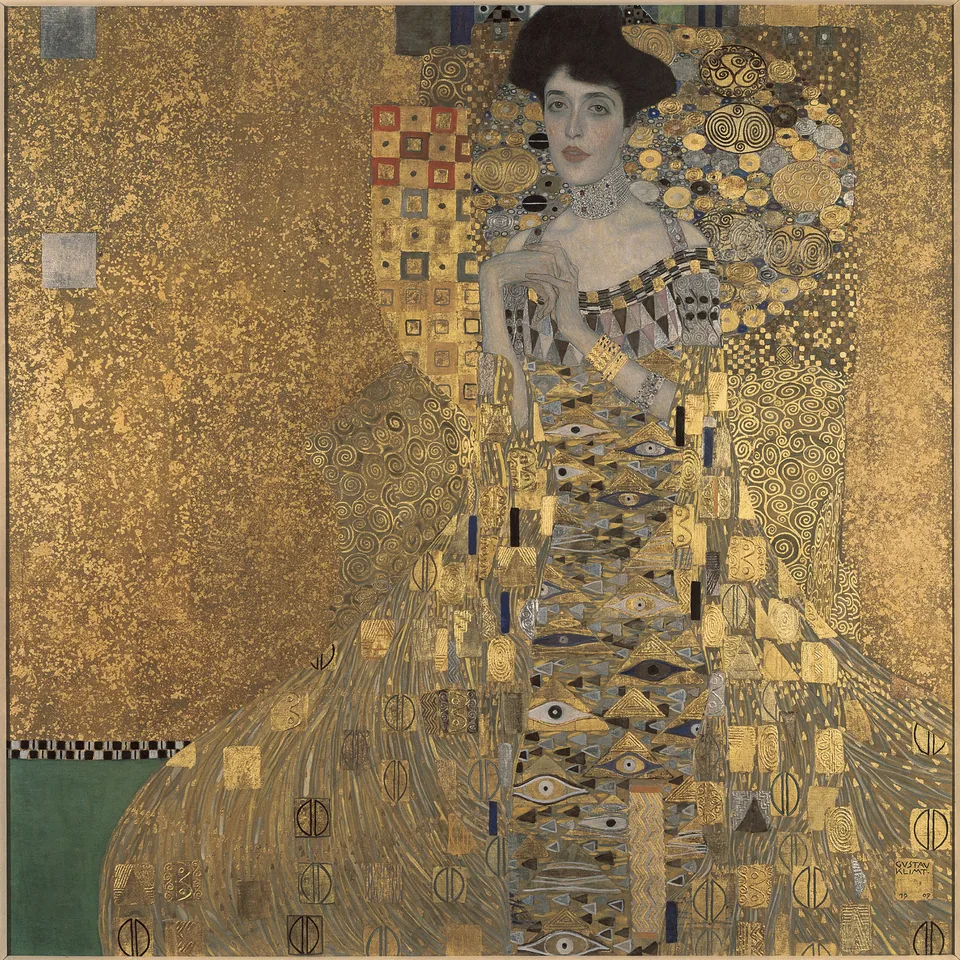
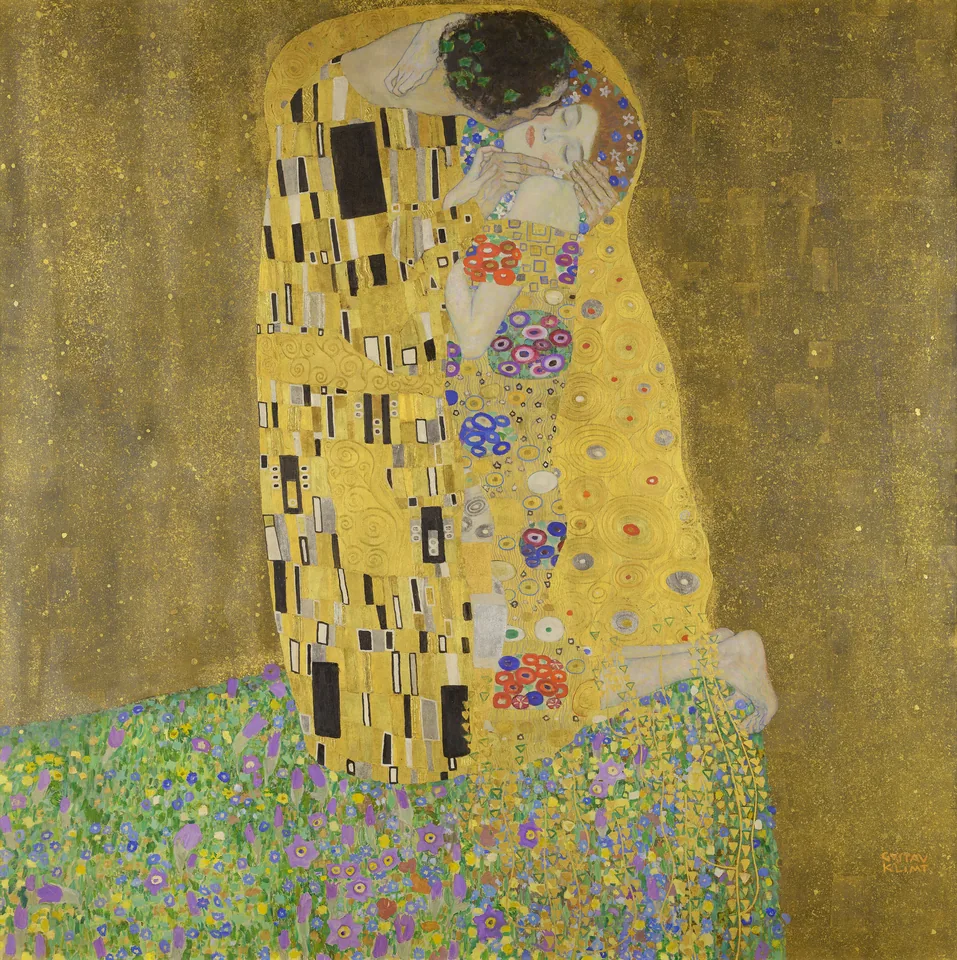
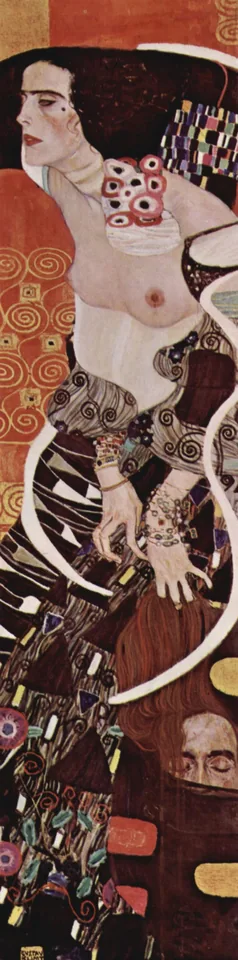
You can see this decorative style across his major portraits and figure studies. In The Kiss, painted between 1907 and 1908, a couple embraces within a golden cloak patterned with dark rectangles and bright circles. In the 1907 portrait of Adele Bloch-Bauer, known as the Woman in Gold, the sitter sits framed by gold leaf and repeating eye motifs before setting a record for the highest price ever paid for a painting when Ronald S. Lauder purchased it in 2006 for the Neue Galerie New York. Adele Bloch-Bauer also modeled for Judith I in 1901, where her dark hair contrasts with a luminous gold background and an engraved metal collar made by Georg Klimt.
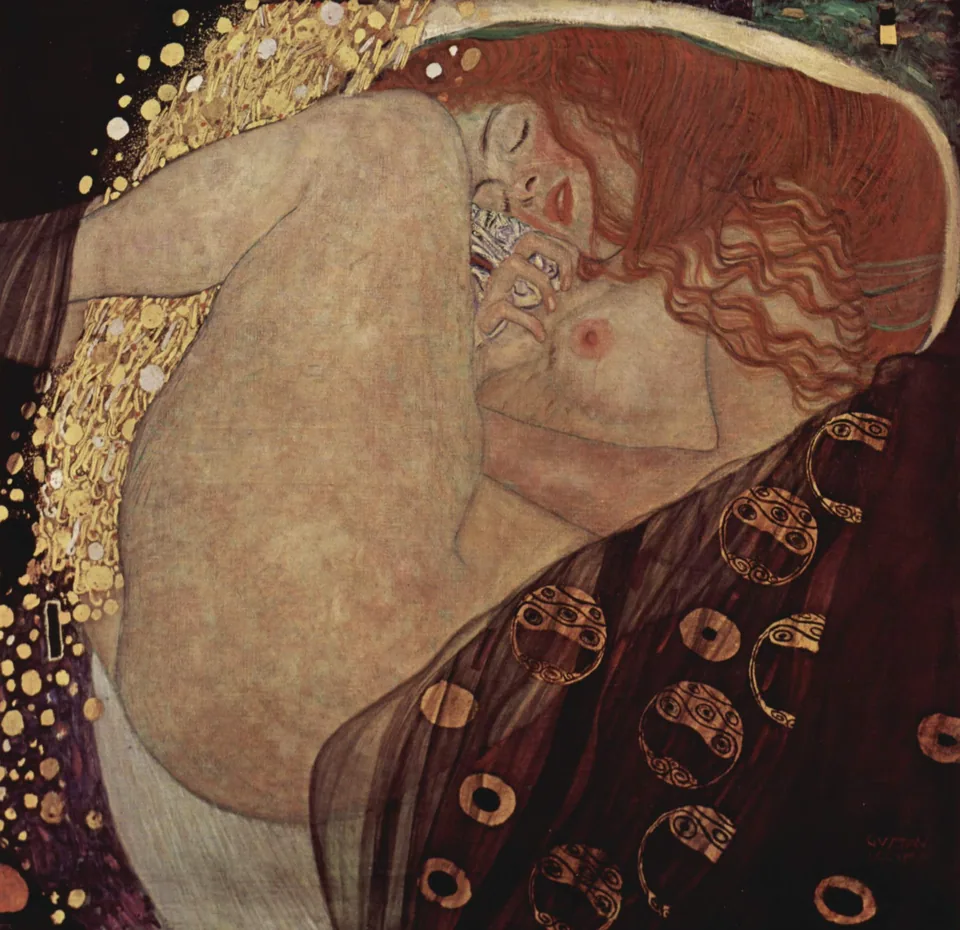
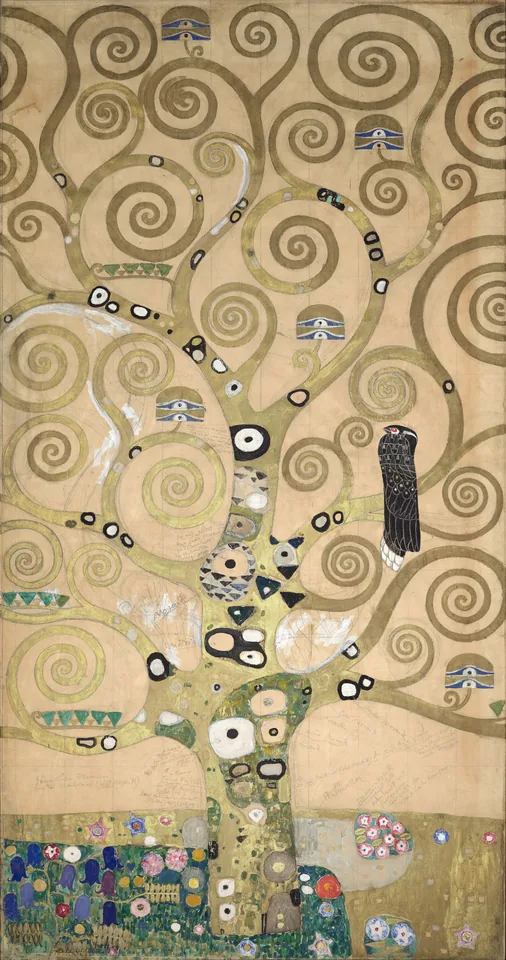
Klimt applied similar metal techniques to his allegorical compositions. In Hope II, painted between 1907 and 1908, the model Herma stands in a flat gown decorated with gold leaf that recalls Byzantine art. His 1907 canvas Danaë shows a figure resting beneath a stream of gold flowing across the canvas. Klimt called his dining room designs for the Palais Stoclet the ultimate stage of his development of ornament, marking the culmination of this decorative work before he began using cooler tones.
Choosing a gold Klimt print
When you choose a print for your home, consider the lighting and colors of your space. Klimt’s yellow tones, geometric gold motifs, and dark contrasts show best under warm, consistent light. All prints in this collection are printed and shipped by ArtsyWall in three formats: Premium Canvas, Framed Canvas, and Archival Paper.
Archival Paper protects fine linework and fits traditional glass frames. Premium Canvas provides a textured surface that matches the feel of an original stretched canvas. Framed Canvas arrives ready to hang with a clean border that defines the artwork on your wall. Consult our guide on choosing a Klimt print to find the right dimensions and display style for your room.
Questions and answers
What are Klimt's gold paintings?
Klimt's gold paintings are works created during his golden phase between about 1899 and 1910 that feature gold leaf applied to oil paintings and murals. These works combine flattened decorative patterns with realistic human figures. Major examples include Pallas Athena, Judith I, Hope II, and Der Kuss. Klimt applied gold to canvas backgrounds, clothing, and decorative borders, creating reflective surfaces that brought him critical praise and financial success in Vienna.
Why did Klimt use gold?
Gustav Klimt used gold because of his family background in metal engraving, his study of Italian mosaics, and his interest in Japanese art. His father and brother were both professional metal engravers. Travels to Ravenna and Venice exposed him to Byzantine church mosaics with shimmering gold tesserae. He also admired seventeenth-century Japanese painter Ogata Kōrin, whose decorative gold backgrounds shaped the ornamental style Klimt brought to the Vienna Secession.
Who is the golden lady in Klimt's paintings?
The golden lady in Klimt's paintings is Adele Bloch-Bauer, a Viennese socialite who sat for his famous 1907 portrait. Klimt depicted her in Portrait of Adele Bloch-Bauer I wearing a tight golden gown covered in eye-shaped motifs and geometric spirals against a patterned gold background. Viewers also recognize Adele Bloch-Bauer as the model in Klimt's 1901 oil painting Judith I, where she wears a wide gold choker.
What was Klimt's first gold painting?
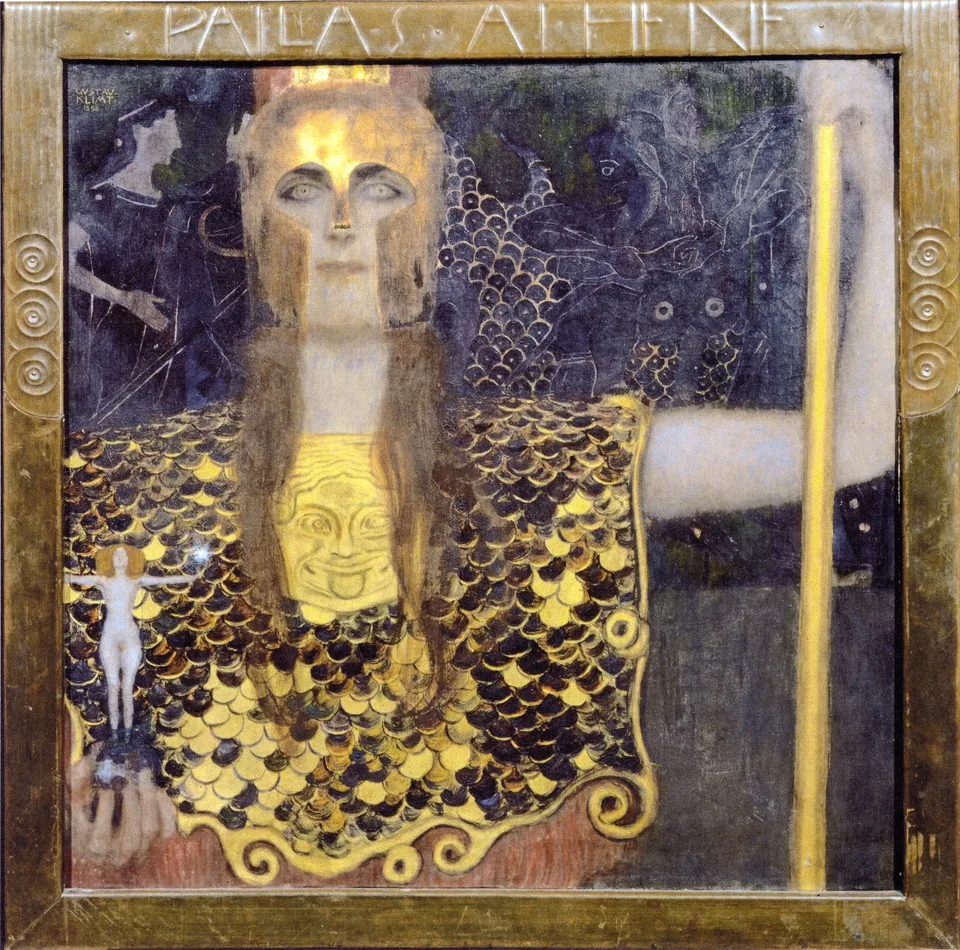
Gustav Klimt's first gold painting is generally considered to be Pallas Athene, painted in 1898. In this work, Klimt depicted the Greek goddess wearing an embossed gold helmet and armor breastplate while holding a spear. The square canvas marked the start of his golden phase during the early Vienna Secession. His brother Georg Klimt crafted the custom metal frame for the painting, which hangs in the Vienna Museum on Karlsplatz.