Klimt Portrait Prints
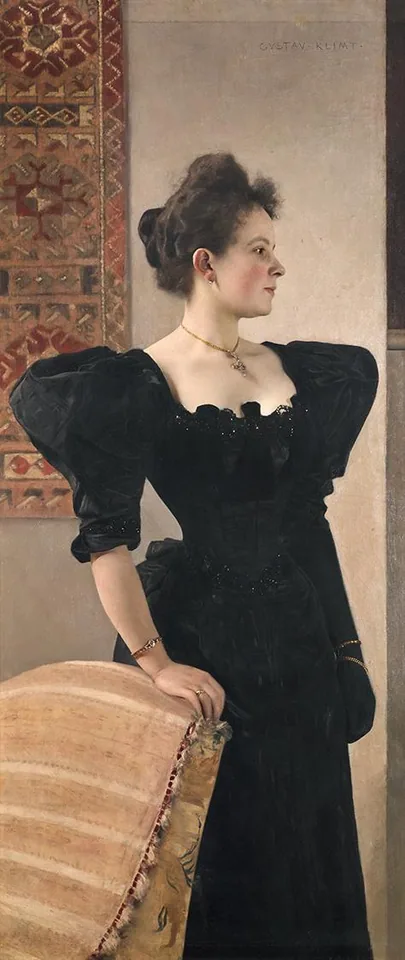
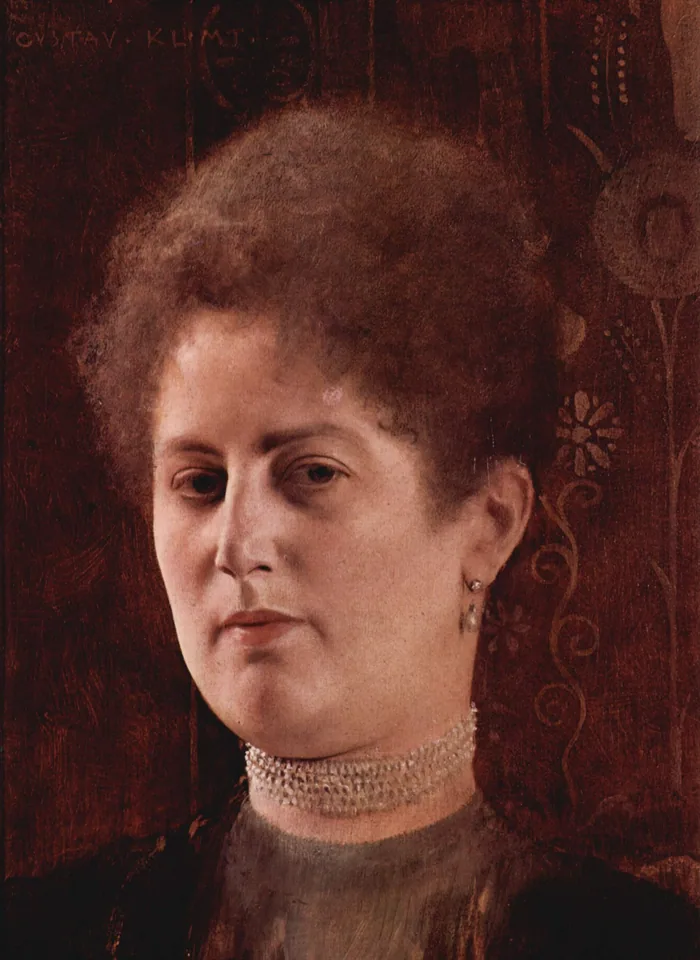
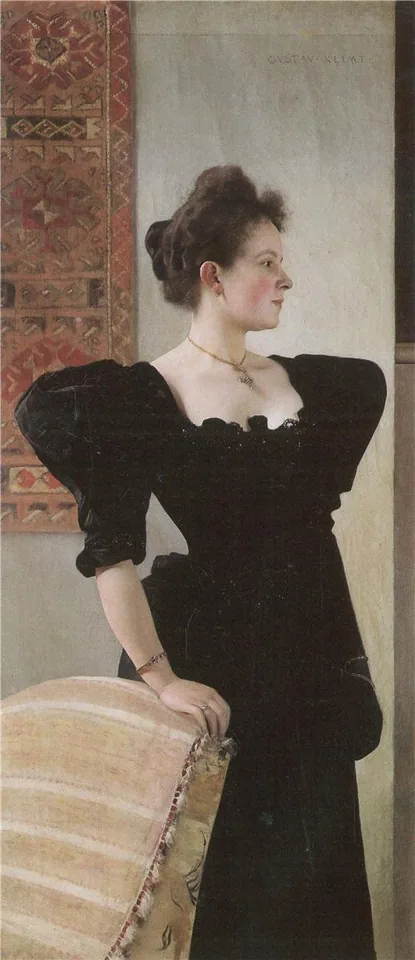
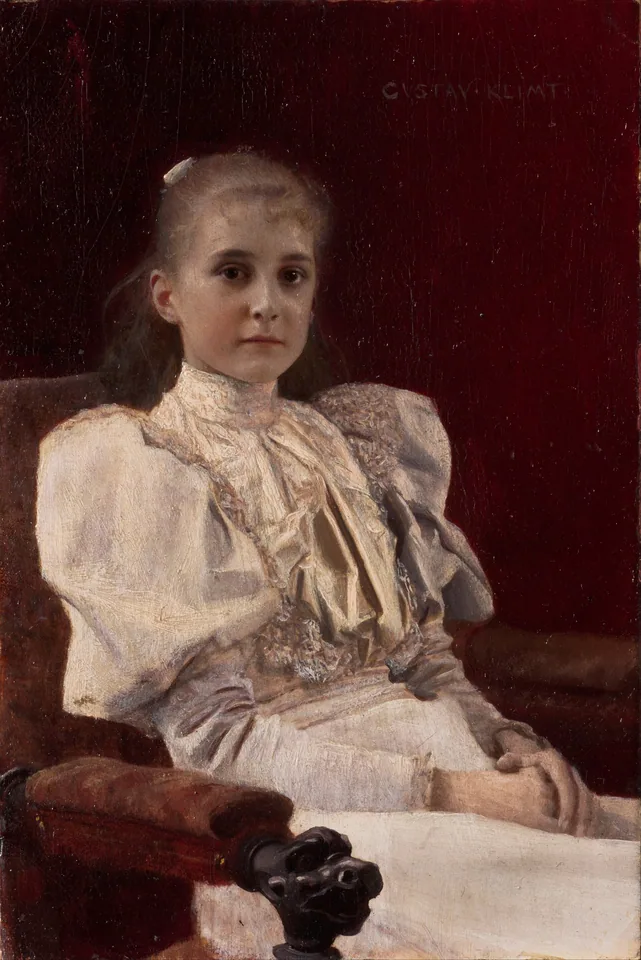
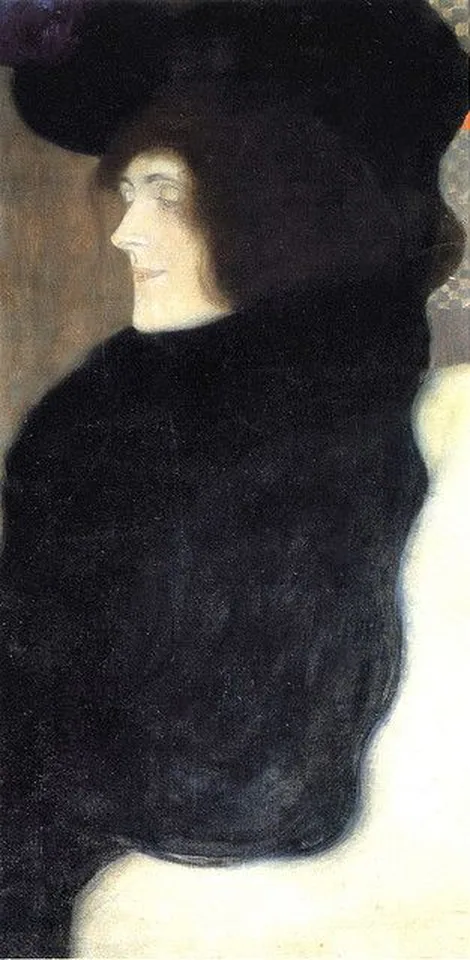
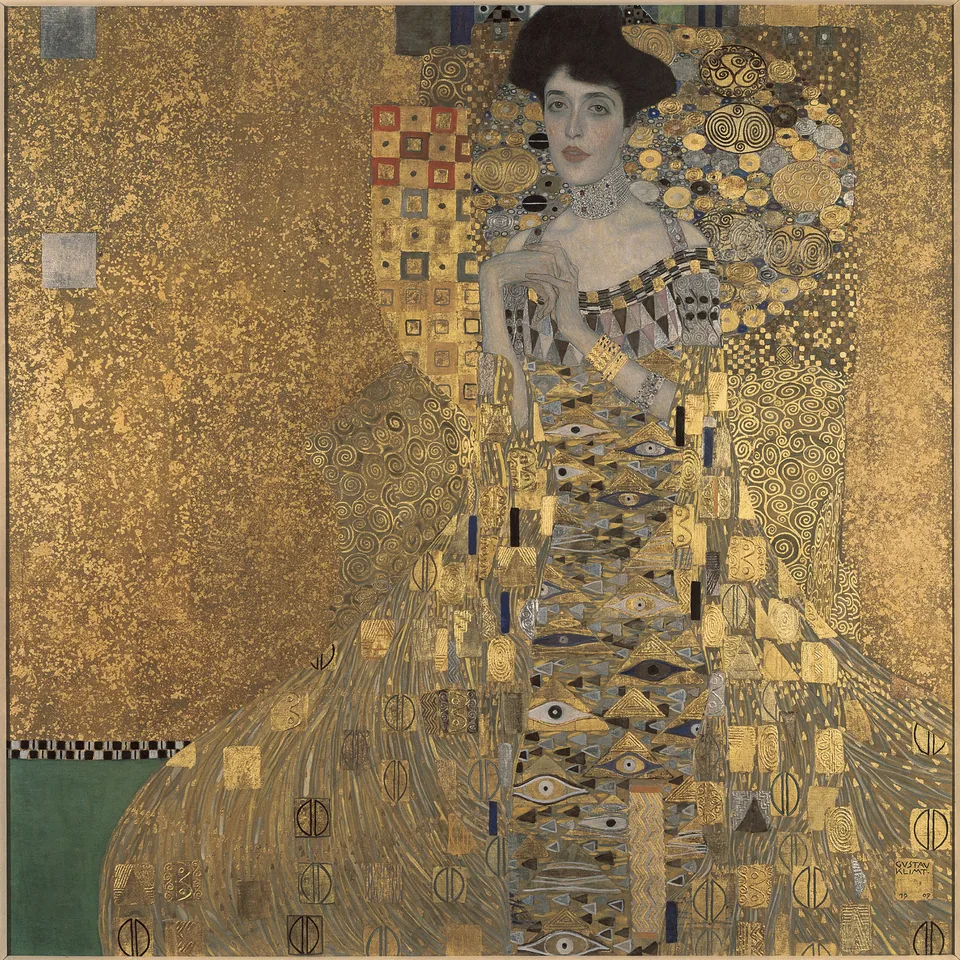
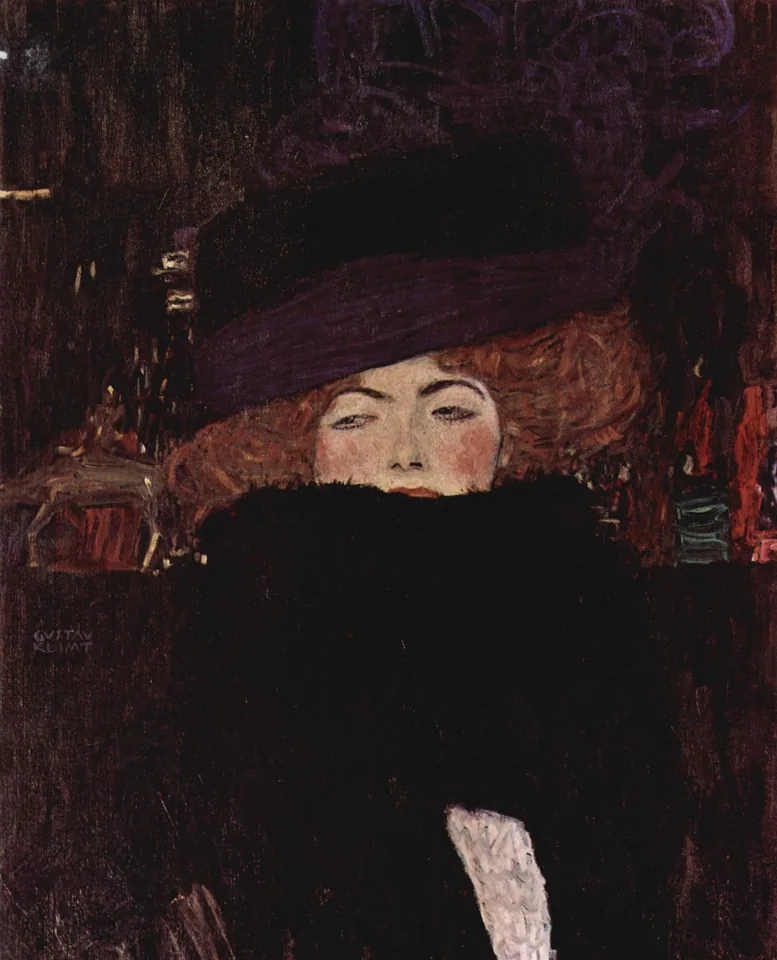
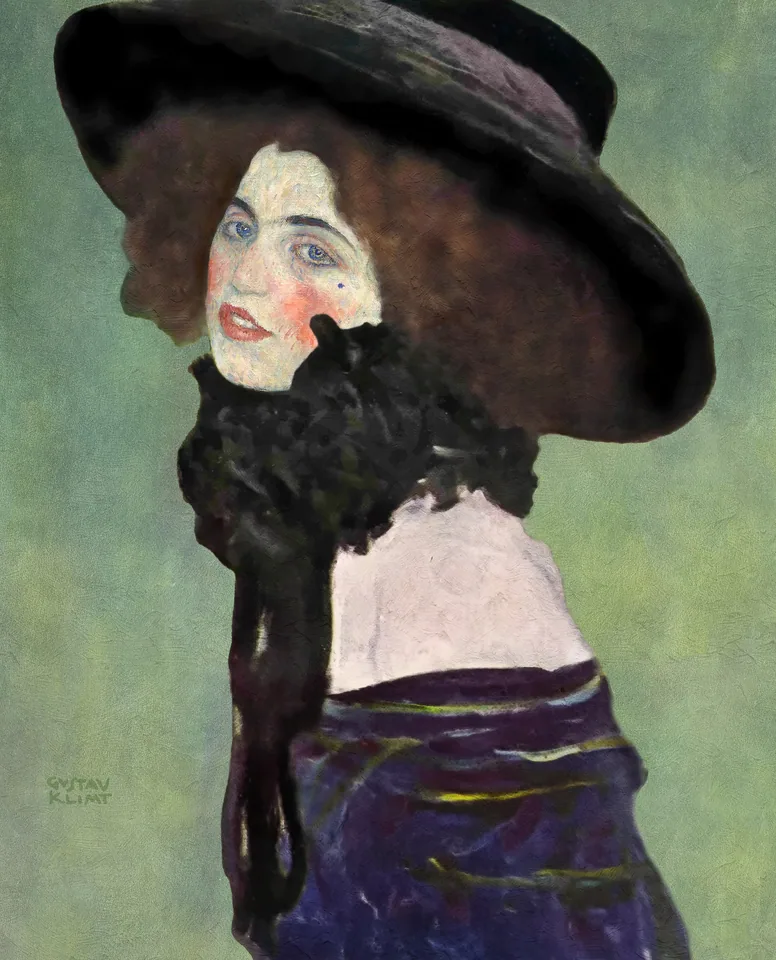
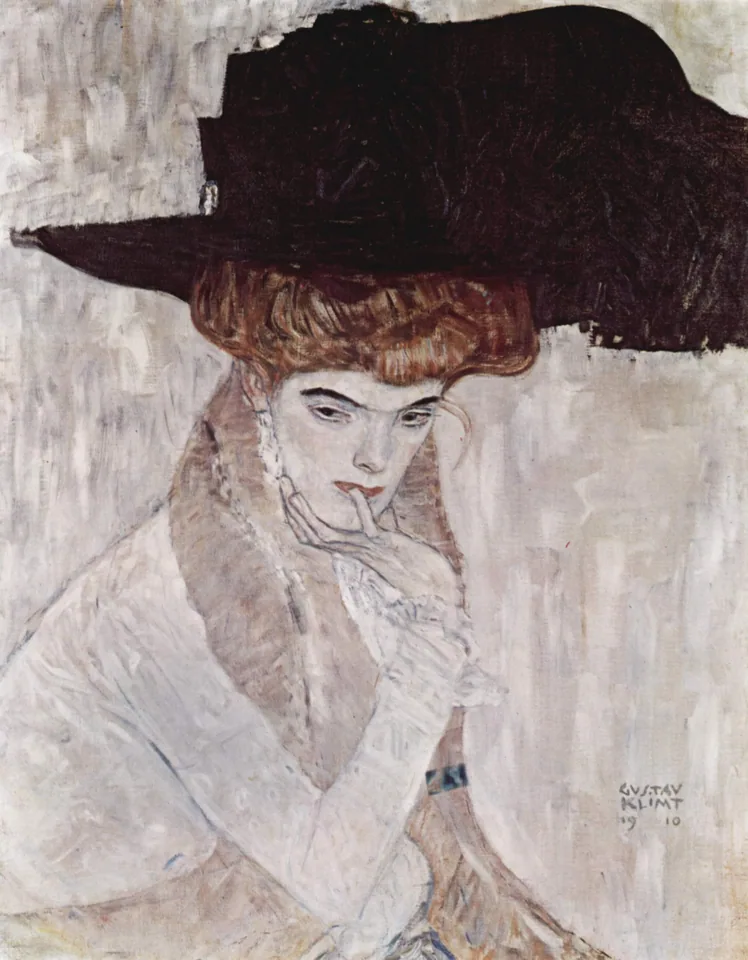
Gustav Klimt portraits capture Viennese society through bold color, intricate dress patterns, and delicate facial details. Browse prints of celebrated works including Adele Bloch-Bauer, Elisabeth Lederer, and Lady with a Fan for your home.
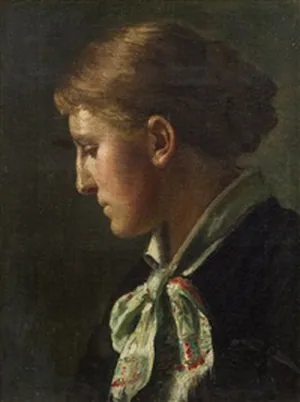
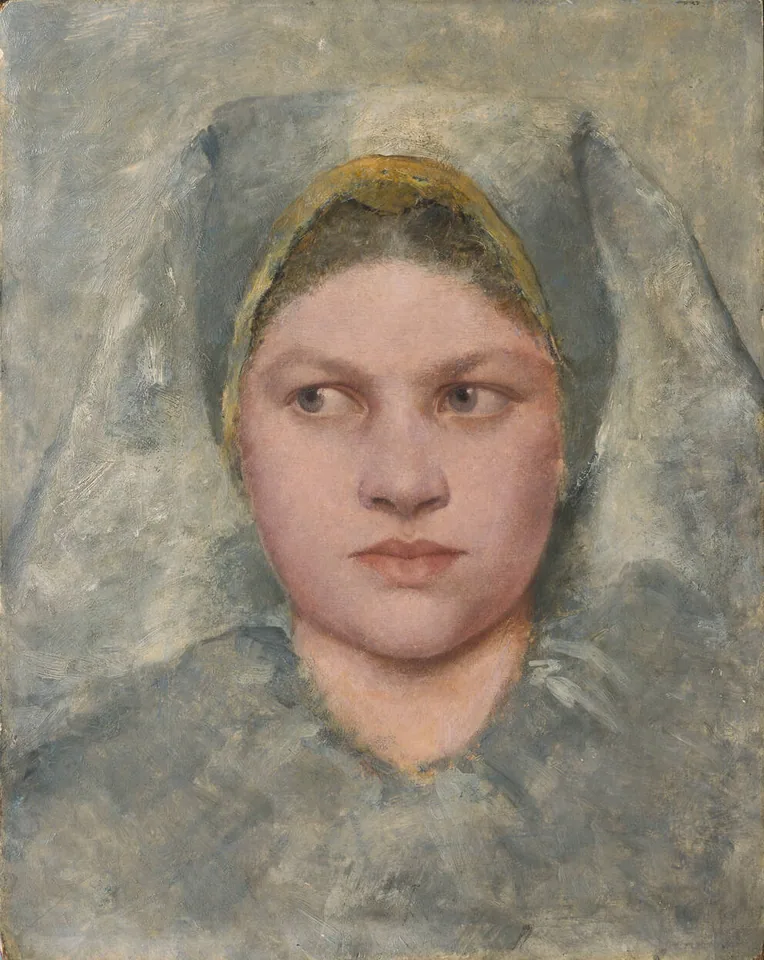

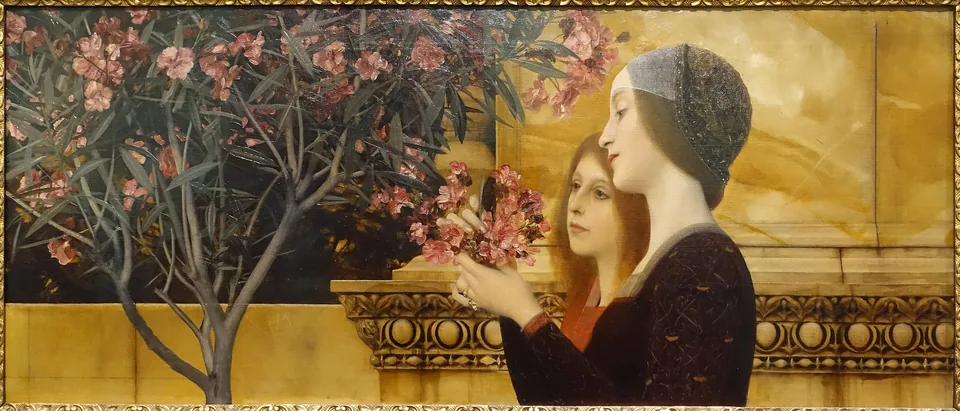
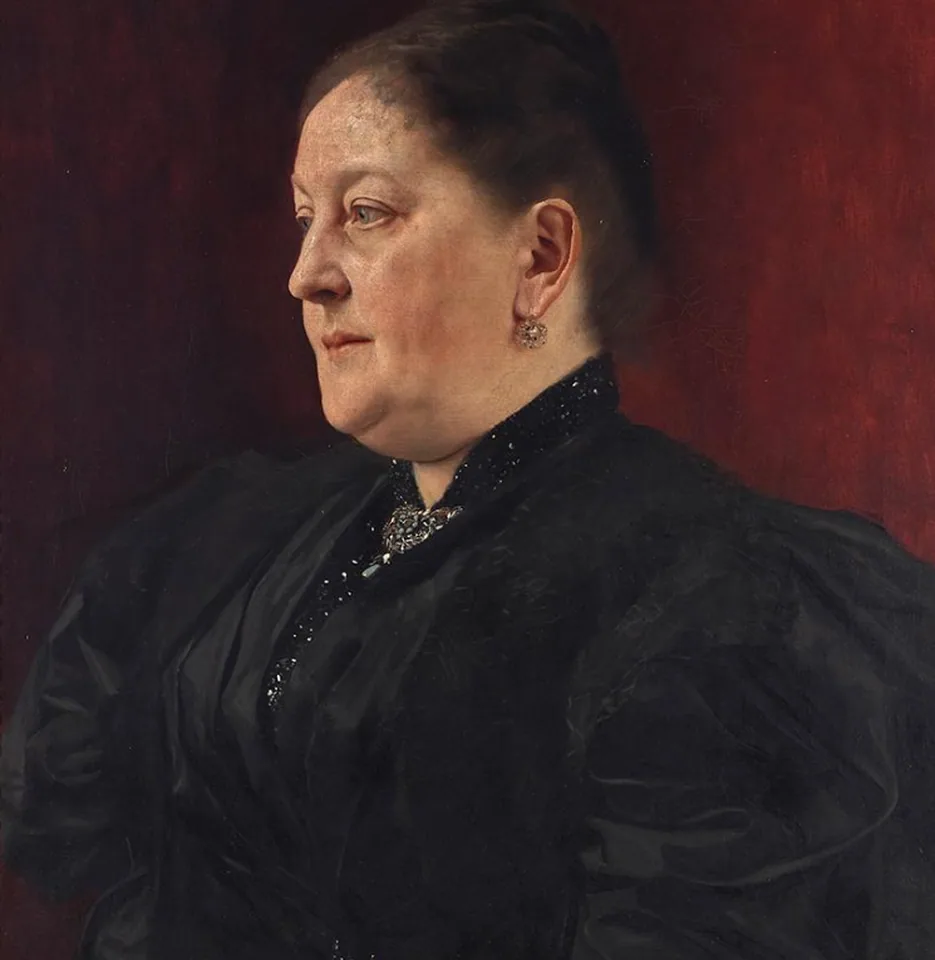

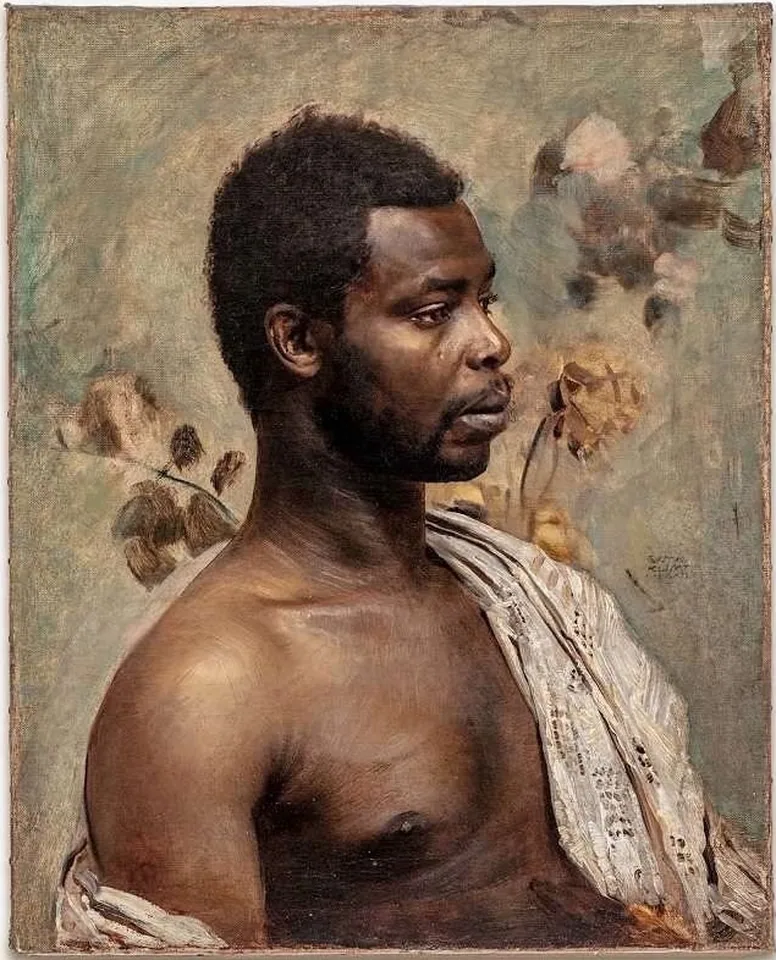
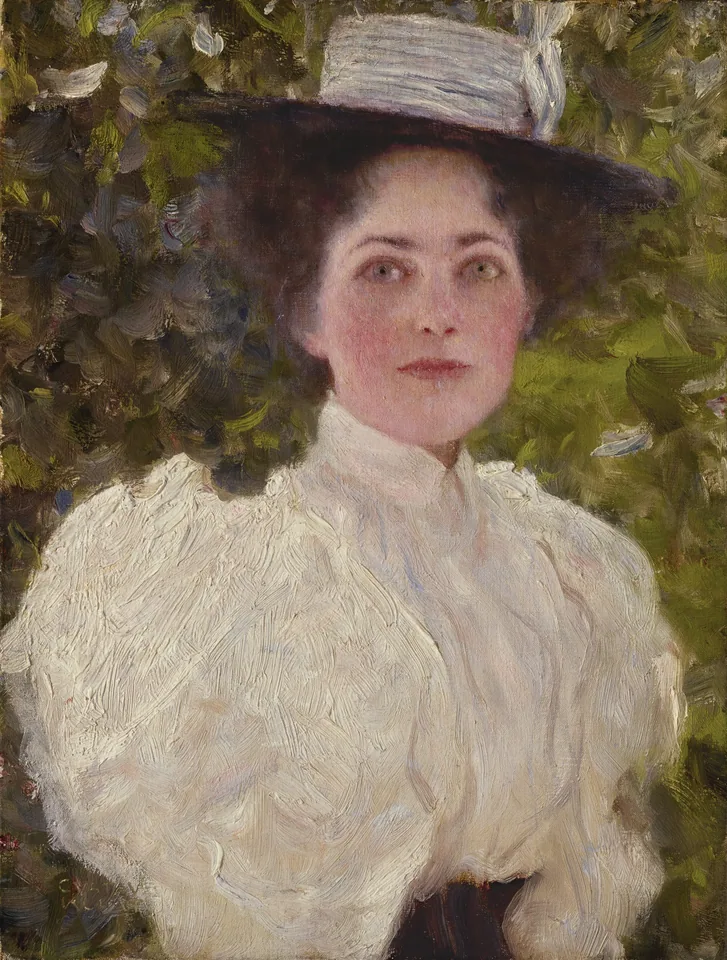
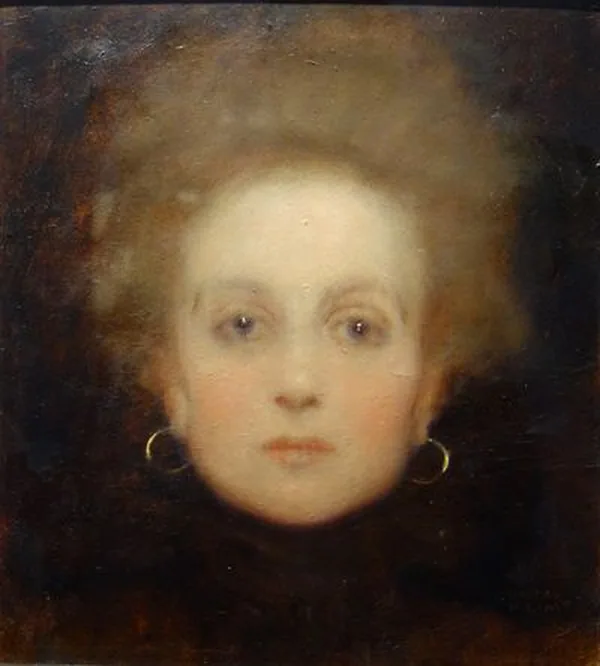
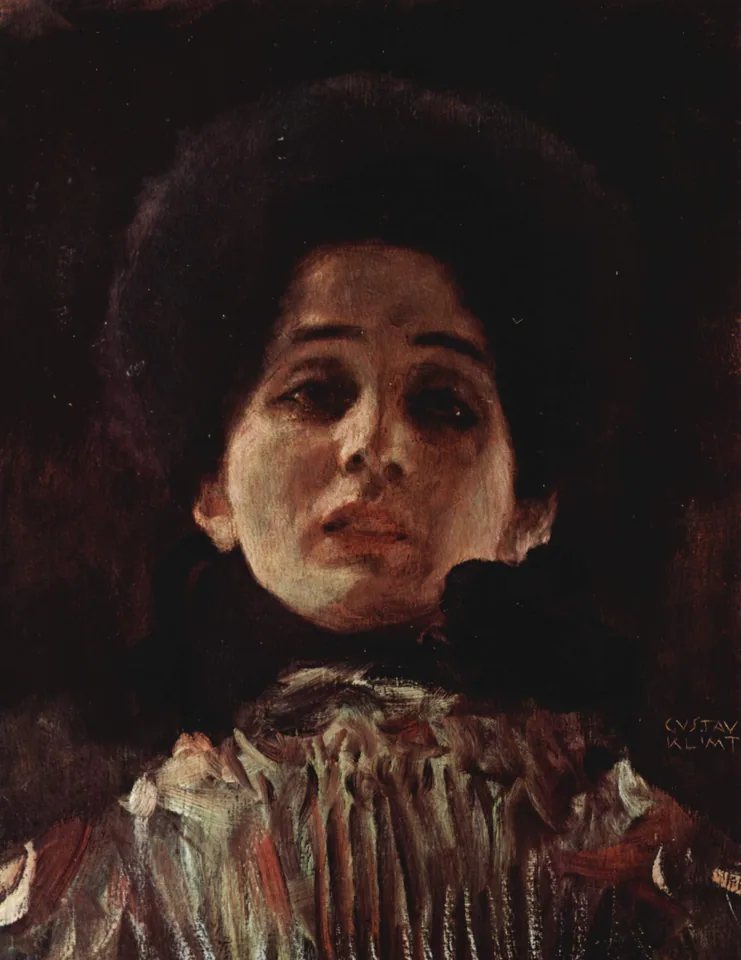
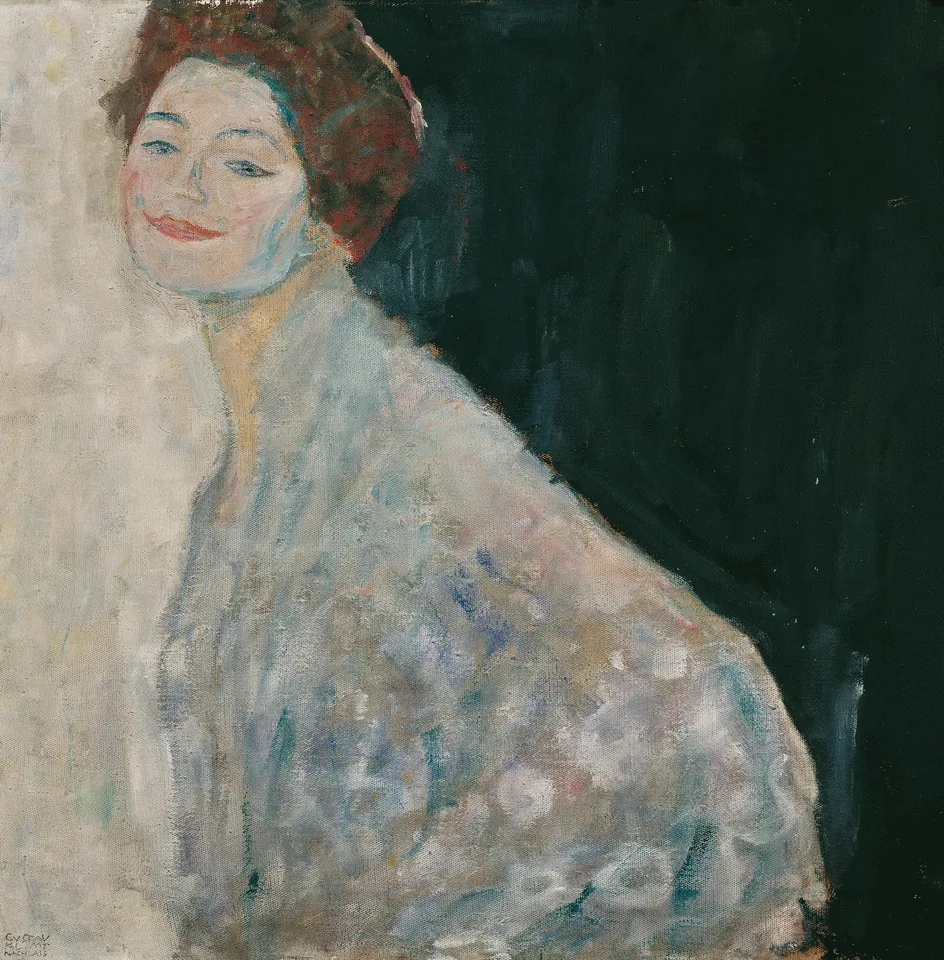
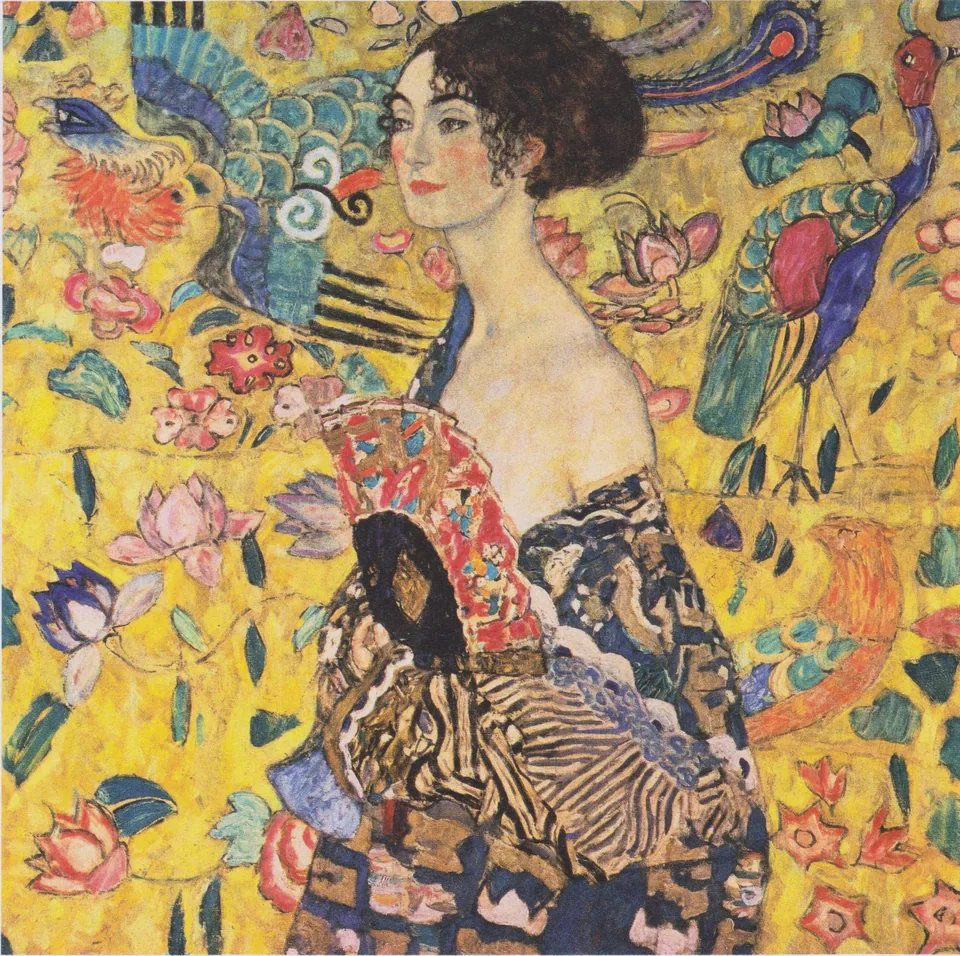
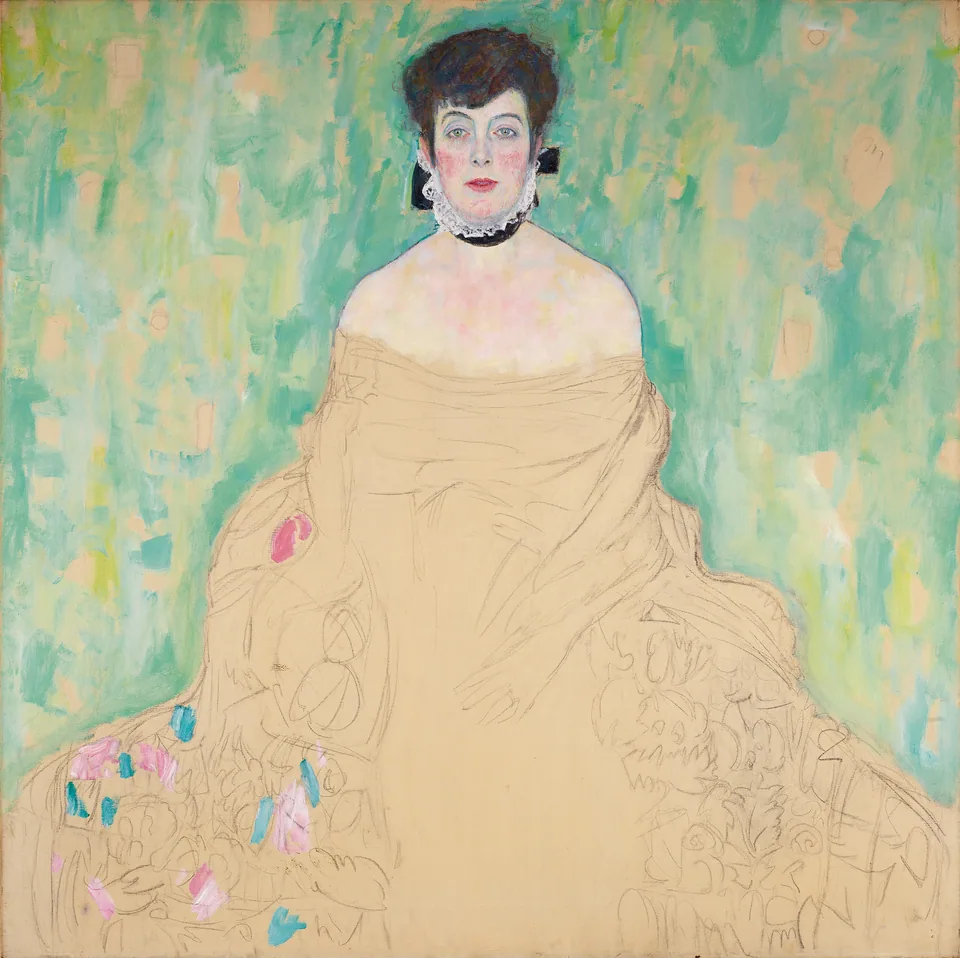
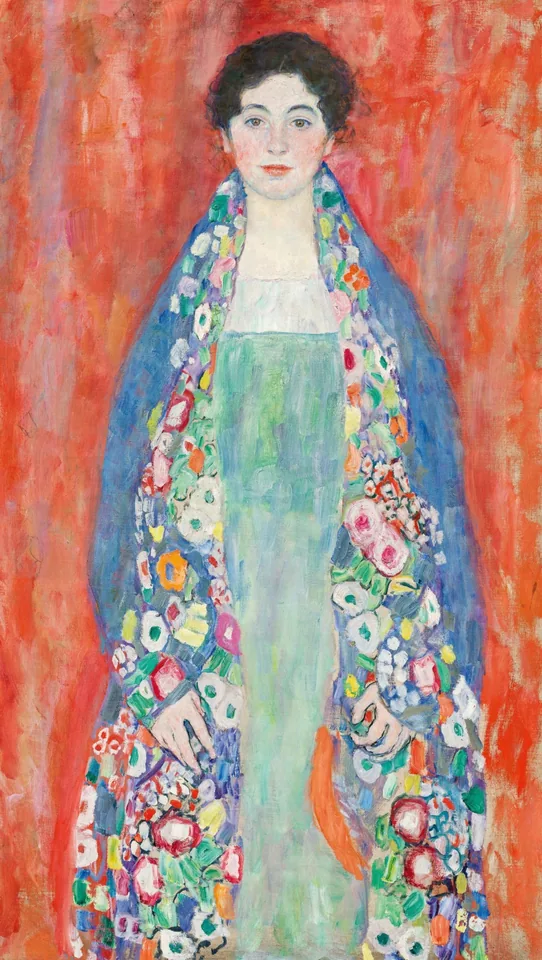
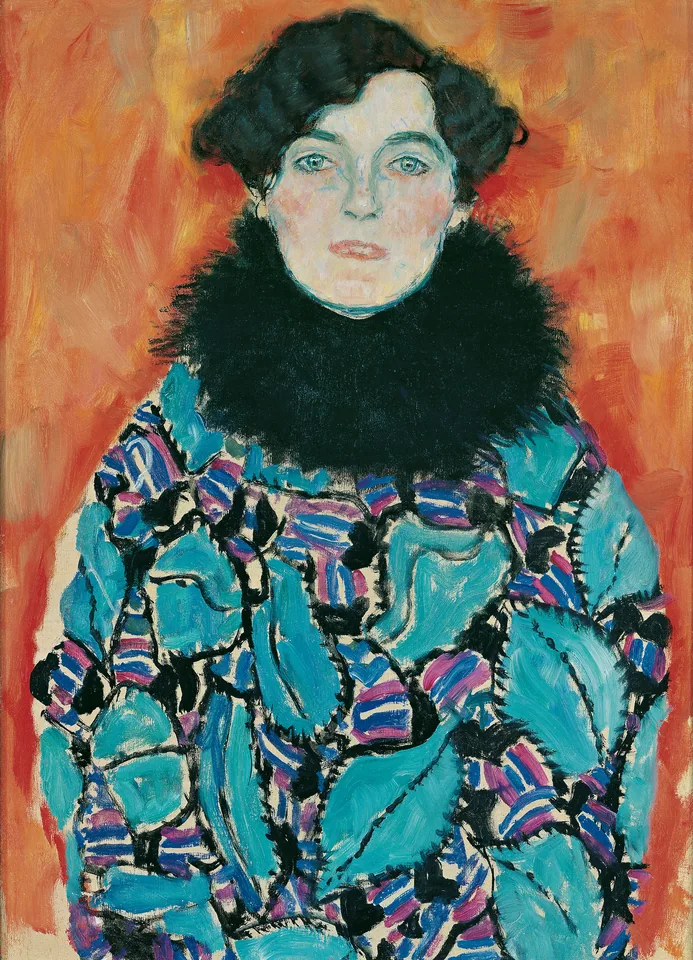
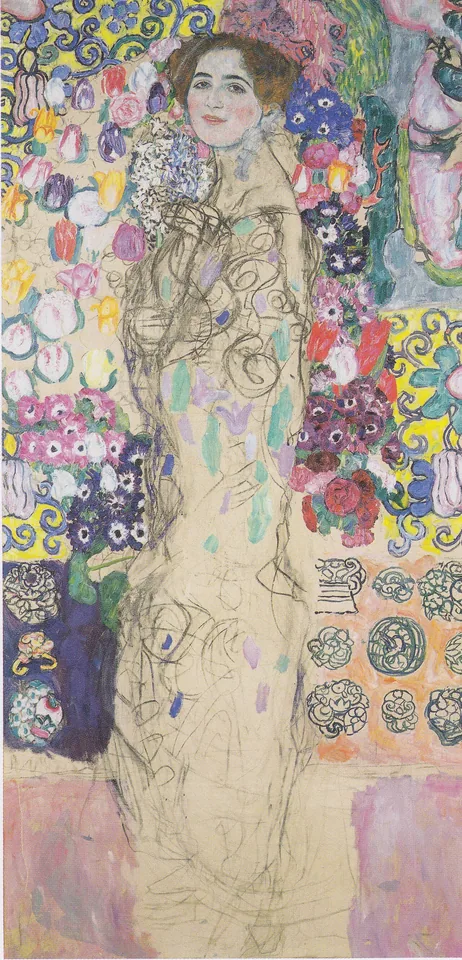
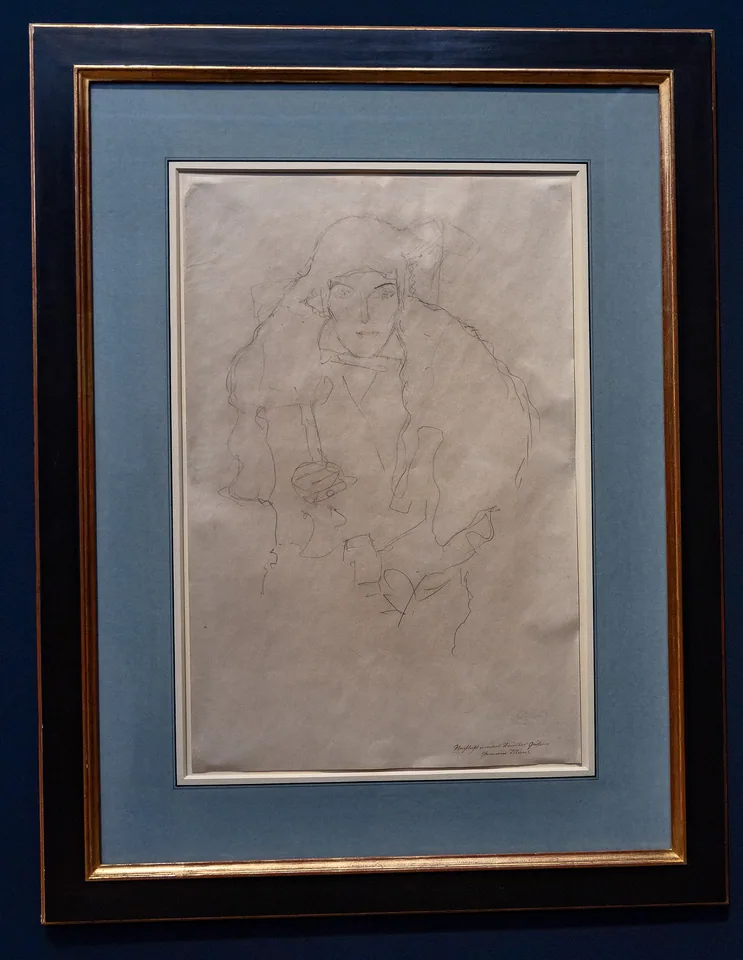
61 works, earliest first. See the complete works
About Klimt’s portraits
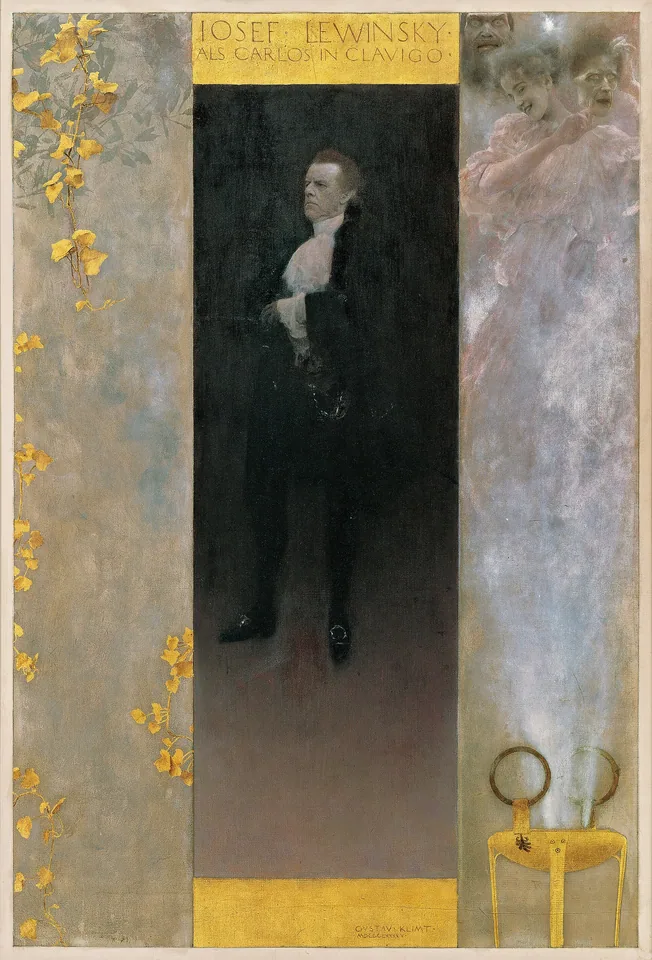
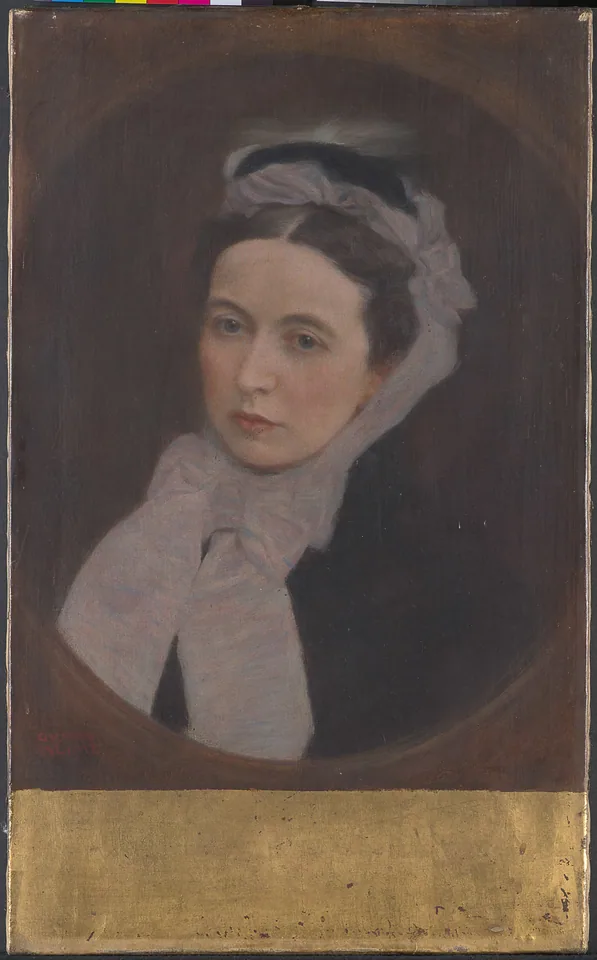
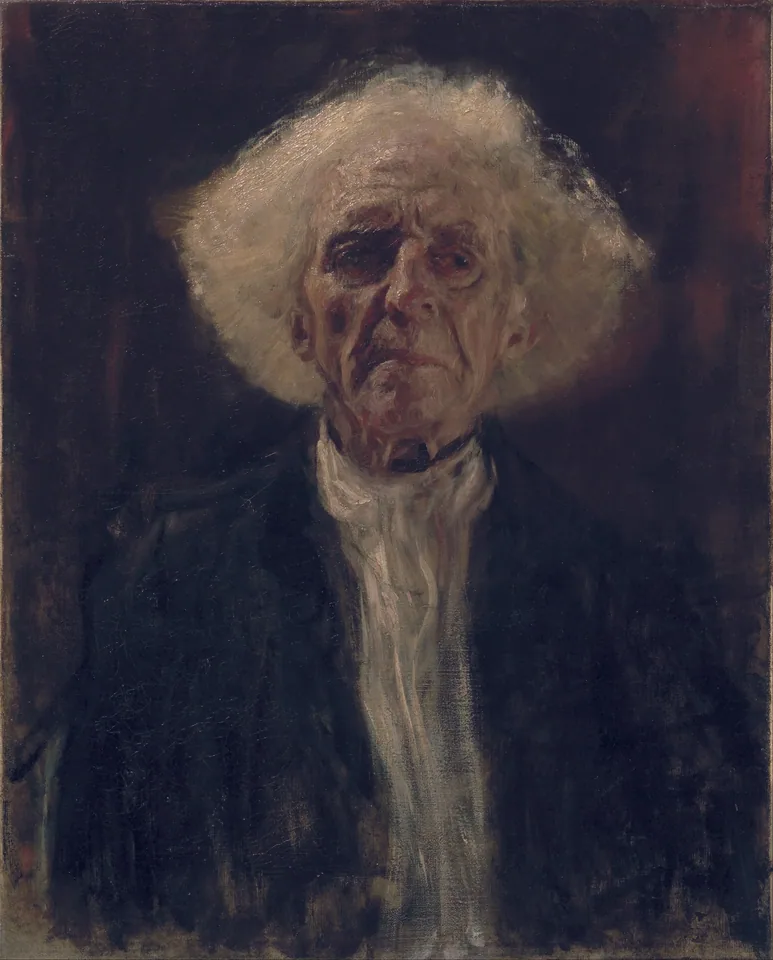
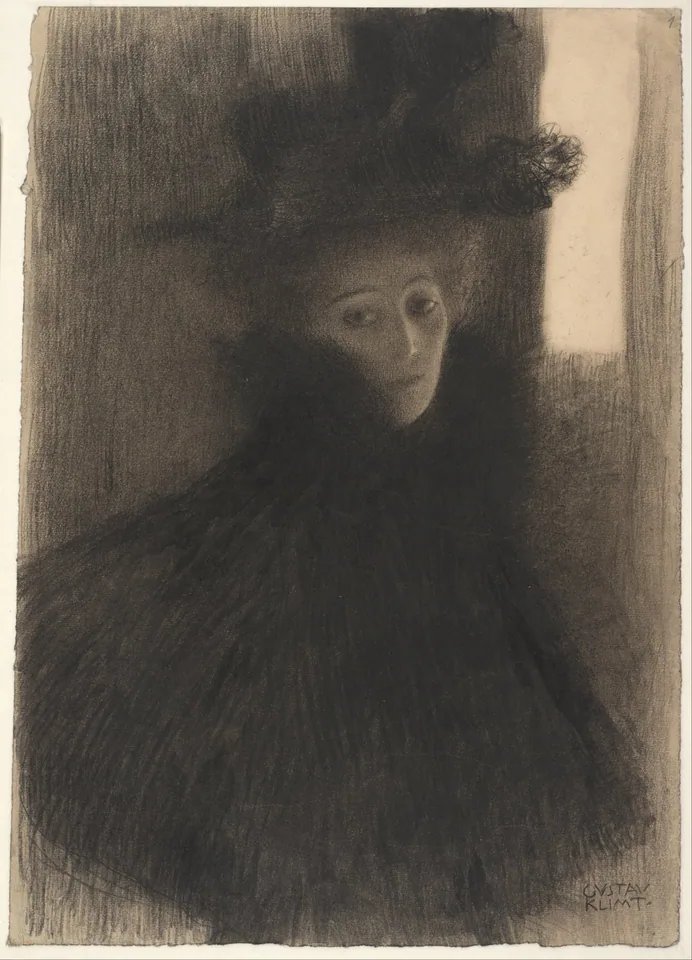
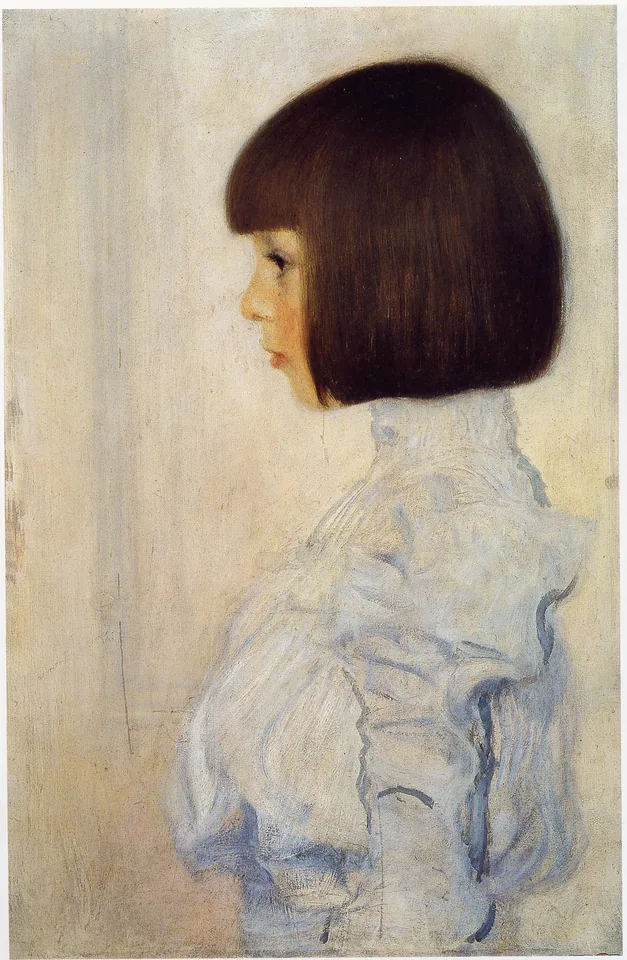
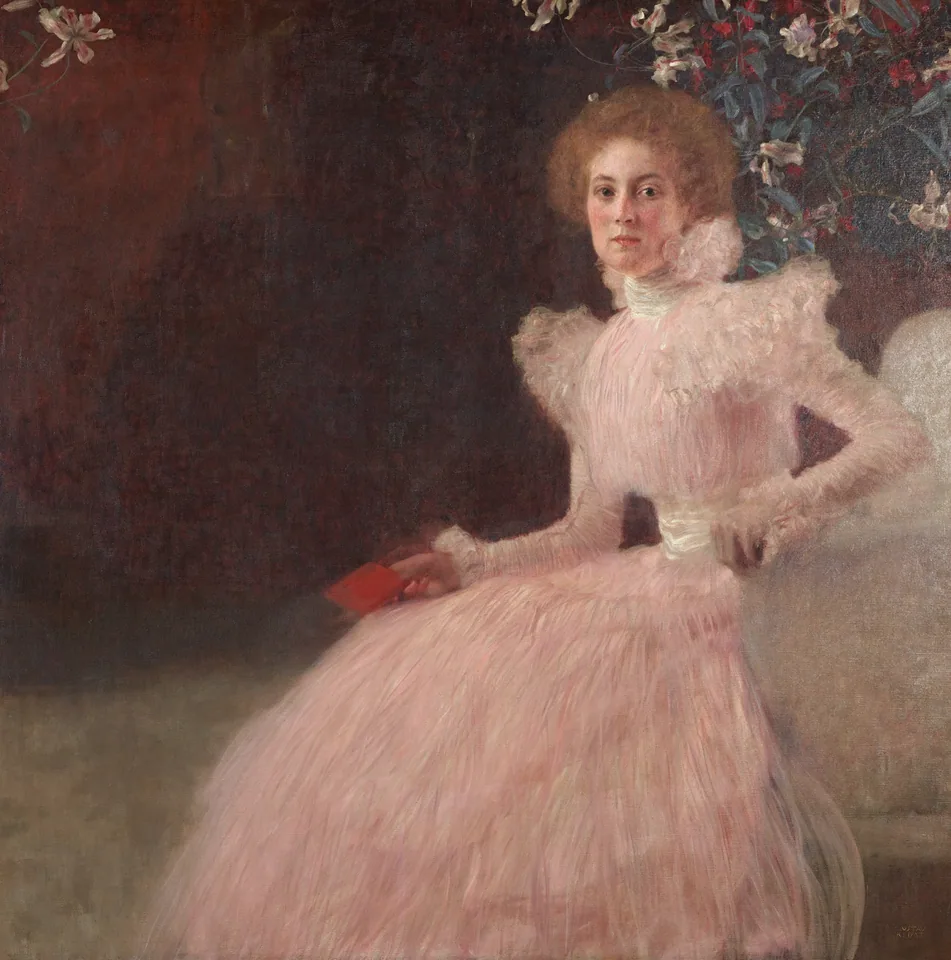
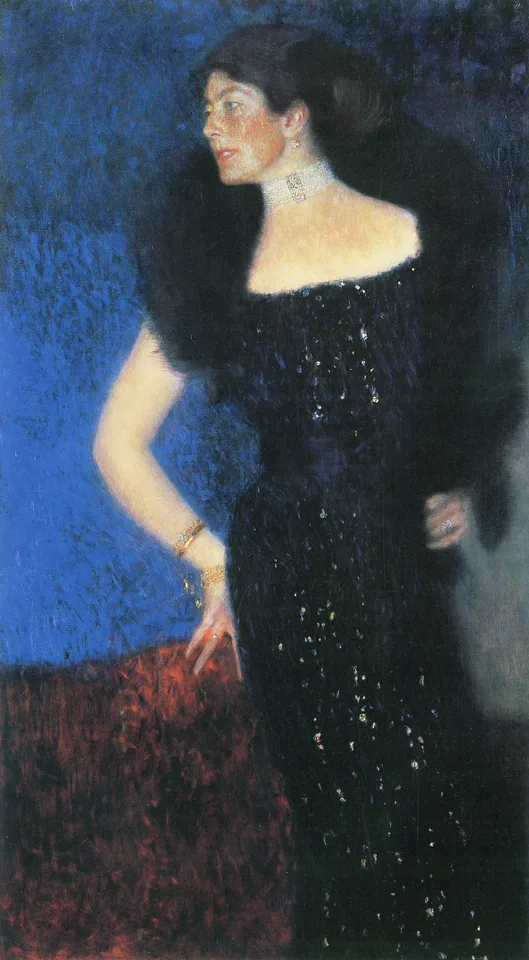
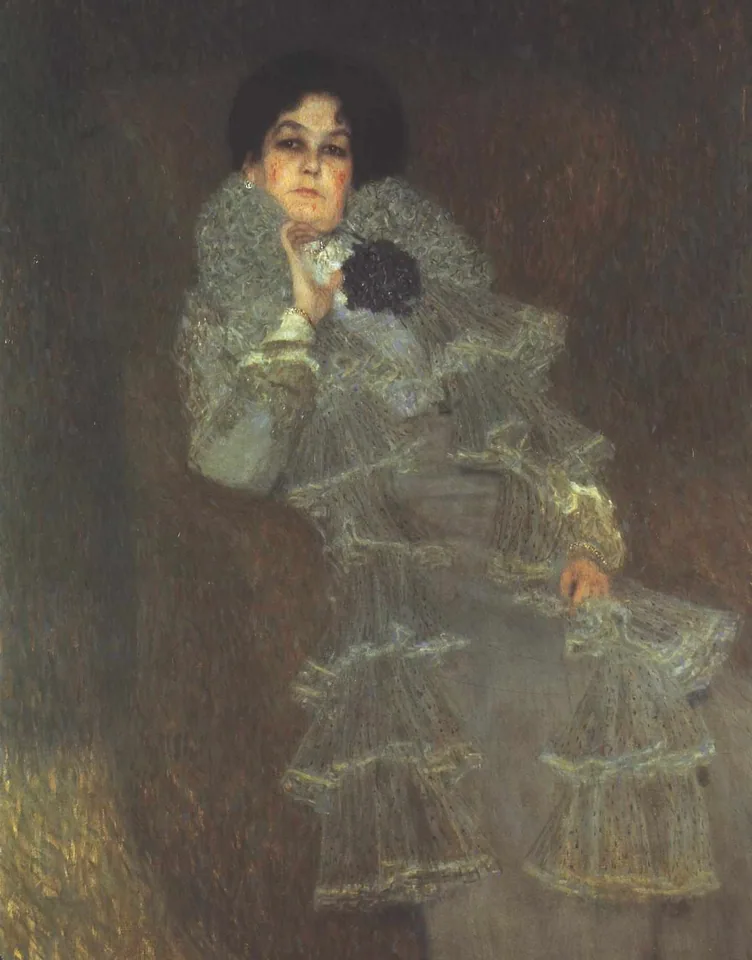
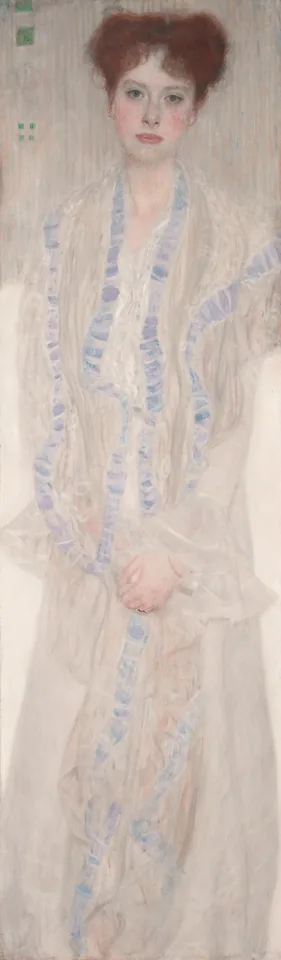
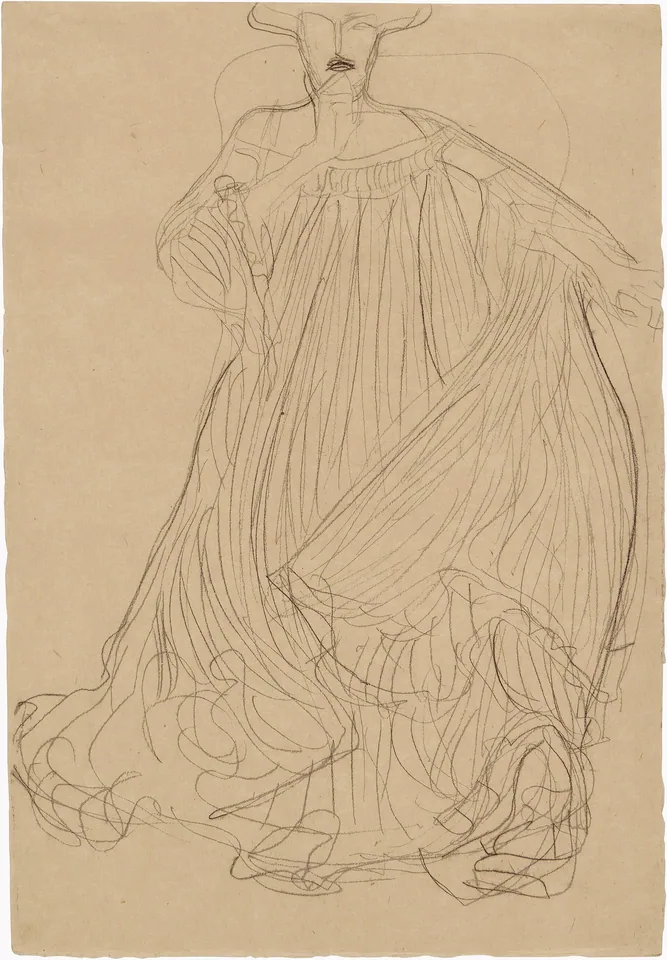
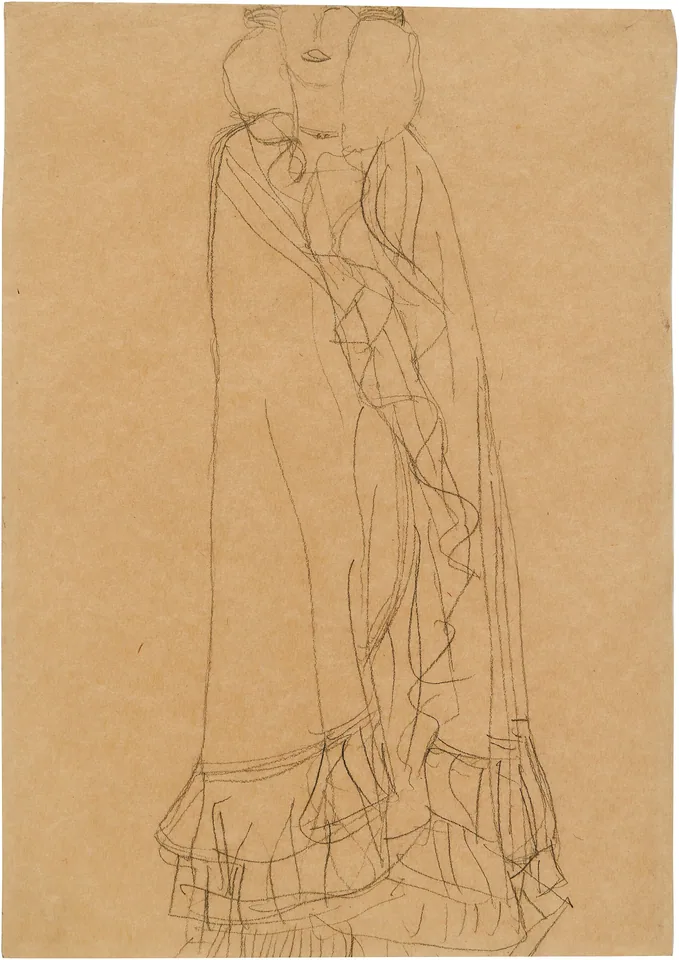
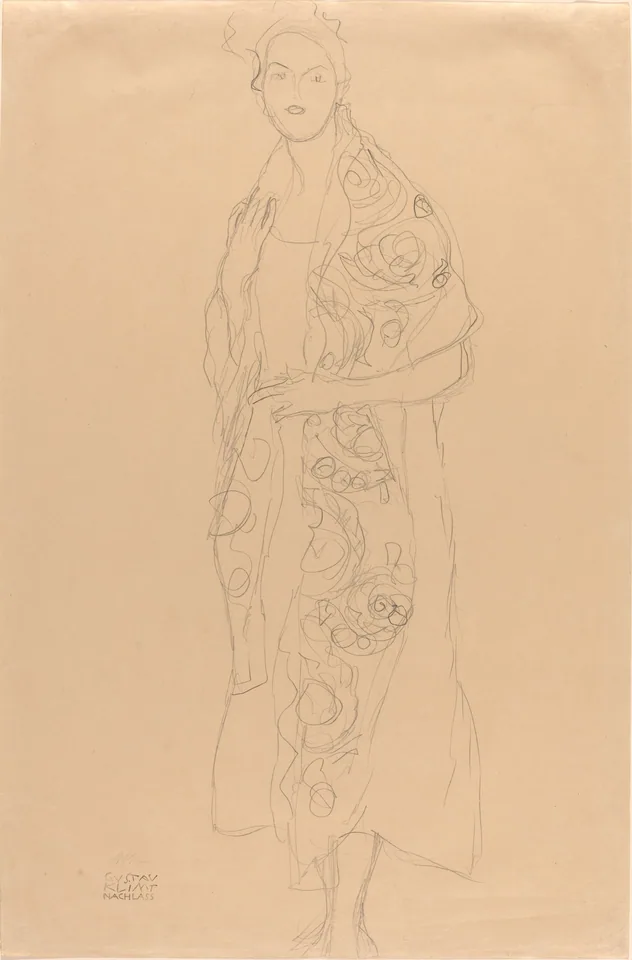
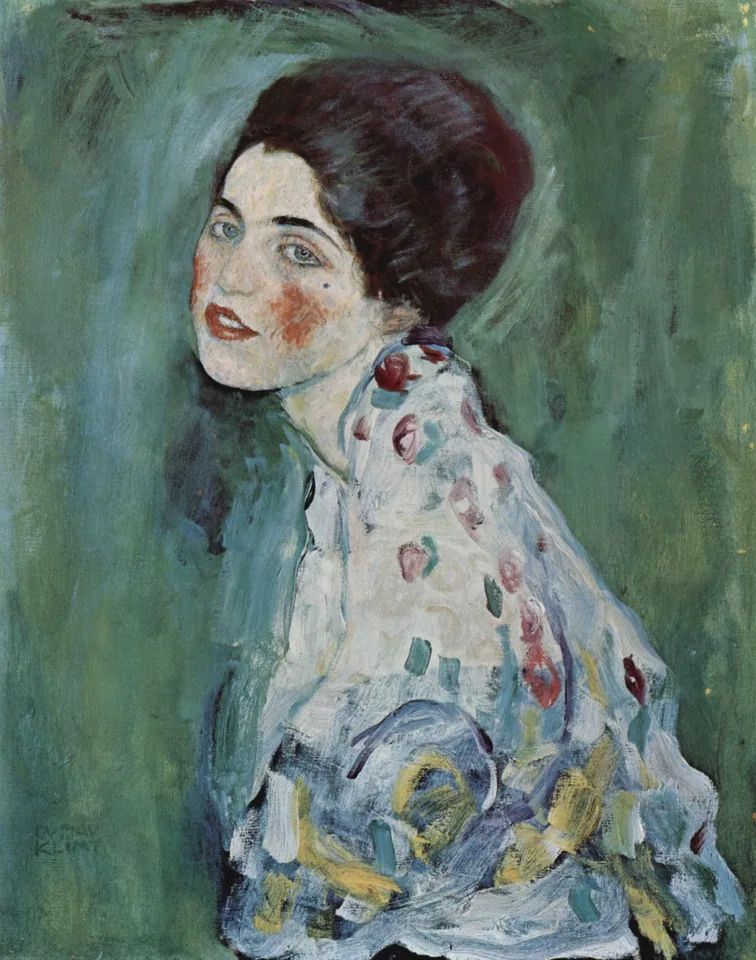
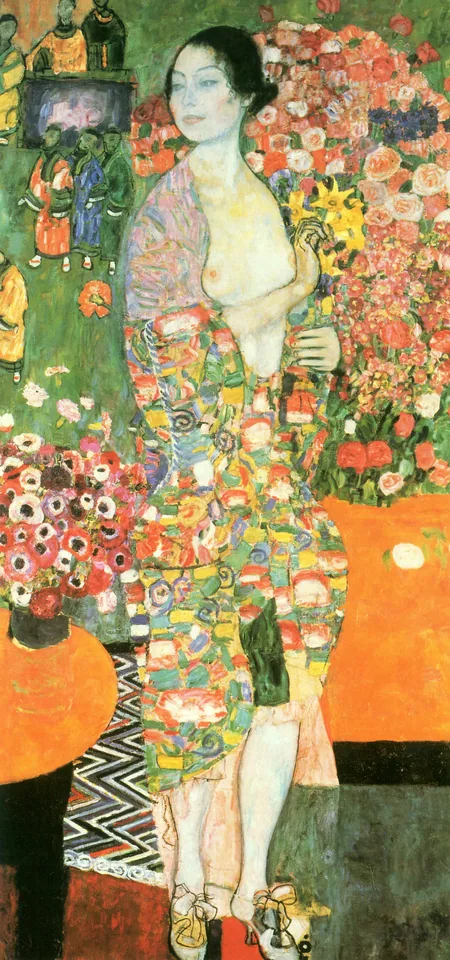
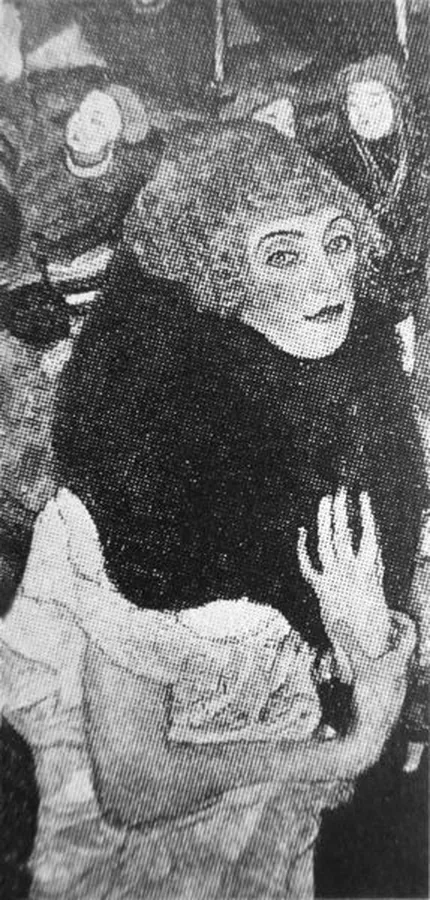
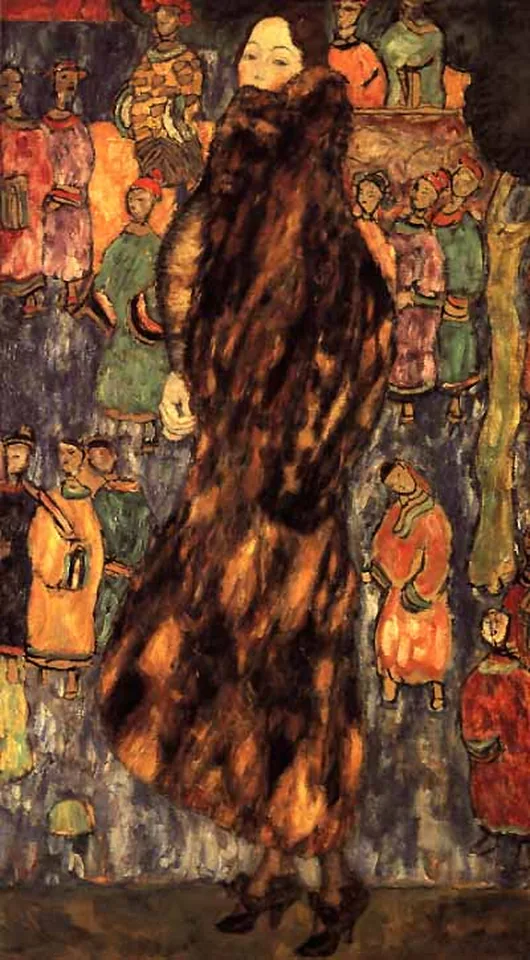
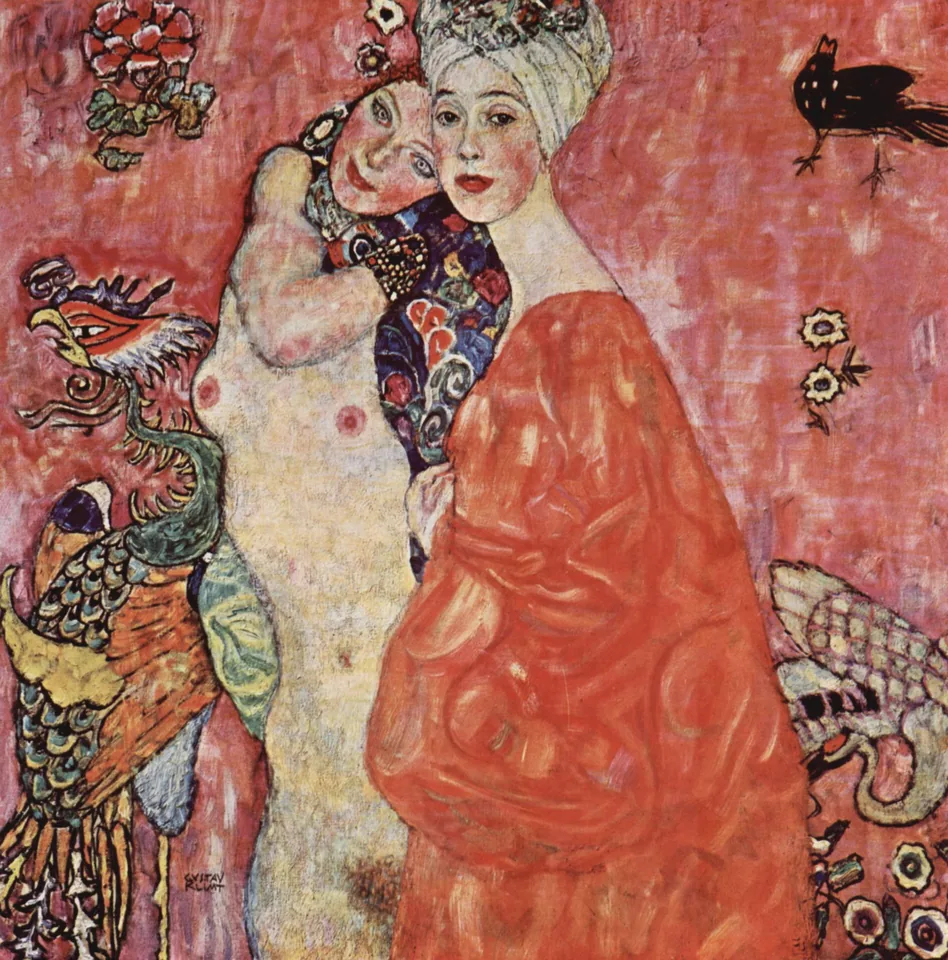
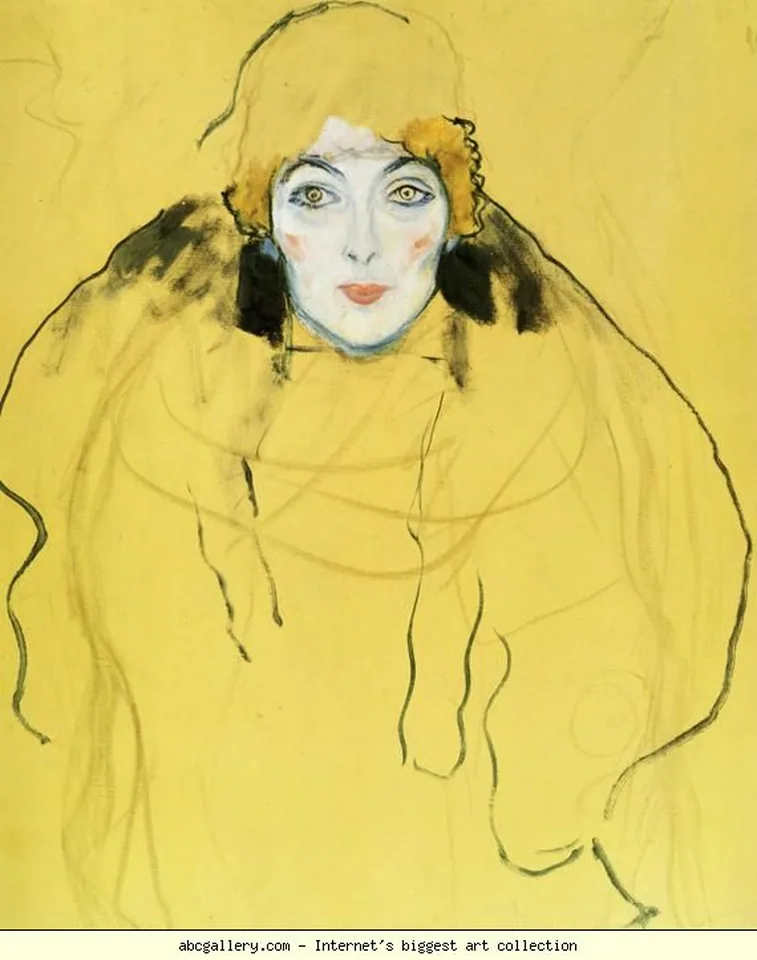
Klimt portraits celebrate the prominent women of early twentieth-century Vienna through vibrant patterns and sensitive draughtsmanship. Klimt began each commission with charcoal or conté underdrawings, building up intricate layers around the sitter’s face and hands. These works brought him private commissions throughout his career, linking his decorative style to the personalities of his time. Read our guide to women in Klimt’s paintings to explore the full breadth of his female subjects.
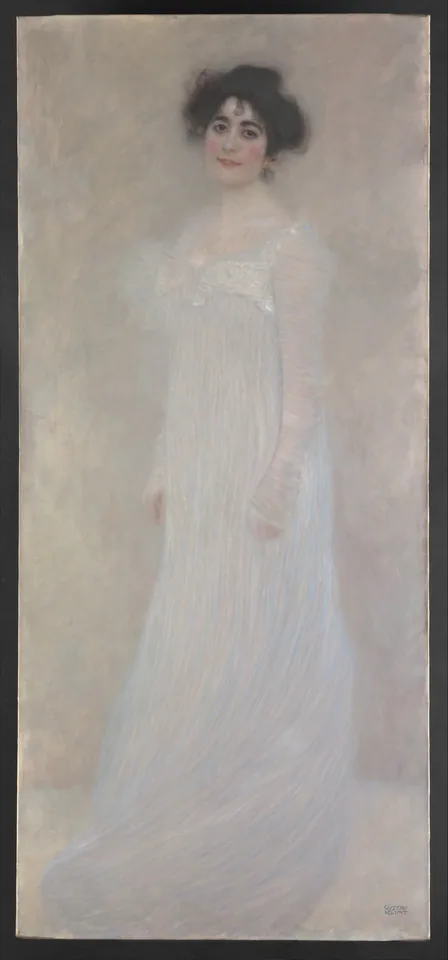
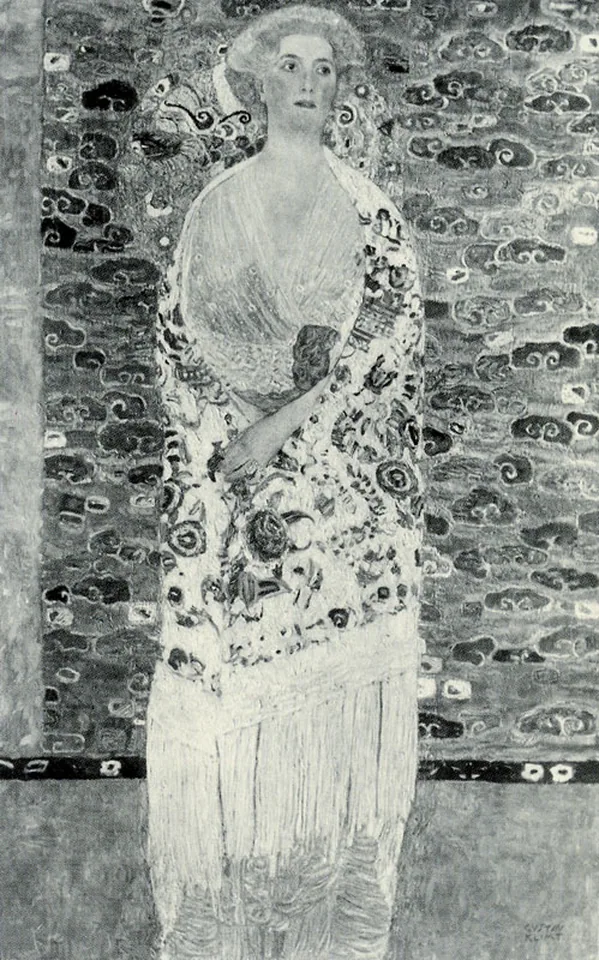
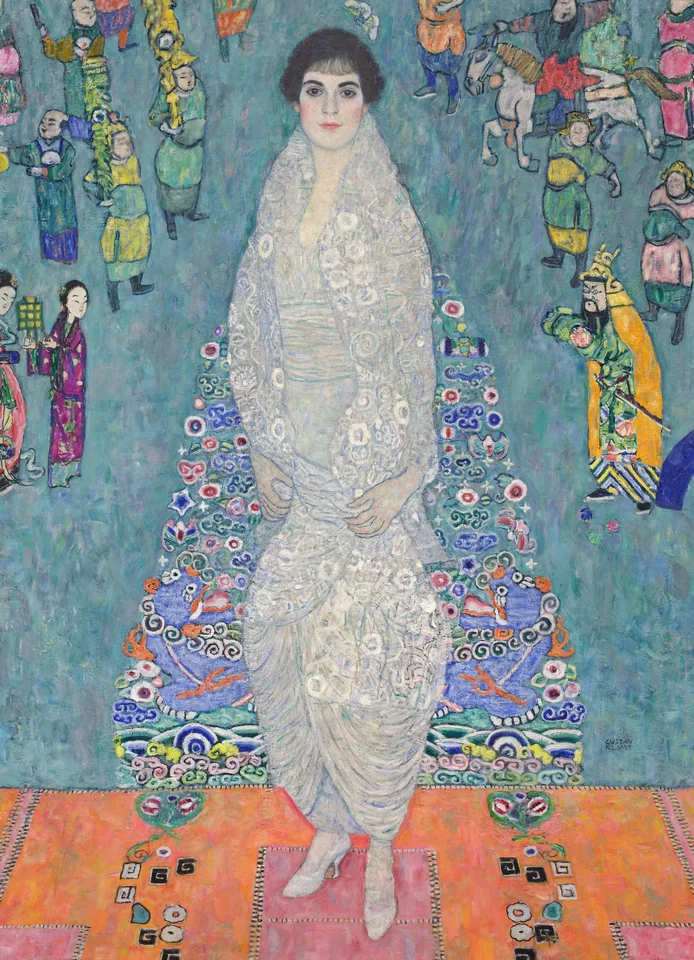
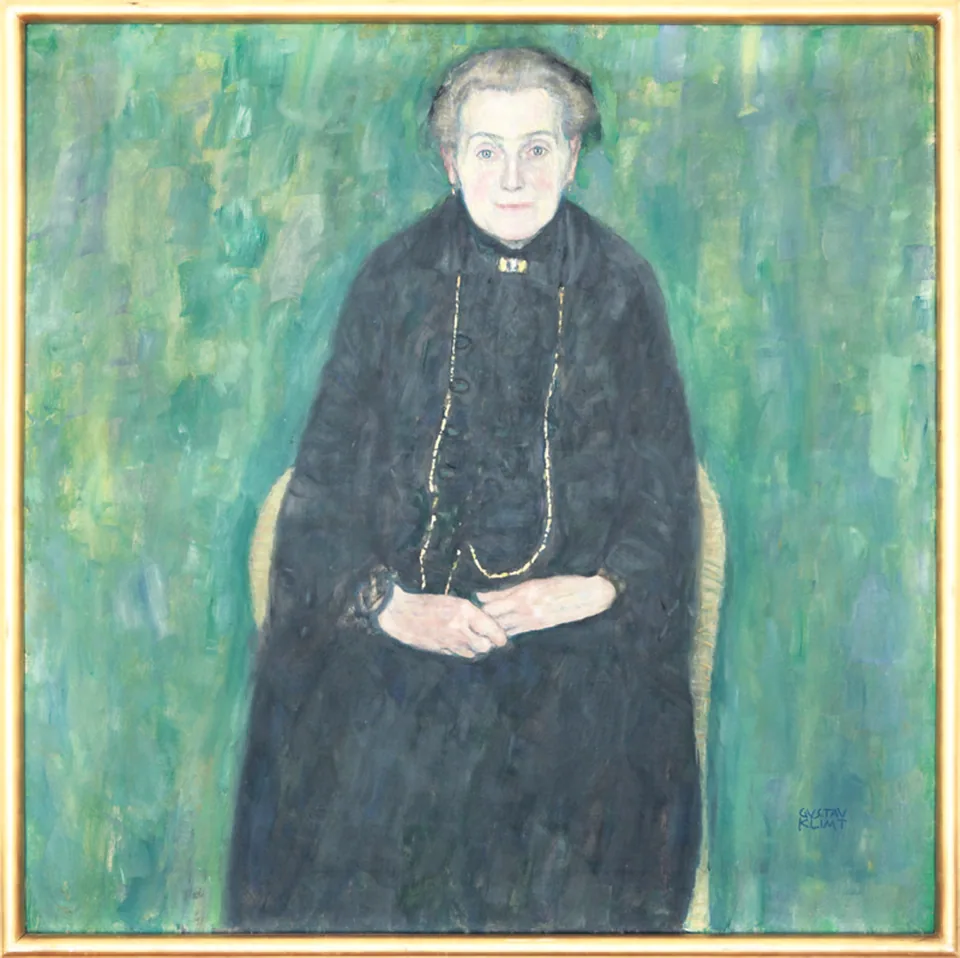
Many of Klimt’s portrait commissions came from close supporters. In his 1899 painting of Serena Lederer and his 1914–1916 Portrait of Elisabeth Lederer, he recorded two generations of a family that actively collected his work. For Elisabeth’s portrait, Klimt posed the twenty-year-old in a close-fitting top, a skirt, white silk shoes, and a white chiffon floral shawl against a patterned background. In 2025, Portrait of Elisabeth Lederer sold at Sotheby’s in New York.
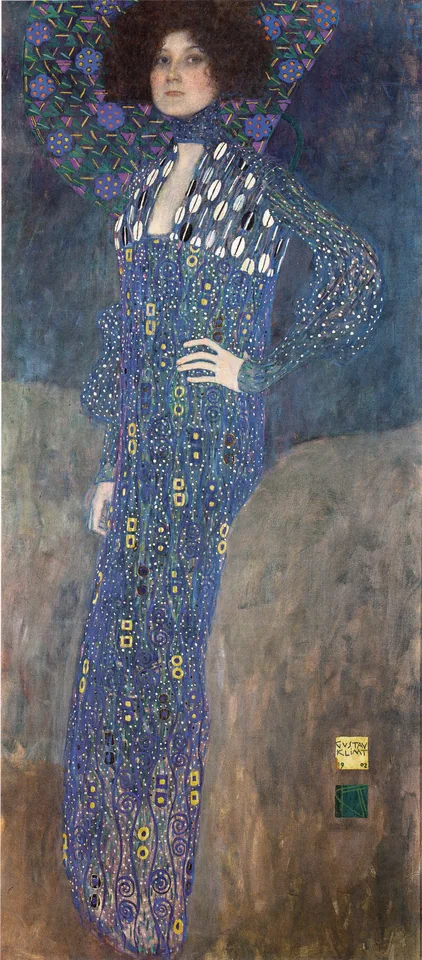
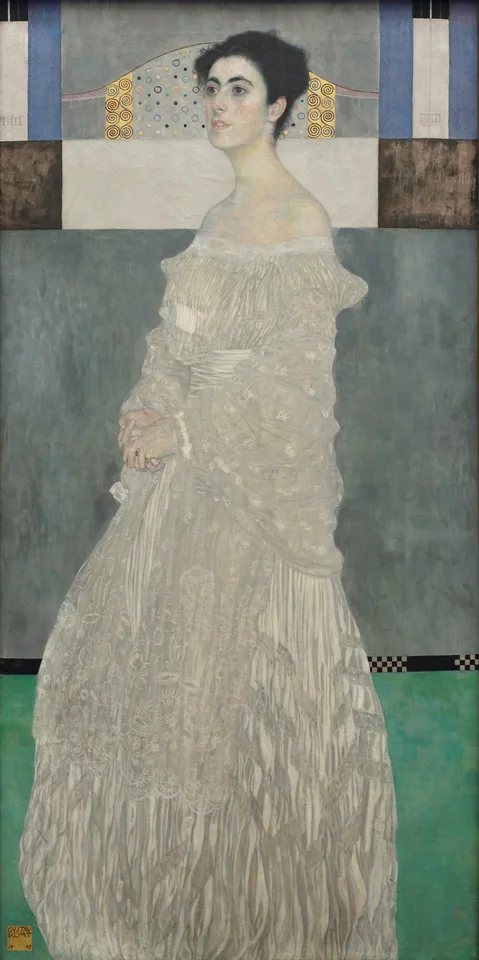
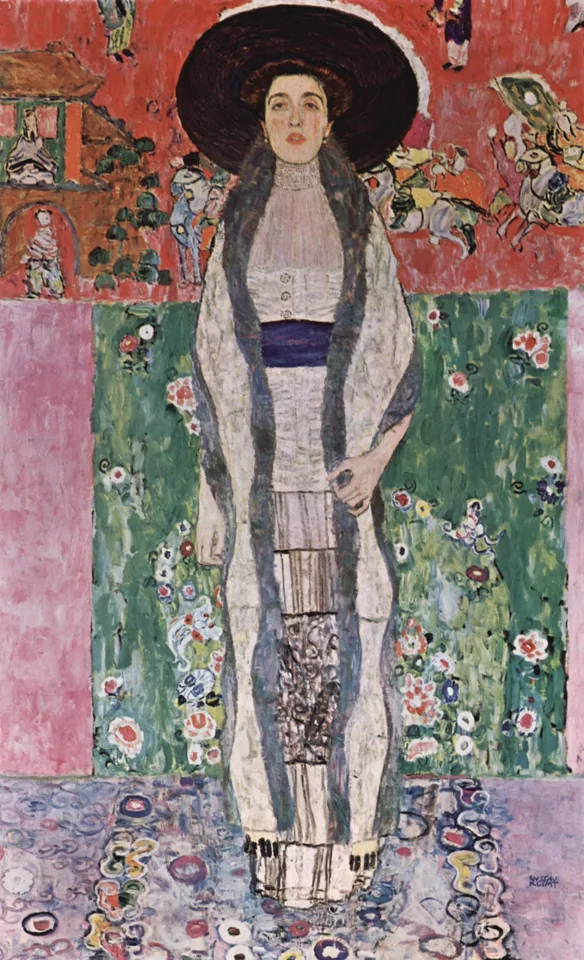
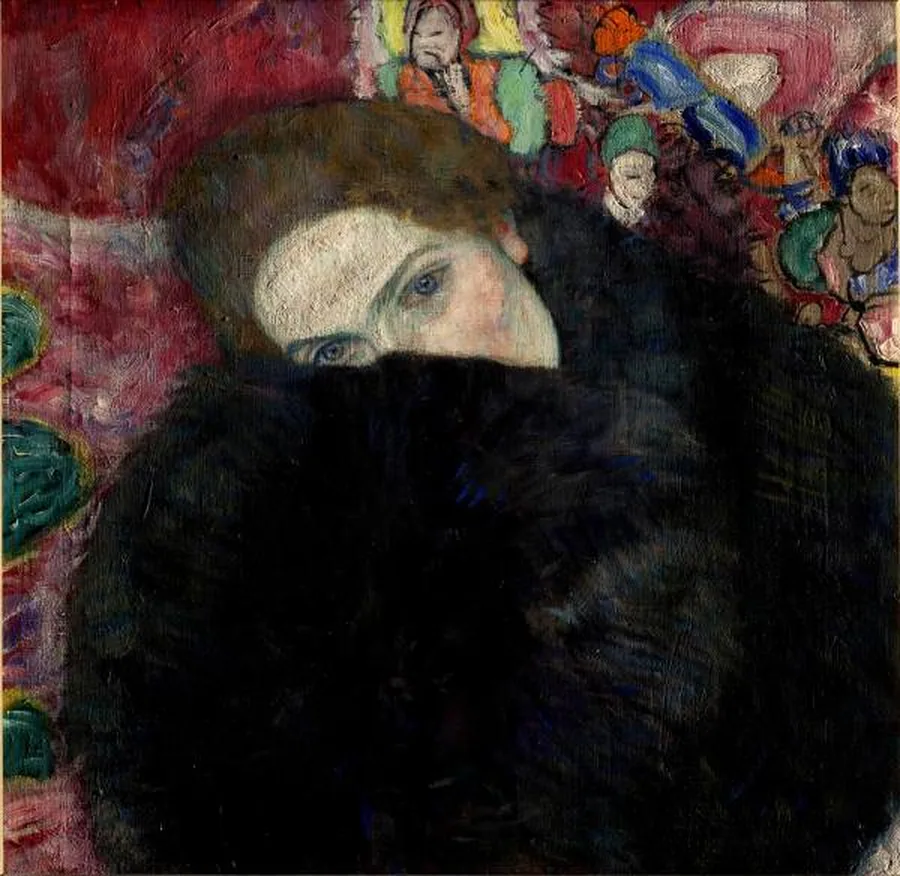
Other commissions highlight his deep ties to Viennese culture. In 1905, he painted Margaret Stonborough-Wittgenstein for her wedding, depicting the sister of philosopher Ludwig Wittgenstein in a tall, standing format. His 1907 portrait of Adele Bloch-Bauer, discussed in our guide to the Woman in Gold, paired the sitter with geometric gold patterns. Klimt also created an oil portrait of his close companion, fashion designer Emilie Flöge, dressing her in a reform dress decorated with genuine silver and gold leaf. His final portrait, Lady with a Fan, painted in 1917, sat on an easel in his studio when he died in 1918.
Choosing a portrait print
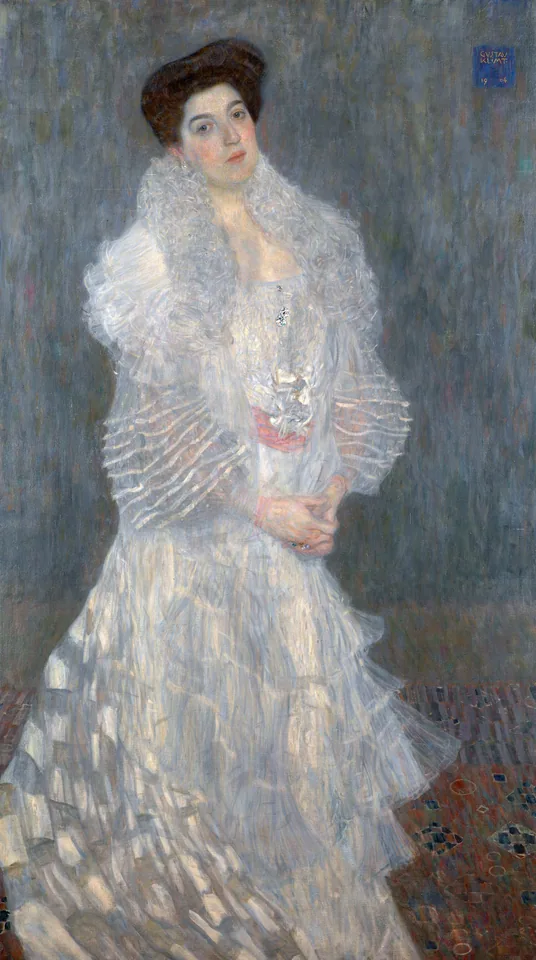
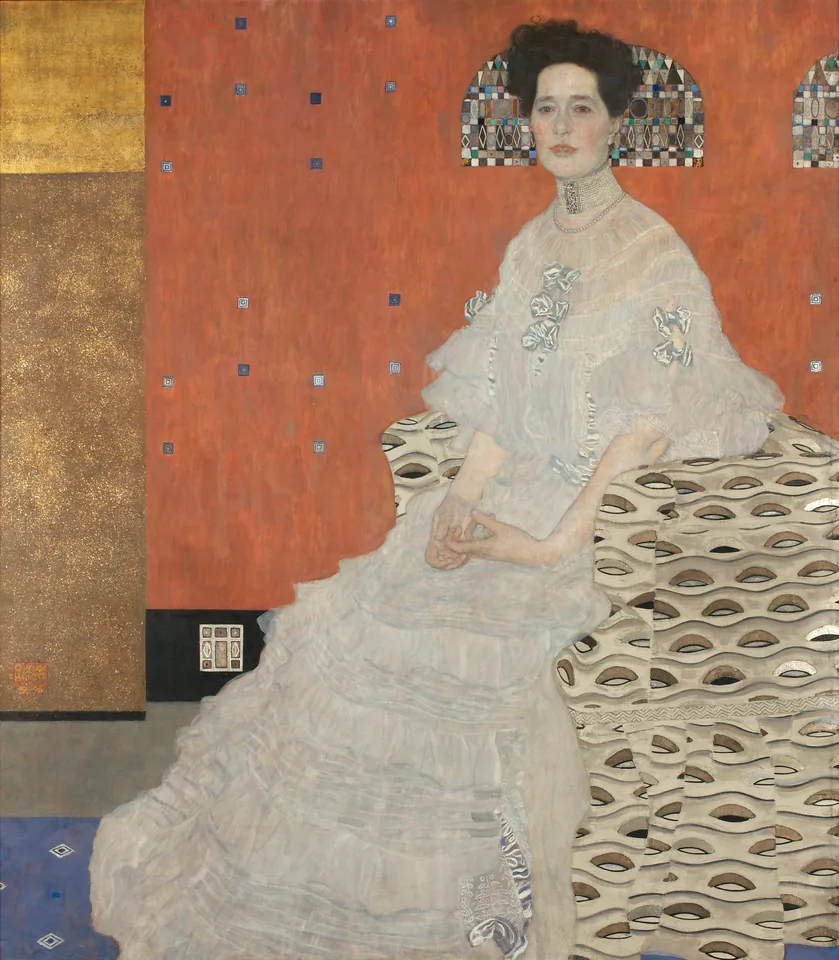
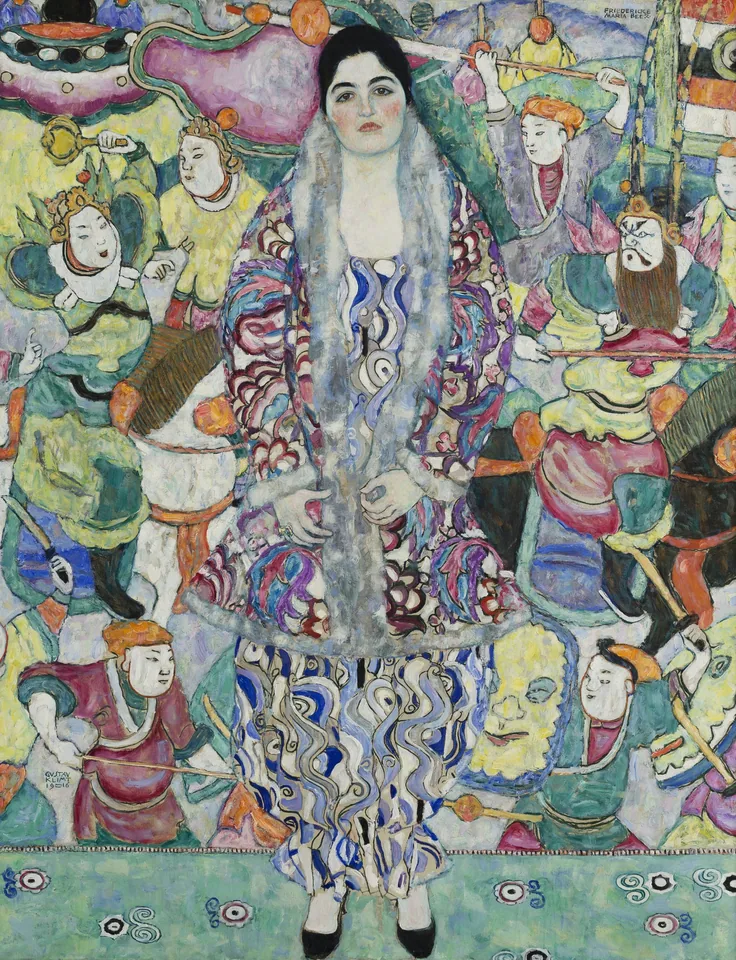
When you select a Gustav Klimt portrait print, consider how the composition and orientation fit your wall. Works like Fritza Riedler (1906) or Lady with a Fan (1917) use square or nearly square formats that balance wide wall spaces. Tall, narrow compositions like Hermine Gallia (1904) or Emilie Flöge (1902) bring vertical focus to hallways, reading corners, or narrow alcoves.
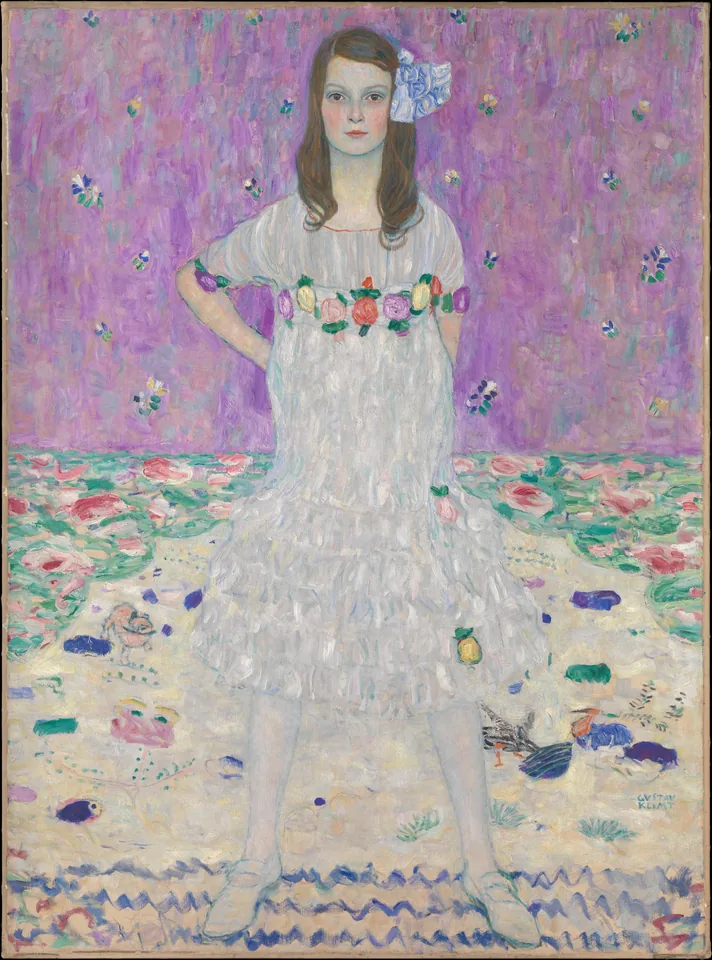
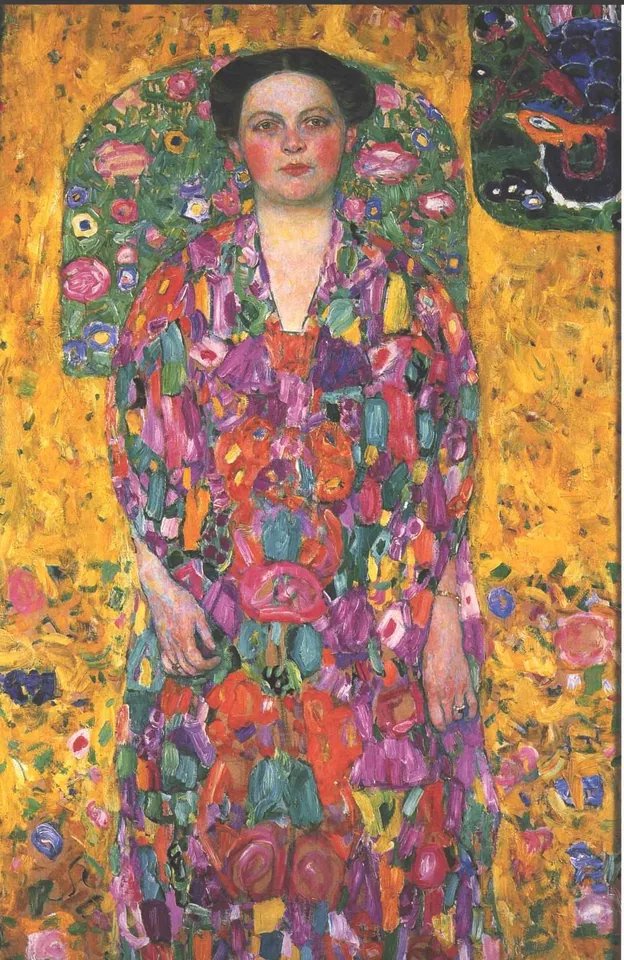
Color palettes also vary across his career. Early portraits from the 1900s rely on cool tones, silvers, and geometric gold foils. Later portraits, such as the 1912 painting of Mäda Primavesi or the 1913 portrait of Eugenia Primavesi, employ expressive brushwork and rich colors. Consult our guide to choosing a Klimt print to find the right scale and palette for your room.
All prints are printed and shipped by ArtsyWall in three formats: Premium Canvas, Framed Canvas, and Archival Paper. Premium Canvas provides a textured surface without a glass barrier, matching the look of Klimt’s original oil paintings. Framed Canvas arrives ready to hang in a clean frame. Archival Paper offers crisp detail that highlights Klimt’s delicate pencil and charcoal line work.
Questions and answers
Who did Klimt paint portraits of?
Gustav Klimt painted commissioned portraits primarily of wealthy Viennese women and patrons of the arts. His sitters included socialite Adele Bloch-Bauer, fashion designer Emilie Flöge, and Margaret Stonborough-Wittgenstein. He also painted multiple members of patron families, including Serena Lederer and her daughter Elisabeth Lederer, as well as Eugenia Primavesi and her daughter Mäda Primavesi.
Where is Klimt's Lady with a Fan?
Lady with a Fan resides in a private collection after selling at Sotheby's in London in 2023. Wikidata records the painting's collection under the Leopold Museum, but its current location remains private after the auction sale. Gustav Klimt painted this square oil portrait in 1917, and it stood on an easel in his studio when the artist died in 1918.
What was Klimt's final portrait?
Lady with a Fan was Gustav Klimt's final portrait, created in 1917. The canvas remained resting in his studio when the painter passed away in 1918. The identity of the woman holding the fan remains unconfirmed by art historians, though recorded candidates include dancer models, Klimt's companion Emilie Flöge, and Johanna Staude.
Who was Elisabeth Lederer in Klimt's portrait?
Elisabeth Lederer was the daughter of August and Serena Lederer, two of Gustav Klimt's most prominent Jewish patrons in Vienna. Klimt painted the twenty-year-old Elisabeth between 1914 and 1916, showing her in a floral shawl and white silk shoes. Her mother Serena took the canvas from Klimt's studio in 1916 because she believed the work was finished.