Klimt Landscape Prints
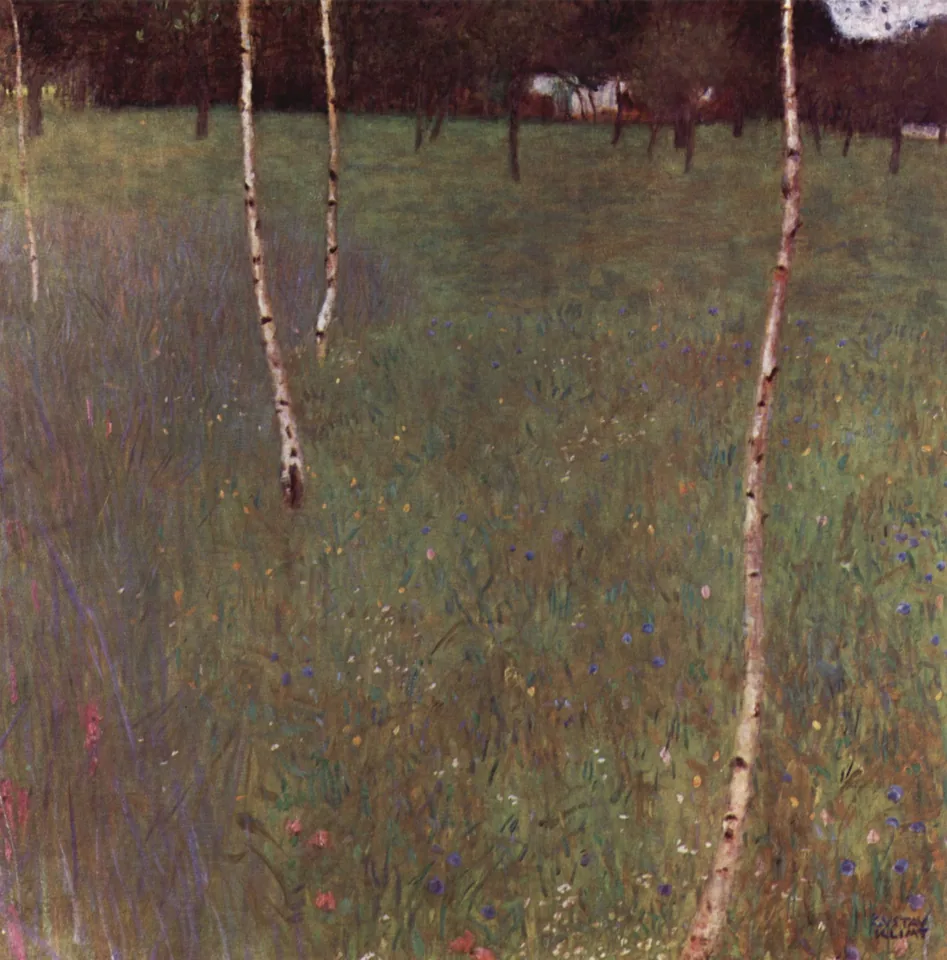
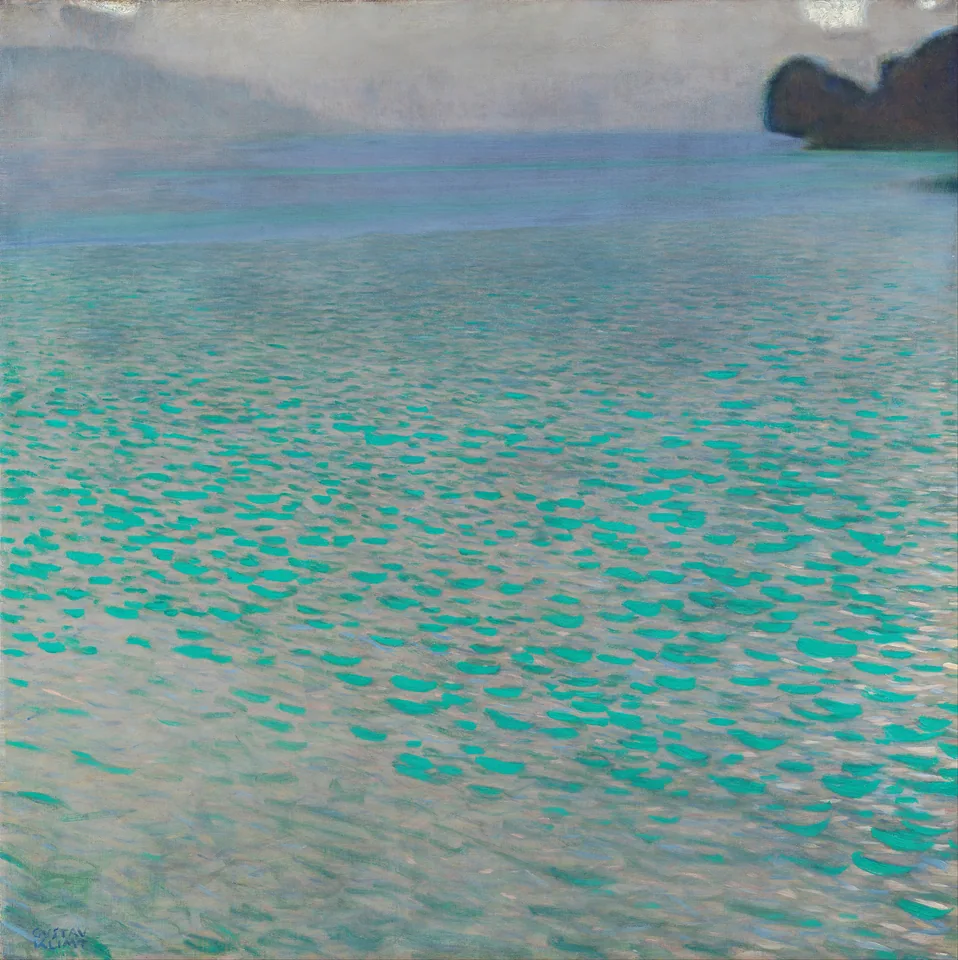
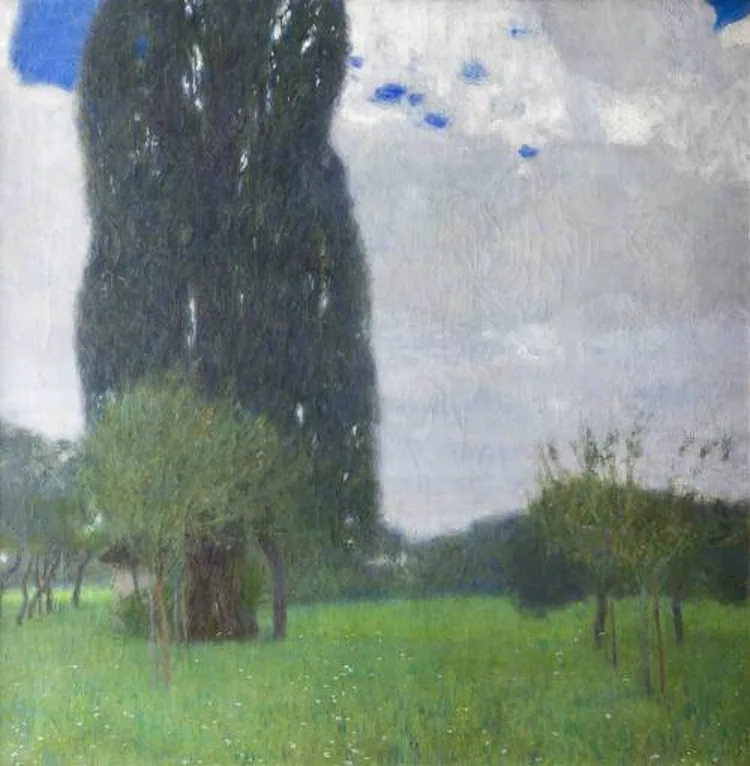
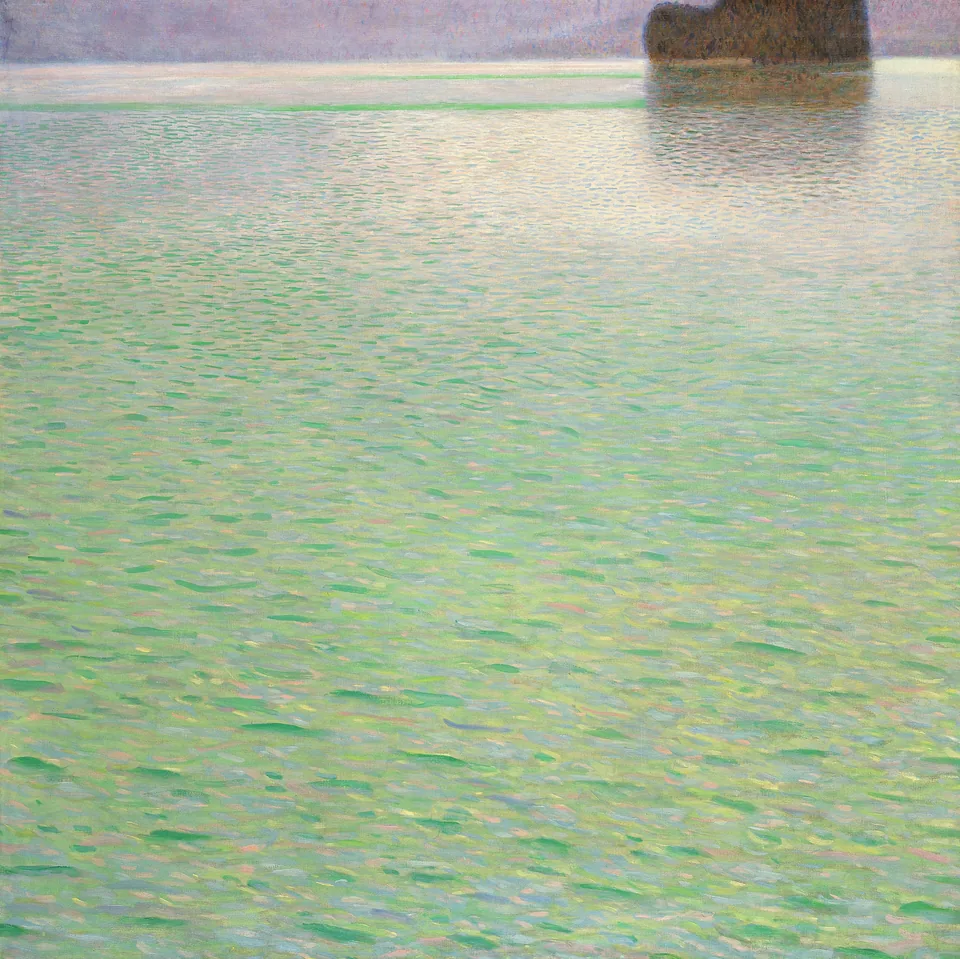
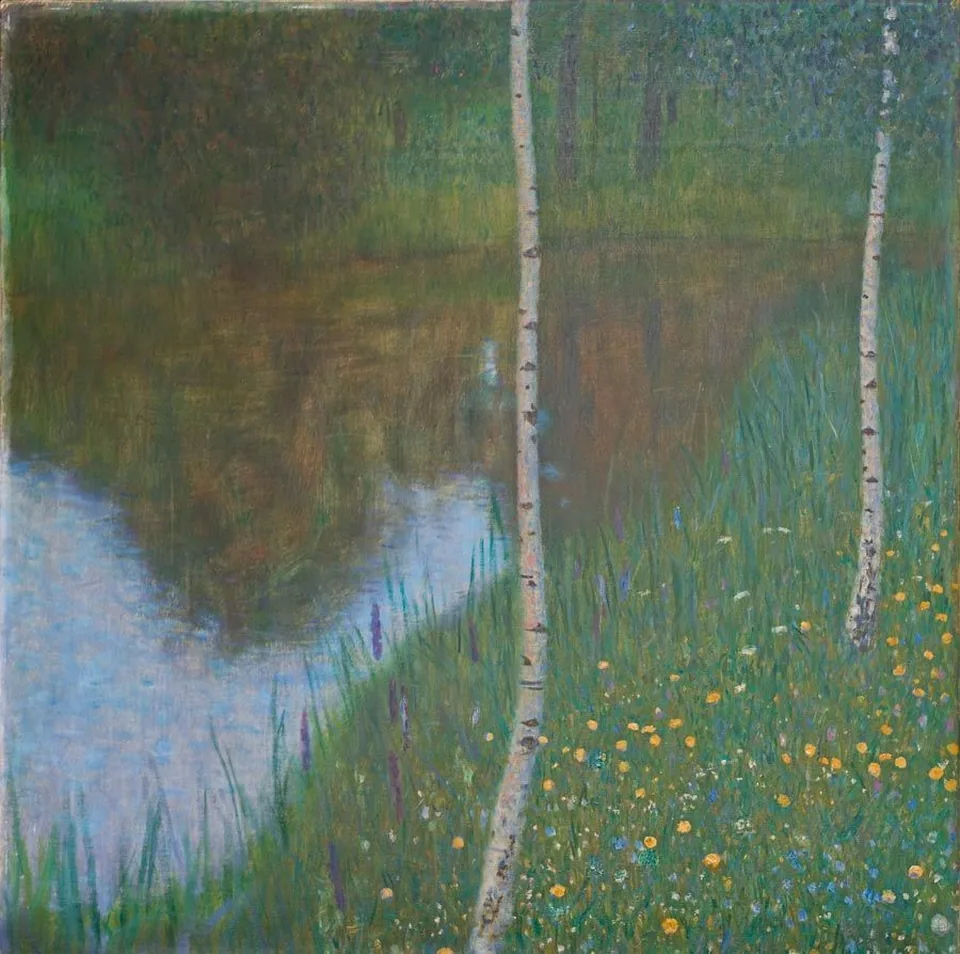
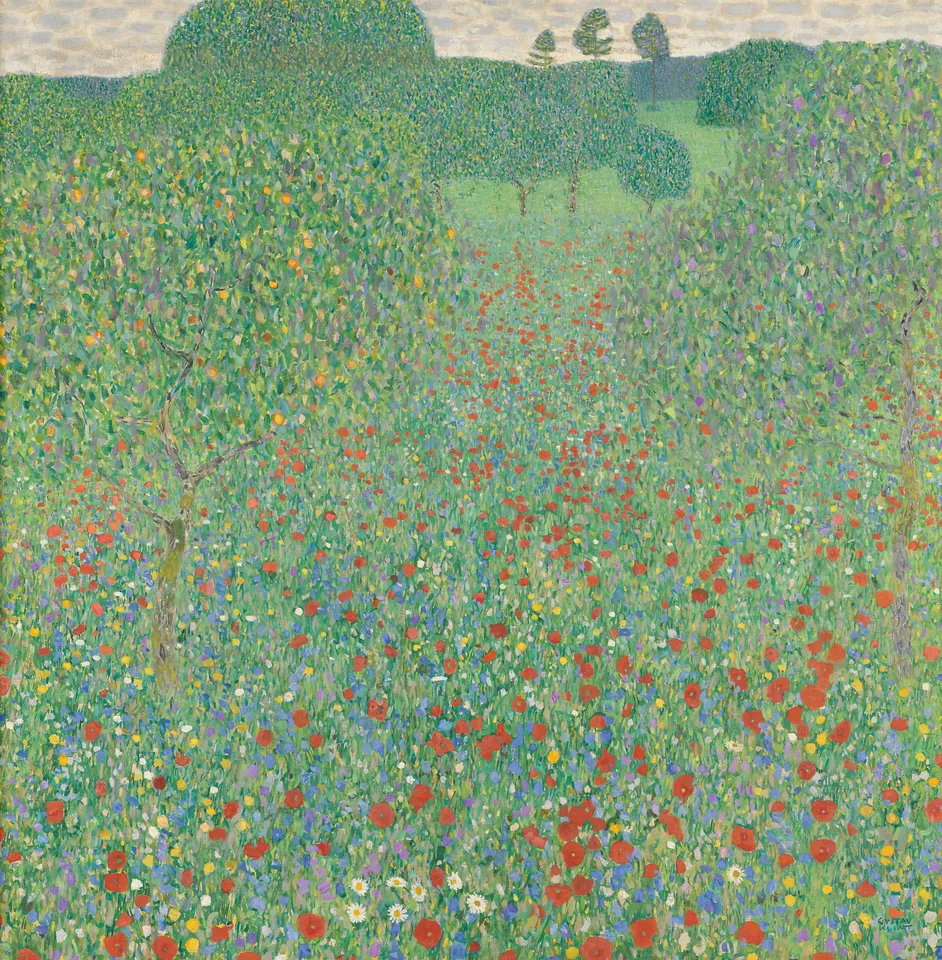
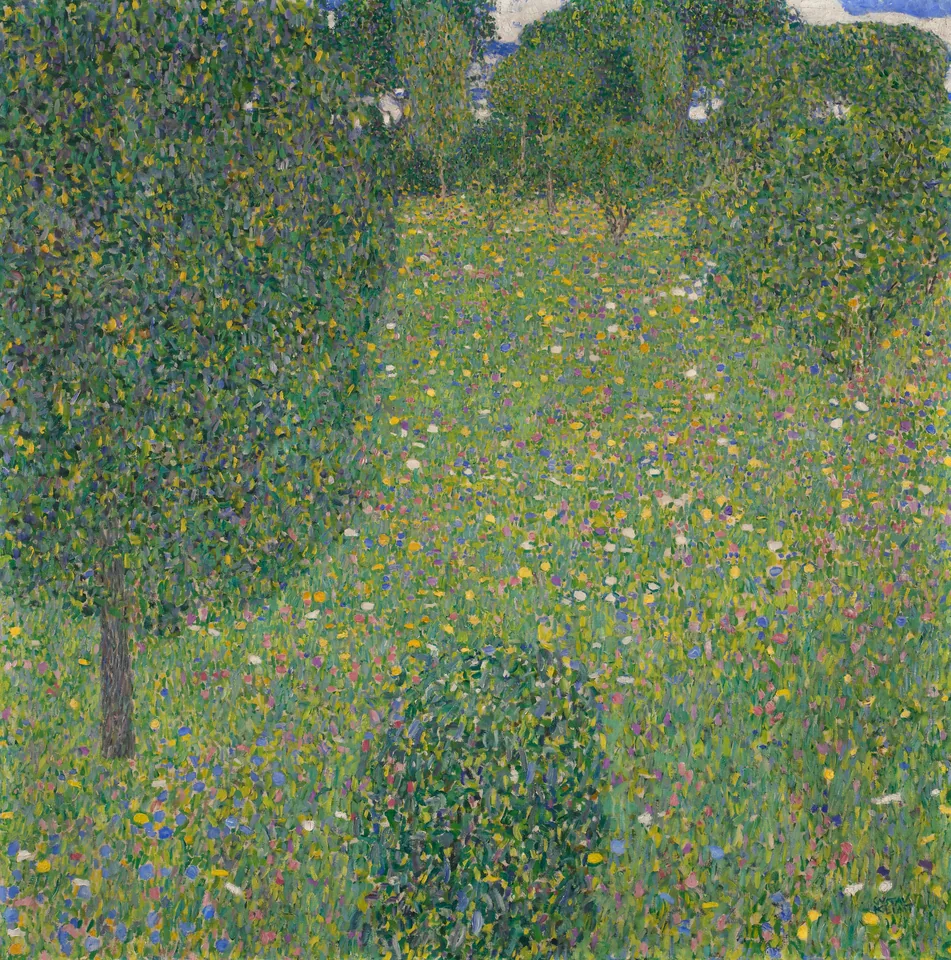
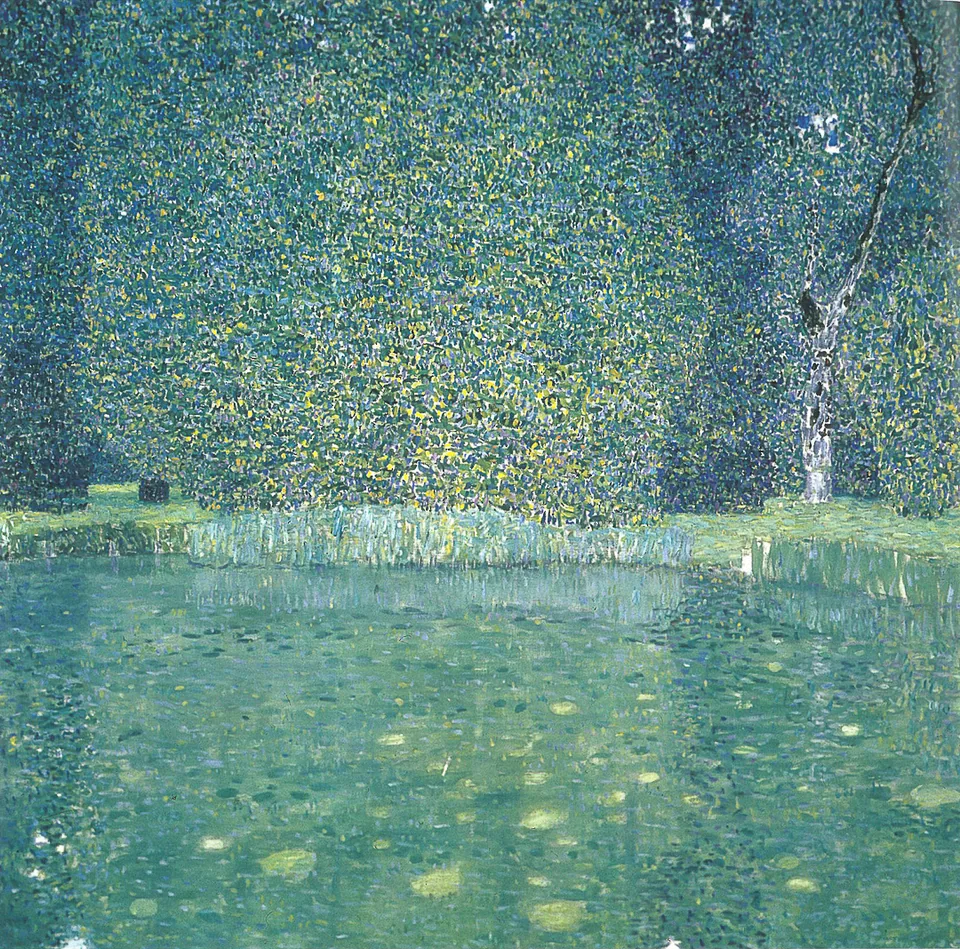
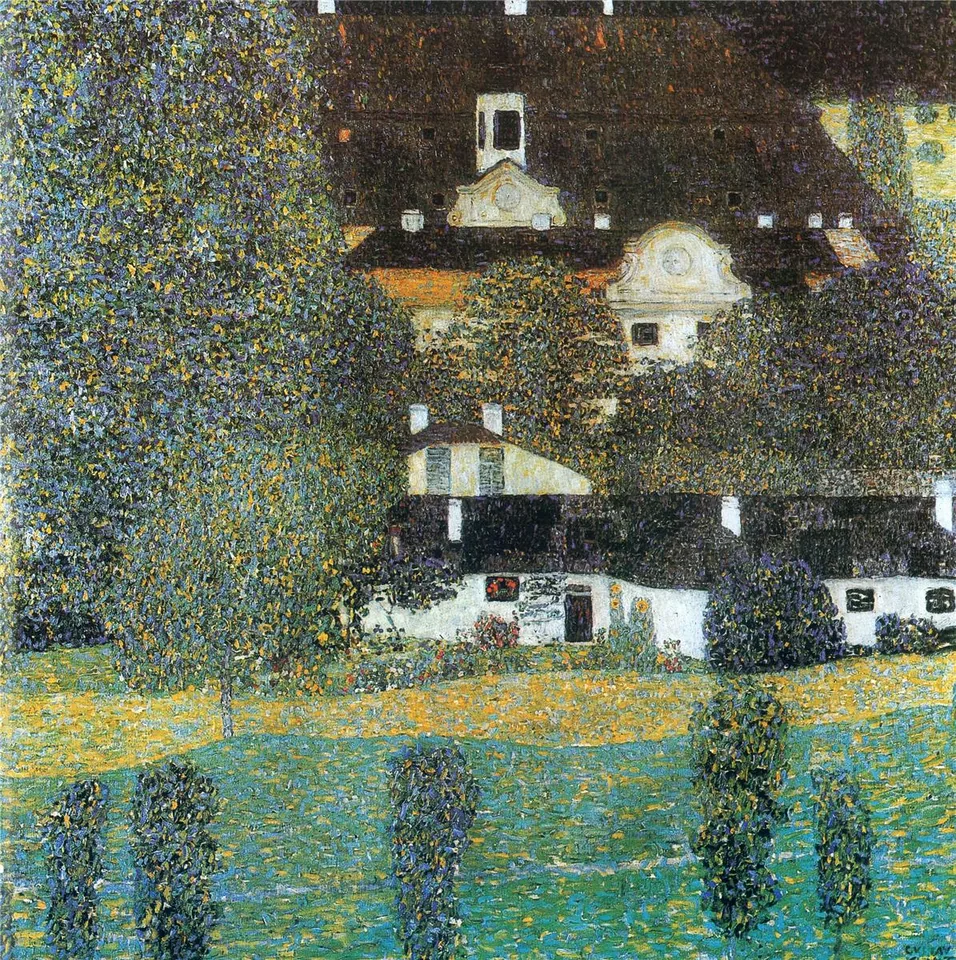
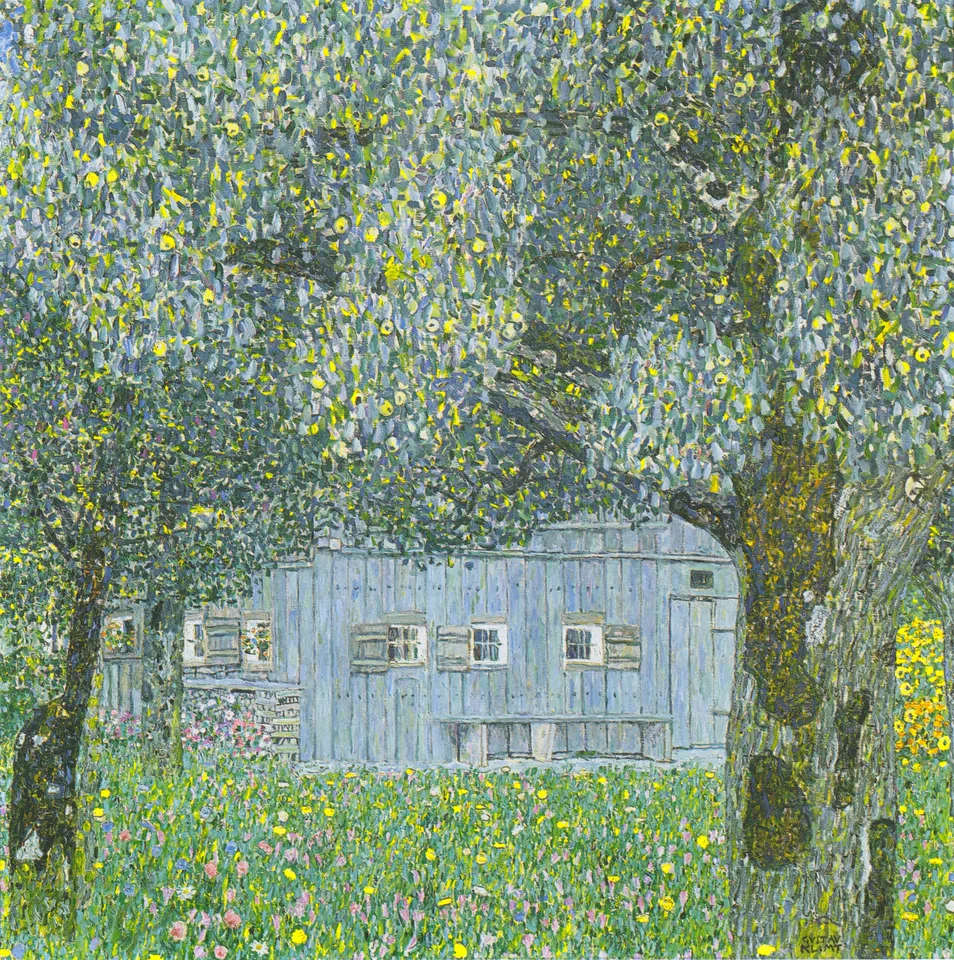
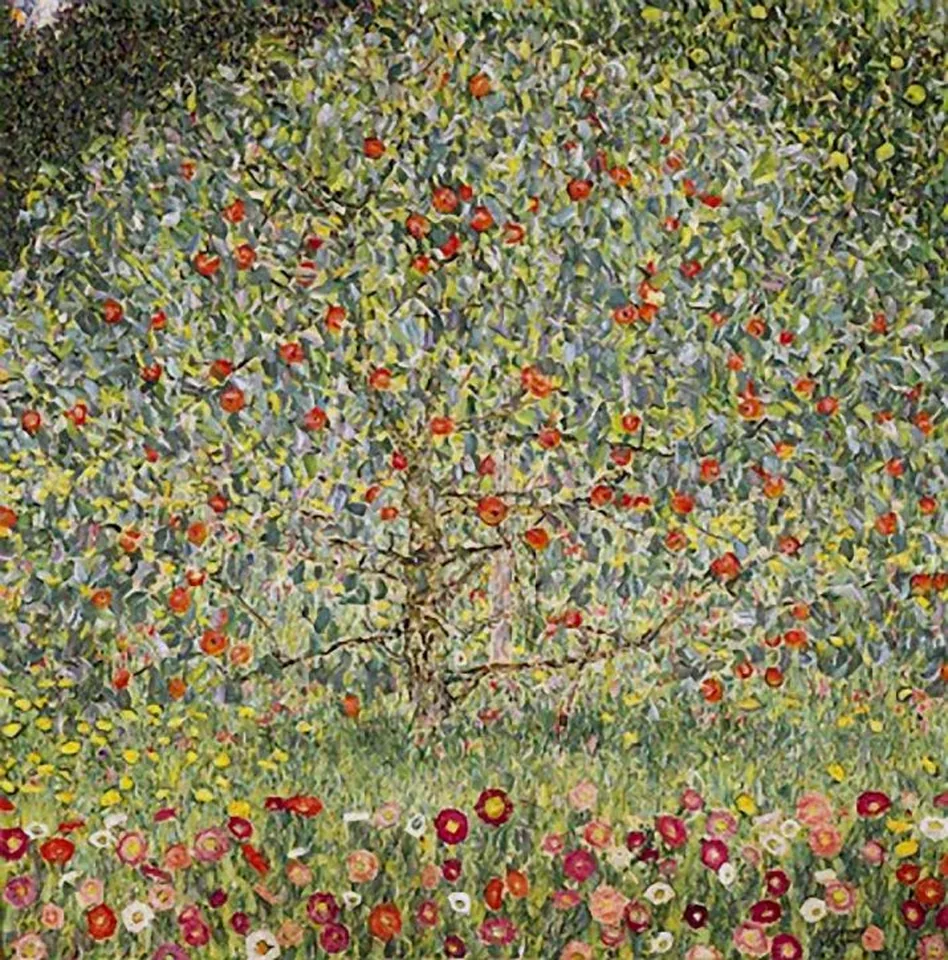
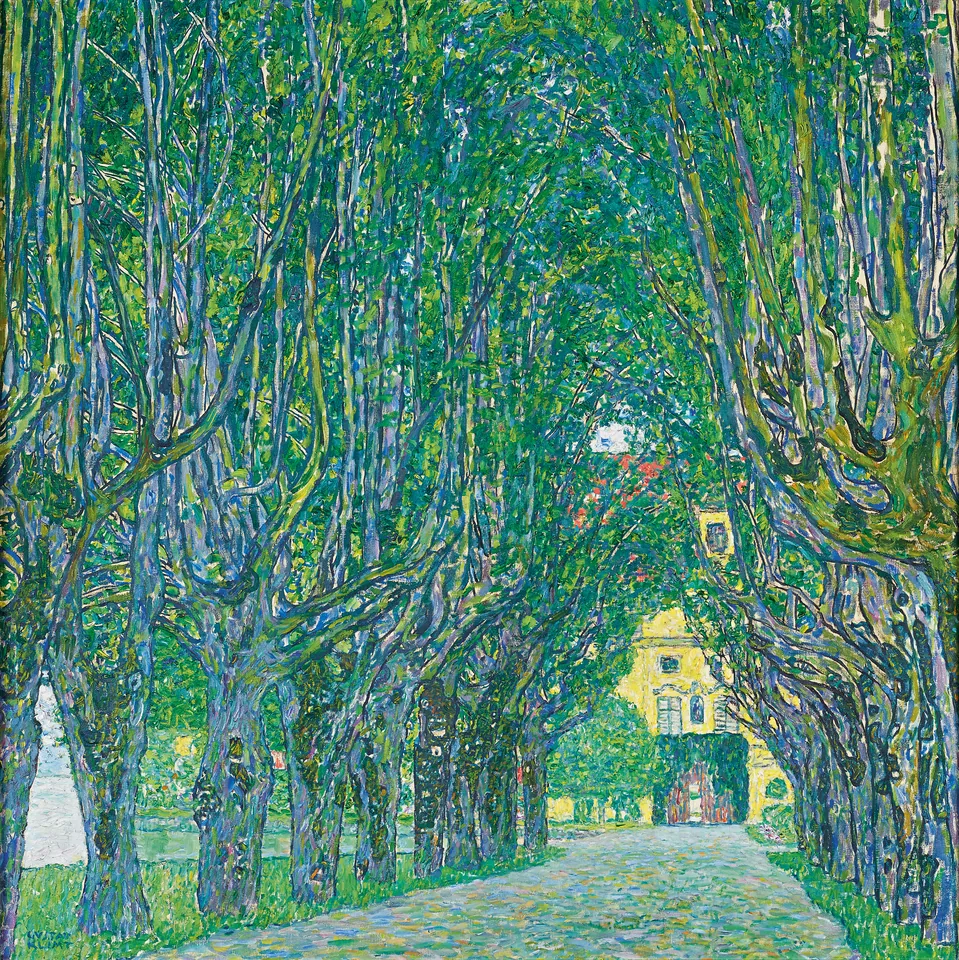
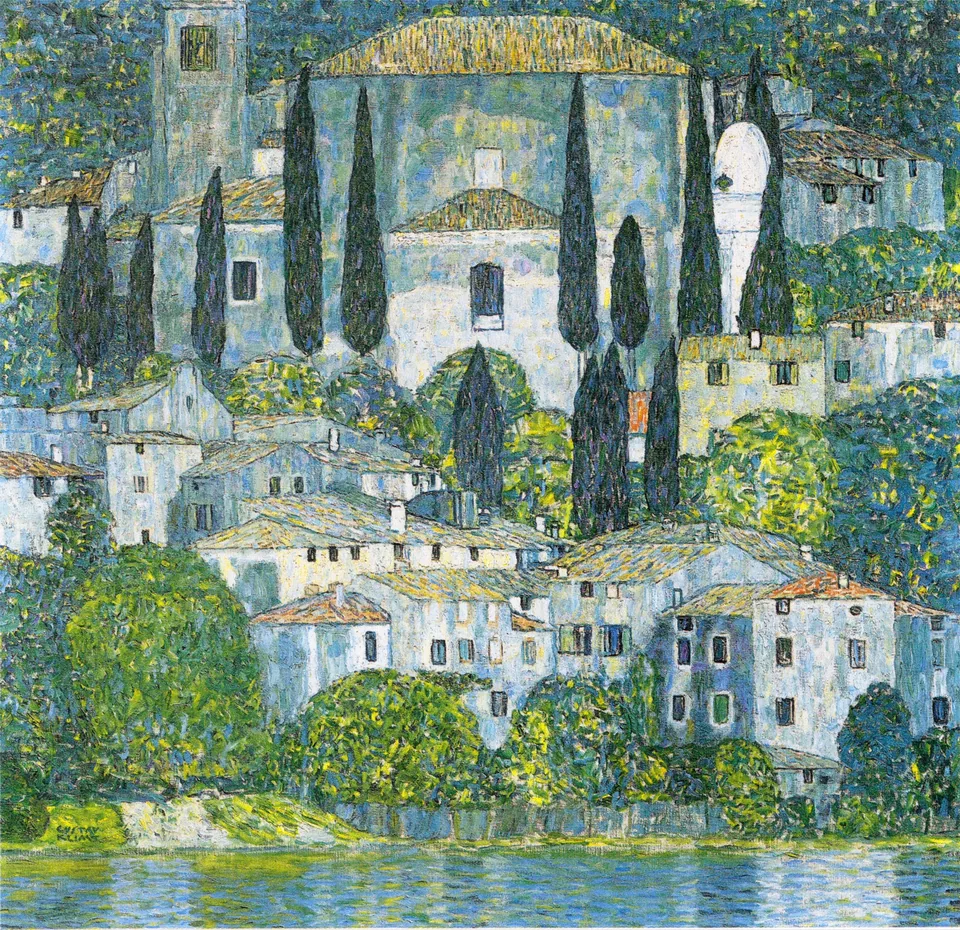
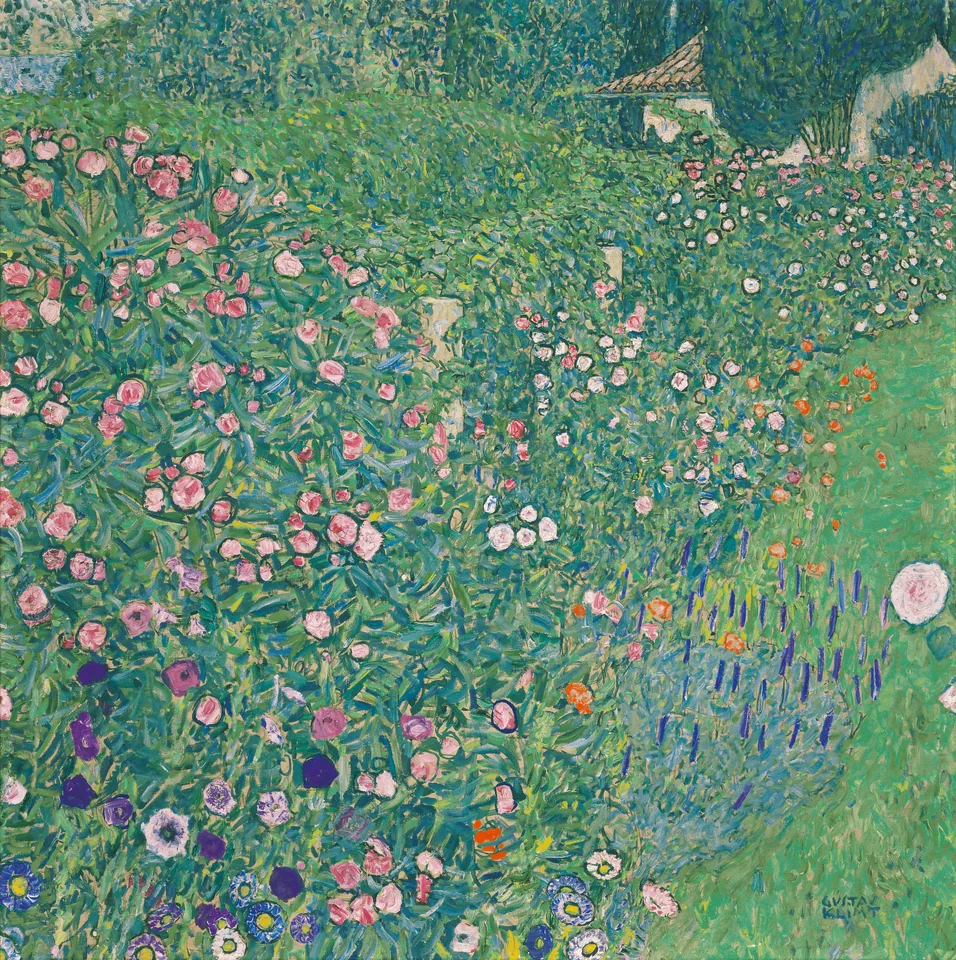
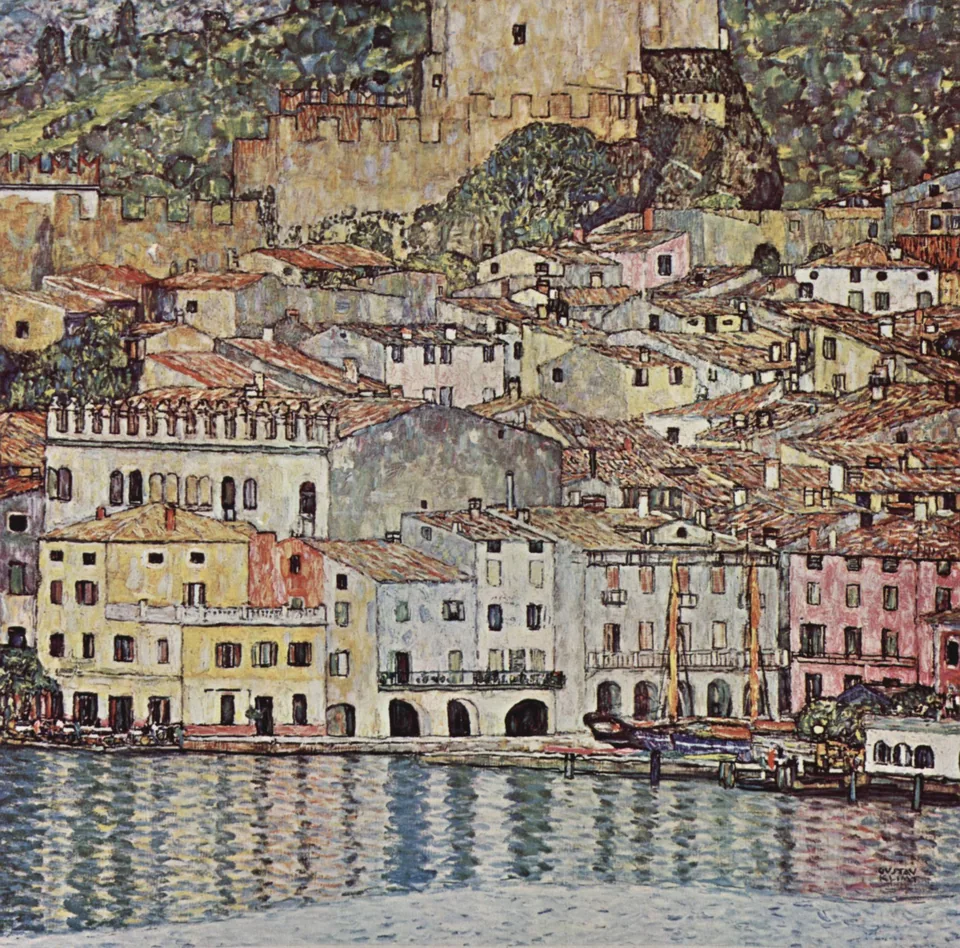
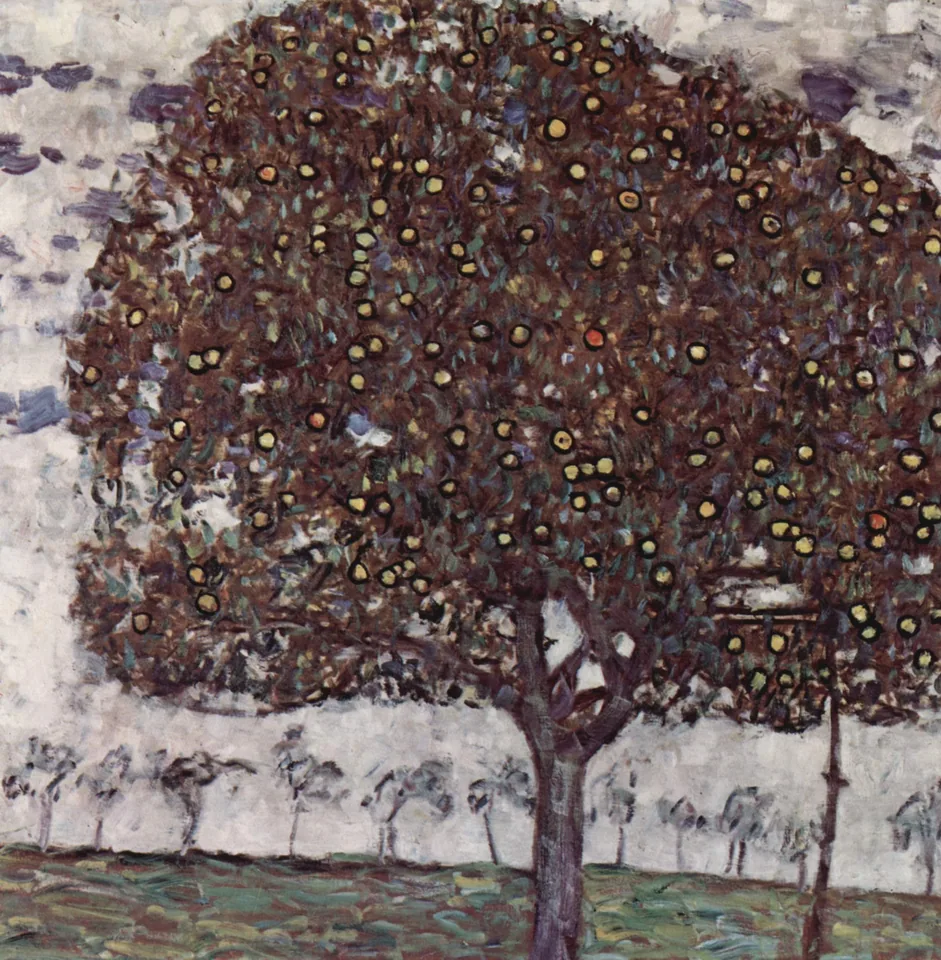
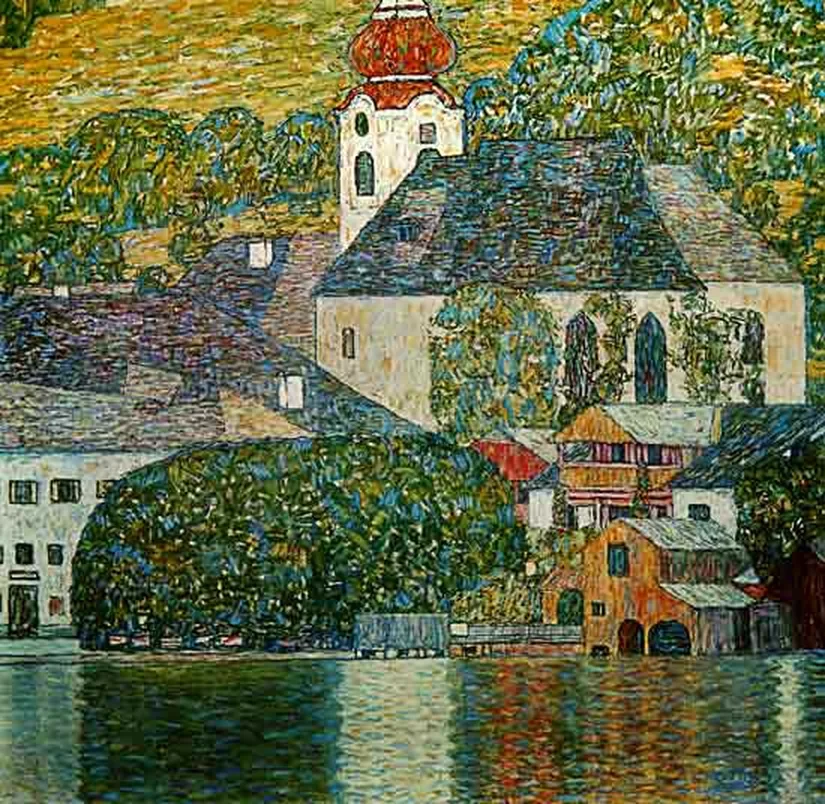
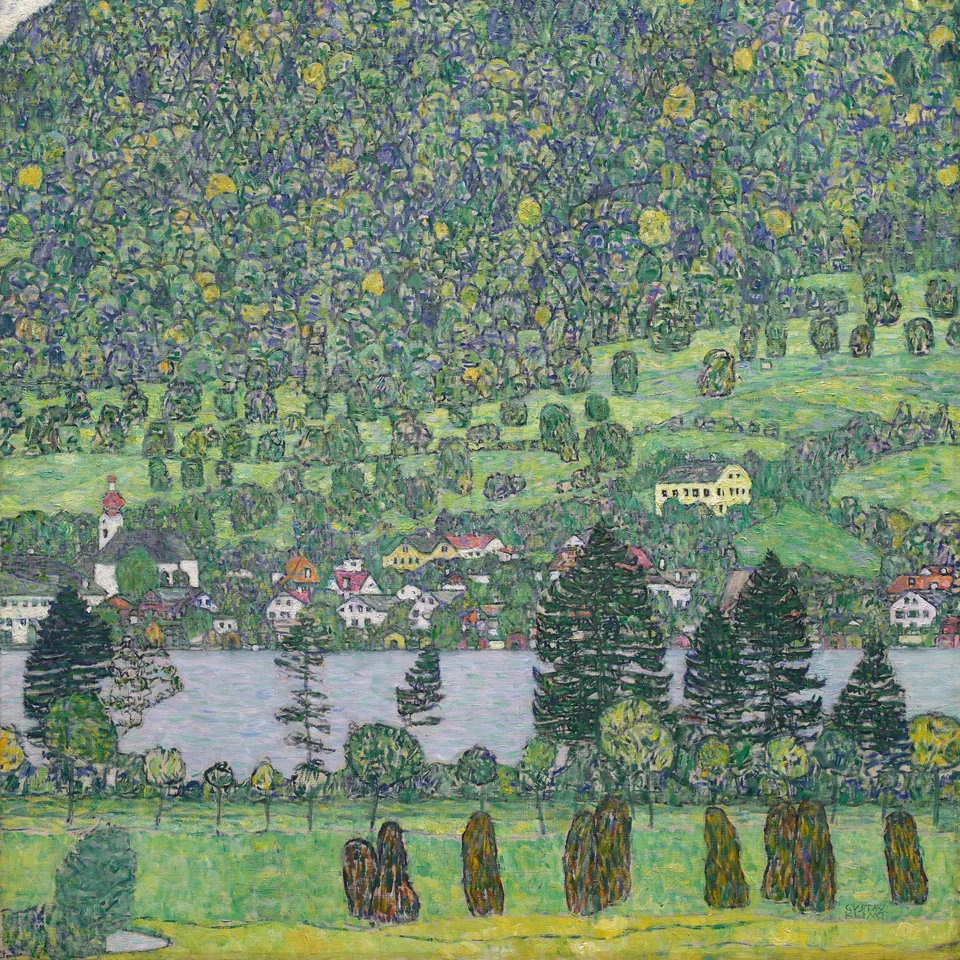
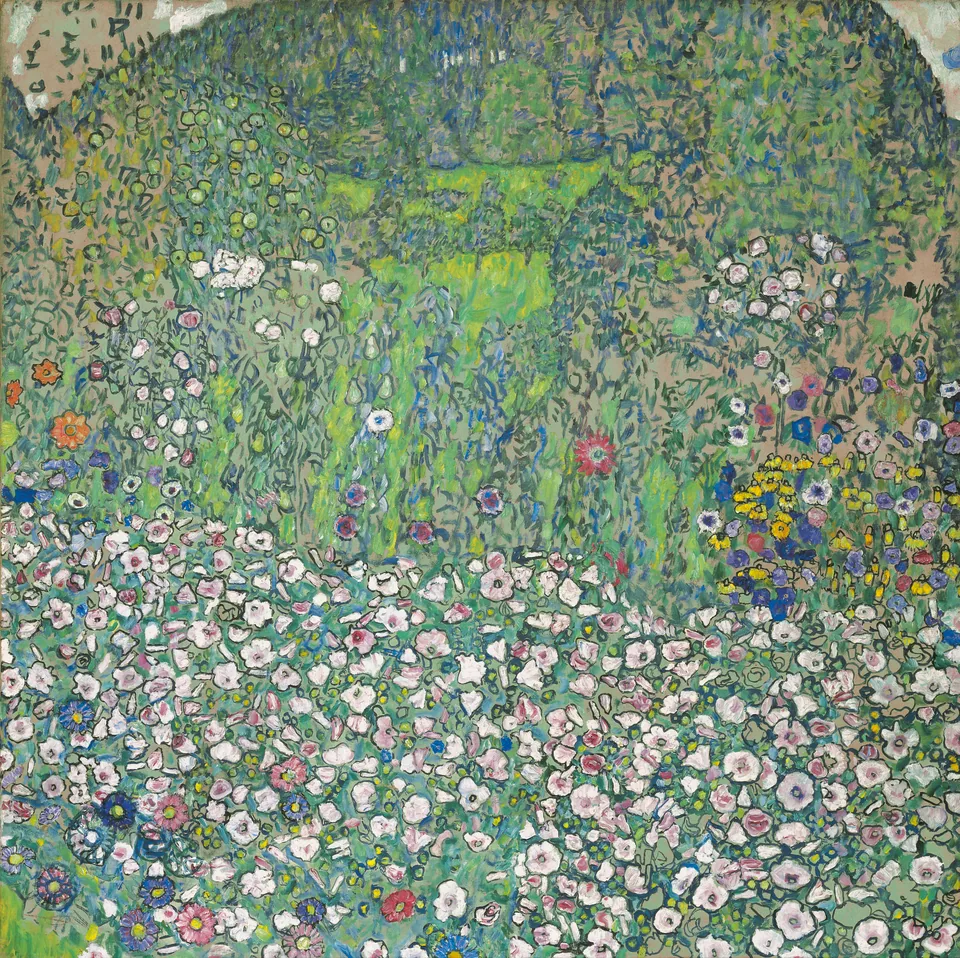
Gustav Klimt painted more than 50 landscapes, creating most of them during his summer holidays at Lake Attersee between 1900 and 1916. You can choose prints of his lakeside views, dense forests, and gardens on canvas or archival paper.
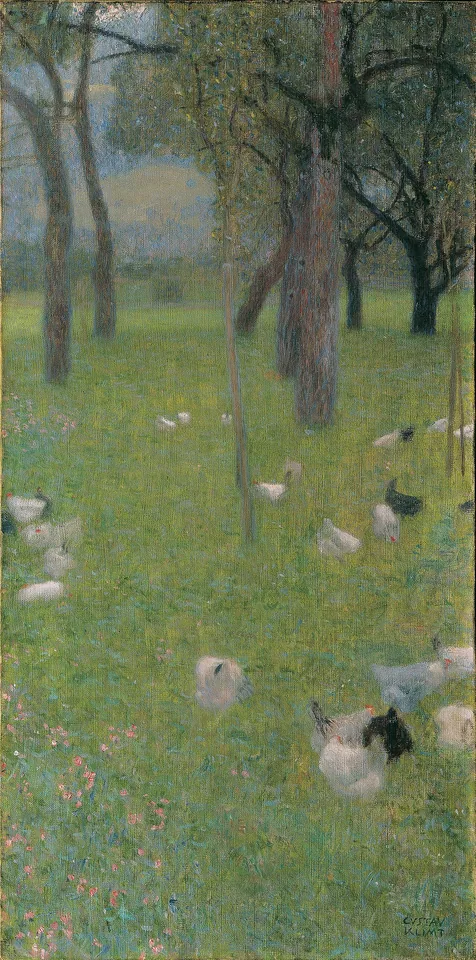
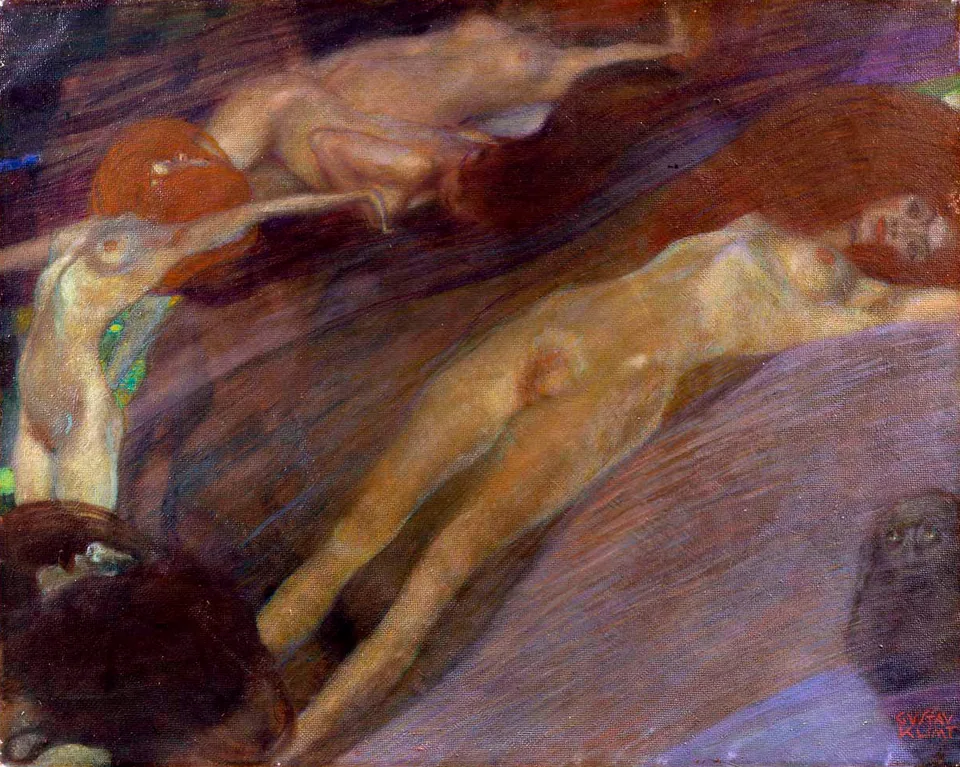
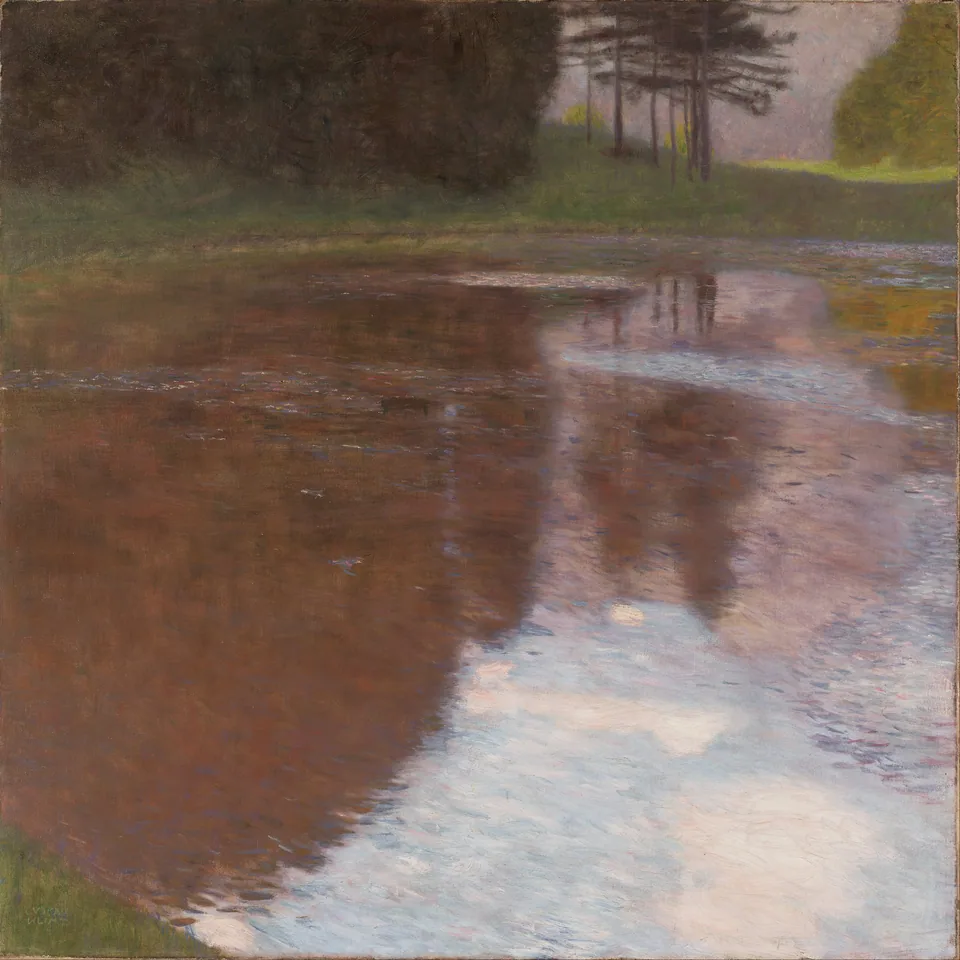
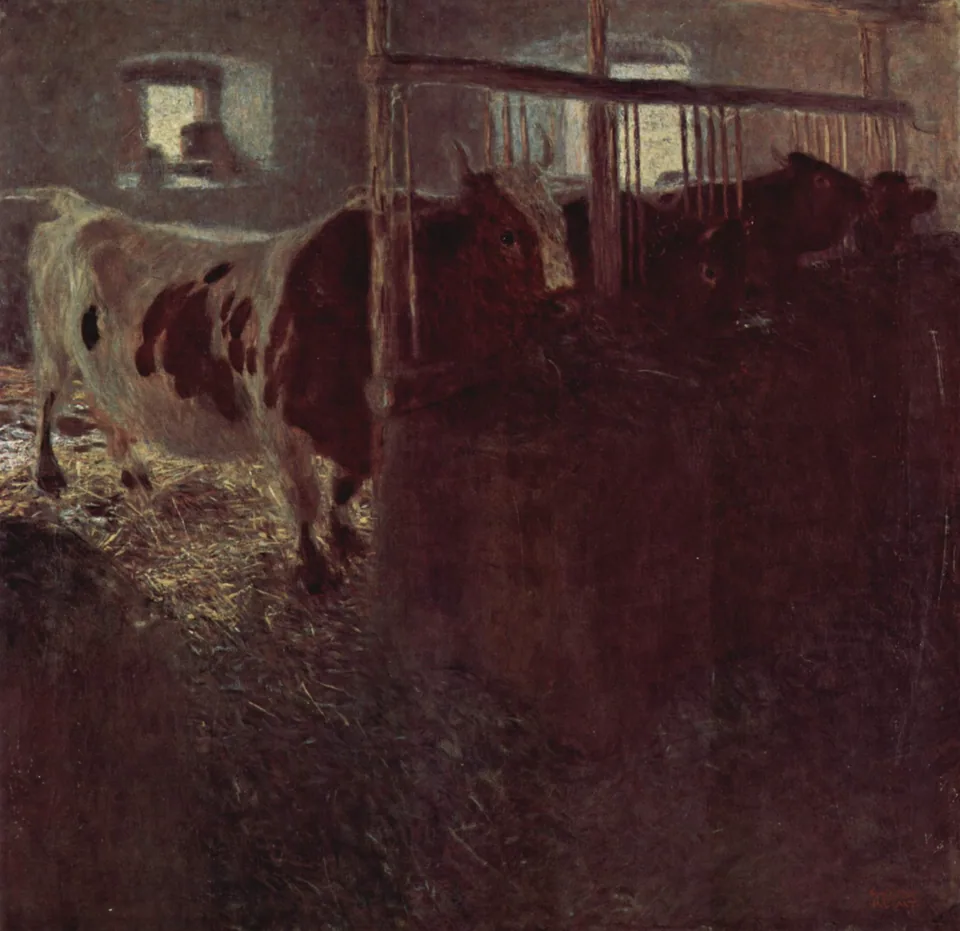
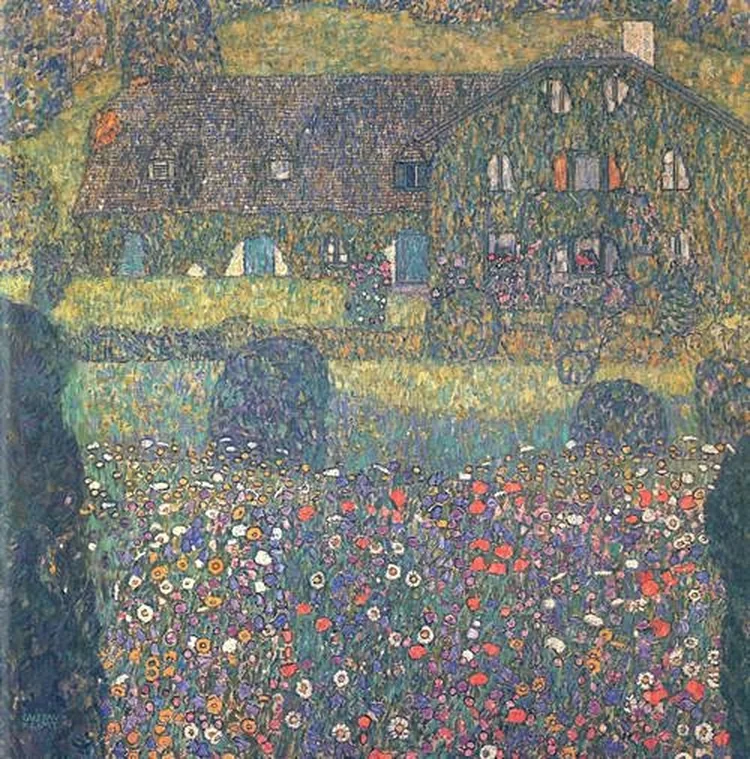
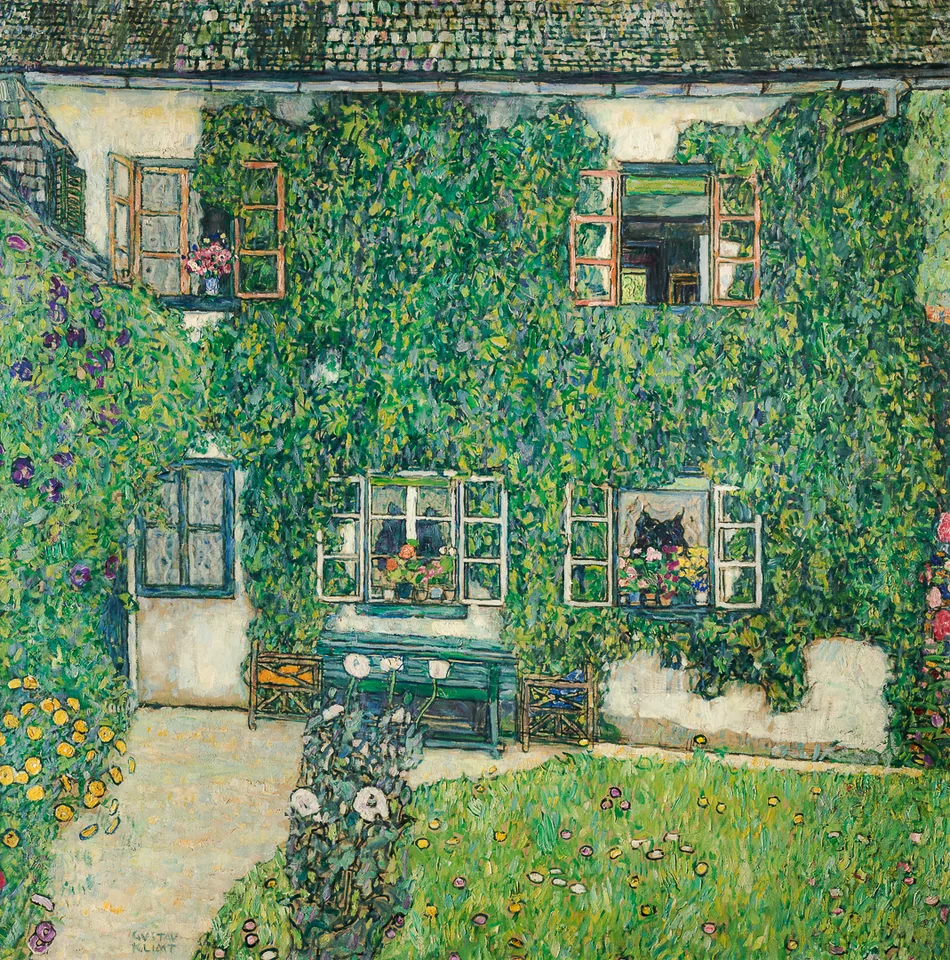
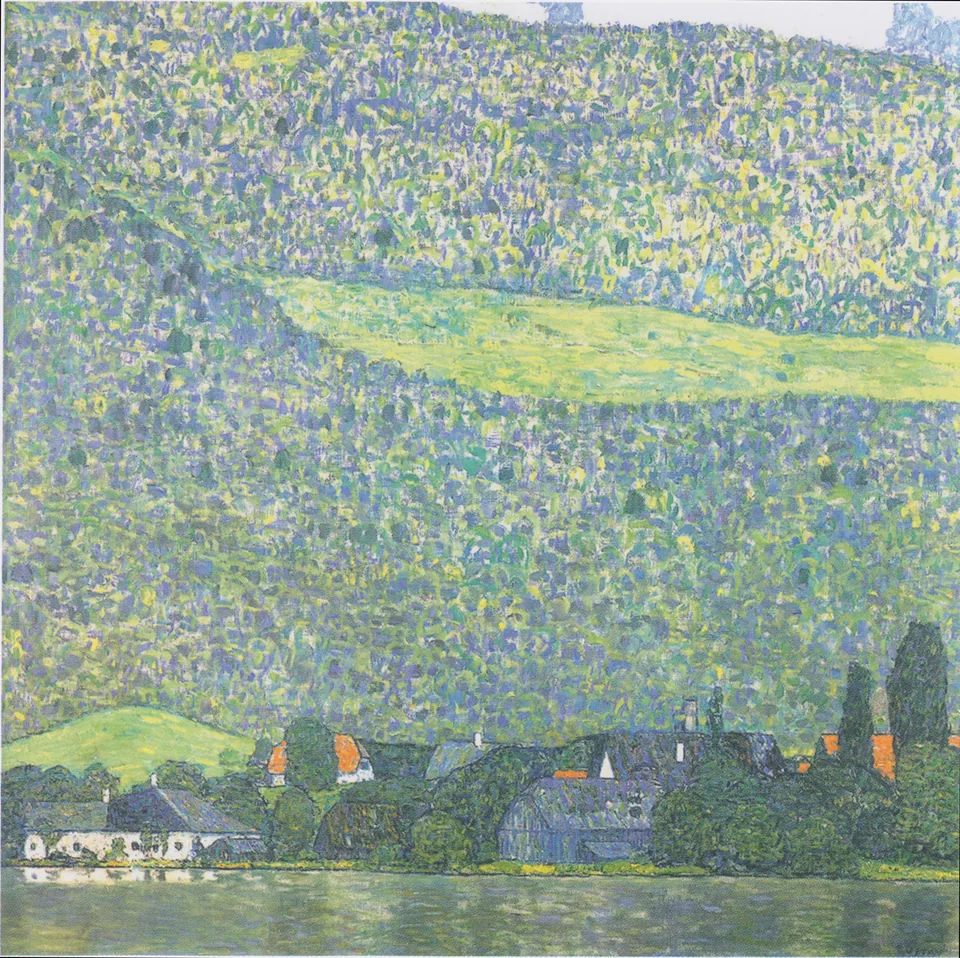
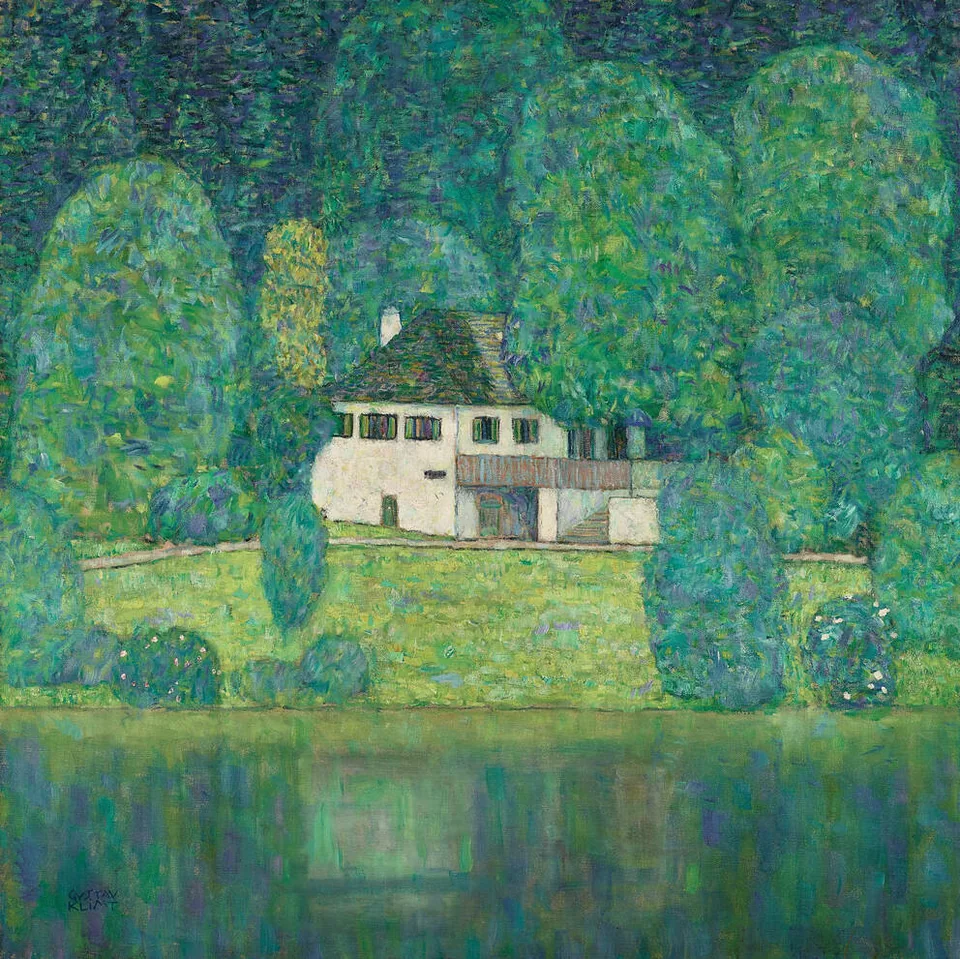
47 works, earliest first. See the complete works
About Klimt’s landscapes
Gustav Klimt’s landscapes form a major part of his independent work. After the controversy over his Vienna University faculty paintings, Klimt turned away from public commissions and spent his time on portraits and landscapes. Between 1900 and 1916, he spent his summers in Upper Austria, creating more than 50 landscape paintings. To learn more about his lakeside stays, read our guide to Klimt’s landscapes and the Attersee.
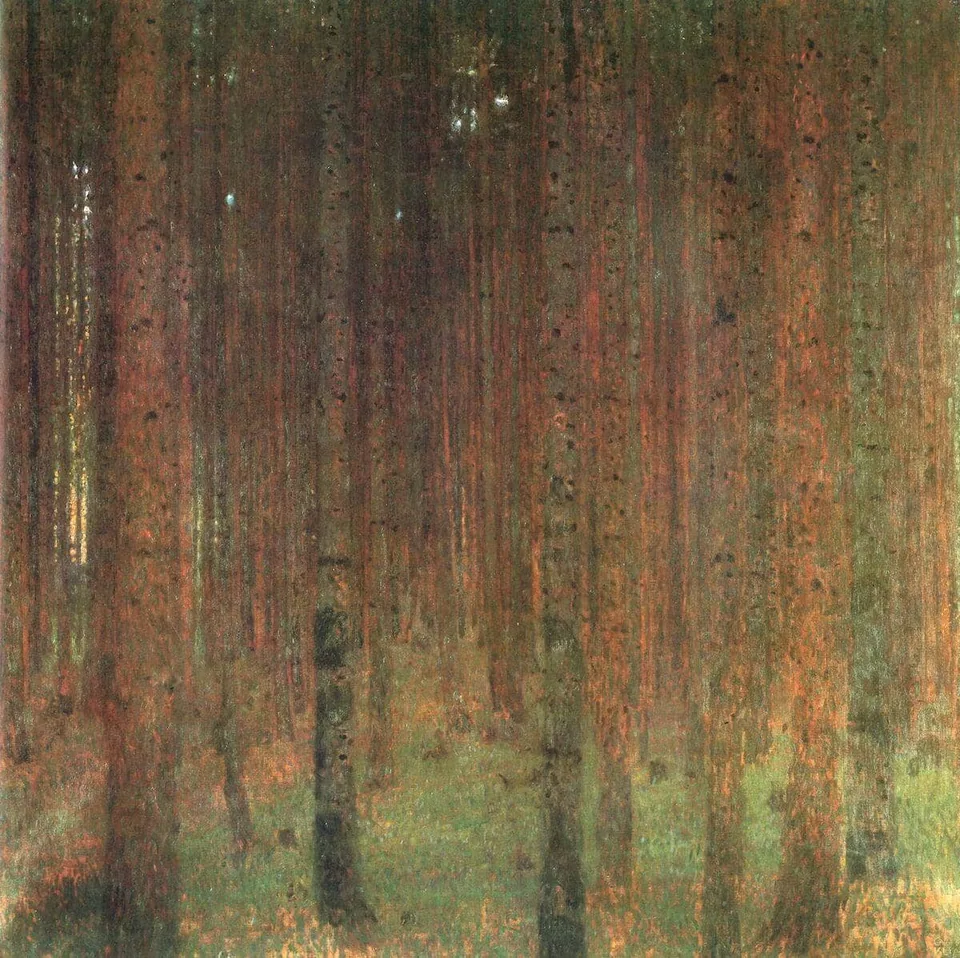
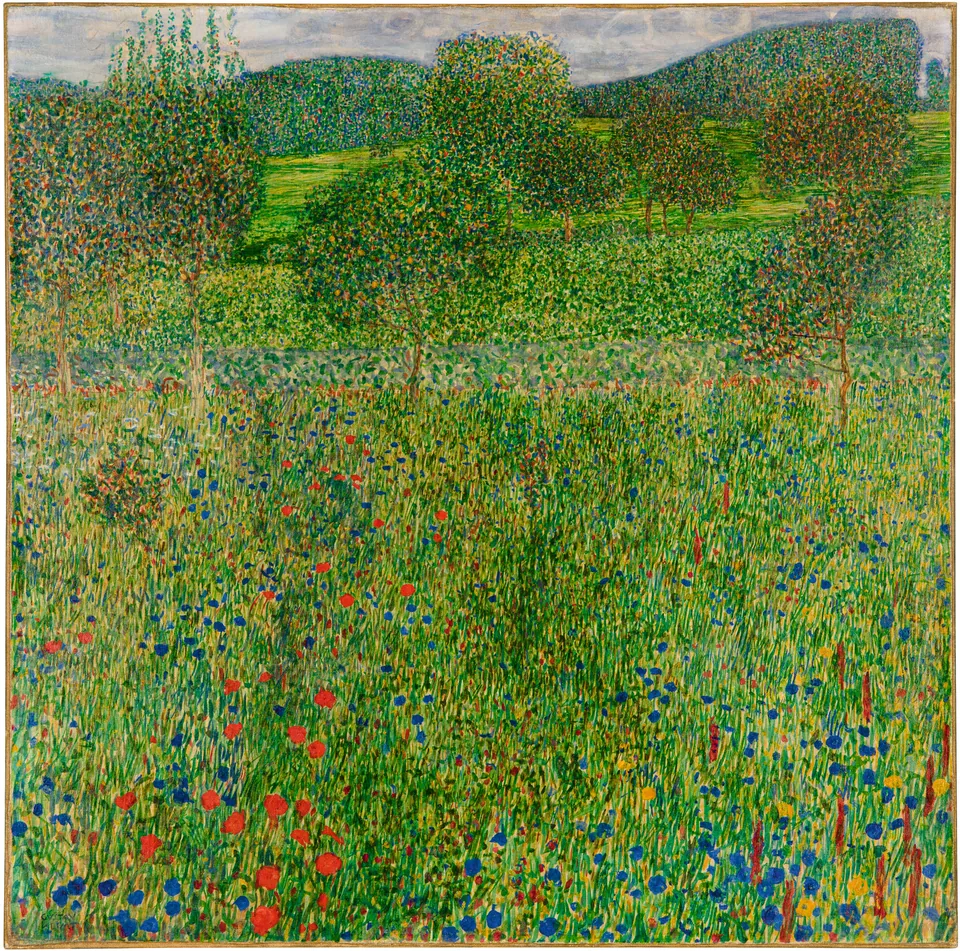
Klimt developed a distinctive way of seeing outdoor scenes. Instead of traditional wide horizontal views, he painted almost every landscape on a square canvas. He framed his subjects using a handheld cardboard viewfinder, opera glasses, and a telescope. The telescope compressed distant scenery, flattening hills, trees, and buildings into dense mosaic-like patterns across the surface.
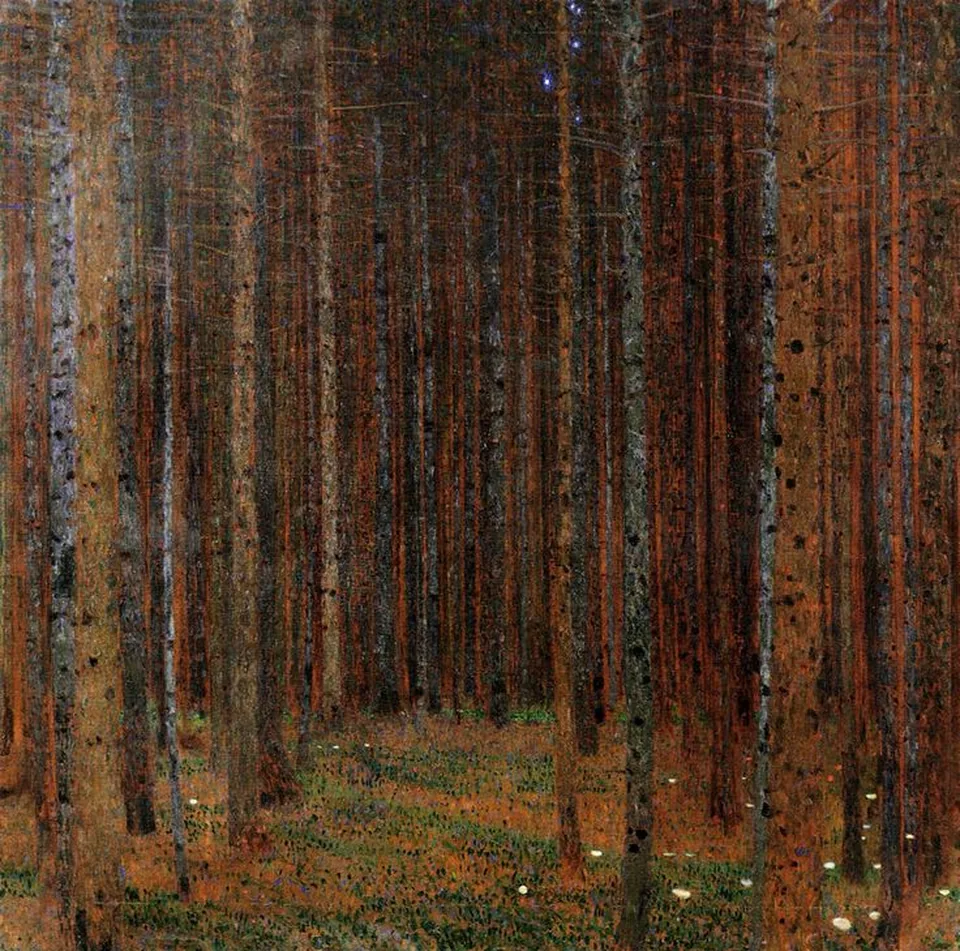
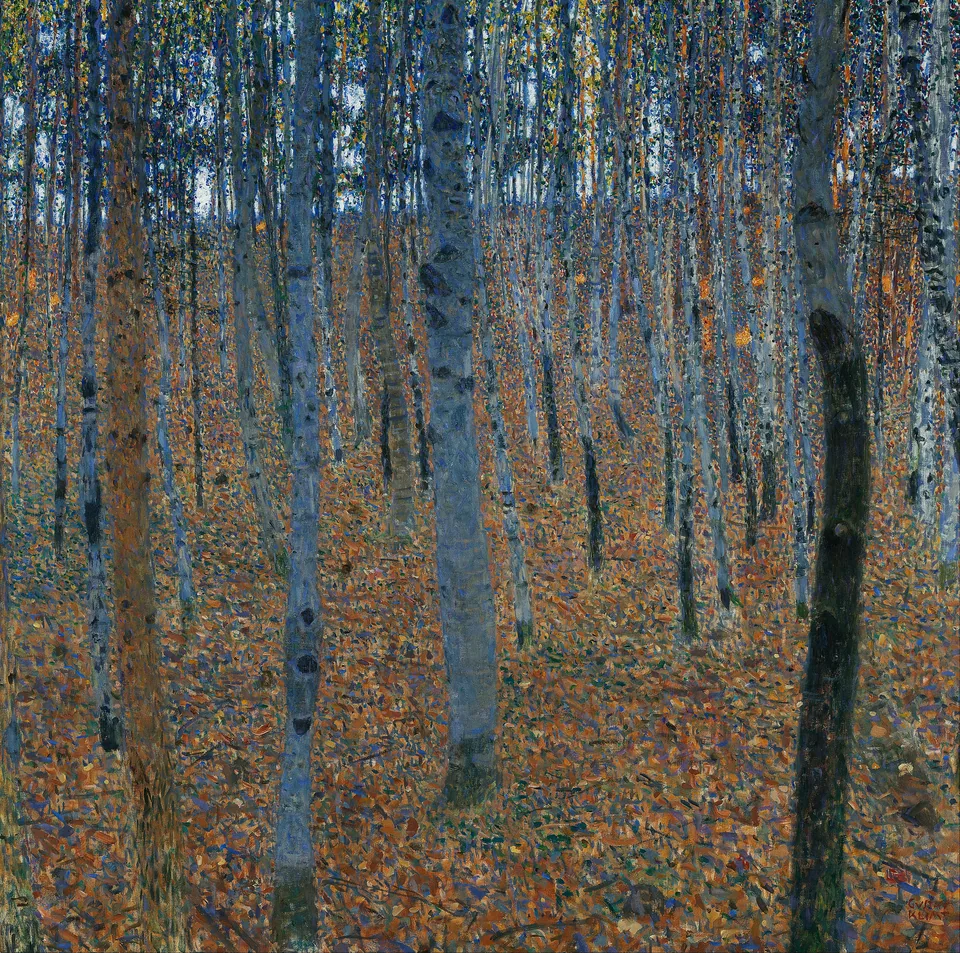
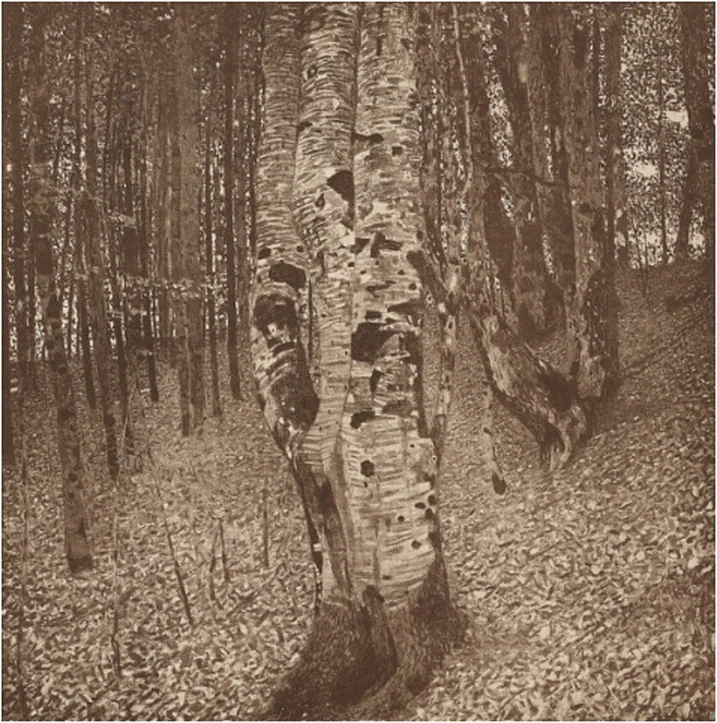
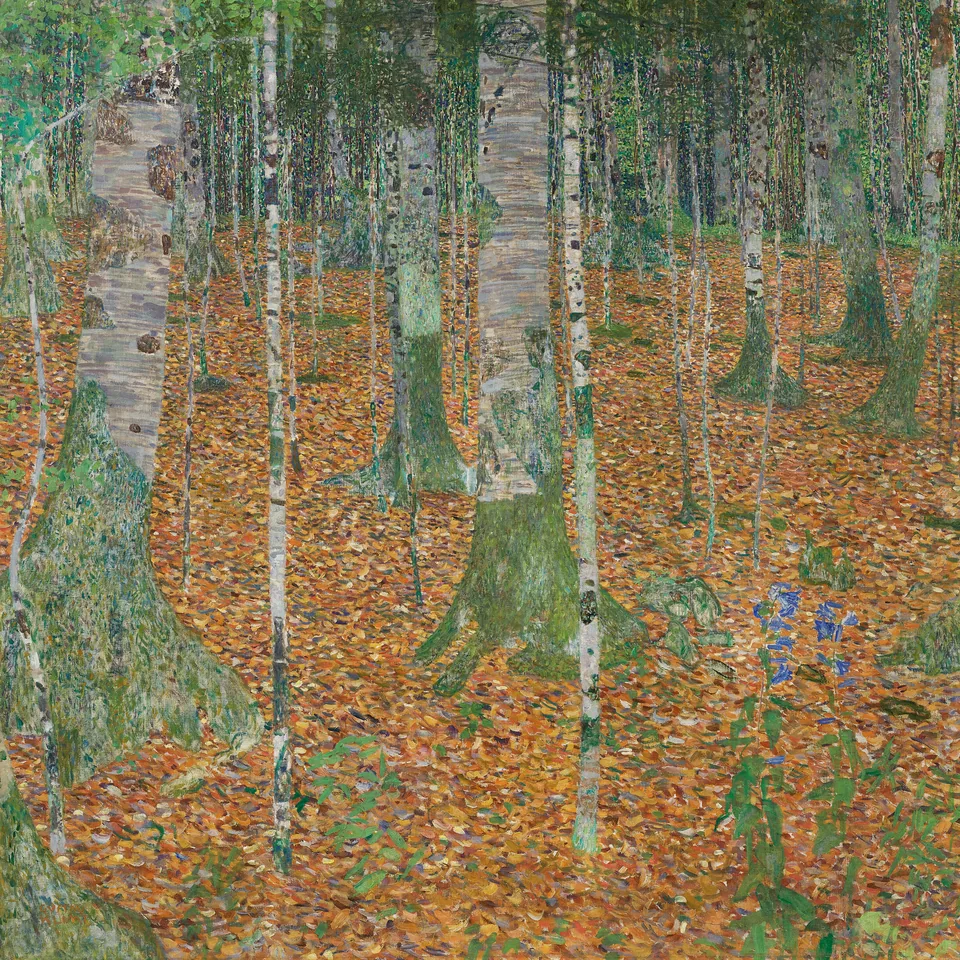
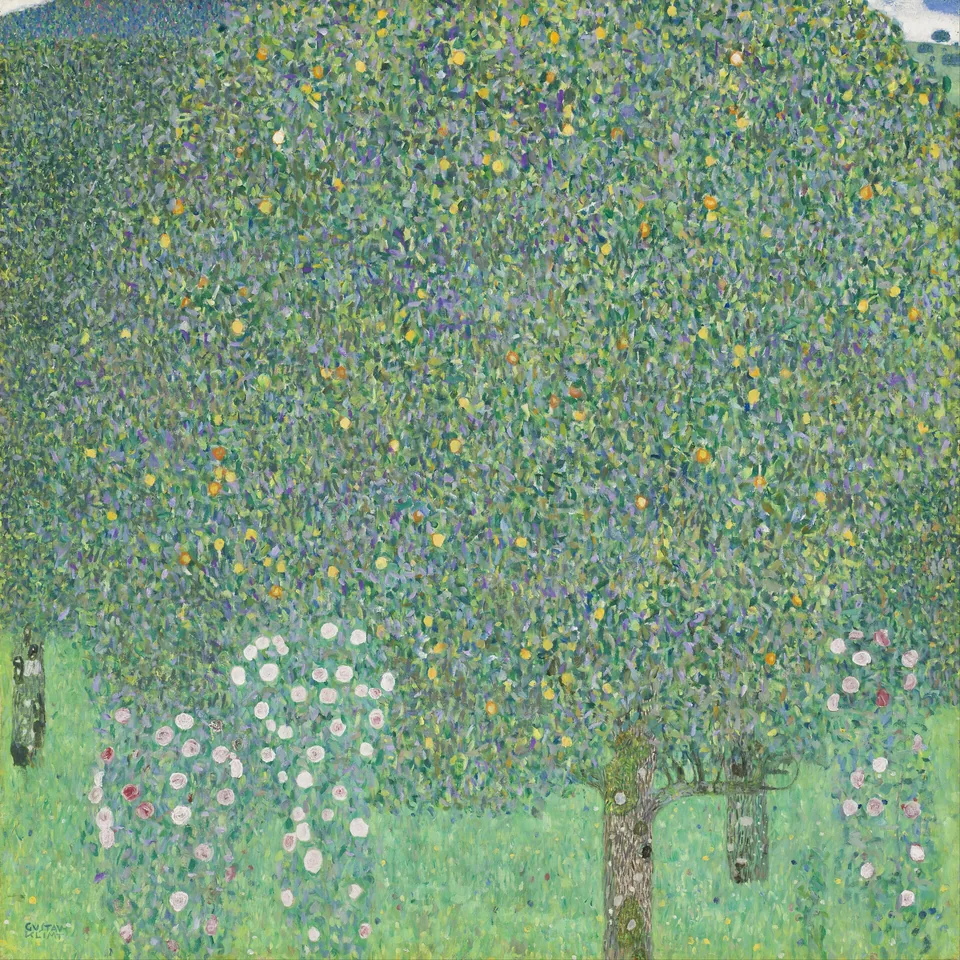
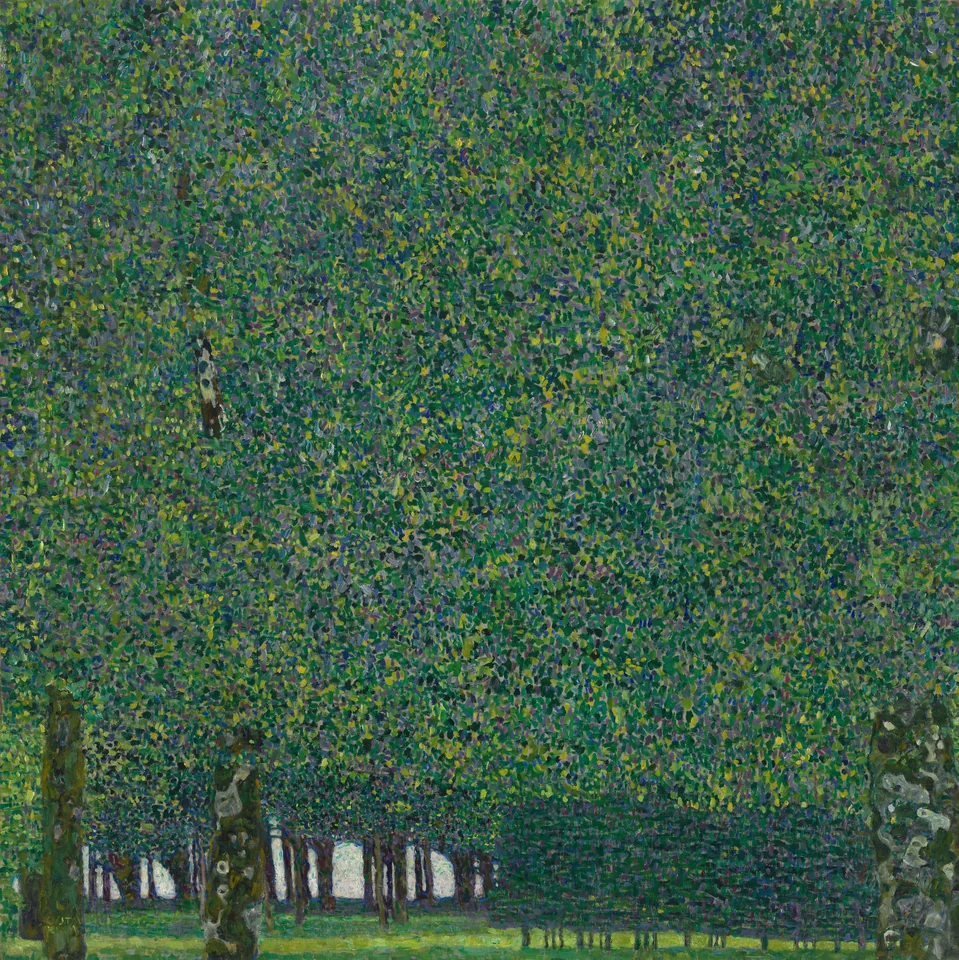
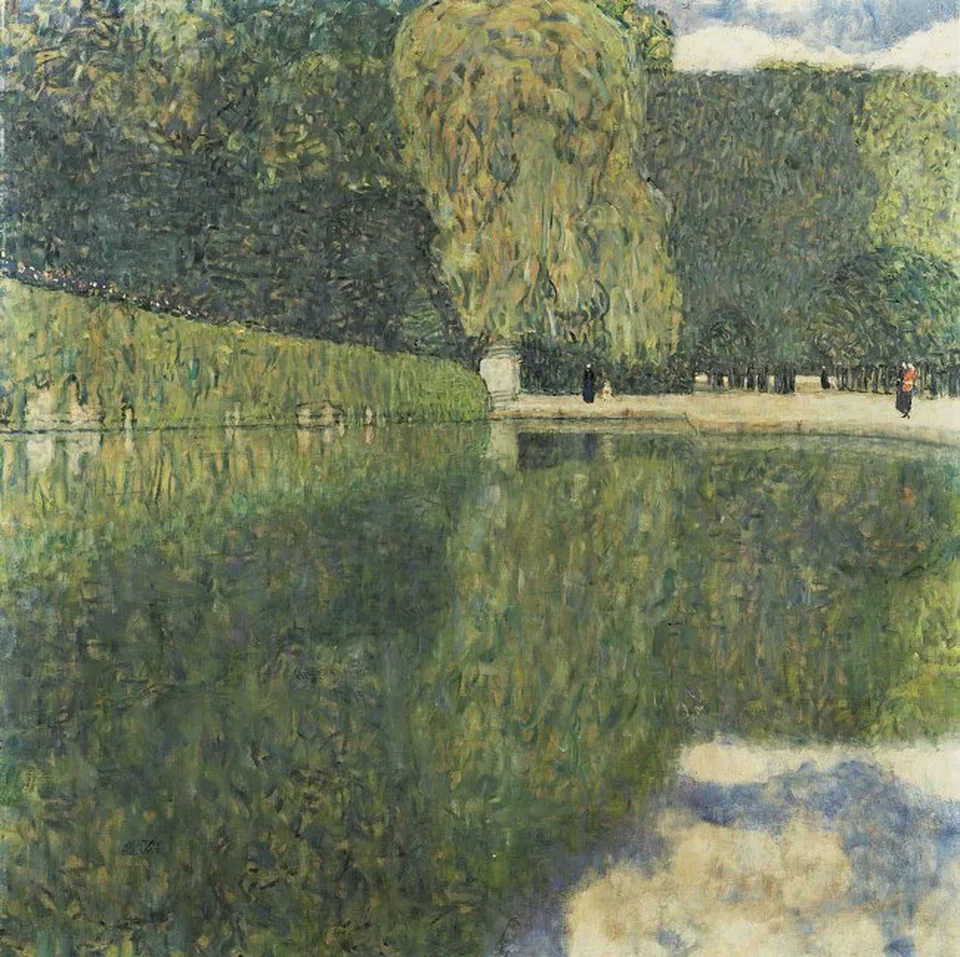
You can see this compression clearly in paintings of woods and parks. In Der Park, painted in 1909 or 1910, Klimt covered the canvas with a tight crown of green foliage that fills almost the entire picture space. His forest paintings, including Buchenwald from 1902 and Birch Forest from 1903, show repeated vertical tree trunks rising from beds of autumn leaves. These paintings treat the forest as an enclosed wall of color and texture rather than an open view.
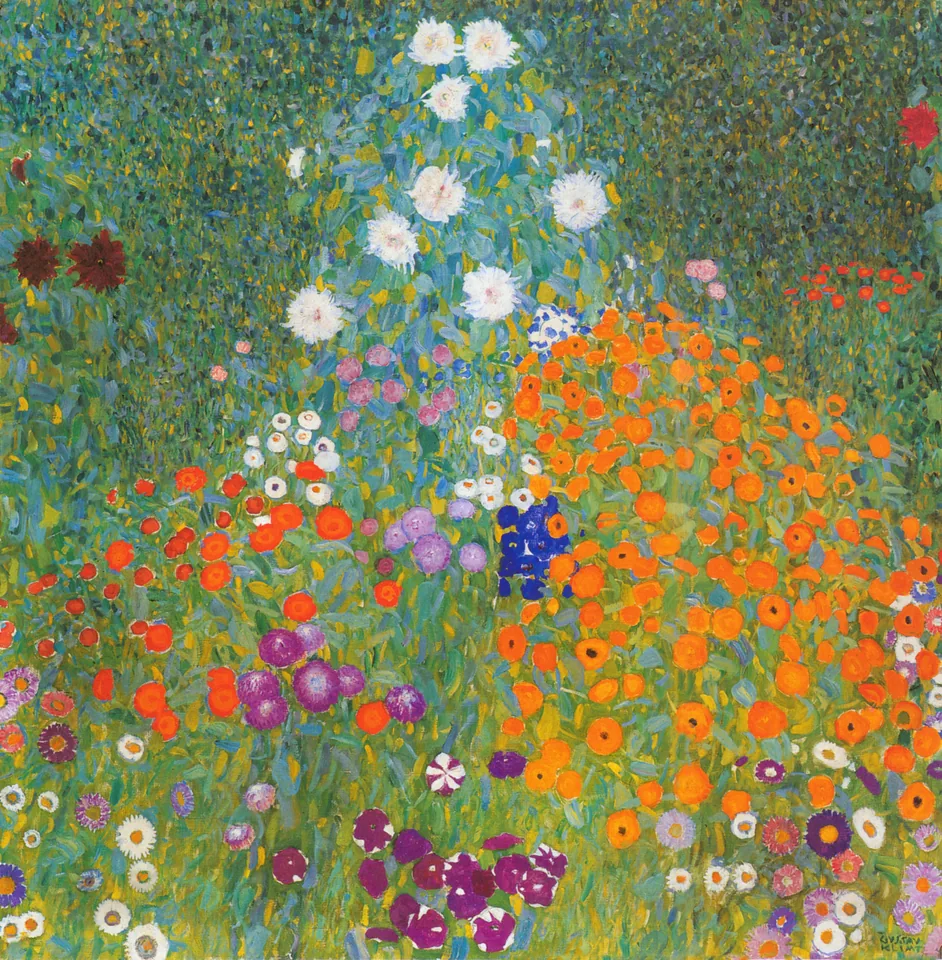
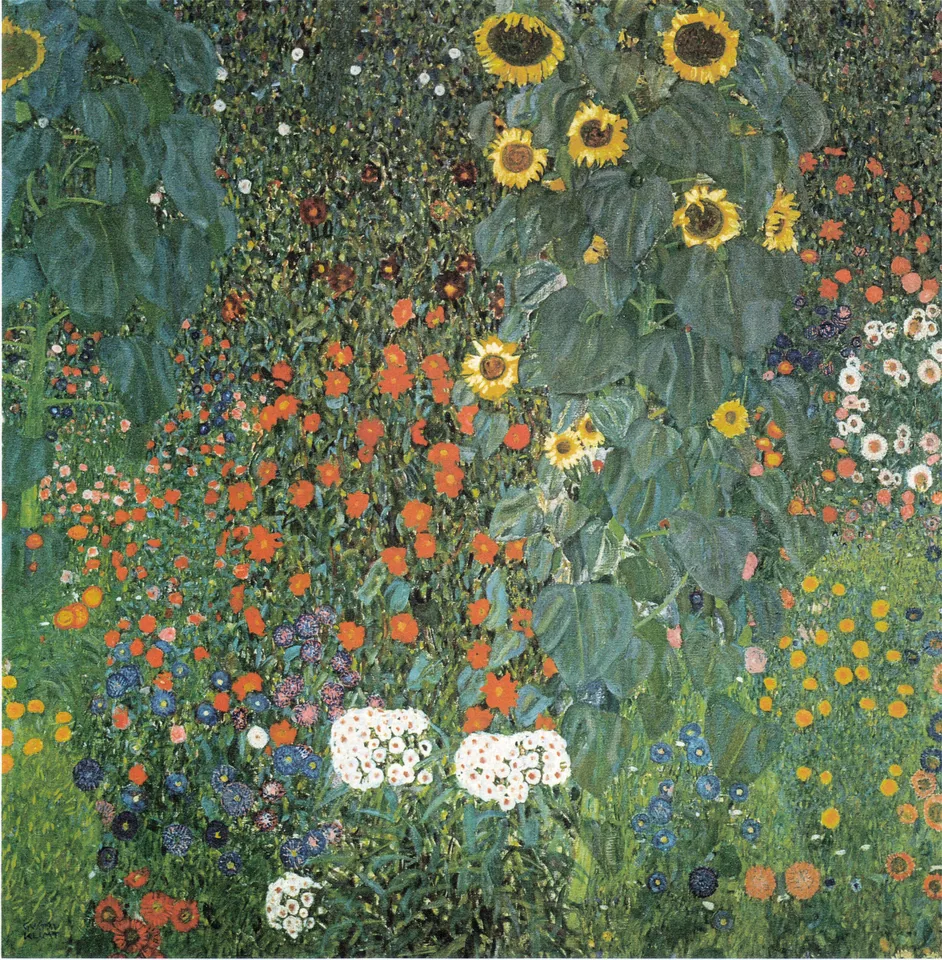
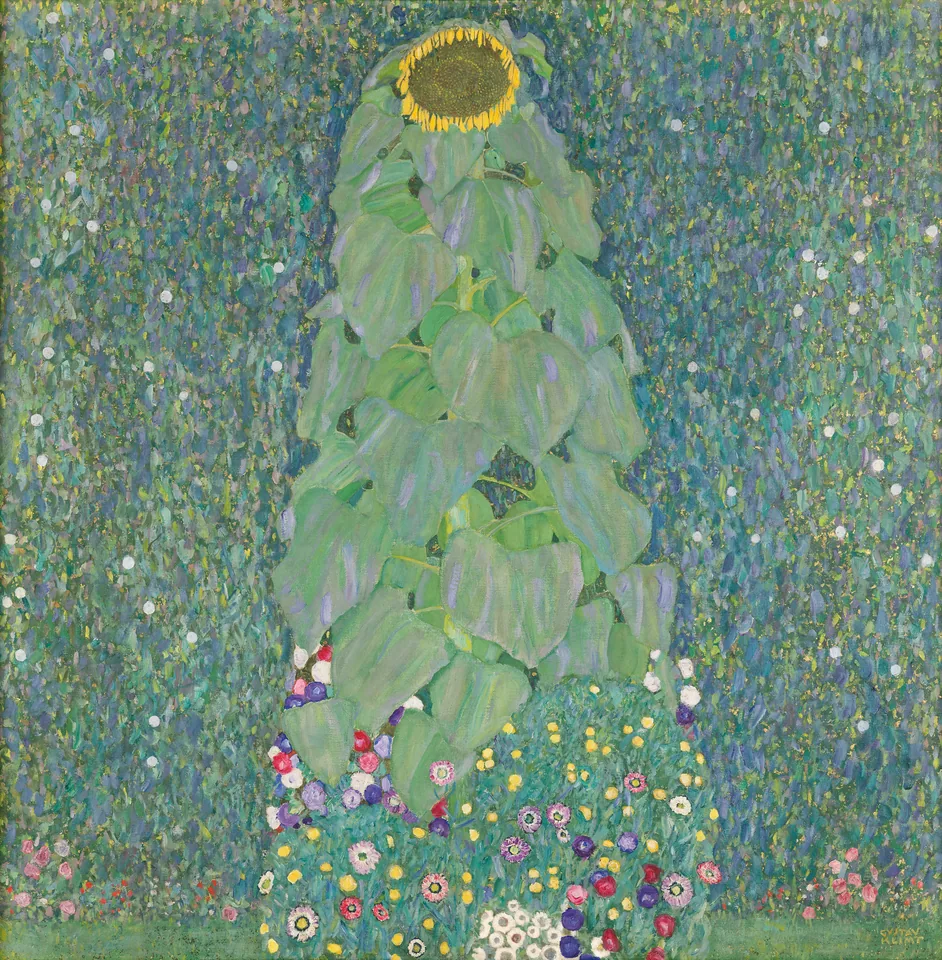
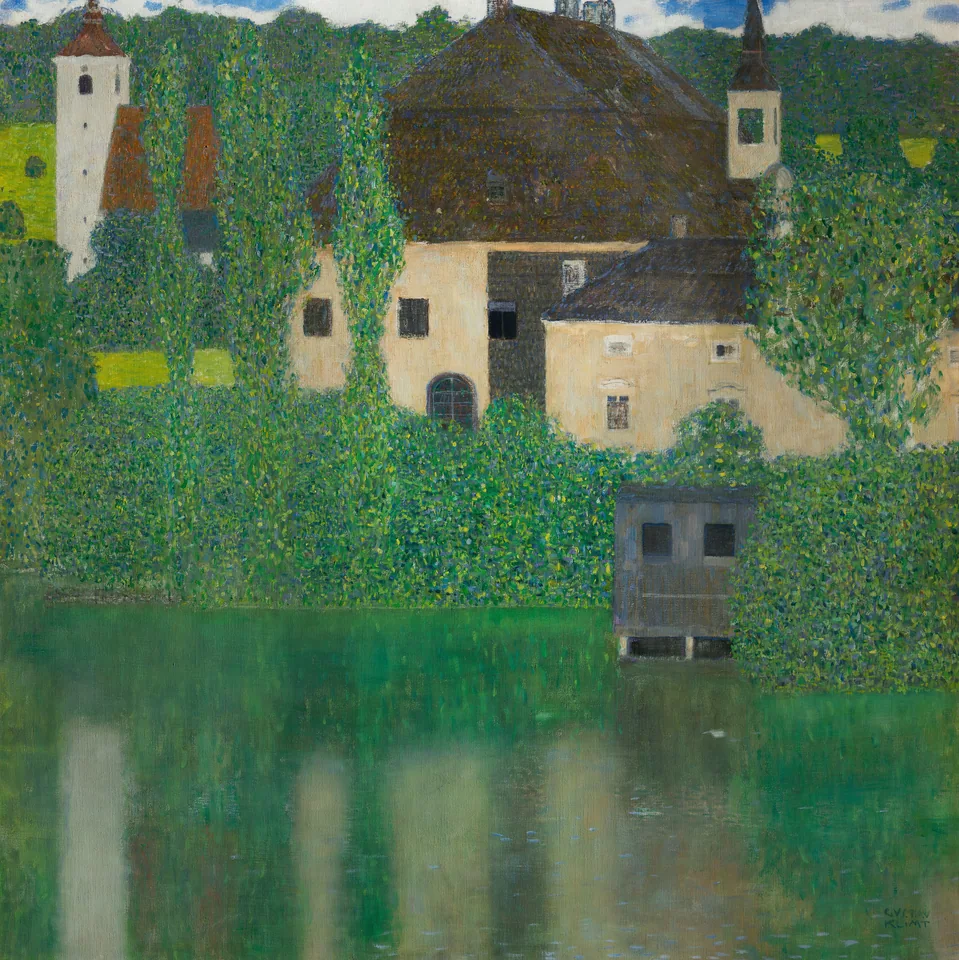
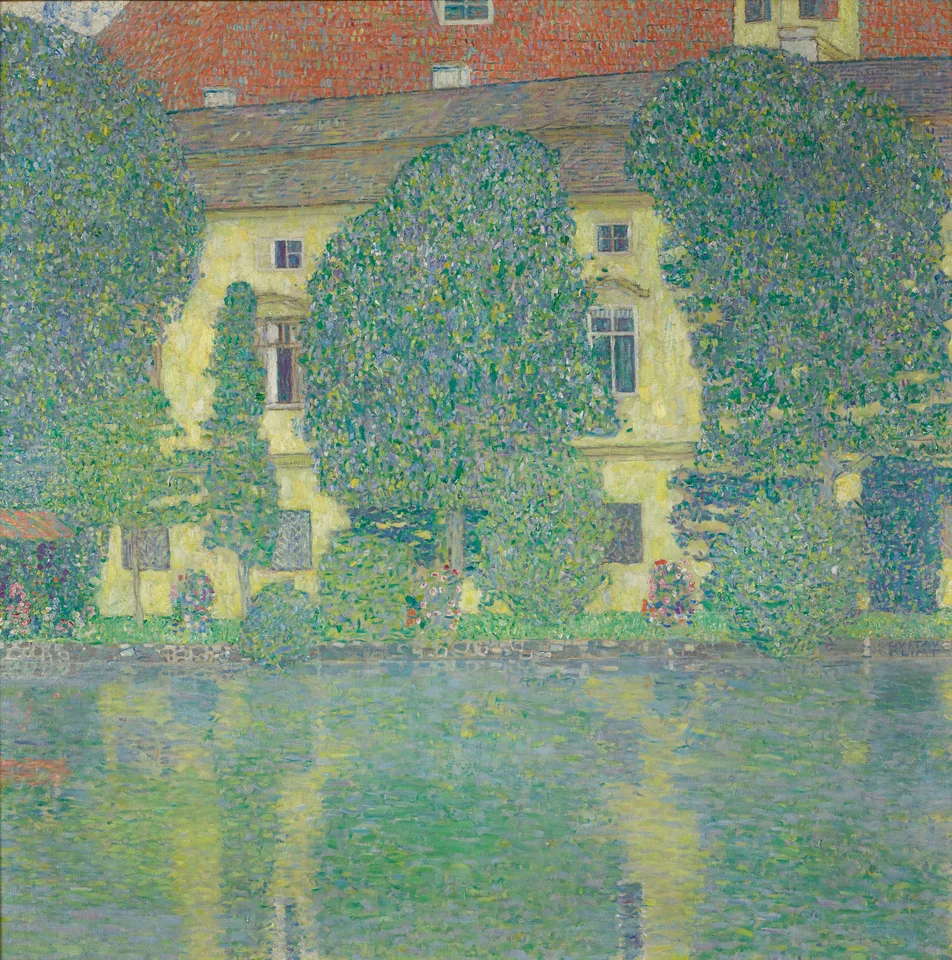
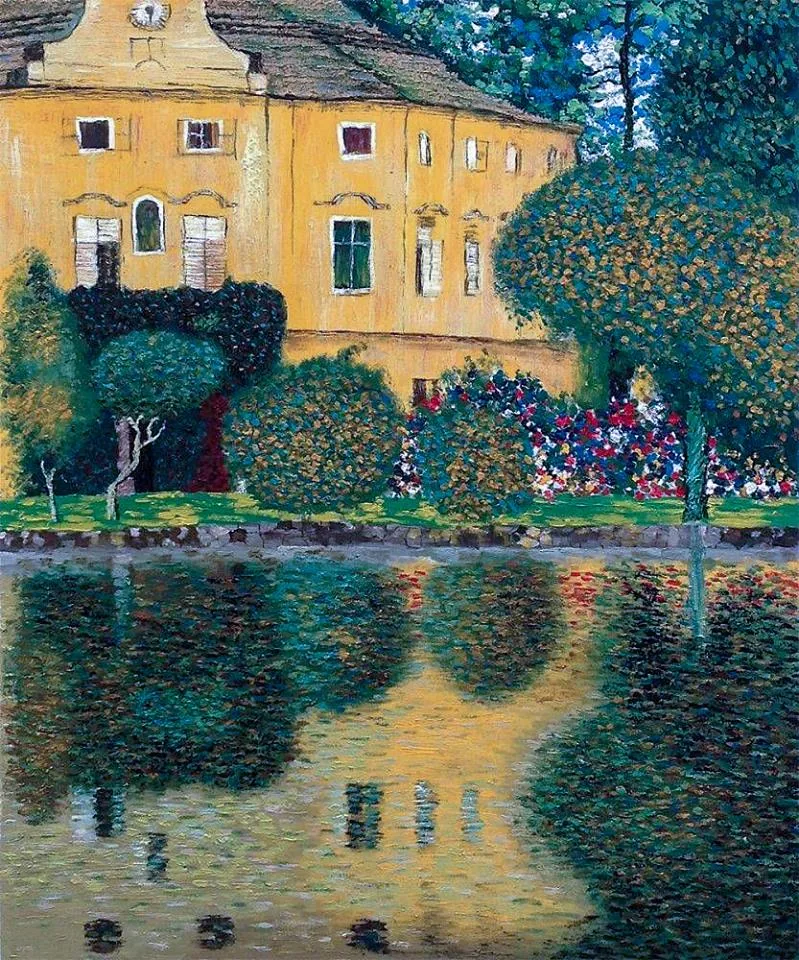
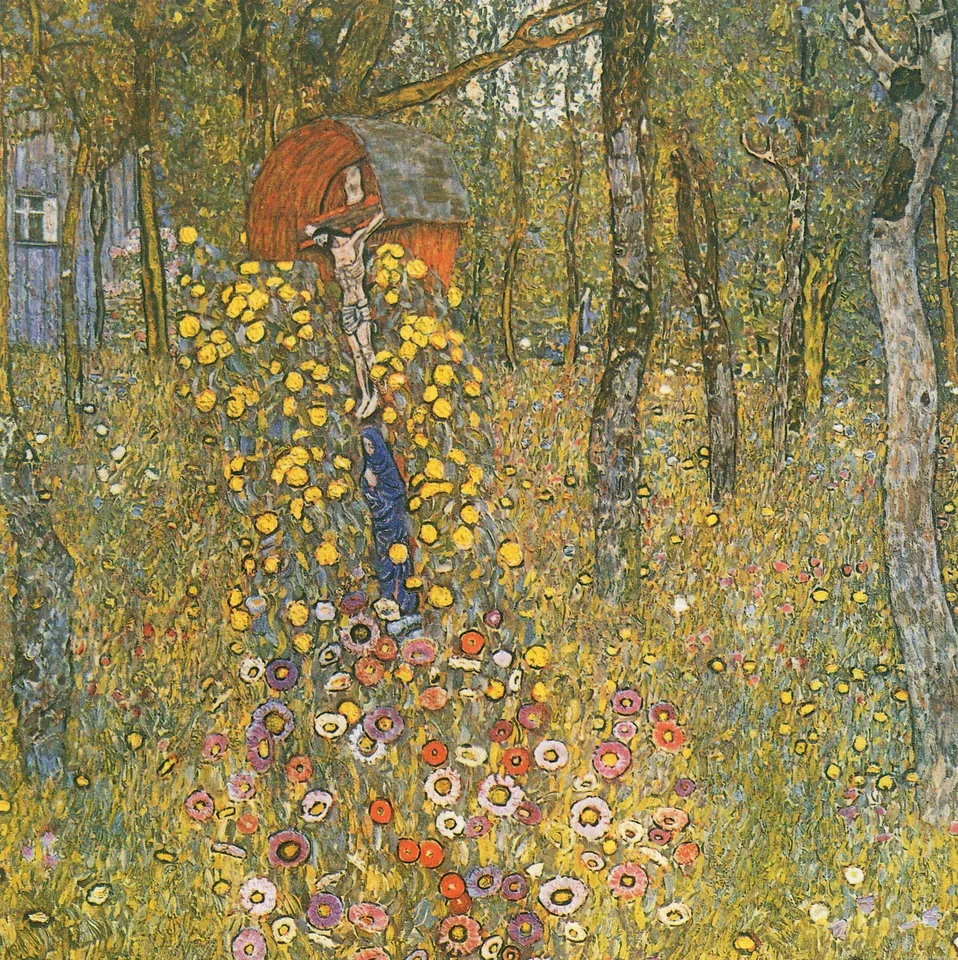
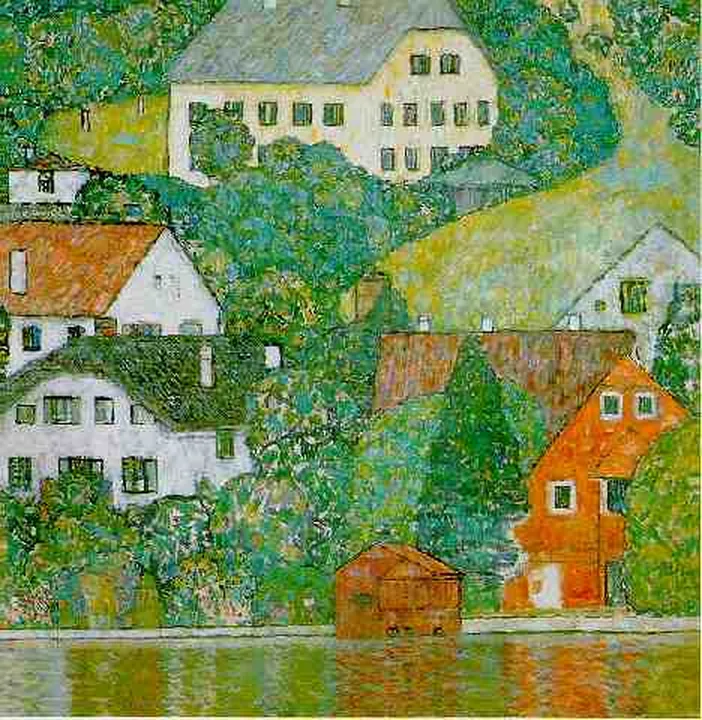
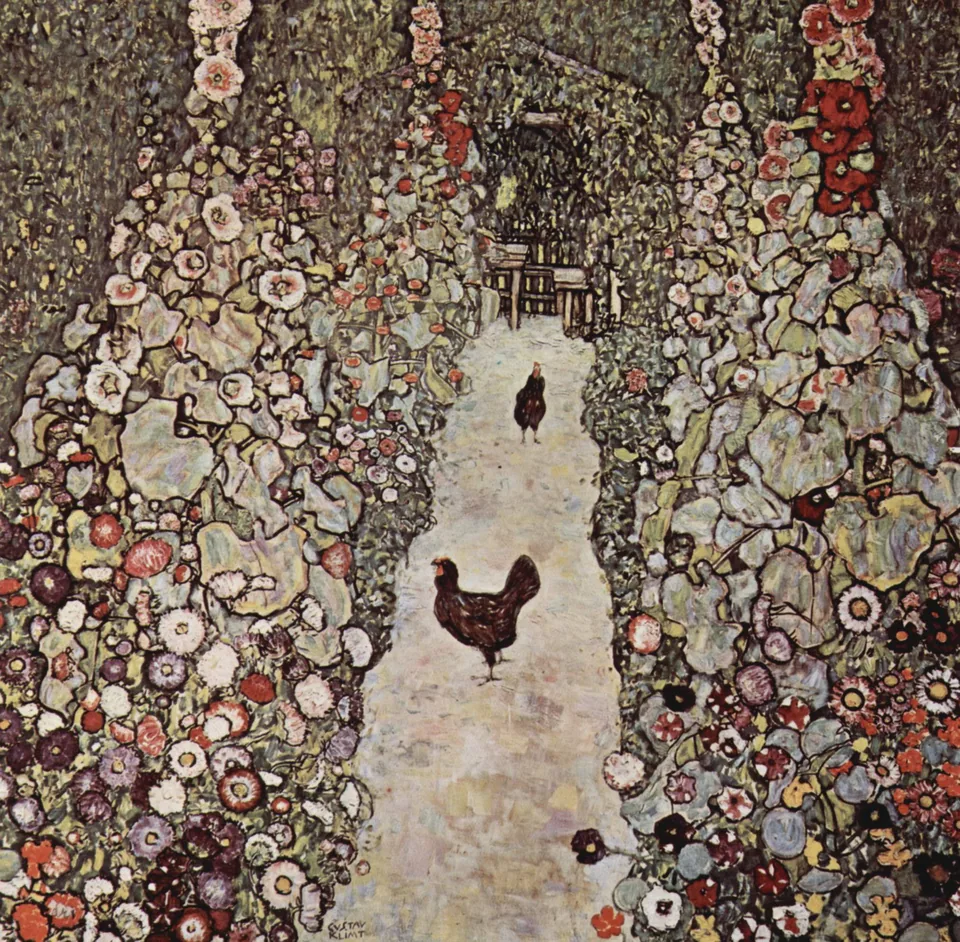
Klimt also turned his lens on village buildings and cultivated plants. Between 1908 and 1910, he painted a four-part series of Kammer Castle, including Schloss Kammer on the Attersee I. In works like Bauerngarten mit Sonnenblumen, he packed the picture with bright blossoms, creating one of his most recognized outdoor subjects. When sold at auction in London in 2017, Bauerngarten became Klimt’s most expensive landscape painting at the time.
Choosing a landscape print
You can bring these Austrian views into your living room or office with reproductions of Klimt’s original oils. If you want water views and castle reflections, explore our collection of Attersee paintings. For compositions filled with sunflowers and dense greenery, browse our flower and garden prints.
The square format makes Klimt’s landscape paintings easy to place on your wall. A square picture works well centered above a sofa, hanging over a desk, or grouped in pairs along a hallway. The tight geometry and balanced color planes anchor a room without requiring a wide horizontal wall space.
All prints are printed and shipped by ArtsyWall in three formats: Premium Canvas, Framed Canvas, and Archival Paper. Premium Canvas gives you an edge-to-edge textured look that matches the feel of Klimt’s painted surfaces. Framed Canvas adds a clean outer border that arrives ready to hang. Archival Paper offers sharp color detail behind glass in a frame of your choice.
Questions and answers
Did Klimt paint landscapes?
Yes, Gustav Klimt created over 50 landscapes during his artistic career. When public debate ended his work on the Vienna University ceiling paintings, he decided to stop public commissions. He dedicated his summer months from 1900 to 1916 to Lake Attersee, producing dozens of canvases that captured local woods, gardens, and the water.
Why are Klimt's landscapes square?
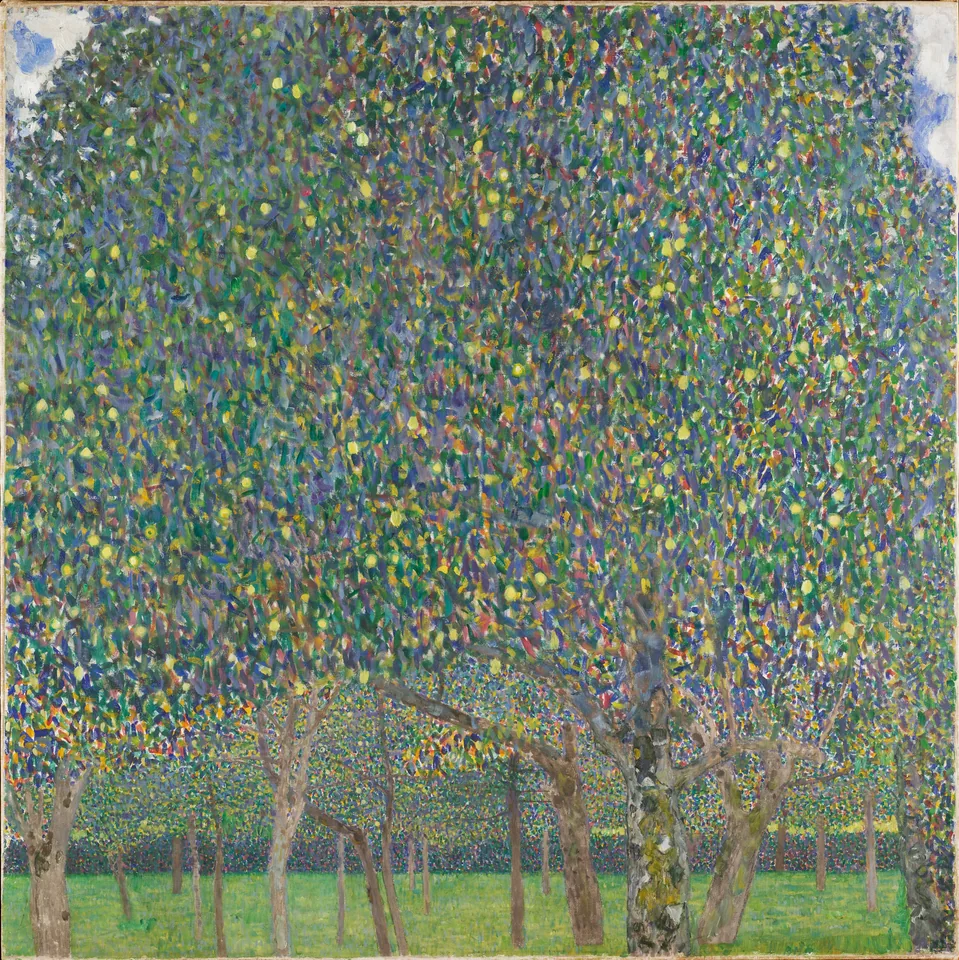
Gustav Klimt painted on square canvases because he chose his compositions using a square cardboard viewfinder. While classical landscapes used horizontal formats, Klimt looked through this framing tool to isolate patterns in nature. This square approach, first seen in Pear Tree in 1903, allowed him to compress space and balance his paintings using geometric planes of color.
Where did Klimt paint his landscapes?
Gustav Klimt painted almost all of his landscapes at Lake Attersee in Upper Austria during summer holidays between 1900 and 1916. He stayed in towns such as Litzlberg, Kammer, and Weissenbach, working at Villa Oleander and the Paulick villa. He also finished select paintings at his Feldmühlgasse studio in Vienna and painted three Italian scenes during a 1913 visit to Lake Garda.
What is Klimt's Birch Forest?
Birch Forest is an oil painting created by Gustav Klimt in 1903 on a square canvas measuring 110.1 by 109.8 cm. Associated with the Belvedere and the Paul G. Allen Collection, the artwork shows slender tree trunks patterned with dark bark against an orange-brown ground of fallen leaves. Klimt cropped the view closely to fill the canvas with rhythmic, vertical lines.