Klimt Flower and Garden Prints
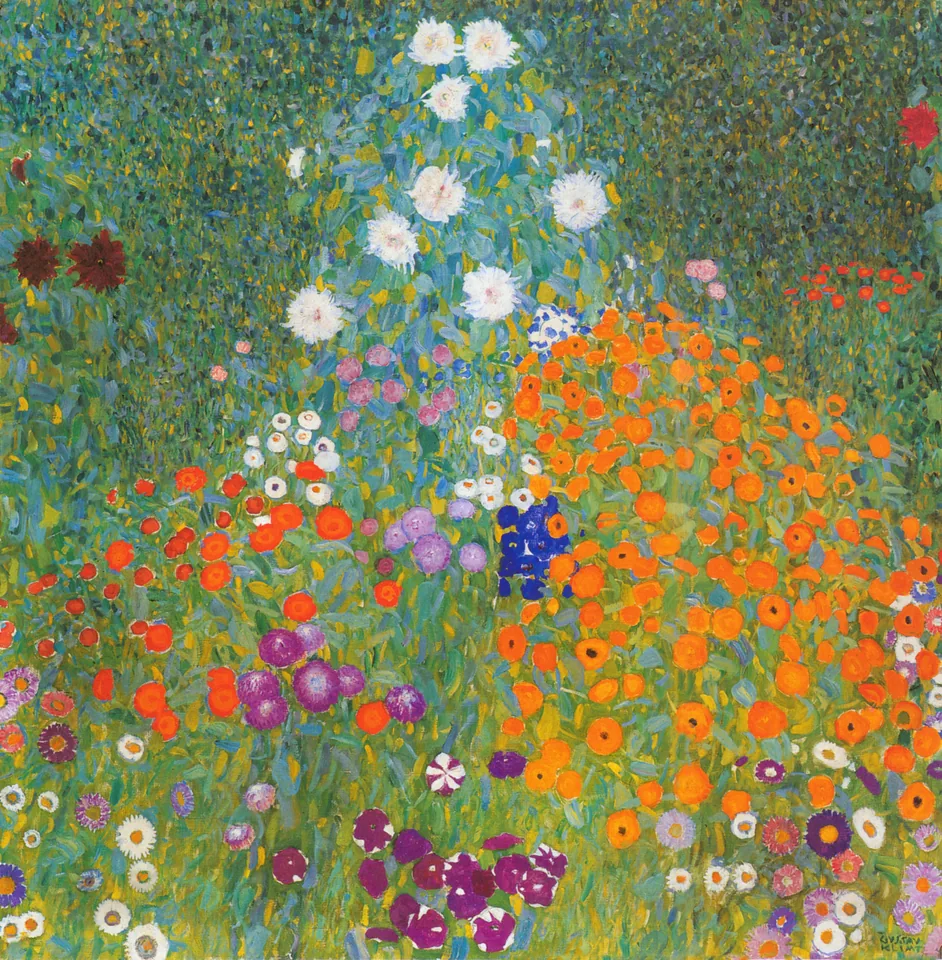
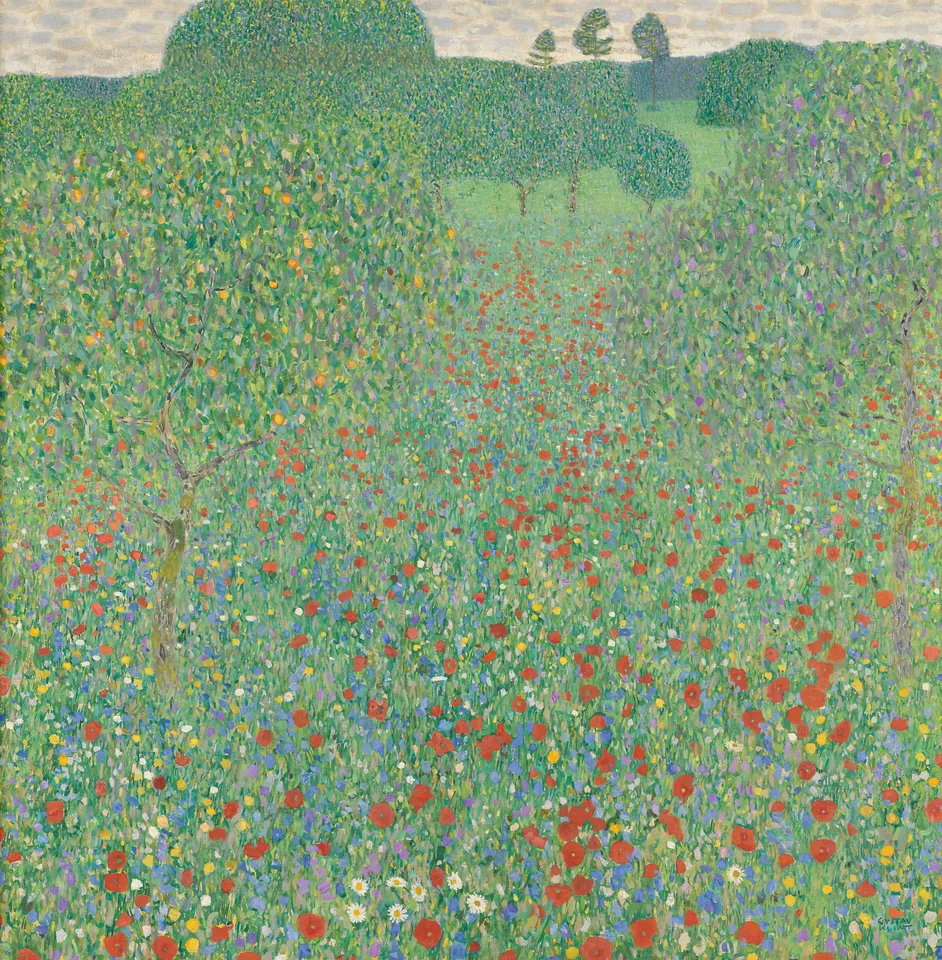
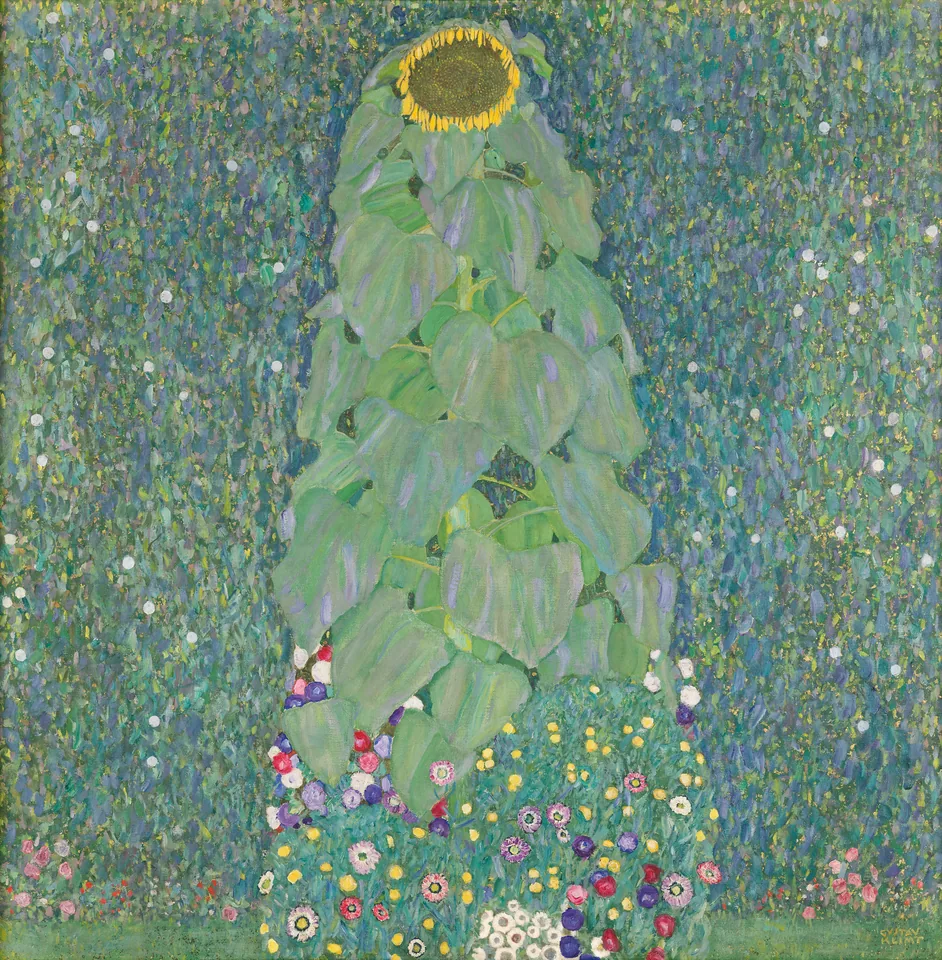
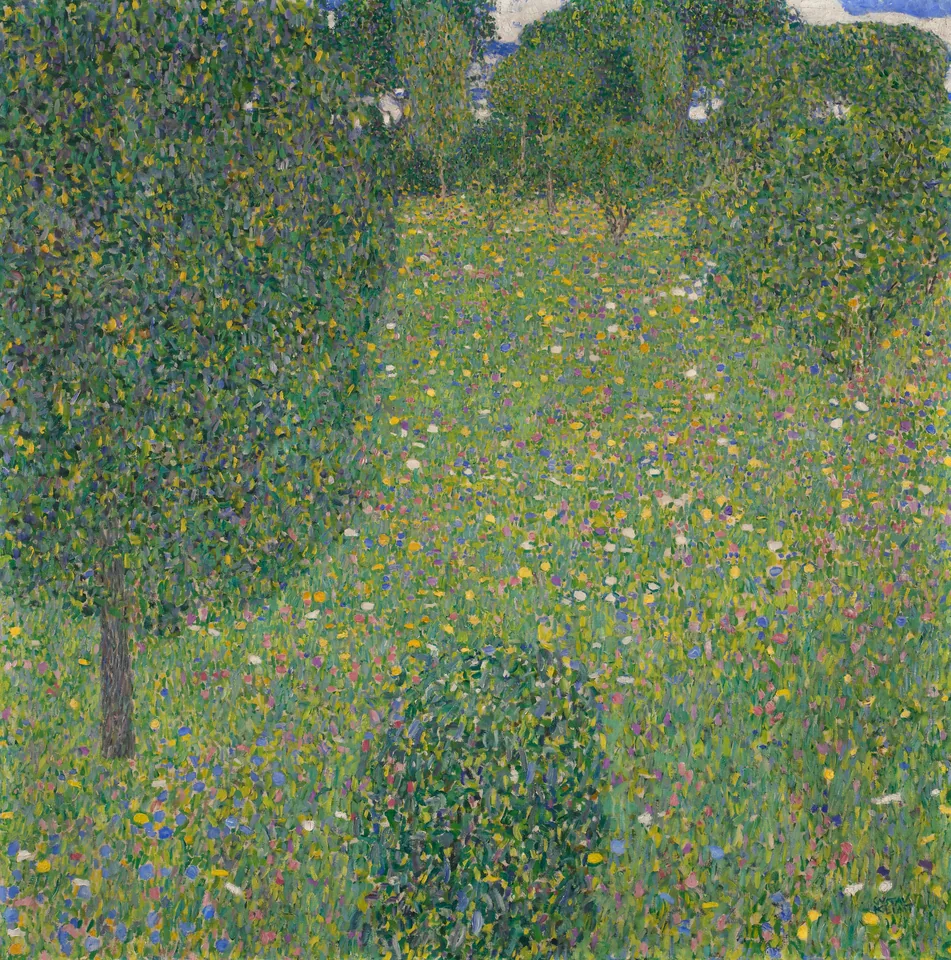
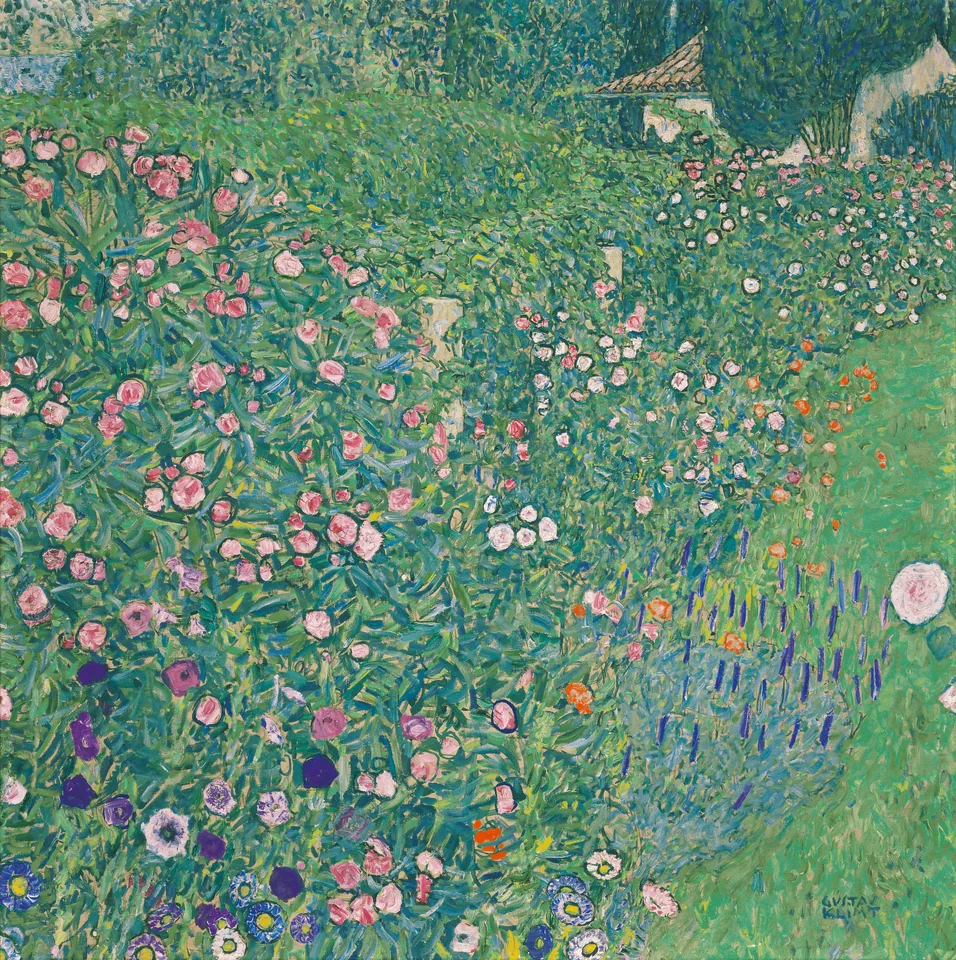
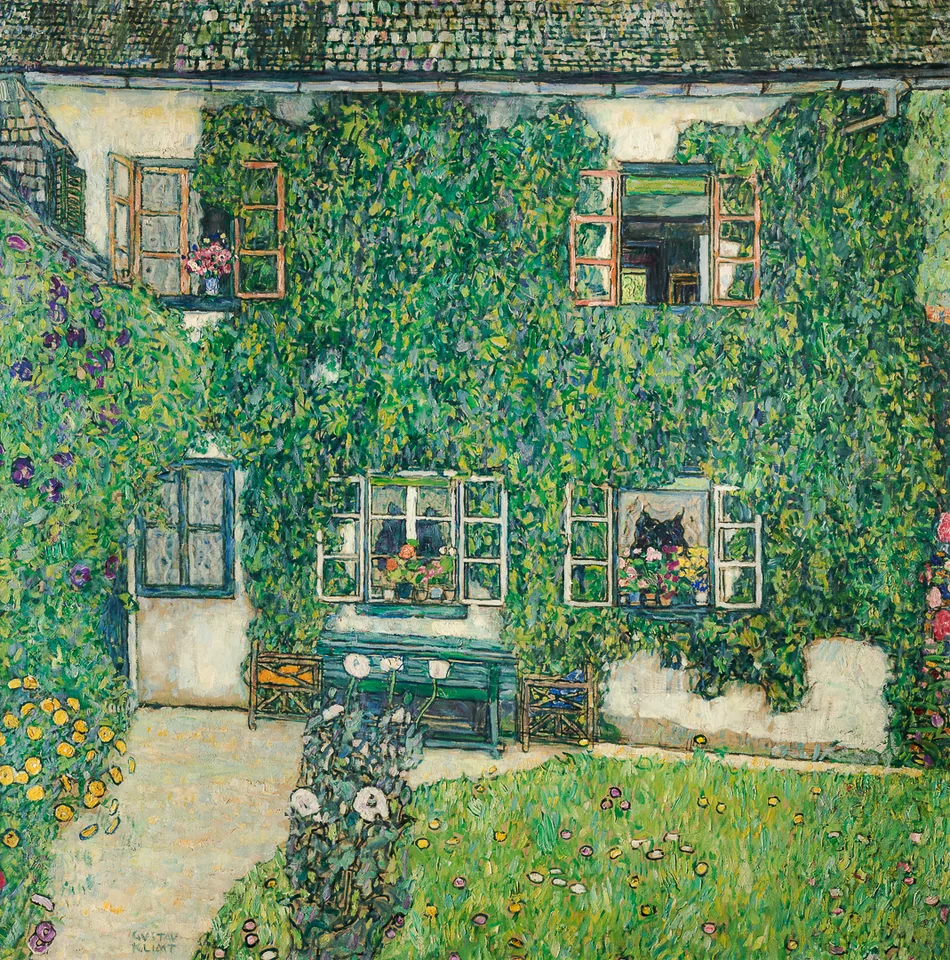
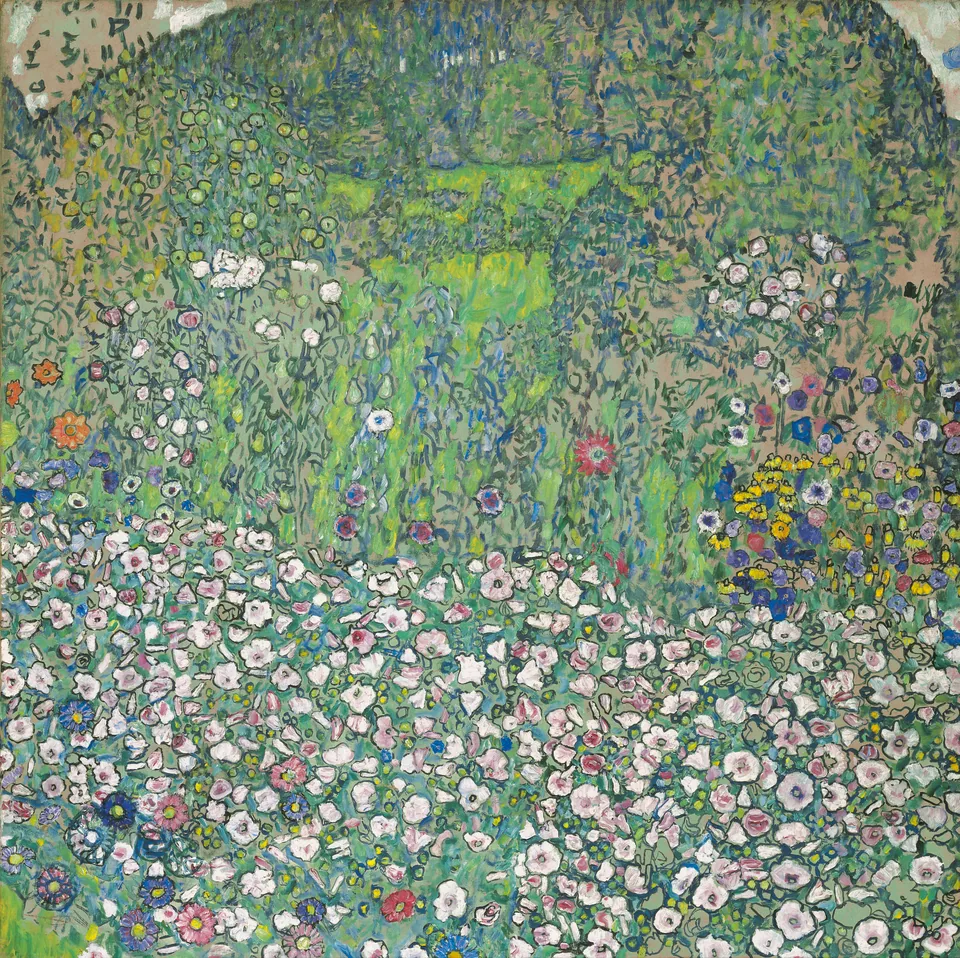
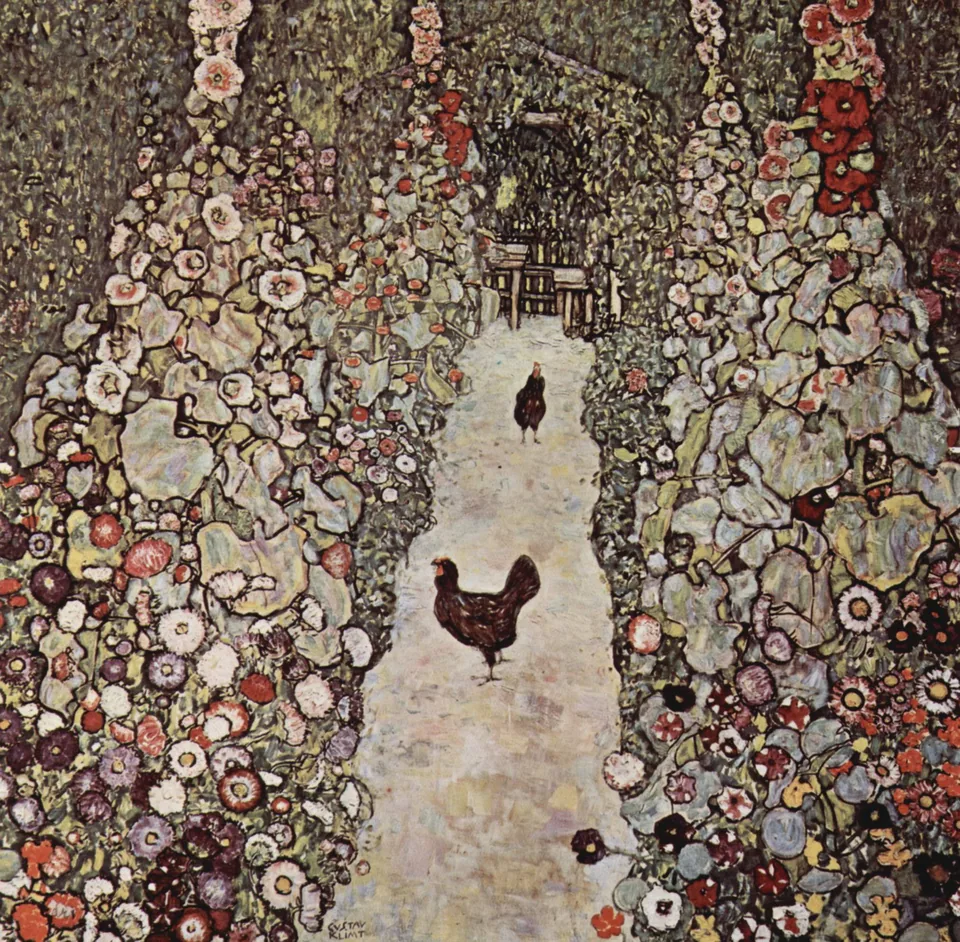
Gustav Klimt painted flowers as dense, mosaic-like arrangements of color, creating square canvases filled with poppies, sunflowers, and blooming fruit trees during his summer retreats at Lake Attersee.
16 works, earliest first. See the complete works
About Klimt’s flowers and gardens
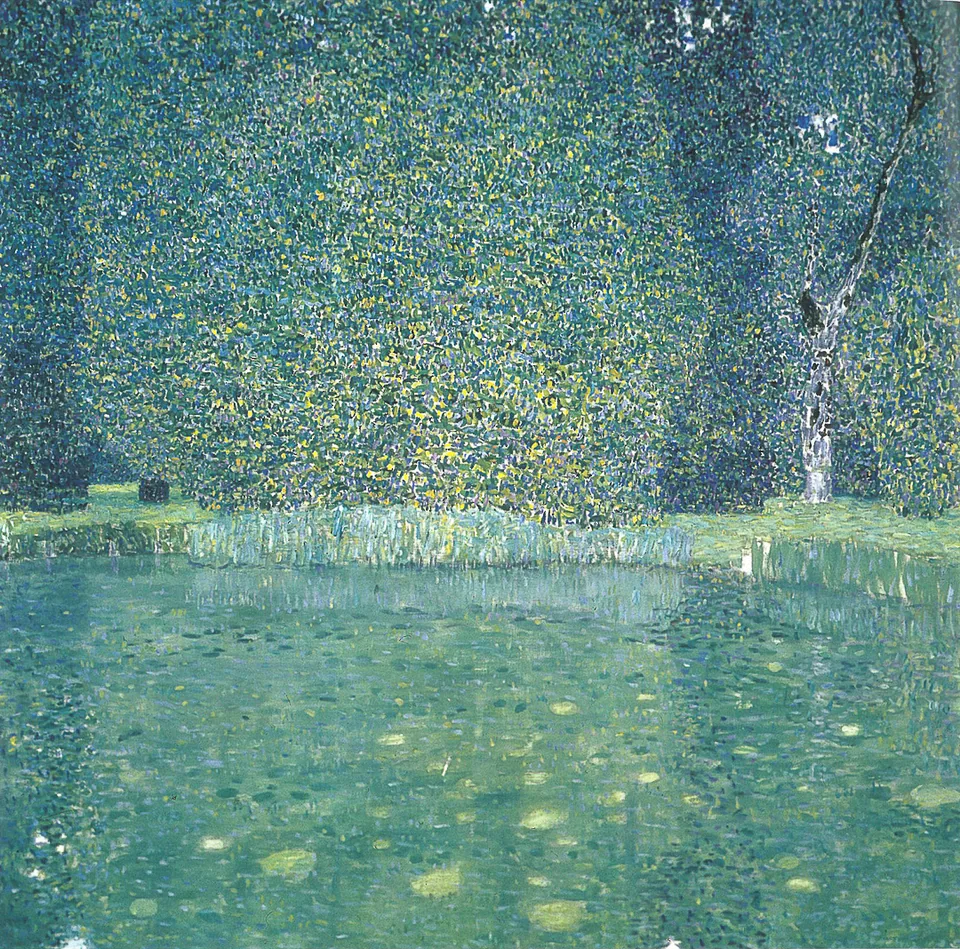
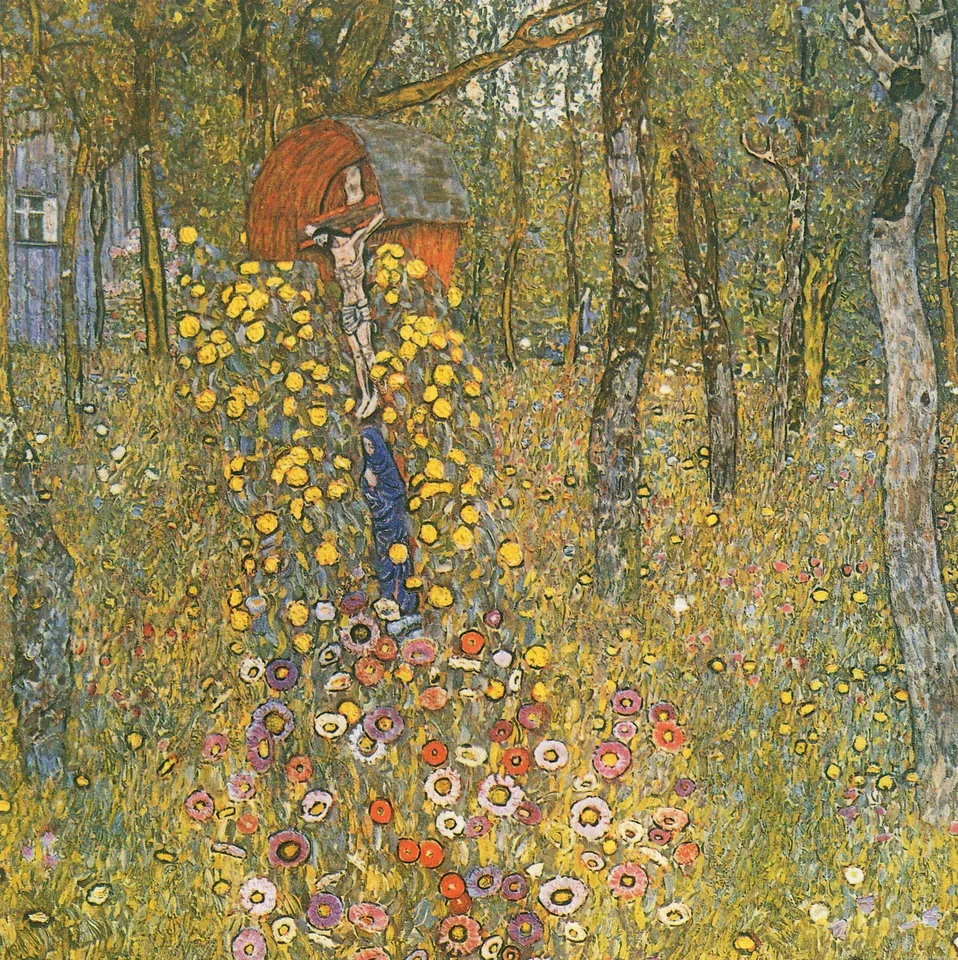
Gustav Klimt painted flowers throughout his summer vacations, turning rural cottage grounds and orchards into dense patterns of color. Aside from figure painting, landscapes and floral gardens were the only subjects that captured his sustained interest. Between 1900 and 1916, he spent his summers on the shores of Lake Attersee with the Flöge family, producing over 50 outdoor works. You can learn more about these summer journeys in our guide to Klimt’s landscapes and the Attersee.
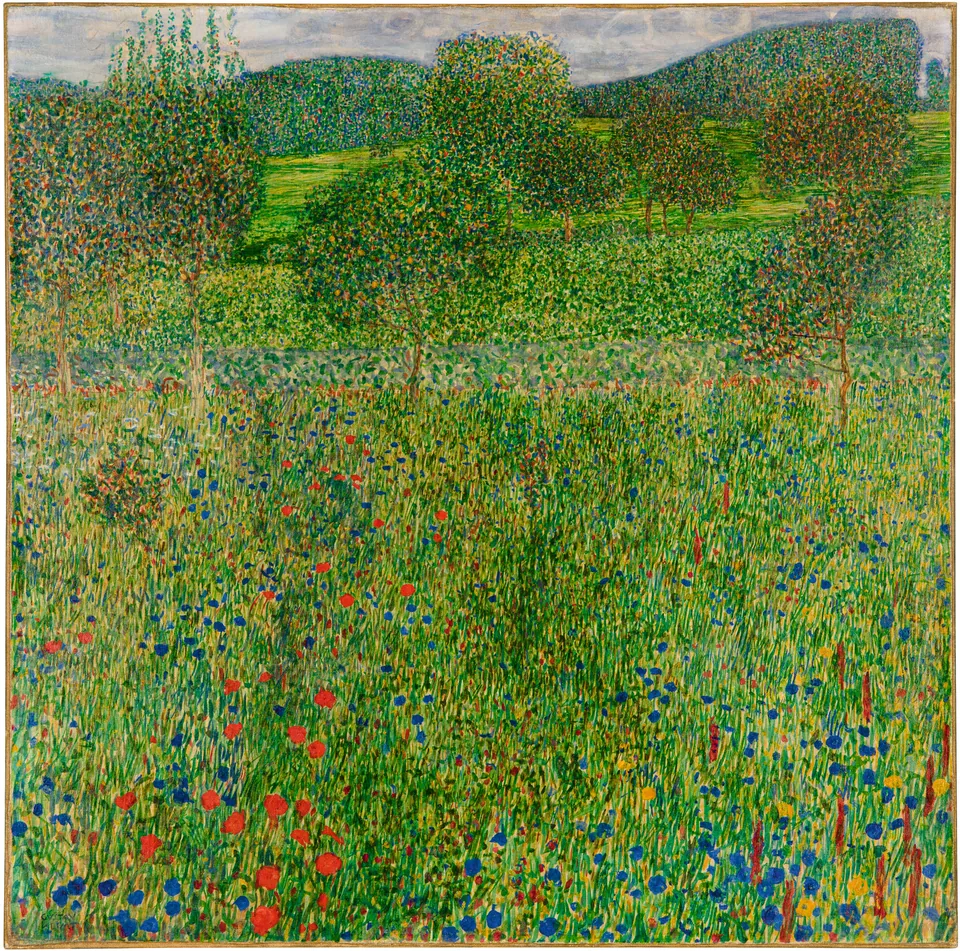
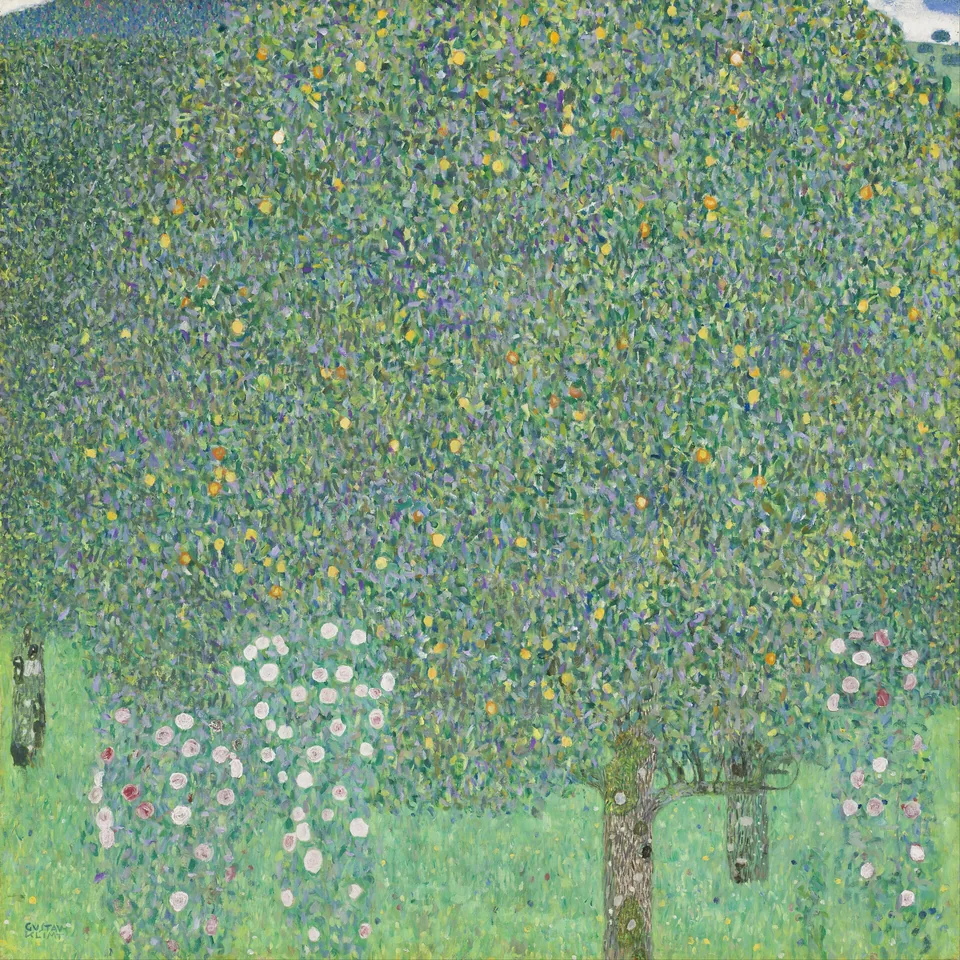
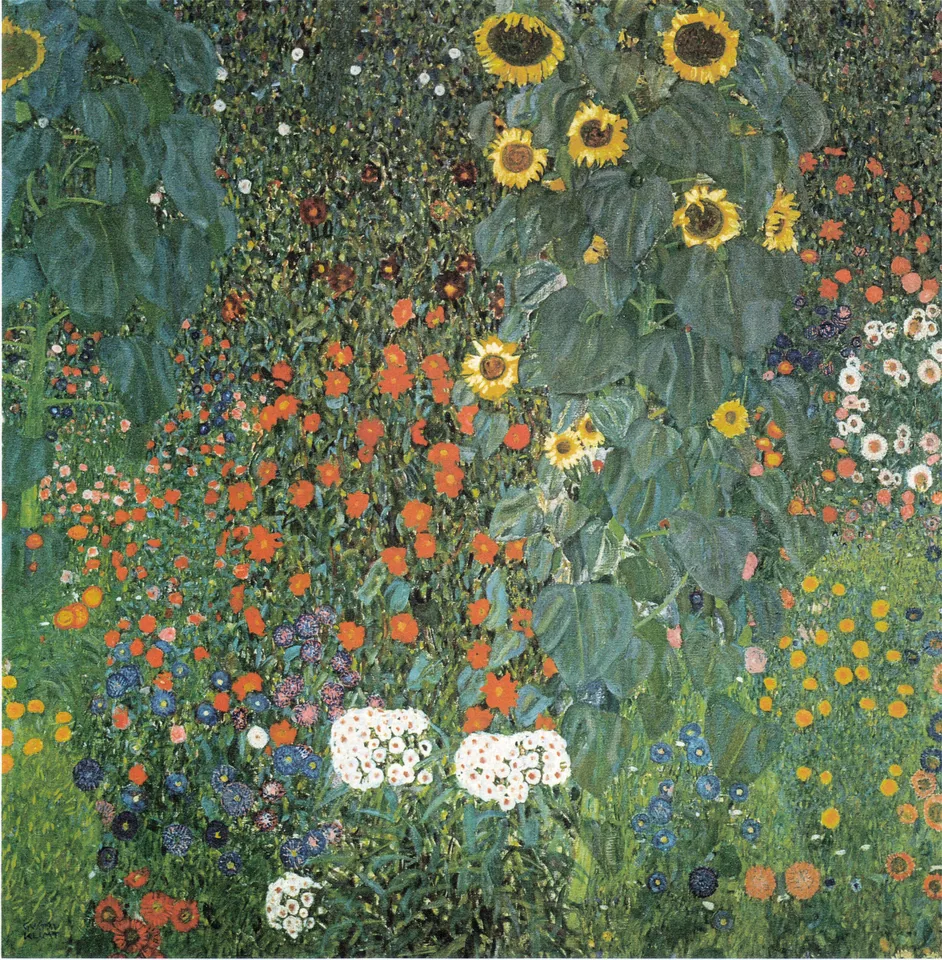
When you look at Klimt’s floral compositions, you see blooms organized across the canvas like a painted mosaic. In Bauerngarten mit Sonnenblumen (1906) and Poppy Field (1907), he filled 110 by 110 centimeter canvases with red poppies, yellow sunflower petals, and green foliage. Critic Stephan Koja observes that works like Rosebushes under the Trees (1905) create a carpet-like structure that spreads across the frame. Instead of creating distant horizons, Klimt flattened space onto a single plane, an effect art historians believe he achieved by observing his subjects through a telescope.
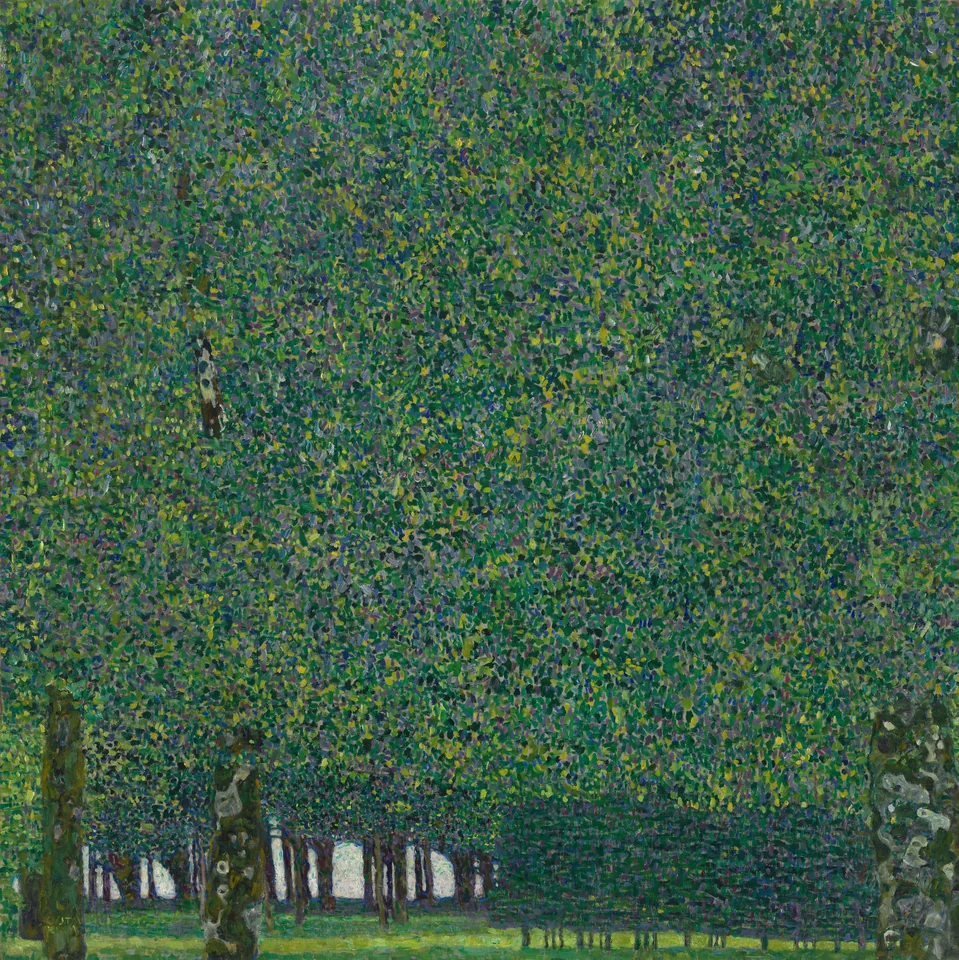
Klimt painted these scenes on square canvases rather than traditional horizontal formats. He walked the Attersee countryside with a cardboard viewfinder, peering through a square cutout to isolate sections of blooming meadows and fruit trees. In his 1903 oil painting Pear Tree, which also incorporates gold leaf, art historian Karen Wilkin notes how repetitive brushstrokes and an underlying geometric structure organize the tree canopy. For broader outdoor views beyond floral beds, browse our collection of landscapes.
Choosing a flower print
Choosing a Klimt floral print brings vibrant color and organized geometry into your living space. Works like Sunflower (1907) or Blossoming Meadow (1908) suit rooms where you want a concentrated focus of yellow, green, and red tones. Because Klimt designed these paintings in square dimensions, they balance well on wide walls, above low furniture, or paired in side-by-side groupings.
Every print in this collection is printed and shipped by ArtsyWall in three formats:
- Premium Canvas wraps the artwork around a sturdy wooden frame, preserving the rich color fields and textured look of Klimt’s original oil surfaces.
- Framed Canvas encloses the stretched canvas inside a finished frame, giving the square floral pattern a clear visual border for your room.
- Archival Paper presents the detailed brushstrokes and mosaic-like flower groupings on smooth, heavyweight paper suited for custom framing under glass.
To select the right dimensions and framing options for your wall space, read our Klimt print buying guide.
Questions and answers
Did Klimt paint flowers?
Gustav Klimt painted flowers across many of his summer landscapes, making gardens and orchards the primary focus outside his portrait work. Starting in the late 1890s, he produced detailed canvases of poppies, sunflowers, blooming meadows, and fruit trees. These outdoor compositions allowed him to experiment with repetitive brushstrokes, vibrant coloration, and flat decorative arrangements that filled the square frame.
Did Klimt paint sunflowers?
Gustav Klimt painted sunflowers in several major works, including his 1907 oil painting titled Sunflower and the 1906 piece Bauerngarten mit Sonnenblumen. Both canvases measure 110 by 110 centimeters and are preserved in the collection of the Belvedere in Vienna. In these works, Klimt used dense brushwork to place tall sunflower heads directly amid clusters of other garden blooms.
Where did Klimt paint his gardens?
Gustav Klimt painted most of his gardens and landscapes along the shores of Lake Attersee in Austria during his summer holidays from 1900 to 1916. He stayed at local properties including Villa Paulick, Villa Oleander, and the Forsthaus in Weissenbach. The surrounding lakeside cottages, meadows, and orchards provided the natural settings for more than 50 landscape paintings.
Why are Klimt's garden paintings square?
Gustav Klimt chose square canvases for his garden paintings instead of traditional horizontal landscape formats. He used a handheld cardboard viewfinder with a square cutout to frame his subjects around Lake Attersee. Art historians note that this square boundary supported Klimt's underlying geometric structure, flattening distant orchard trees and foreground floral beds onto a single decorative plane.