Klimt Allegory and Symbolist Prints
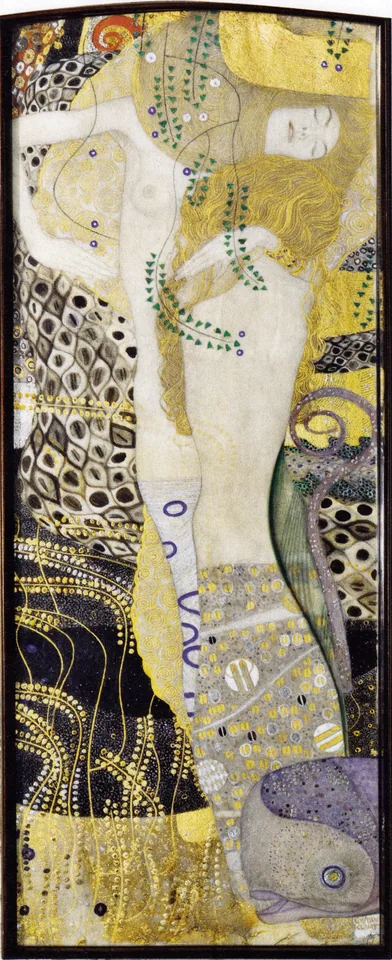
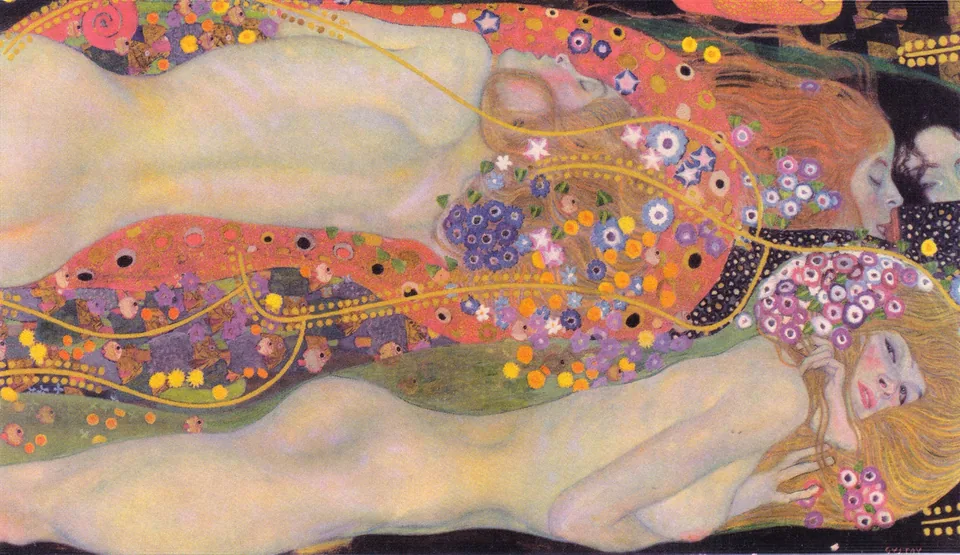
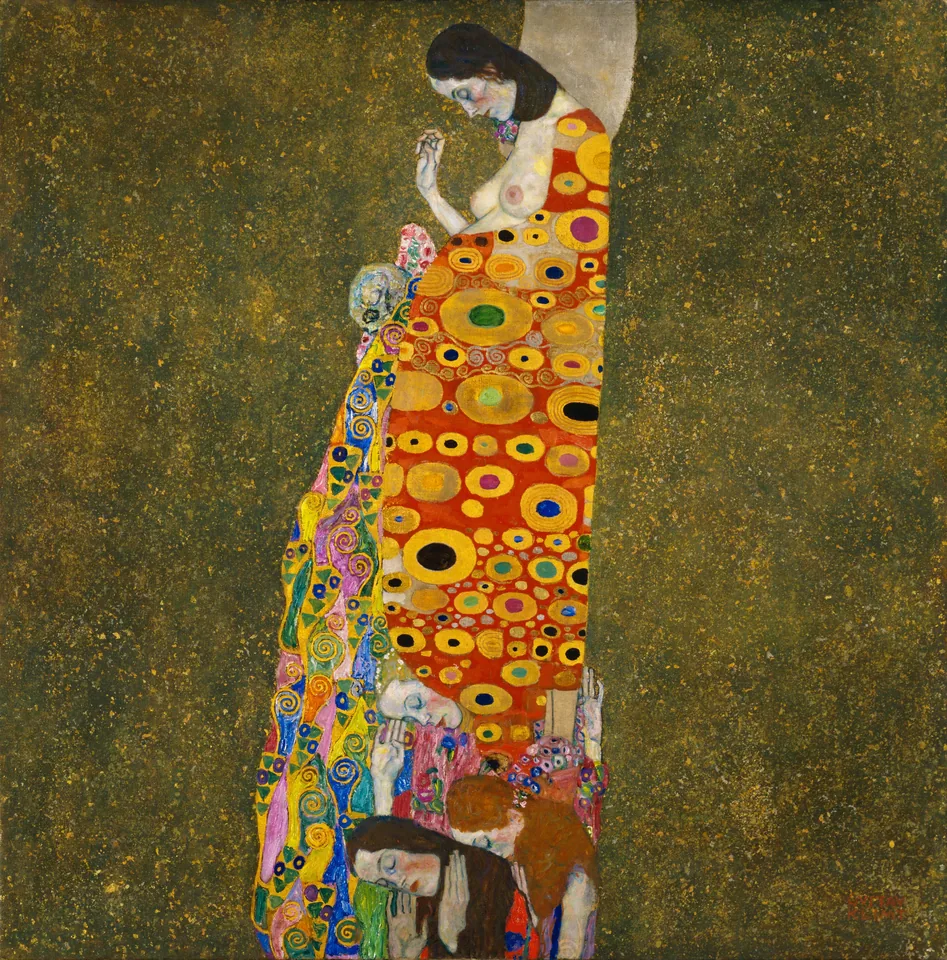
Klimt allegories translate human experiences such as mortality, fertility, and hope into bold figures and decorative patterns. This collection offers prints of his symbolic works, including Death and Life, The Maiden, Hope II, and The Three Ages of Woman.
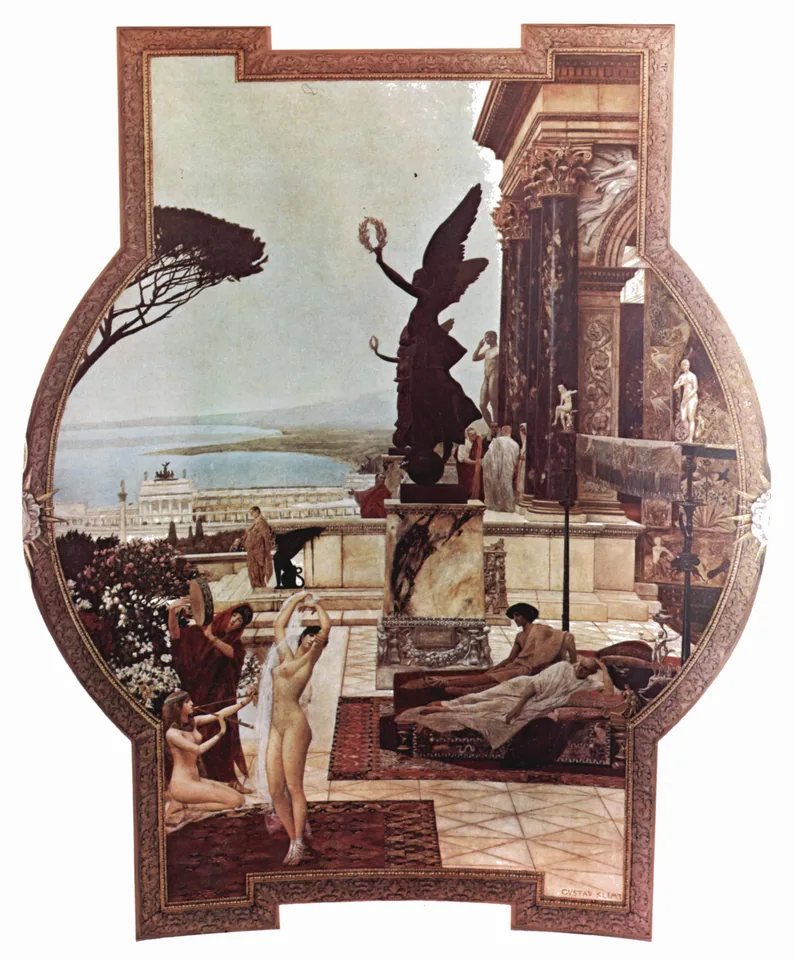
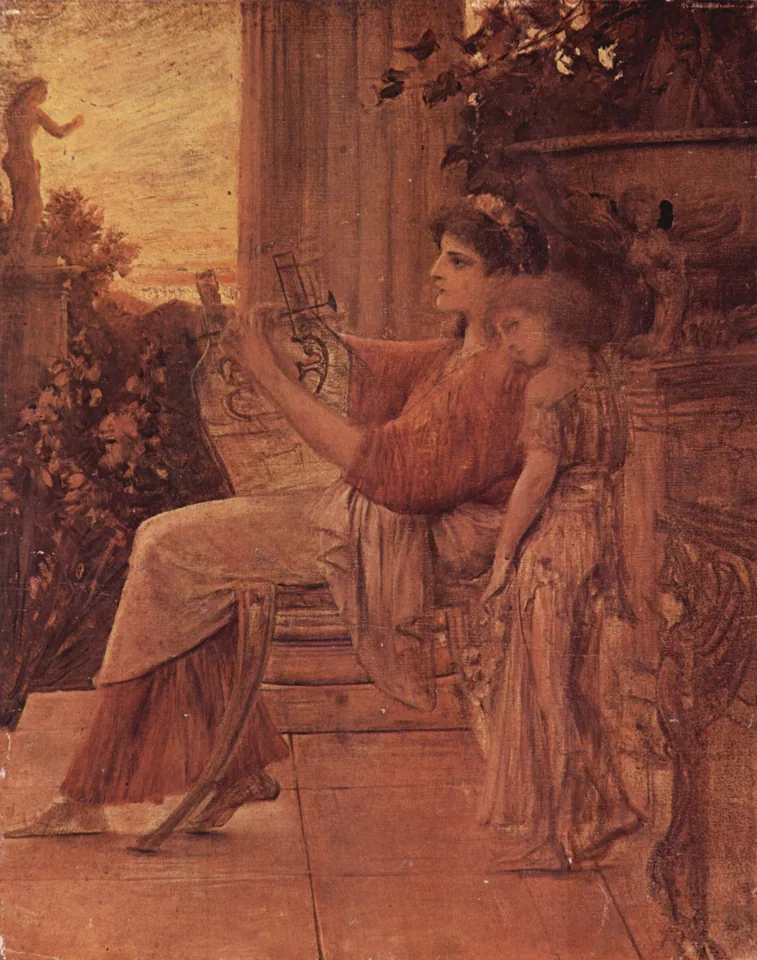
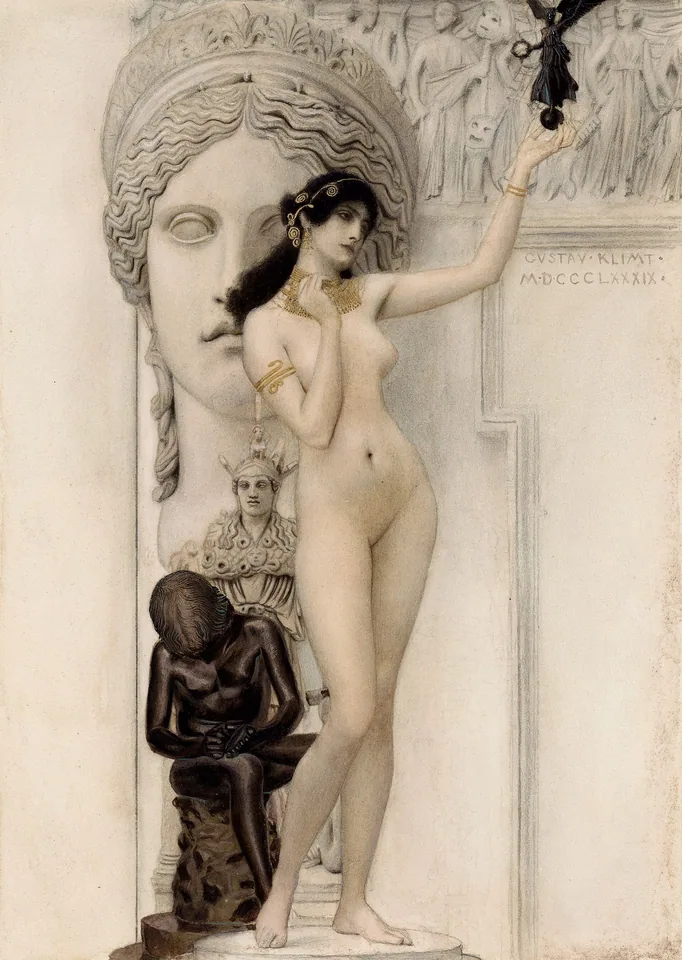
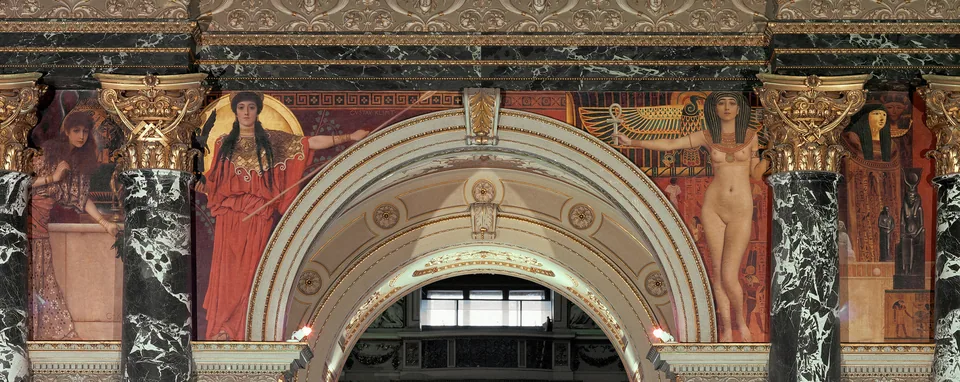
51 works, earliest first. See the complete works
About Klimt’s allegories
Klimt allegories use symbolic human figures and stylized patterns to explore fundamental themes of life, death, fertility, and truth. In works like Death and Life and The Maiden, Klimt contrasted dark forces with rich colors and decorative forms to address human existence.
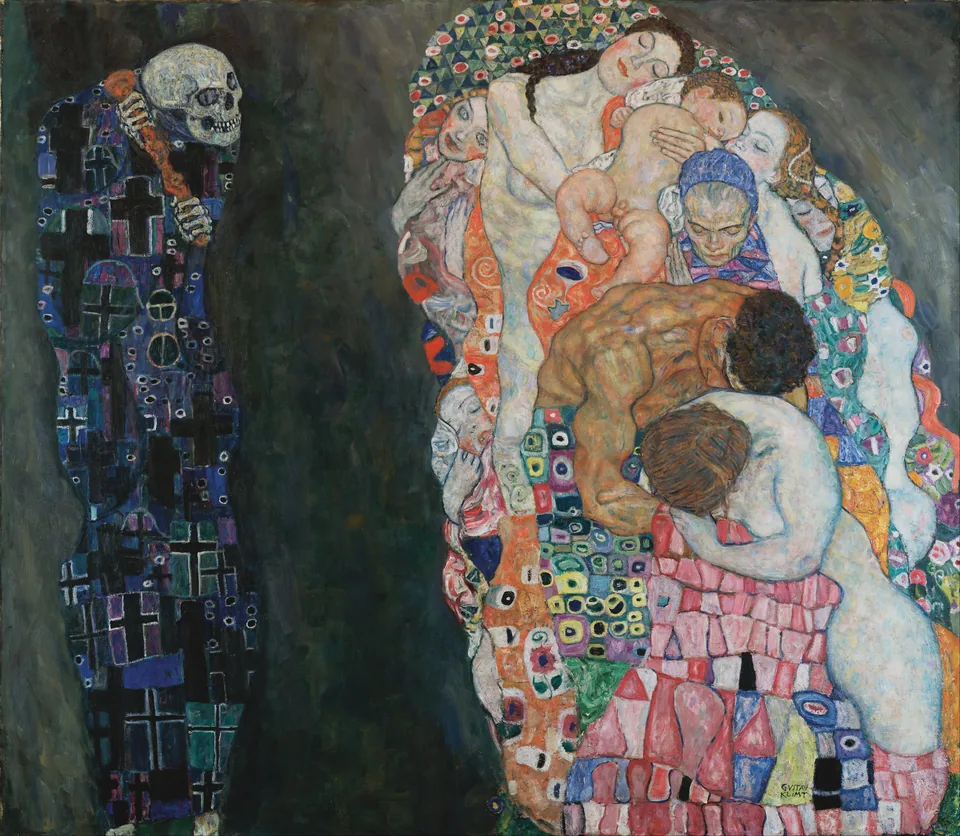
In his oil painting Death and Life, painted between 1910 and 1915, Klimt placed a menacing Grim Reaper on the left. The figure stands wrapped in a dark robe patterned with crosses, looking toward a group of sleeping people on the right. Klimt originally painted a golden background, but in 1915 he changed it to grey and added mosaics. Despite the presence of death, hope predominates as men, women, and a child huddle together in bright, patterned fabrics.
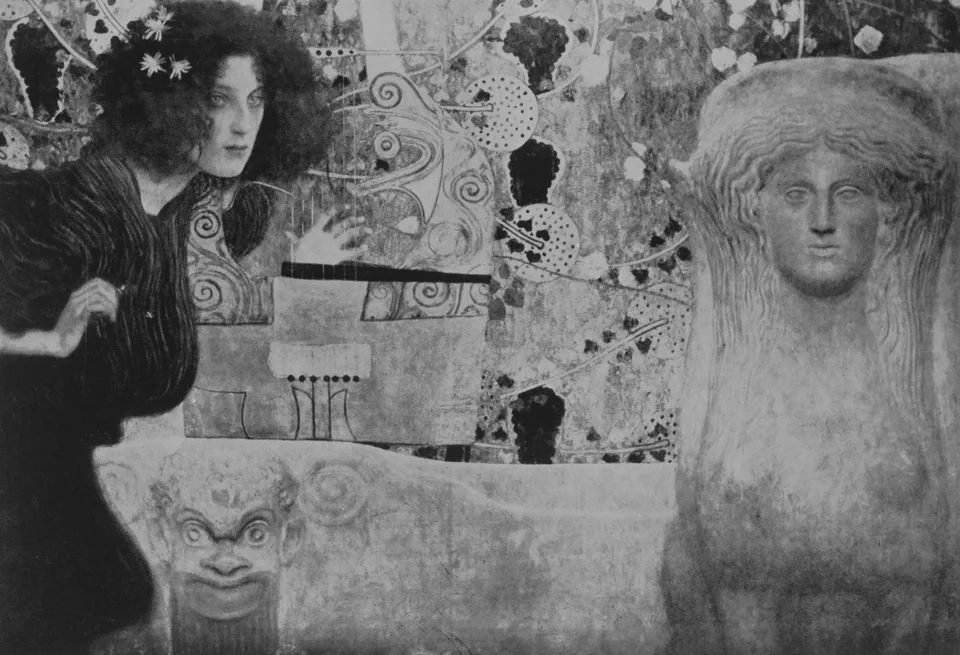
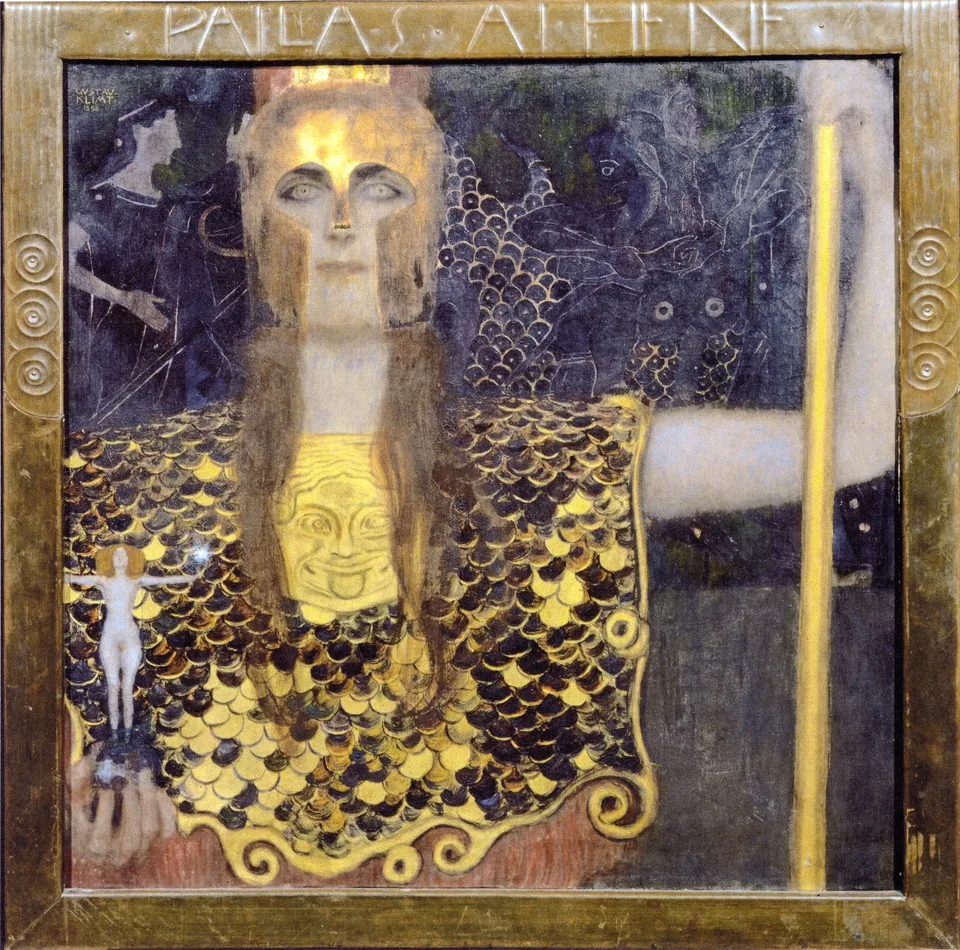
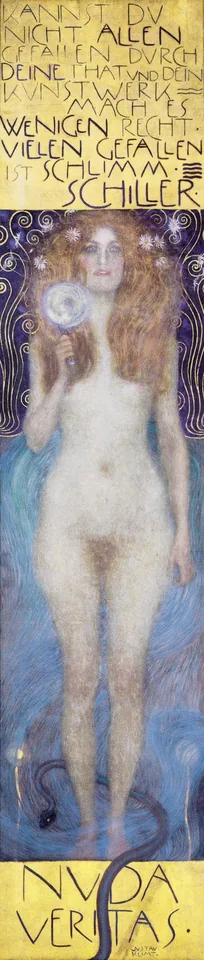
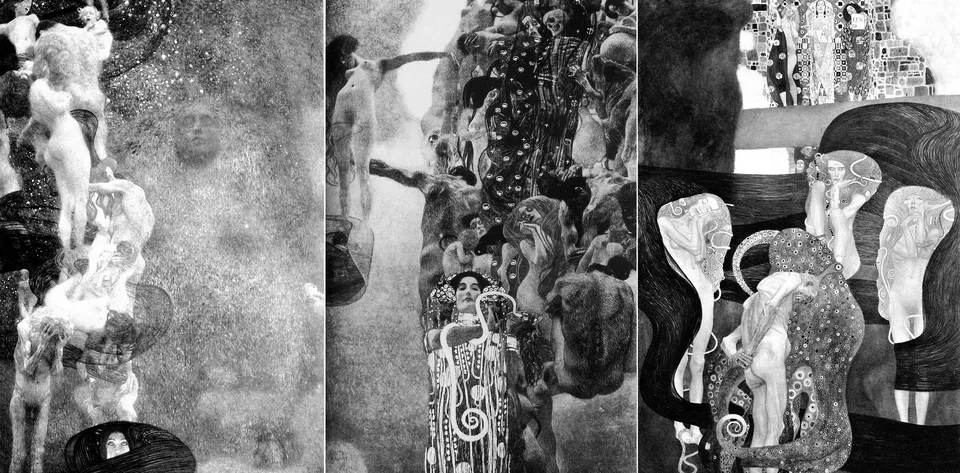
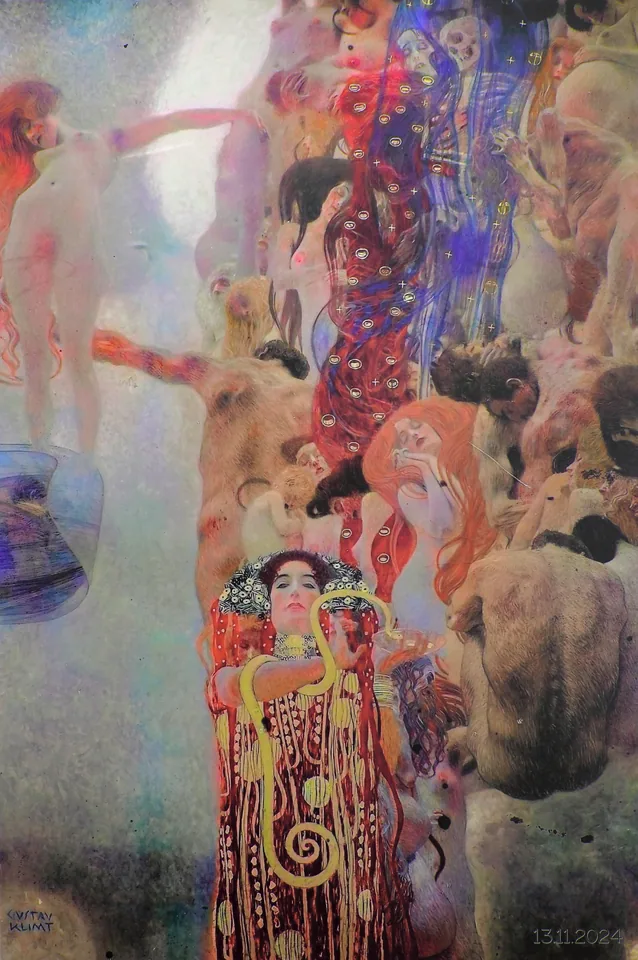
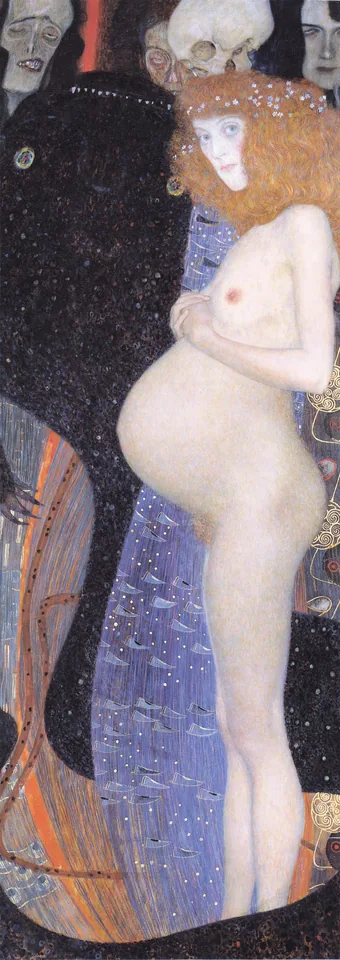
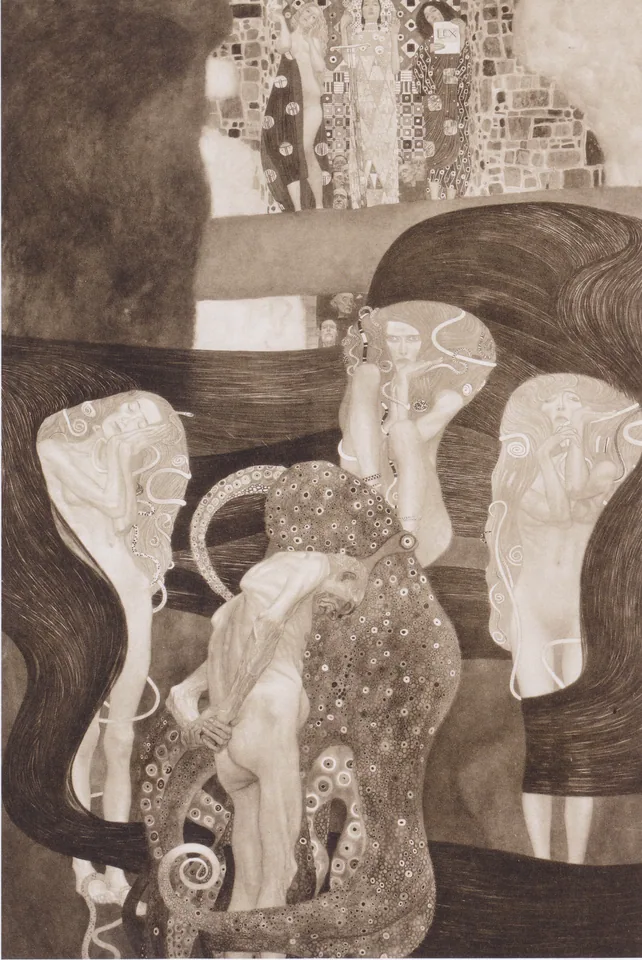
Klimt often represented existential ideas through the female form, which you can explore further in our guide to /klimt-women/. In Hope I (1903), a pregnant model named Herma wears forget-me-not flowers while a skull floats above her amid swirling figures representing sickness, madness, and old age. Klimt returned to this subject in 1907 with Hope II. His early allegory Pallas Athena (1898) depicts the goddess holding a nude Nuda Veritas with a mirror, while her breastplate displays an archaic Medusa head. This provocative symbolism also defined his 1907 work Medicine, painted for the University of Vienna and discussed in our guide to the /university-paintings/.
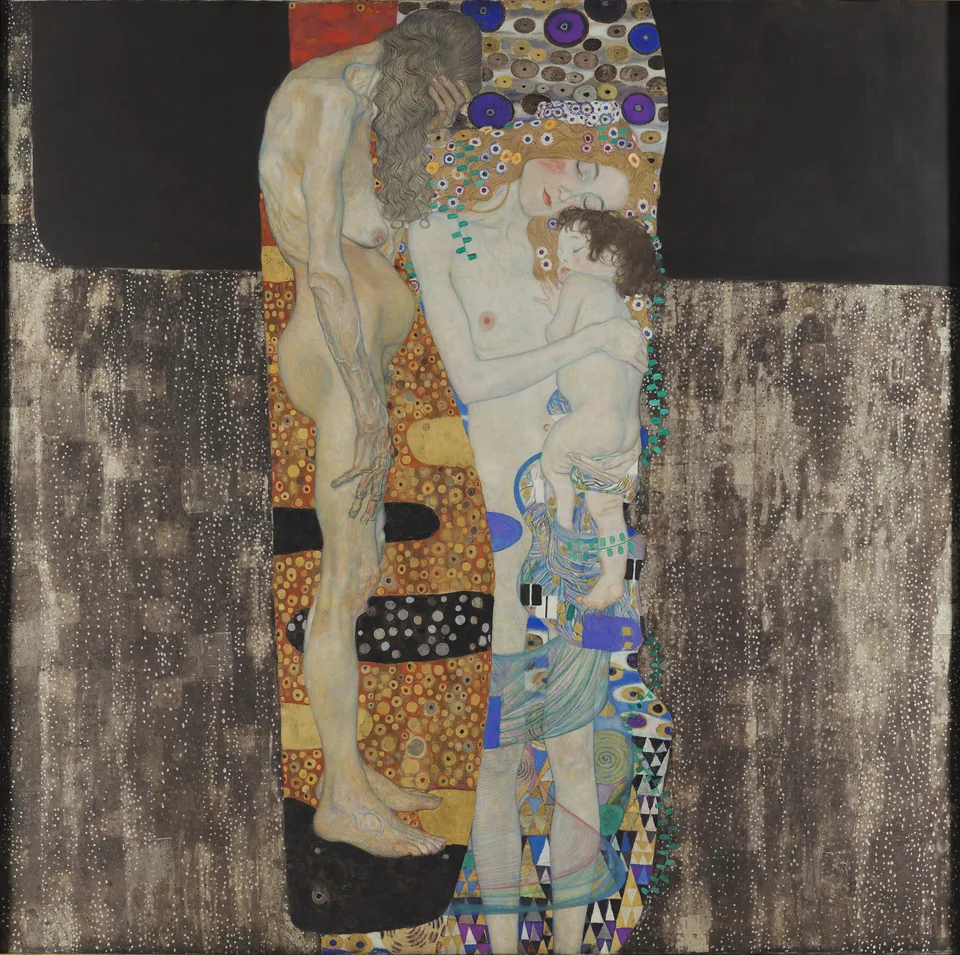
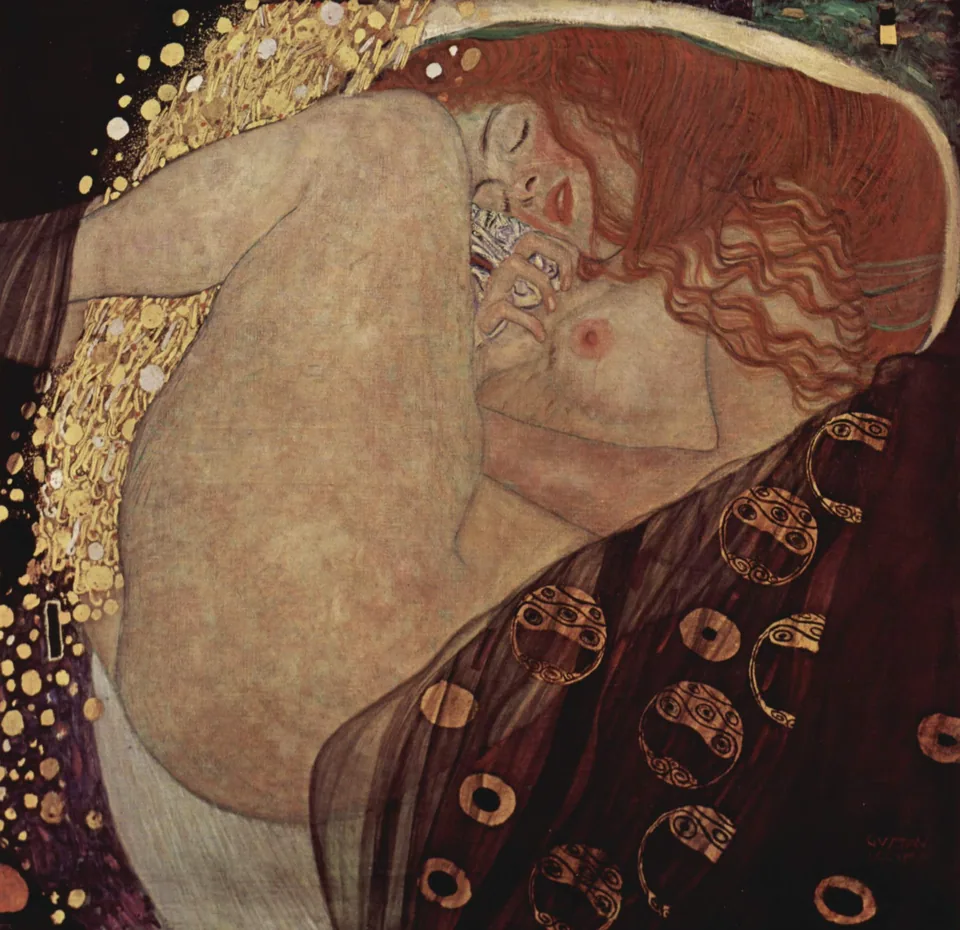
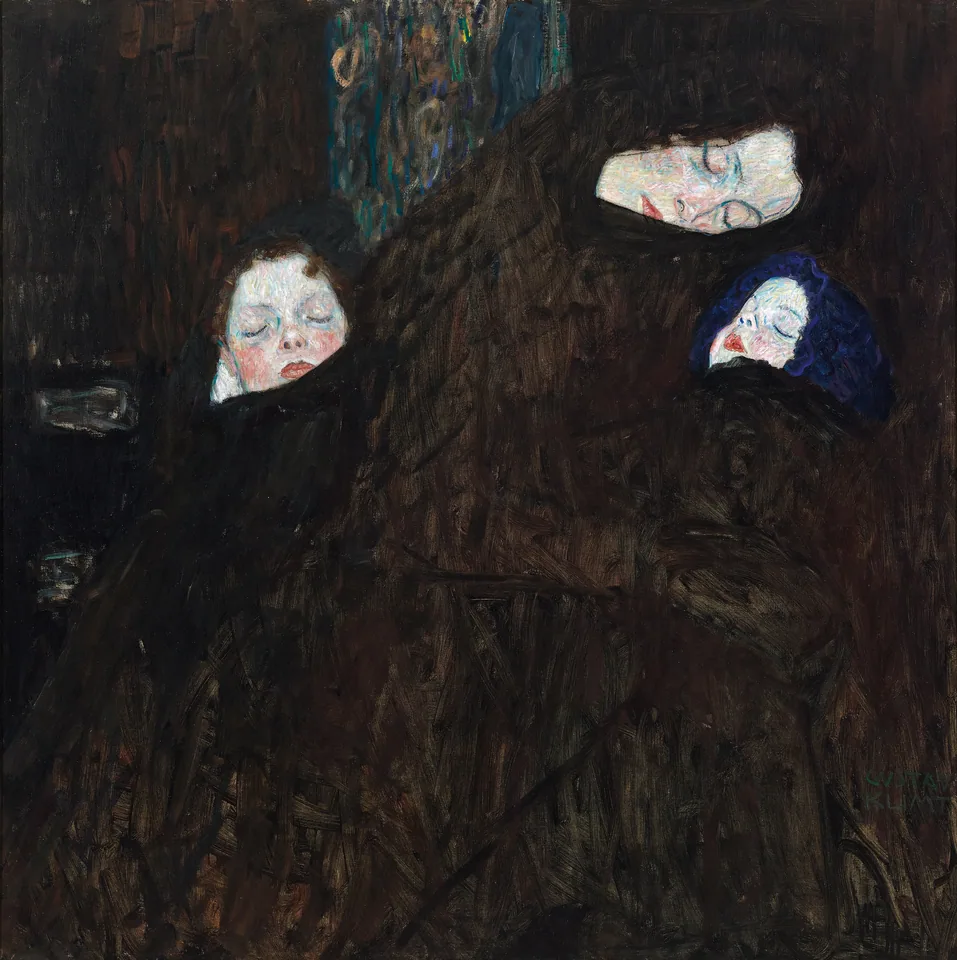
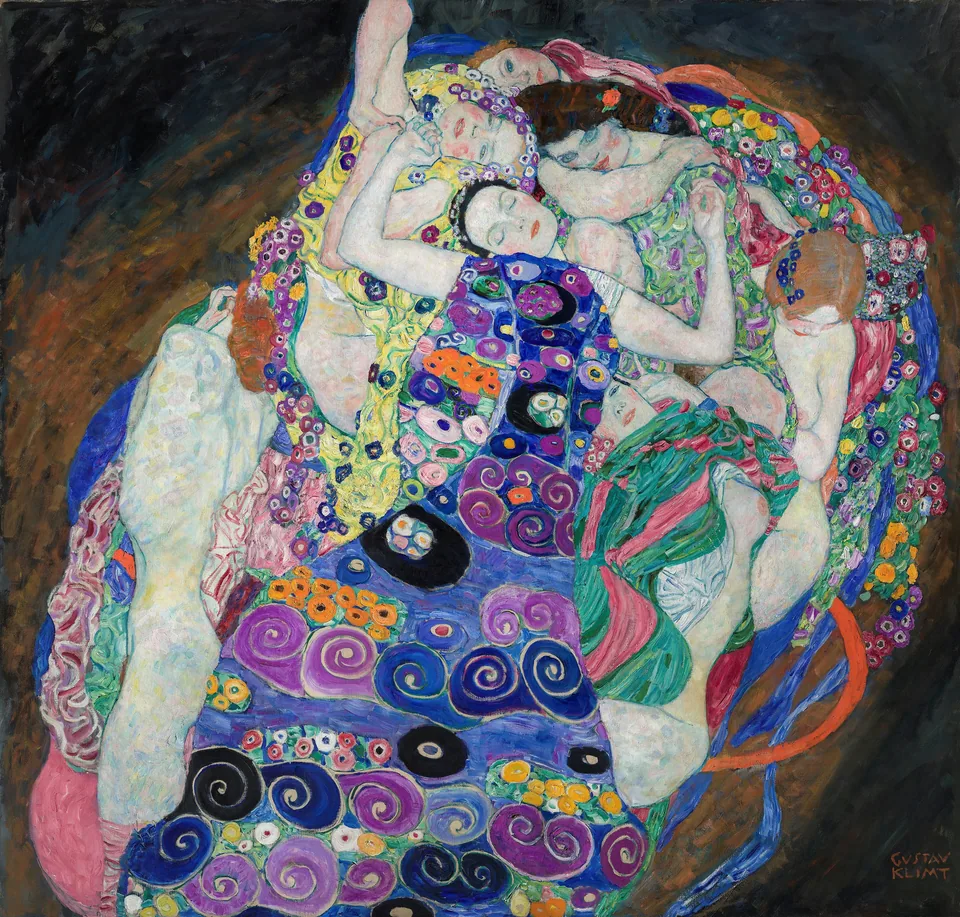
In The Maiden (1913), a central sleeping figure rests in blue fabric, surrounded by six interlaced women who represent distinct stages of life. Bright flowers across the canvas signify the transition into womanhood, while spiral patterns on the gown indicate fertility and change. Other allegorical works from the 1900s, including the 1905 square canvas The Three Ages of Woman and the 1907 painting Danaë, share the decorative stylization of Klimt’s /golden-phase/.
Choosing an allegory print
When you choose an allegory print for your home, consider how its composition and color palette fit your space. Square formats like the 1905 composition The Three Ages of Woman and the 110.5-centimeter Hope II create a balanced center on wide walls. Darker pieces like Death and Life draw attention through their strong contrast between grey backgrounds and vibrant human clusters.
All prints on this page are printed and shipped by ArtsyWall in three formats: Premium Canvas, Framed Canvas, and Archival Paper. Premium Canvas provides a stretched presentation with a clean edge. Framed Canvas arrives ready to hang in a solid frame, while Archival Paper suits traditional glass framing.
Questions and answers
What is an allegory in Klimt's work?
An allegory in Gustav Klimt's work is an artwork that uses human figures and symbolic motifs to personify abstract concepts such as mortality, truth, and growth. For instance, in Death and Life, a Grim Reaper represents death while resting figures signify living generations. In The Maiden, six interlaced women represent specific life stages, while spiral patterns indicate fertility and change.
What does Klimt's Death and Life mean?
Gustav Klimt's Death and Life portrays the balance between human mortality and the continuation of human life. The composition features a dark, menacing Grim Reaper personifying death, watching over a cluster of sleeping human figures of various ages. Although death stands beside them, hope predominates throughout the painting, showing human beings joined together rather than consumed by fear.
What does Klimt's The Maiden represent?
Gustav Klimt's 1913 painting The Maiden represents womanhood, fertility, and human growth. The canvas depicts a central figure in blue accompanied by six interlacing women, with each woman representing a particular life stage. Abundant flowers throughout the composition symbolize the evolution into womanhood, while spiral patterns across the gown signify fertility, transformation, and universal evolution.
Where is Klimt's Hope II?
Gustav Klimt's painting Hope II is held in the Museum of Modern Art. Klimt completed the square oil painting in 1907 on a canvas measuring 110.5 by 110.5 centimeters. The artwork continues the allegorical themes of pregnancy and mortality that Klimt examined in his 1903 painting Hope I, which resides in the National Gallery of Canada in Ottawa.