Can You Buy an Original Klimt Painting?
You can rarely find an original Gustav Klimt painting for sale because almost all of his works hang in public museums or tight private collections. When an original does enter an auction room, private sales and bids reach tens of millions.
Can you buy an original Klimt?
You can rarely find an original Gustav Klimt painting for sale, as the vast majority of his oil paintings belong to public museum collections. Klimt died in 1918, leaving behind a finished body of work that cannot expand. When an original painting does appear on the market, it commands tens or hundreds of millions of dollars. Only eight paintings by the artist appear on the public list of artworks sold for more than 50 million US dollars.
Most private sales occur only after legal restitution or the settlement of historic estate holdings. In 2006, an Austrian arbitration panel ordered the return of five paintings to Maria Altmann, the niece of original owner Ferdinand Bloch-Bauer. Maria Altmann expressed a public wish that no private collector would acquire the group. Despite that wish, all of the works except one entered private collections.
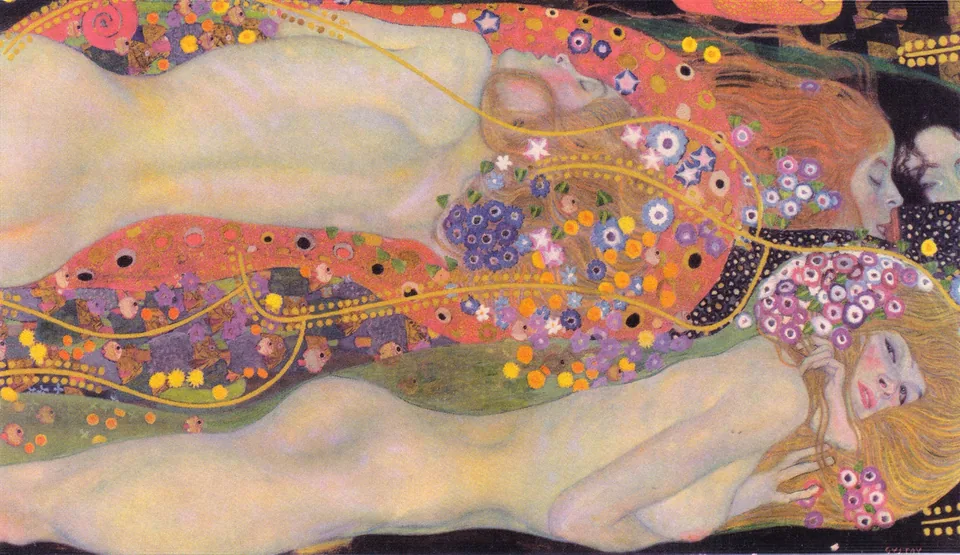
Private collectors also trade paintings away from auction houses through confidential deals. In 2013, Ursula Ucicky reached a settlement under the Washington Principles with the heirs of Jenny Steiner regarding Wasserschlangen II. The painting was then sold privately by Yves Bouvier to Dmitry Rybolovlev for $183.8 million. If you seek to acquire an original oil by Klimt today, you must wait years for a major collection to disperse, and you will face competition from billionaires and private foundations.
Record sales of Klimt paintings
High-value market transactions for Klimt works center on two specific genres: portraits of Viennese society women and late landscapes that approach visual abstraction. The prices paid for these canvases rank among the highest recorded in art history.
Several landmark sales demonstrate how high bidding climbs when a rare canvas reaches collectors:
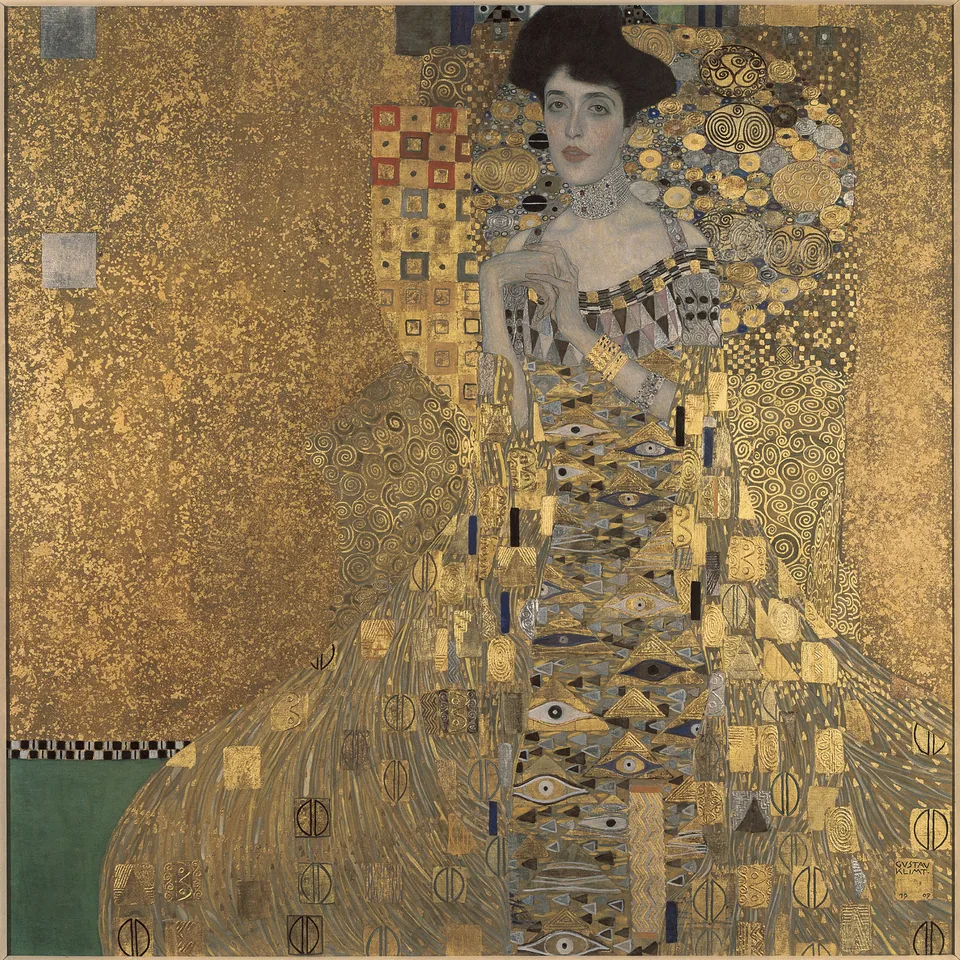
- Portrait of Adele Bloch-Bauer I: In a private sale arranged through Christie’s on 18 June 2006, Maria Altmann sold the gold-patterned canvas to Ronald Lauder for US$135 million. The purchase set a record as the most expensive painting sold in the world at that date. Lauder placed the work on permanent display at the Neue Galerie New York, an institution he co-founded. You can read more about this piece in our guide to the /woman-in-gold/.
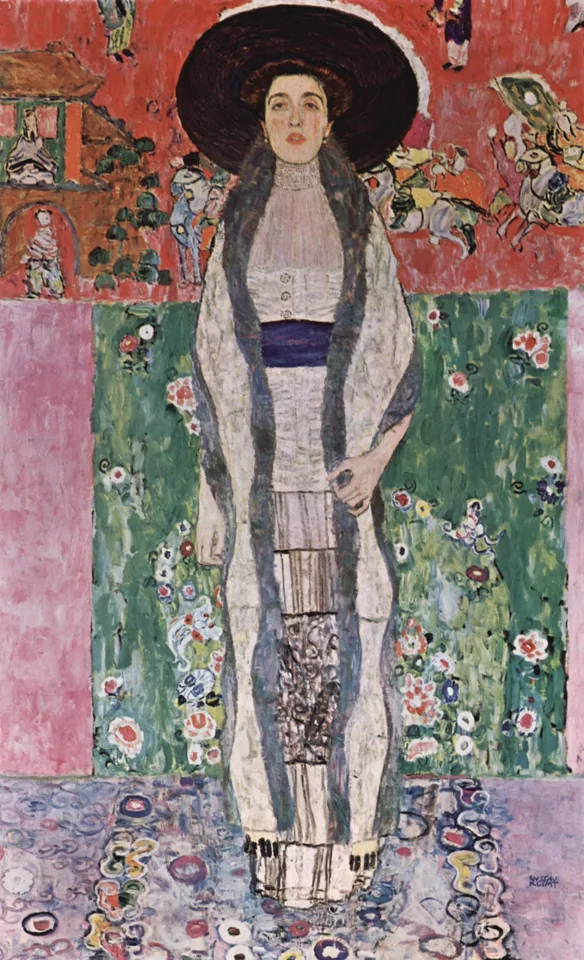
- Portrait of Adele Bloch-Bauer II: In November 2006, Christie’s auctioned the second portrait of Adele Bloch-Bauer for US$87.9 million to Oprah Winfrey. The price made it the fourth-highest work of art sold at auction at that time. During the summer of 2016, Oprah Winfrey sold the canvas through art dealer Larry Gagosian to an unidentified Chinese buyer for $150 million. That sale ranked tenth among the highest prices ever paid for a painting at that point.
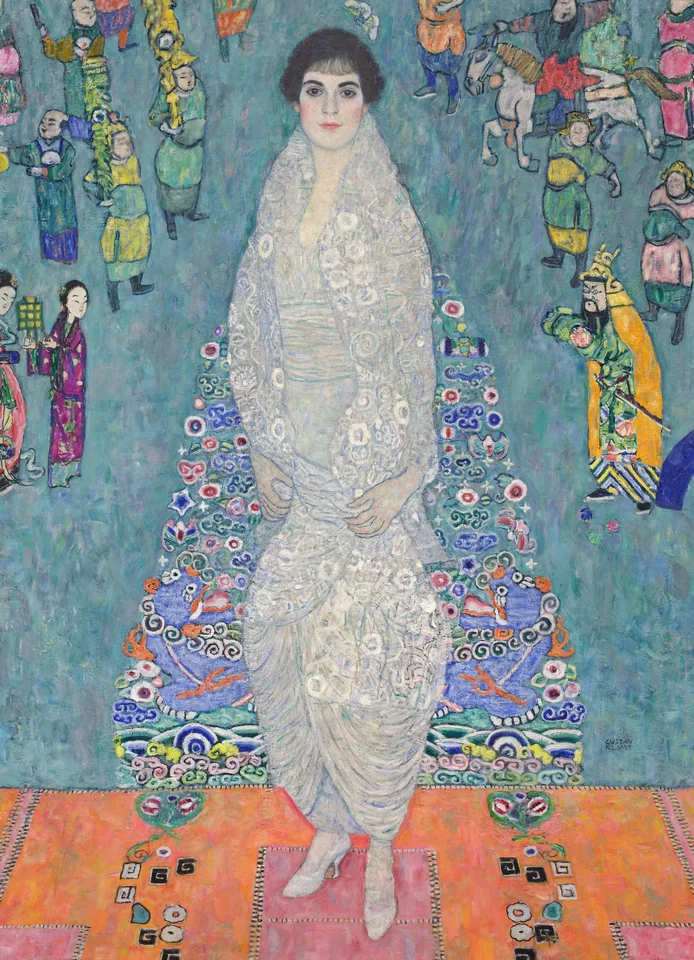
- Portrait of Elisabeth Lederer: August and Serena Lederer originally commissioned this work in 1914, paying Klimt 35,000 crowns. Restituted to Erich Lederer in 1948, it was sold in 1983 to art dealer Serge Sabarsky. Collector Leonard Lauder acquired the portrait in 1985 for an undisclosed amount, keeping it in his New York collection until his death. On 18 November 2025, Sotheby’s New York sold the portrait from the Estate of Leonard Lauder for US$236.4 million. The transaction made it the most expensive modern artwork and the second most expensive artwork ever sold at auction.
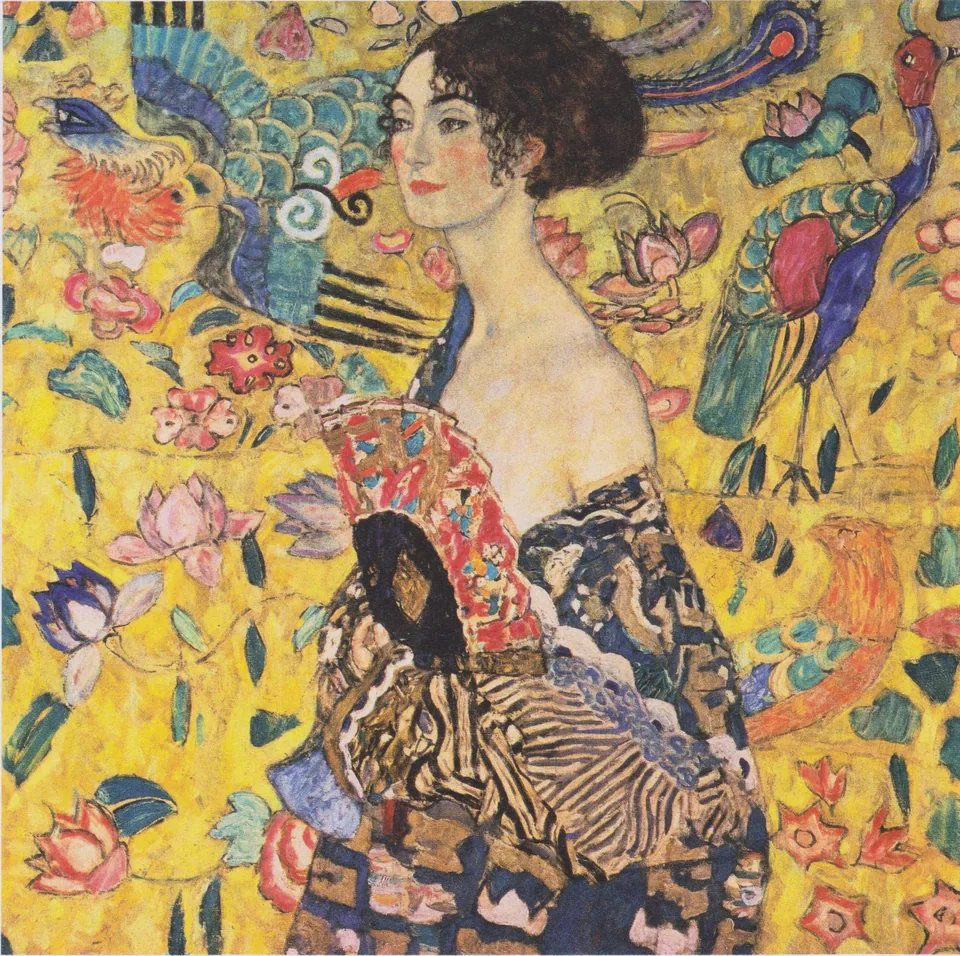
- Lady with a Fan: On 11 May 1994, Sotheby’s sold Lady with a Fan from Wendell Cherry’s collection for $11.6 million with fees. On 27 June 2023, Sotheby’s in London auctioned the canvas again for £85.3 million ($108.4 million, €99.2 million). Art dealer Patti Wong bought the painting on behalf of a Hong Kong collector, establishing an auction record for Klimt and setting Europe’s highest public art auction price at that time.
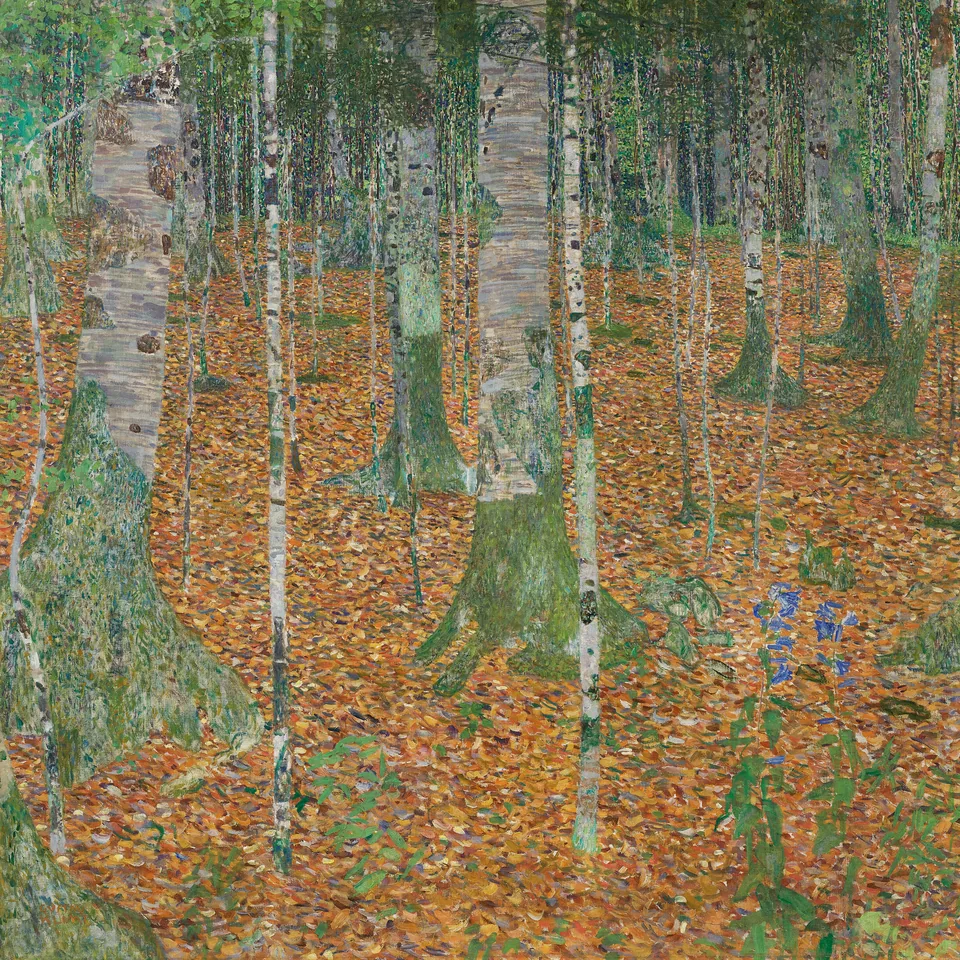
- Birch Forest: Also known as Buchenwald, this forest scene sold at Christie’s in November 2006 for US$40.3 million. On 9 November 2022, the Paul G. Allen collection brought Birch Forest to Christie’s in New York, where it sold for $104.5 million. The German Wikipedia records the sale at 104.6 million US dollars. At the time of the 2022 sale, it stood fifth among the most expensive paintings sold in art history.
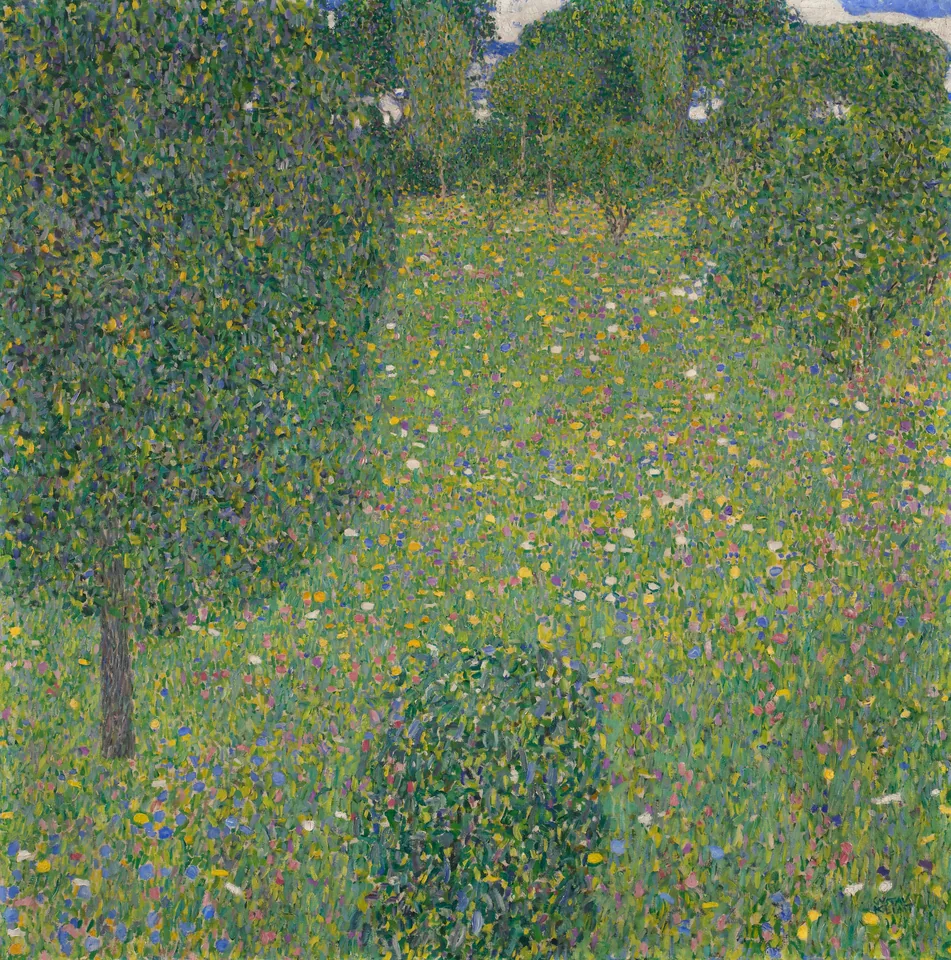
Other restituted works have achieved major sums. In November 2006 at Christie’s, Apfelbaum I sold for US$33 million into a private collection, while Häuser in Unterach am Attersee sold for US$31 million. On 18 November 2025, Sotheby’s New York sold Blossoming Meadow from the Estate of Leonard Lauder for $86.0 million.
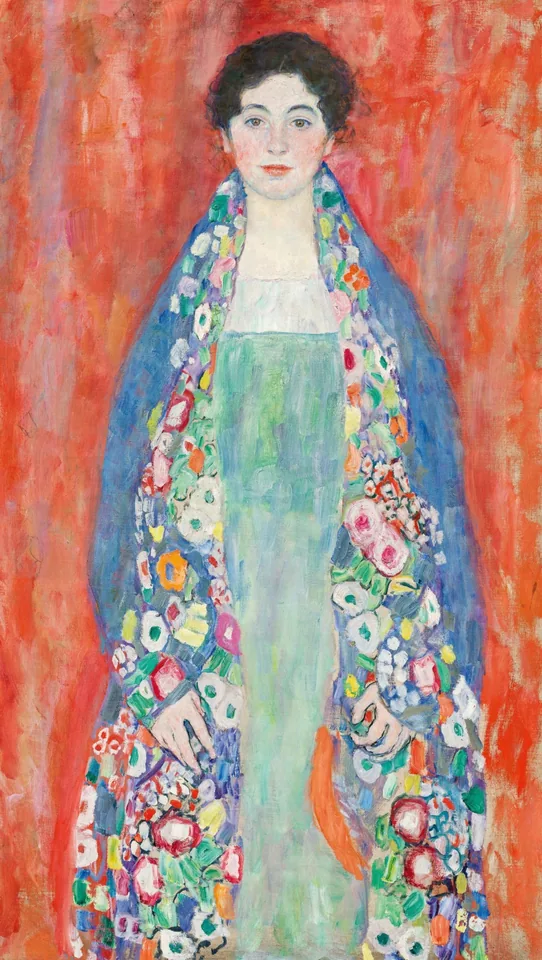
Provenance questions also affect sales. Portrait of Fräulein Lieser remained unsigned in Klimt’s studio upon his death in 1918 and was presumed lost until it resurfaced in 2024. On 24 April 2024, the im Kinsky auction house in Vienna sold it under the Washington Principles for €30 million to a private collector. In April 2025, the anonymous Hong Kong buyer withdrew the work from the auction sale due to unresolved doubts over its ownership history.
Why Klimt paintings cost so much
Klimt paintings cost so much because the supply of genuine works is strictly fixed. The artist died in 1918 at the age of 55, ending his production during his mature decorative period. The surviving catalogue of completed canvases is small compared to prolific modern painters.
Only two full-length commissioned portraits by Klimt remain in private hands: Portrait of Adele Bloch-Bauer II and Portrait of Elisabeth Lederer. Every other major full-length portrait hangs inside a museum gallery. When one of these two works enters an auction room, collectors know that another opportunity may not appear for decades. You can trace the locations of his surviving works across our index of /paintings/.
Restitution settlements under international standards like the Washington Principles have also concentrated market attention. Works returned to the heirs of collectors such as Ferdinand Bloch-Bauer or Jenny Steiner carry documented histories. Because buyers value legal clarity, restored canvases spark intense bidding between private collectors and public institutions.
Non-profit foundations also remove works from commercial circulation. Ursula Ucicky established the non-profit Klimt-Foundation in September 2013 using proceeds from the settlement of Wasserschlangen II. At its founding, the foundation inventory held four oil paintings and ten drawings. The Klimt-Foundation does not engage commercially in the art market and maintains around 90 objects in its inventory, ensuring those items never reach open sales.
Klimt drawings
While Klimt oil paintings rarely surface, his original drawings represent a distinct area of his artistic production. Klimt produced thousands of preparatory sketches in pencil, graphite, chalk, and charcoal. He used these works on paper to plan the poses, garments, and complex anatomical lines for his large oil compositions.
Drawings also passed through restitution proceedings. In 2006, the Austrian restitution committee recommended the return of 16 Klimt drawings previously held by Ferdinand and Adele Bloch-Bauer at the Galerie Belvedere. Original drawings by the artist appear at specialized auctions more frequently than his paintings, though high-grade sheets with strong provenance remain rare. You can view reproductions of his graphic work in our collection of /drawings/.
Are Klimt prints valuable?
A modern Gustav Klimt print holds no financial resale value, and you should view it strictly as home decor rather than an investment. Commercial reproductions do not appreciate in price, nor do they function as secondary market assets. Anyone claiming that a modern paper or canvas print of Klimt will gain value over time is incorrect.
What a print does offer is visual fidelity and aesthetic pleasure. Klimt died in 1918, so his original paintings reside in the public domain. High-resolution photographs allow fine art printers to recreate his precise brushwork, geometric mosaic shapes, and rich floral patterns. A faithful print allows you to display his color harmonies and complex figurative compositions in your living room or office without financial risk. If you are deciding on the right presentation, consult our /klimt-print-buying-guide/.
A good print instead of an original
You can bring Klimt’s visual style into your living space through reproductions that are printed and shipped by ArtsyWall. Every image is reproduced from public-domain photography, capturing the surface details, floral fields, and golden hues of the original works.
ArtsyWall offers three distinct formats for your home:
- Premium Canvas: A gallery-wrapped presentation on thick, acid-free archival canvas. The fabric is hand-stretched over solid wood bars with a sawtooth hanger on the back, arriving ready to mount on your wall without an outer frame.
- Framed Canvas: The stretched canvas sits inside a wood floating frame, leaving a small gap around the edges so the artwork appears suspended. You can select from six frame finishes: black, white, gold, silver, walnut, and oak. Each framed piece arrives ready to hang with a wire attached.
- Archival Paper: An unframed option printed on heavyweight 340gsm, textured, 100% cotton rag paper with a tactile watercolor feel. The paper prints ship rolled inside a protective tube, allowing you to choose your own custom matting and glass frame.
Each canvas format utilizes giclée printing rated fade-resistant for more than 100 years. These reproductions give you a durable, practical way to enjoy Klimt’s decorative vision on your own walls.
Questions and answers
Why are Klimt paintings so expensive?
Klimt paintings command high sums because very few original works remain outside public museum collections. Only two full-length commissioned portraits exist in private hands. When these rare society portraits or late landscapes enter private sales or public auctions, collectors compete intensely. The artist produced a limited number of oil paintings before his death in 1918, which creates severe scarcity on the international art market.
Who bought the Klimt painting?
Several high-profile buyers have purchased Klimt paintings over the years. Ronald Lauder bought Portrait of Adele Bloch-Bauer I in 2006 for the Neue Galerie New York. Oprah Winfrey bought Portrait of Adele Bloch-Bauer II in 2006 and sold it to an unidentified Chinese buyer in 2016. Art dealer Patti Wong bought Lady with a Fan in 2023 for a Hong Kong collector.
Which Klimt did Oprah own?
Oprah Winfrey owned Portrait of Adele Bloch-Bauer II. She bought the painting at Christie's in November 2006 for US$87.9 million following its restitution from an Austrian museum. During the summer of 2016, she sold the portrait in a private transaction through dealer Larry Gagosian to an unidentified Chinese buyer for $150 million.
What is the most expensive Klimt painting?
Portrait of Elisabeth Lederer is the most expensive Klimt painting sold at public auction. On 18 November 2025, Sotheby's New York sold the work from the Estate of Leonard Lauder for US$236.4 million. That sale made it the most expensive modern artwork ever sold at auction and the second most expensive artwork overall in auction history.
Are Gustav Klimt prints valuable?
Modern Gustav Klimt prints have decorative value rather than resale value. A contemporary reproduction on paper or canvas is made to display art on your wall, not to function as a financial investment. Reproductions do not gain market value over time, but they let you enjoy the colors, gold tones, and ornamental patterns of the original compositions in your home.